News & Events, Tech Trends
Does Tesla Model S get a new battery with more than twice the range of the existing one?

January 12, 2022
Share:
 autoolstore.com
What is the most significant anxiety about electric cars? Range.
As new energy vehicles have developed, safety issues have gradually found better solutions, but range has remained difficult to break through. Wider charging facilities, reduced wind resistance, and higher battery energy density are all mainstream ways to increase range.
The core EV concern
Increasing battery energy density is the most direct method, but it also tests battery technology deeply. Increasing battery density can mean that battery volume becomes correspondingly higher, and that can create a negative impact by taking up space inside the car.
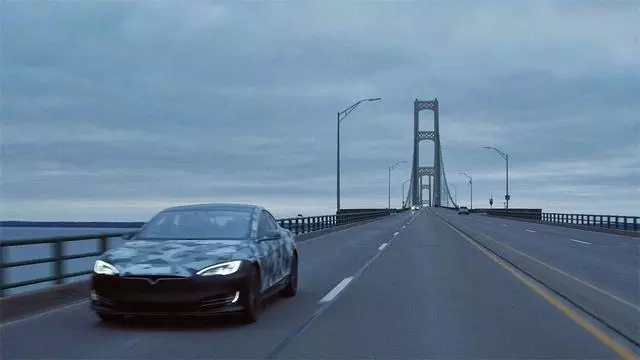
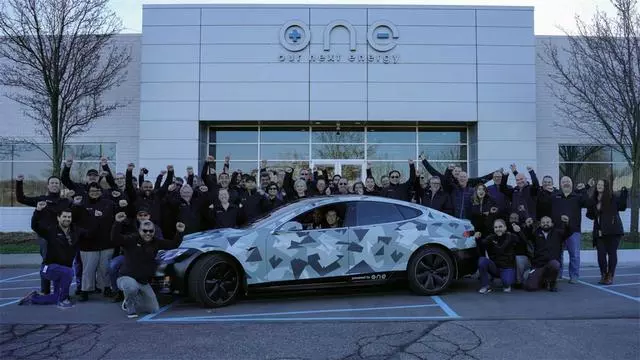
Our Next Energy prototype
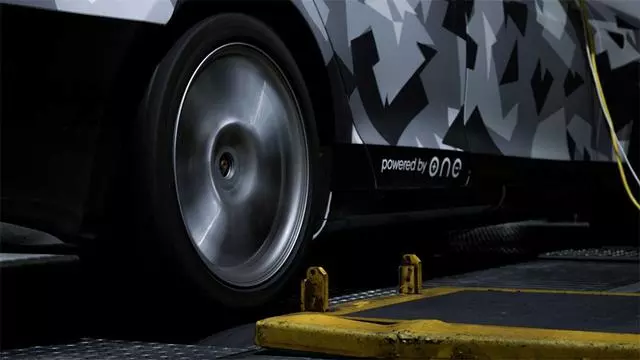
Recently, an American battery technology company called Our Next Energy (ONE) installed a new battery pack for the Tesla Model S. The battery’s energy density was described as 207.3 kWh, which is more than double the density of the original car’s battery.
It is worth mentioning that the new battery pack’s increased density does not encroach on the space inside the car. It is assembled and placed in the same space as the original battery pack, which means the new battery pack has twice the energy density for the same volume.
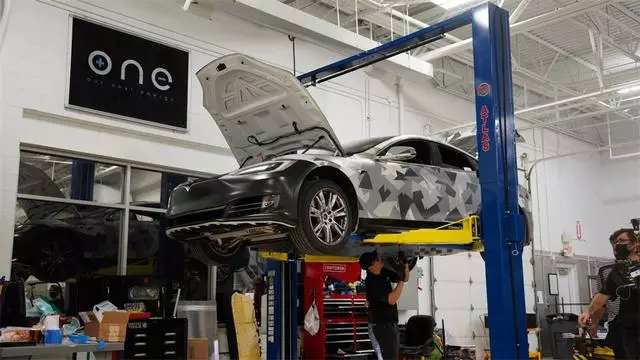
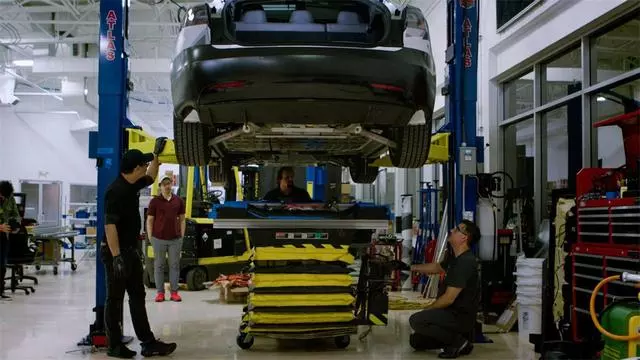
The founder and CEO of ONE, Mujeeb Ijaz, said that pure electric vehicles currently on sale are easily affected by external environments such as high-speed driving, low-temperature areas, and mountain roads. These are not friendly to range performance and are difficult to overcome.
He hoped that a new product called Gemini could make pure electric cars have a long enough range and good stability, solving user range anxiety while also considering cost and sustainable development.
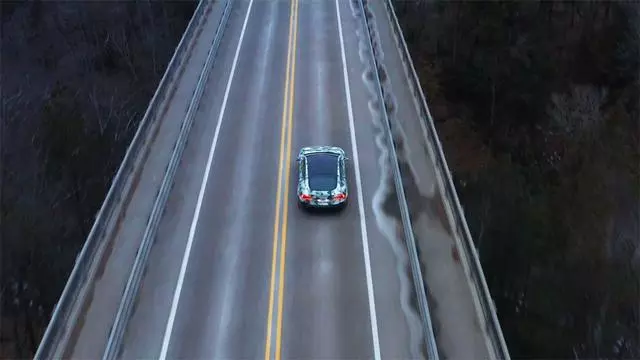
Road and dynamometer tests
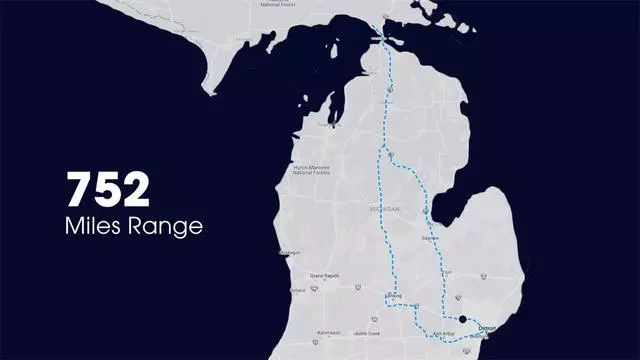
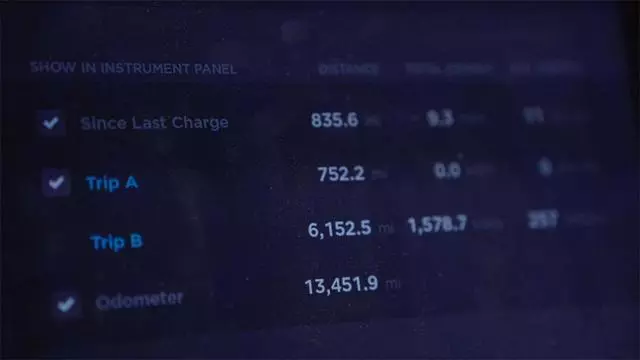
It is understood that the Tesla Model S modified with the ONE prototype battery pack was tested in mid-December on roads in Michigan in the United States. In the actual test, at 55 mph (88 km/h), the car traveled 752 miles (1210 km) in a fully charged state.
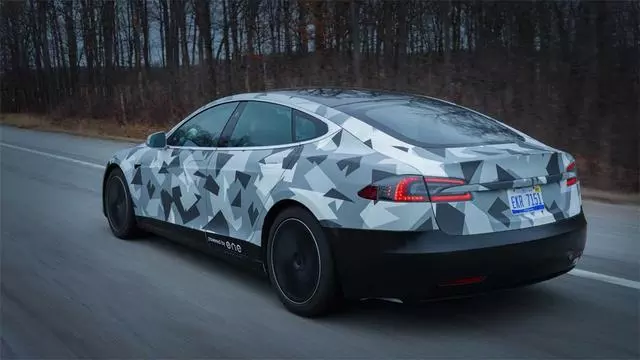
This was nearly 400 miles higher than the official 375 miles of the Tesla Model S, and it was still the result of an actual test reported by third-party testing.
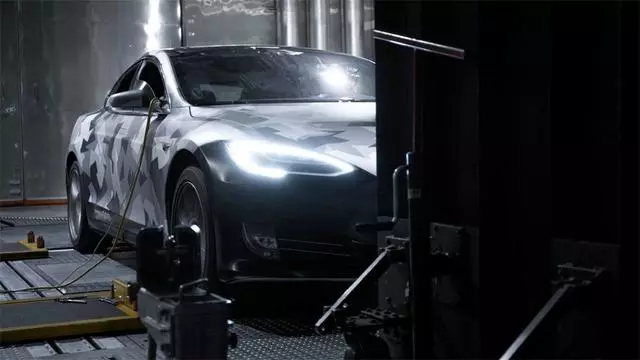
To test whether the car could have better range performance under more ideal conditions, the team also placed the new-battery Tesla Model S on a horsepower machine. Again at 55 mph (88 km/h), the measured maximum range reached 882 miles (1,419 km) in a fully charged state.
That was more than 200 kilometers more range than the road result. In addition to being impressed by the long range, the article also noted how significant the impact of wind resistance can be on electric vehicle range.
ONE’s CEO said that the battery pack is equipped with several different batteries, including high-energy cobalt-nickel batteries. The article also noted that the mass production version of the battery pack was still under development and was expected to be officially implemented after 2023.
Increasing energy density is indeed a direct and powerful way to improve range. However, the test was conducted in a more conventional environment and did not fully account for colder or higher temperature environments, charging and discharging performance, whether recharge time could be shortened, and other practical questions.
The article also raised the cost question: the range is doubled, but what about the price?
Related Products
Rendered through WooCommerce product shortcode so the cards inherit the global product-card structure and Blocksy/WooCommerce styles.