News & Events
Embracing the electric revolution: Future Trends in Electric Vehicles

August 13, 2024
Share:
 autoolstore.com
Global electric vehicle ownership continues to grow strongly, and in 2024 electric vehicle sales were cited at 17 million units.
Electric vehicle sales in China were expected to jump to about 10 million units, standing at about 45% of all vehicle sales. In the U.S., it was expected that one out of every nine vehicles sold would be electric. In Europe, despite a generally weaker outlook for passenger car sales and the gradual elimination of government subsidies in some countries, electric vehicles still account for about a quarter of car sales.
Some emerging markets, such as Vietnam and Thailand, are also seeing growth in demand for electric vehicles, which account for 15 percent and 10 percent of all ride-hailing sales in those countries, respectively.
Global market direction
The continued growth of electric vehicle ownership shows that the demand for electric vehicles is increasing day by day across the globe.
“The continued momentum behind electric cars is clear in our data, although it is stronger in some markets than others,” said IEA Executive Director Fatih Birol. “Rather than tapering off, the global EV revolution appears to be gearing up for a new phase of growth. The wave of investment in battery manufacturing suggests the EV supply chain is advancing to meet automakers’ ambitious plans for expansion. As a result, the share of EVs on the roads is expected to continue to climb rapidly. Based on today’s policy settings alone, almost one in three cars on the roads in China by 2030 is set to be electric, and almost one in five in both the United States and the European Union. This shift will have major ramifications for both the auto industry and the energy sector.”
IEA perspective cited in the original article
Market drivers
There are various reasons for the rise of the electric car industry. The core drivers are easier to understand when the original points are separated into environmental value, operating cost, consumer attention, model choice, and charging options.
Next, the future trends of the electric vehicle industry can be viewed through battery innovation, broader adoption, and further competitive challenges.
Battery development
The future outcome of the electric vehicle industry will definitely include innovations in battery technology. Batteries are one of the most important components of electric vehicles, so newer iterations of electric vehicles will need newer, more efficient batteries to power them in the future.
One good example of this is innovation in solid-state battery technology. Solid-state batteries are a new type of battery that may be far more efficient than traditional lithium-ion batteries, and they are also safer because they will no longer use liquid electrolytes.
The range of electric cars varies from one car brand to another, and some of the new batteries available today are reported to have a range of up to 800 kilometers. That would be a huge step forward for electric car batteries.
Adoption and infrastructure
One of the future moves in the electric car industry should be an increase in popularity. Because electric cars will become more favorable in the future, popularity will also increase greatly.
As electric cars become more cost-effective, they will also be widely accepted by consumers. Many consumers will be anxious about the range of electric vehicles, which was one of the problems encountered when electric vehicles were first introduced.
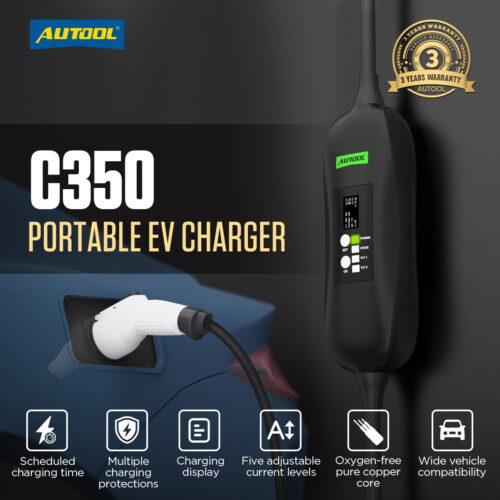
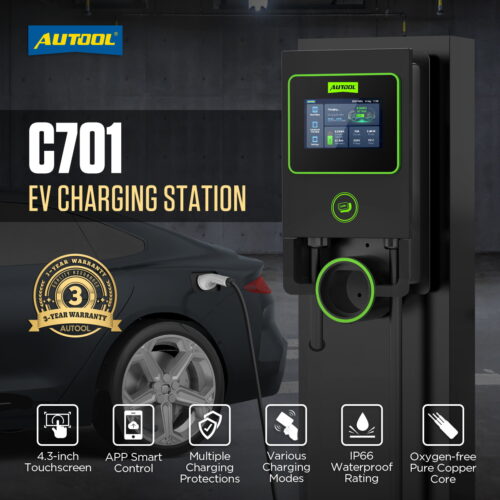
The current charging infrastructure for electric vehicles is still quite limited; however, this is rapidly changing. In the future, charging posts will be everywhere, car owners will be able to install their own EV charging posts, and even more portable emergency charging power sources will be available.
Competition and next steps
When Elon Musk and Tesla produced their first electric car, he happily acknowledged that competition would be fierce in the future. He was right.
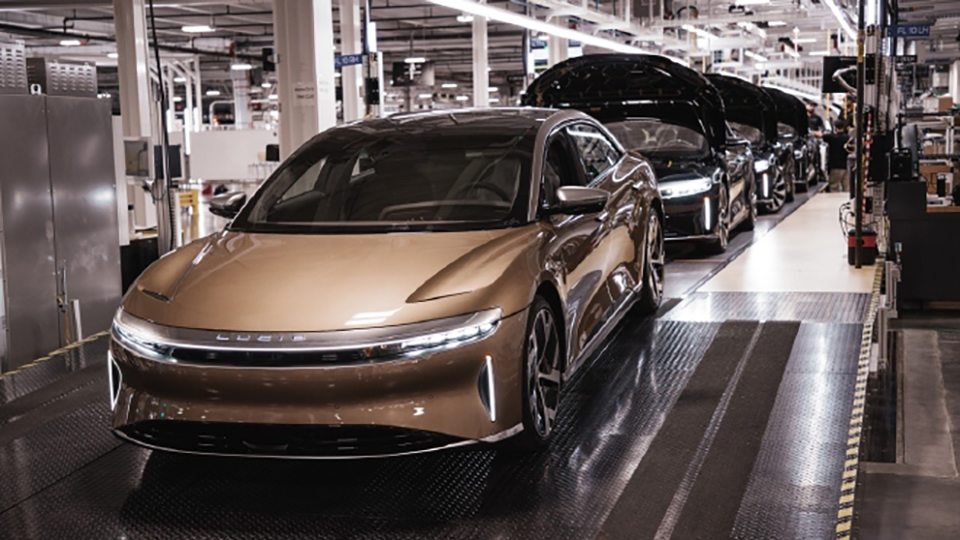
In recent years, many new competitors have entered the electric car market. For example, Volkswagen, Audi, BMW, Porsche, and Mercedes-Benz have all launched their own electric cars, and these brands are increasingly taking over market share.
Competition within the industry is pushing the innovation and viability of electric vehicles to new heights, and it offers endless possibilities for growth.
So what does the future hold for the electric vehicle industry? There will continue to be a steady stream of new challenges. However, as the popularity and use of electric vehicles grows, you can expect to see more electric vehicles of all kinds on the road in the future.
Time will tell what the future holds for electric vehicles.
AUTOOL will also keep up with the development of the automotive industry and continue to provide users with better quality and stronger technology products. We will look forward to it.
Related Products
Rendered through WooCommerce product shortcode so the cards inherit the global product-card structure and Blocksy/WooCommerce styles.