News & Events
Consumer Reports: Electric vehicles are less reliable and have more problems than gas vehicles

January 21, 2022
Share:
 autoolstore.com
Electric vehicles seem to be a hot market, but they are still essentially a new technology. With fewer commercially available models and less experience from some automakers, it is not surprising that reliability is being questioned.
The original article refers to a report from Consumer Reports, a leading U.S. media outlet, which said that electric vehicles had a much higher incidence of problems than their internal combustion engine counterparts.
Why reliability was questioned
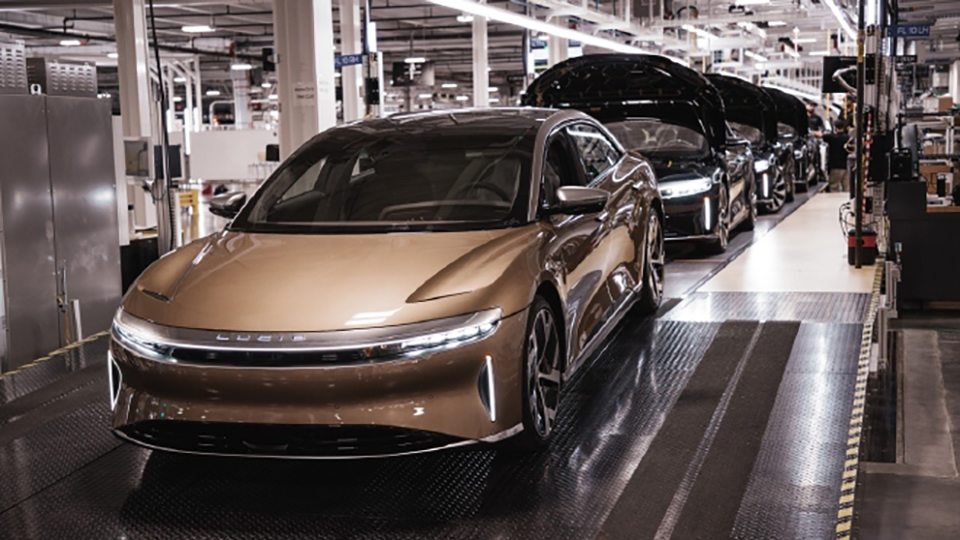
According to Consumer Reports, the few electric models on the market at that time were either produced by new car makers that had never built a car before, such as Tesla, Lucid, Rivian in the U.S., and XPENG, Nio Inc., and Li Auto Inc. in China, or by traditional automakers that had only recently developed their first electric vehicles, such as Toyota and General Motors.
In either case, unfamiliarity with the vehicle manufacturing process or the characteristics of EVs can easily lead to compromised quality and reliability. This is the reason Consumer Reports believed electric vehicles had more problems than internal combustion engine vehicles.
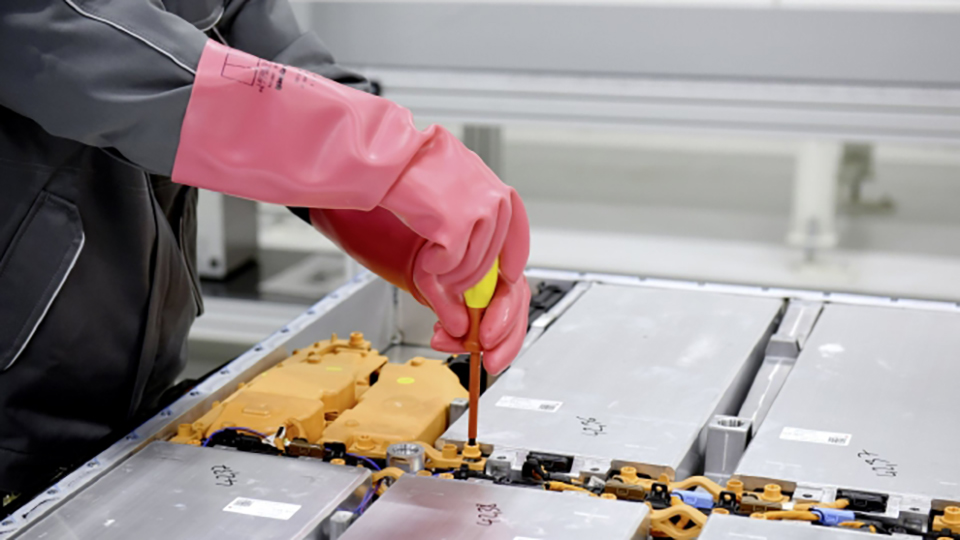
Where EV problems appeared
Consumer Reports indicated that electric vehicles had a high probability of problems in areas such as on-board electronics, noise and fluid leaks, power equipment, air conditioning systems, body hardware, drive systems, body paint, and trim.
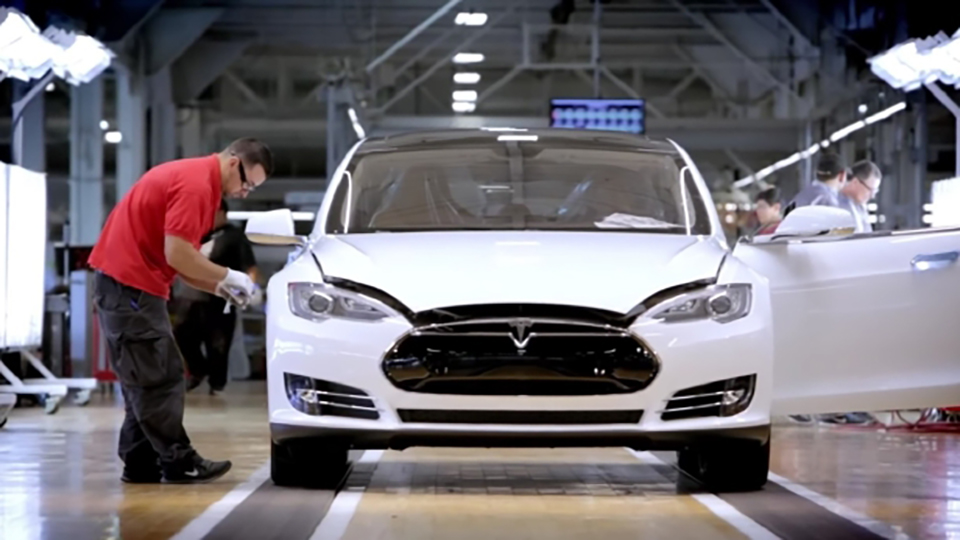
The article pointed to the Chevrolet Bolt spontaneous combustion issue and Tesla’s well-known quality control issues as examples that damaged the quality image of electric vehicles.
There were also smaller issues that affected the reputation of EV reliability. For example, the Audi e-tron display blackout was described as an onboard electronics failure, while the same model’s exterior door lighting issue was described as a power equipment failure.
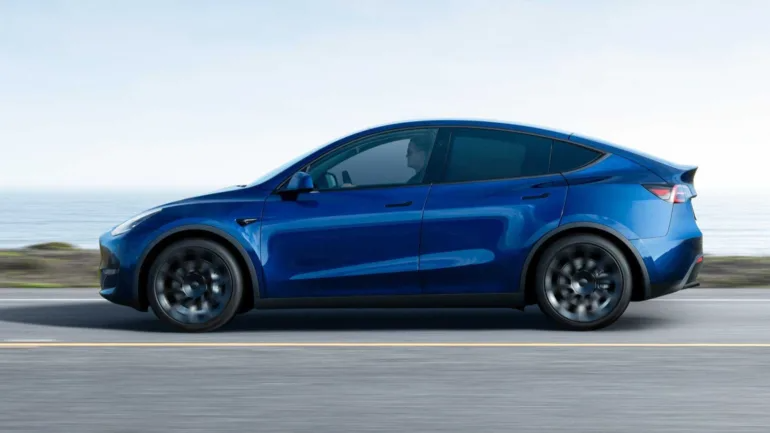
The article also noted that Tesla electric vehicles had many problems, from poor trim assembly and paint defects on the Model Y to the Model X Falcon doors and sealing issues.
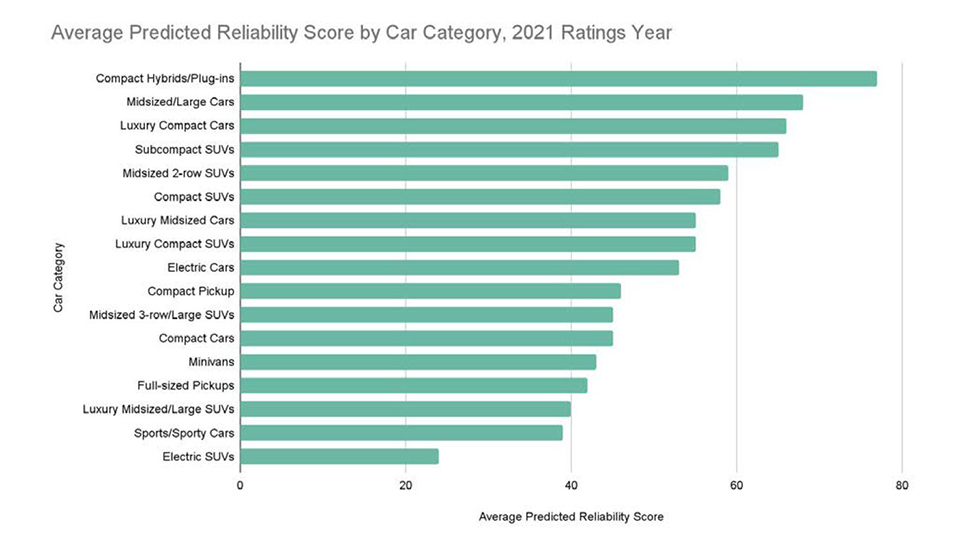
New and traditional automakers face different gaps
Ultimately, the article argued that these problems stem from automakers not yet knowing enough about all the aspects that contribute to vehicle reliability. For an EV manufacturer like Tesla, the first task is to build cars in high volume while ensuring reliability.
For traditional automakers, the task is different. They need to understand the peculiarities of EVs, the best configuration of software, and the key issues in areas that may be unfamiliar because they are unique to electric vehicles.
This is not only a reliability issue like those seen in the early days of the automotive industry. It is also an EV knowledge diffusion issue. New EV owners are more tech-savvy and have higher expectations for infotainment systems and software-related areas. At the same time, owners accustomed to the fine craftsmanship of traditional cars expect the same quality level in electric vehicles.
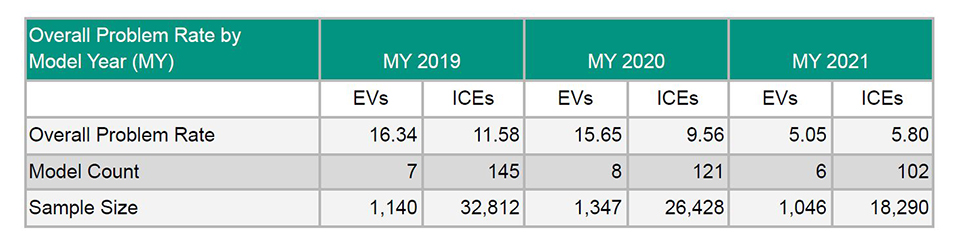
The good news mentioned in the article was that new cars coming to market in the U.S. in 2021 showed better reliability overall, both for electric and internal combustion engine vehicles.
Even so, electric vehicles were still considered less reliable than internal combustion engine vehicles in the article. Stay tuned to Autooltech for more news on electric vehicle quality.
Related Products
Rendered through WooCommerce product shortcode so the cards inherit the global product-card structure and Blocksy/WooCommerce styles.