Tech Trends
How to maintain your car in winter

July 29, 2021
Share:
 autoolstore.com
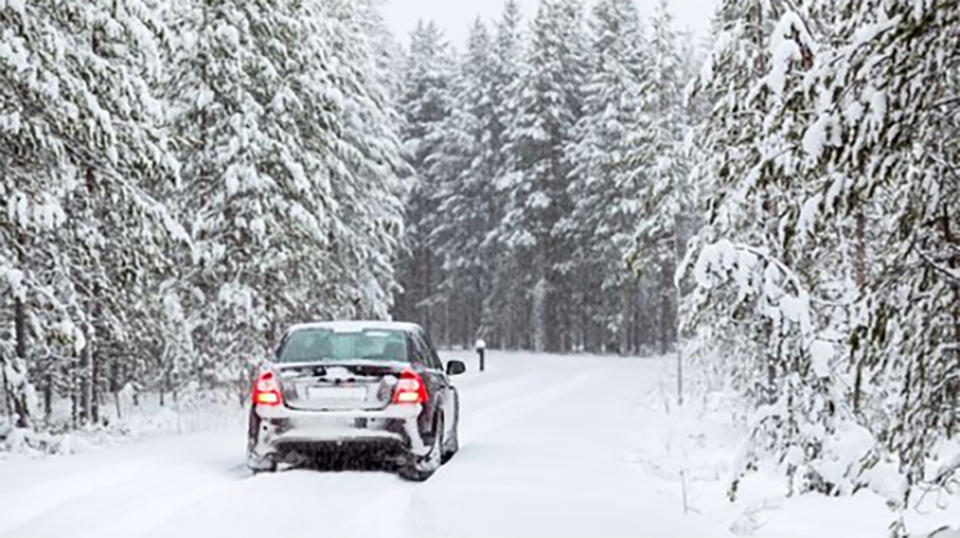
Cold winter rain, snow, fog, and other bad weather make road conditions more complex. Drivers need to pay closer attention to vehicle maintenance before and during the cold season.
The following ten common-sense maintenance checks cover visibility, cooling, heating, fluids, lubrication, body protection, chassis care, battery condition, and tire safety. Working through them before the weather gets harsh can help you drive through winter more safely.
Wipers, warm air and windshield
If you drive in the north and go out early in the morning to find that the wiper is stuck to the windshield by snow, do not flush it directly with hot water. A sudden temperature change can damage the window and deform the wiper.
The correct method is to turn on the air conditioner with hot air, set the blowing mode to the front windshield, and let the wiper open naturally after the snow and ice loosen.
Warm air that has been unused for a summer may fail when winter arrives. Before you need it, test whether hot air comes out, whether the fan makes any strange sound, and whether the air duct is smooth.
Sometimes, antifreeze in the warm air hose does not flow for a long time, and condensation blocks the circulation line. Although this may not affect whether the car can run, the repair can be troublesome.
Keeping the windshield clear is a basic condition for safe driving. In winter, wipers should be scrubbed regularly so that they can clean the windshield properly on rainy or snowy days.
Windshield washer fluid can include windshield de-icer. When the windshield is icy, spraying de-icing washer fluid can help melt the ice. Ordinary washer fluid may create more trouble when the glass freezes again.
Cooling system, antifreeze and oil
In winter, regularly check whether the water tank, water pump, belt, water pipe, water replenishment tank, and other parts are working correctly. If there is damage or failure, repair or replace the affected parts in a timely manner.
Otherwise, a small water pipe problem may waste a full bucket of antifreeze. In particular, some cars with high water temperature in summer may have had the thermostat removed by repair staff. Although this may solve a summer problem, it can create the opposite problem in winter.
Many southern drivers do not usually check antifreeze, but they should pay attention when driving to northern regions. Check whether the antifreeze is insufficient or deteriorated, and replenish or replace it in time if necessary.
Antifreeze may seem like a small thing, but its impact on the car can be large. A light problem may block the pipeline, while a serious problem may corrode and damage the engine block. Choose antifreeze carefully: do not mix different antifreeze products and do not use counterfeit products.
In general, antifreeze should be changed once every two years. Before replacement, the cooling system should be flushed clean with water.
Check whether the motor oil grade is suitable for low temperature, and confirm whether there is any lack or deterioration. Cold car oil can become too thick in winter, which affects starting and increases wear on machine parts.
At the same time, hot oil that is too thin will reduce lubrication and sealing performance. Choose a high-quality compound oil suitable for winter. If the vehicle is at or near the specified oil change time, change the oil before the weather gets cold.
Paintwork and undercarriage
Before winter, add a protective film to the body of the car. A Teflon polymer paint coating or mirror glaze can resist the erosion of acid rain and fog.
When driving in northern regions, snow roads may be sprayed with saltwater. Saltwater splashing onto the body is very harmful to car paint, so pay attention to cleaning the vehicle after exposure.
In winter, the car chassis directly deals with rain, snow, mud, and water. It is easy for the undercarriage to rust. Tires can throw mud and water into the chassis, and after rain the underside of the car can begin to corrode.
Therefore, spend time before winter doing rust care for the chassis. This simple preparation can reduce corrosion risk during the season when the underbody is exposed most often.
Starting power and road contact
The battery is most afraid of low temperature. Battery capacity in a low-temperature environment is much lower than capacity at room temperature. Before the cold season comes, replenish the battery electrolyte and adjust the specific gravity of the electrolyte.
At the same time, clean the battery terminals and coat them with special grease for protection. This helps ensure reliable starting and extends battery life. If the vehicle is parked outdoors or in cold storage for several weeks, remove the battery and store it in a warmer room to prevent freezing damage.
Tire rubber becomes hard and relatively brittle in winter, and the coefficient of friction is reduced. Tire pressure should therefore be neither too high nor too low. When the external temperature is low, very low tire pressure makes the tire too soft and can seriously accelerate aging.
In winter, clean inclusions from the tread regularly, avoid using tires that have been patched more than once, and replace tires that are worn out or from different brands with different tread patterns. Tire wear can differ greatly between the inside and outside. To ensure safety and reduce wear, rotate tire positions regularly.
Winter weather changes the way a car starts, runs, stops, and resists corrosion. Rain, snow, fog, ice, low temperature, and saltwater all create extra pressure on the vehicle.
By checking the wipers, cooling system, warm air, antifreeze, motor oil, windshield, bodywork, chassis, battery, and tires before the cold season, drivers can reduce winter breakdown risk and make daily driving safer.
Related Products
Rendered through WooCommerce product shortcode so the cards inherit the product-card structure used by the reference post style.