Tendances technologiques
Comment entretenir sa voiture en hiver

juillet 29, 2021
Partager:
 autoolstore.com
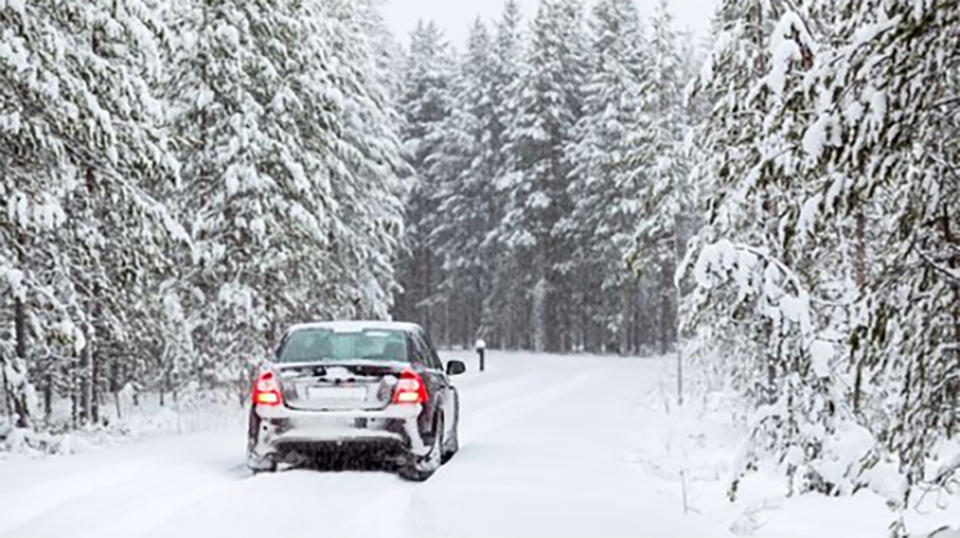
En hiver, la pluie froide, la neige, le brouillard et autres intempéries rendent les conditions routières plus difficiles. Les conducteurs doivent donc redoubler de vigilance quant à l'entretien de leur véhicule avant et pendant la saison froide.
Les dix points d'entretien suivants, relevant du bon sens, concernent la visibilité, le refroidissement, le chauffage, les niveaux de liquides, la lubrification, la protection de la carrosserie, l'entretien du châssis, l'état de la batterie et la sécurité des pneus. Les effectuer avant l'arrivée des intempéries hivernales vous permettra de conduire plus sereinement.
Essuie-glaces, air chaud et pare-brise
Si vous conduisez dans le nord et que vous constatez tôt le matin que votre essuie-glace est collé au pare-brise par la neige, ne le rincez pas directement à l'eau chaude. Un changement brutal de température pourrait endommager le pare-brise et déformer l'essuie-glace.
La méthode correcte consiste à allumer la climatisation en mode air chaud, à régler le flux d'air sur le pare-brise et à laisser l'essuie-glace se déployer naturellement une fois la neige et la glace fondues.
L'air chaud resté inutilisé pendant l'été risque de tomber en panne à l'arrivée de l'hiver. Avant d'en avoir besoin, vérifiez que l'air chaud sort bien, que le ventilateur ne fait pas de bruit anormal et que la gaine d'aération est lisse.
Il arrive que le liquide de refroidissement contenu dans le tuyau d'air chaud ne circule plus pendant une longue période, et que la condensation obstrue la conduite. Bien que cela n'empêche pas forcément le démarrage du véhicule, la réparation peut s'avérer complexe.
Un pare-brise dégagé est essentiel pour une conduite en toute sécurité. En hiver, les essuie-glaces doivent être nettoyés régulièrement afin d'assurer un bon fonctionnement du pare-brise par temps de pluie ou de neige.
Le liquide lave-glace peut contenir un dégivrant. En cas de givrage du pare-brise, pulvériser du liquide lave-glace dégivrant peut aider à faire fondre la glace. Le liquide lave-glace ordinaire risque d'aggraver le problème lorsque le pare-brise gèle à nouveau.
Système de refroidissement, antigel et huile
En hiver, vérifiez régulièrement le bon fonctionnement du réservoir d'eau, de la pompe à eau, de la courroie, du tuyau d'eau, du réservoir de remplissage et des autres composants. En cas de dommage ou de panne, réparez ou remplacez rapidement les pièces concernées.
Autrement, un petit problème de canalisation d'eau peut entraîner le gaspillage d'un bidon entier d'antigel. En particulier, sur certaines voitures présentant une température d'eau élevée en été, il est possible que le thermostat ait été retiré par les mécaniciens. Si cette opération peut résoudre un problème estival, elle peut engendrer le problème inverse en hiver.
De nombreux conducteurs du sud ne vérifient généralement pas le niveau d'antigel, mais ils devraient y prêter attention lorsqu'ils se rendent dans les régions du nord. Il convient de vérifier si le niveau d'antigel est insuffisant ou dégradé, et de le compléter ou de le remplacer si nécessaire.
L'antigel peut paraître anodin, mais son impact sur le moteur peut être considérable. Un problème mineur peut obstruer le circuit, tandis qu'un problème grave peut corroder et endommager le bloc-moteur. Choisissez votre antigel avec soin : ne mélangez pas différents antigels et n'utilisez pas de contrefaçons.
En général, le liquide de refroidissement doit être changé tous les deux ans. Avant le remplacement, le circuit de refroidissement doit être rincé à l'eau.
Vérifiez que la viscosité de l'huile moteur est adaptée aux basses températures et assurez-vous qu'elle ne présente aucune carence ni dégradation. En hiver, l'huile moteur froide peut devenir trop épaisse, ce qui peut rendre le démarrage difficile et accélérer l'usure des pièces du moteur.
Par ailleurs, une huile chaude trop fluide réduit la lubrification et l'étanchéité. Choisissez une huile composée de haute qualité adaptée à l'hiver. Si votre véhicule approche de la date limite de vidange, effectuez-la avant l'arrivée du froid.
Peinture et châssis
Avant l'hiver, appliquez un film protecteur sur la carrosserie de votre voiture. Un revêtement de peinture polymère au téflon ou un vernis miroir peut résister à l'érosion causée par les pluies acides et le brouillard.
Lorsqu'on conduit dans les régions nordiques, les routes enneigées peuvent être aspergées d'eau salée. Les éclaboussures d'eau salée sont très nocives pour la peinture des voitures ; il est donc important de bien nettoyer son véhicule après exposition.
En hiver, le châssis de la voiture est directement exposé à la pluie, à la neige, à la boue et à l'eau. Le soubassement est donc facilement sujet à la rouille. Les pneus peuvent projeter de la boue et de l'eau sur le châssis, et après la pluie, le dessous de la voiture peut commencer à se corroder.
Par conséquent, prenez le temps, avant l'hiver, de traiter le châssis contre la rouille. Cette simple préparation permet de réduire les risques de corrosion durant la saison où le soubassement est le plus exposé.
Puissance de démarrage et contact avec la route
La batterie craint particulièrement les basses températures. Sa capacité à basse température est bien inférieure à celle à température ambiante. Avant l'arrivée du froid, il est donc conseillé de compléter le niveau d'électrolyte et d'ajuster sa densité.
Parallèlement, nettoyez les bornes de la batterie et enduisez-les de graisse spéciale pour les protéger. Cela garantit un démarrage fiable et prolonge la durée de vie de la batterie. Si le véhicule est stationné à l'extérieur ou entreposé au froid pendant plusieurs semaines, retirez la batterie et conservez-la dans une pièce plus chaude pour éviter les dommages causés par le gel.
En hiver, le caoutchouc des pneus durcit et devient relativement cassant, ce qui réduit leur coefficient de frottement. La pression des pneus ne doit donc être ni trop élevée ni trop basse. Par basses températures, une pression trop faible les rend trop mous et peut accélérer considérablement leur vieillissement.
En hiver, nettoyez régulièrement la bande de roulement des impuretés, évitez d'utiliser des pneus réparés à plusieurs reprises et remplacez les pneus usés ou de marques différentes présentant des sculptures différentes. L'usure des pneus peut varier considérablement entre l'intérieur et l'extérieur. Pour plus de sécurité et pour réduire l'usure, permutez régulièrement vos pneus.
Les conditions hivernales modifient le fonctionnement, le freinage et la résistance à la corrosion d'une voiture. La pluie, la neige, le brouillard, le verglas, les basses températures et l'eau salée exercent des contraintes supplémentaires sur le véhicule.
En vérifiant les essuie-glaces, le système de refroidissement, le chauffage, l'antigel, l'huile moteur, le pare-brise, la carrosserie, le châssis, la batterie et les pneus avant la saison froide, les conducteurs peuvent réduire les risques de panne hivernale et rendre la conduite quotidienne plus sûre.
Produits associés
Rendu via le shortcode produit WooCommerce afin que les cartes héritent de la structure de carte produit utilisée par le style de publication de référence.