Tips & Tutorials
What do you know about automotive brake fluid?

July 22, 2021
Share:
 autoolstore.com
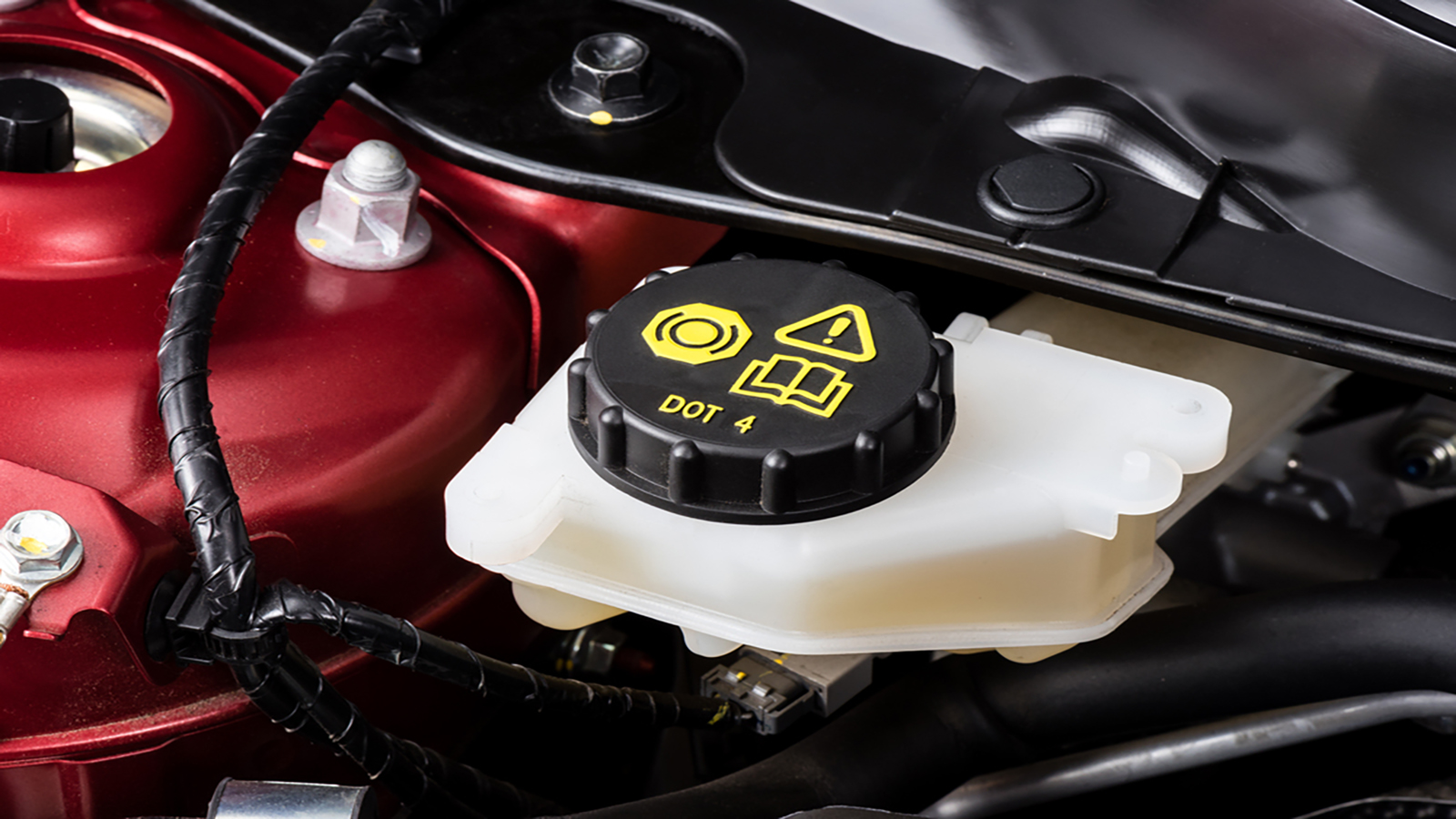
Automotive brake fluid is the fluid used in hydraulic brake systems. It must not react chemically, must not be affected by high temperatures, and must not corrode, soften, or expand on metals and rubber.
Because the brake fluid reservoir has a ventilation hole, moisture or impurities in the air can enter the system. Moisture may be absorbed or dissolved by the brake fluid, lowering its boiling point. When the car brakes for a long time and the braking system temperature rises, the brake line is prone to air resistance, which can reduce braking power or even cause brake failure.
Change the brake fluid regularly
The volume of brake fluid changes with temperature. The air sucked in through the reservoir ventilation hole contains moisture or impurities, and that moisture can be absorbed or dissolved by the brake fluid. As a result, the boiling point of brake fluid containing moisture will be lowered.
When the car brakes for a long time, the braking system becomes hot, the brake line is prone to air resistance, the air is compressed, and braking power may decline or brake failure may occur. For your driving safety, brake fluid must be replaced regularly.
Caution
Characteristics
Auto brake fluid role one: the freezing point of auto brake fluid is very low, and it has good fluidity in low-temperature conditions.
Auto brake fluid role two: the boiling point of auto brake fluid is very high, and it will not produce air resistance in a high-temperature state.
Auto brake fluid role three: when auto brake fluid is used, its quality changes very little and it will not trigger erosion of metal and rubber.
Replacement time
This situation is a matter of opinion. Many people say that car brake fluid is changed once in 60,000 km if driving in tropical areas. Others say that it does not need to be changed if it is not dirty. However, in general, brake fluid needs to be replaced every two years.
After a long time, the brake pump will have different degrees of wear and tear, so it is better to change the brake fluid in time.
Methods
There are many ways to replace the brake fluid.
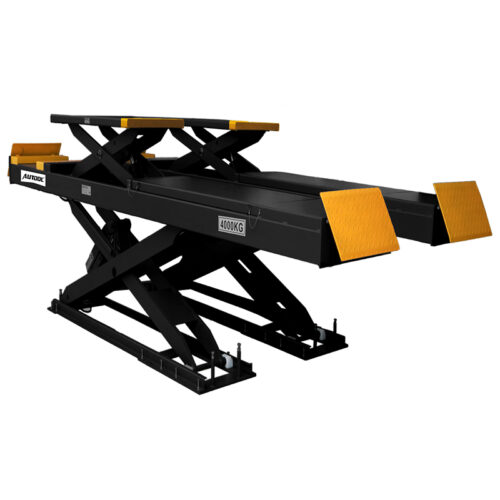
The old native method is to lift the car with a lift, one person steps on the brakes in the cab, and one person drains the brake sub-pump at each wheel under the car. When the brakes are applied, the brake fluid is sprayed out by opening the pump’s sub-exhaust screw. Old brake fluid is discharged like this, new oil is added to the brake oil pot in the cabin above, and the process is repeated for each wheel. This method is very troublesome, and brake fluid pressure is very high when braking, so the brake fluid can spray everywhere on the wheel after discharge.
The improved method is to set a hose on the bleeding screw, put the oil-catching disc underneath, loosen the exhaust screw, and let the brake fluid flow out slowly. This method works, but draining all four wheels at the same time is not scientific. The rear wheel brake fluid pipeline is longer than the front wheel pipeline, so the front and rear wheels should be drained separately. After releasing the new oil, tighten the exhaust screw and start the vehicle. One person presses the brake five times and then keeps still. The other person loosens the exhaust screw and tightens it immediately. Repeat two times for each wheel, and the exhaust is completed.
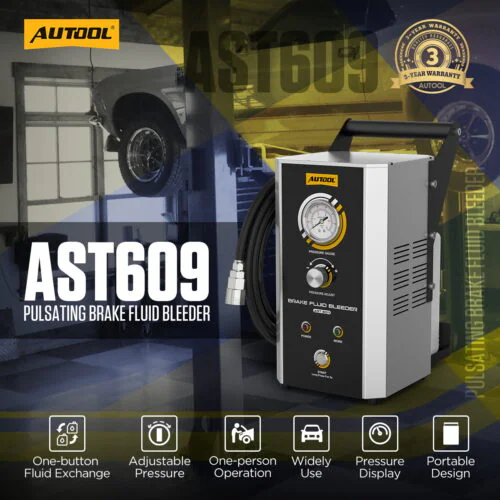
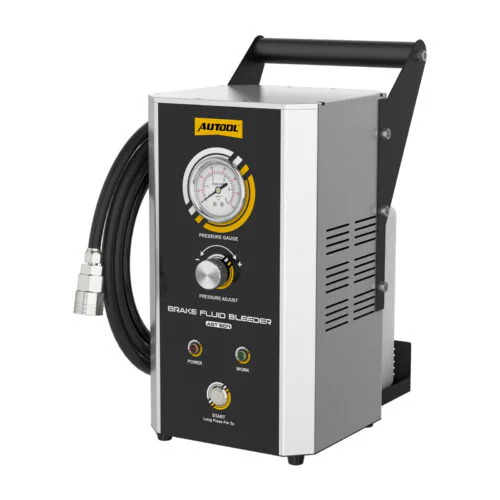
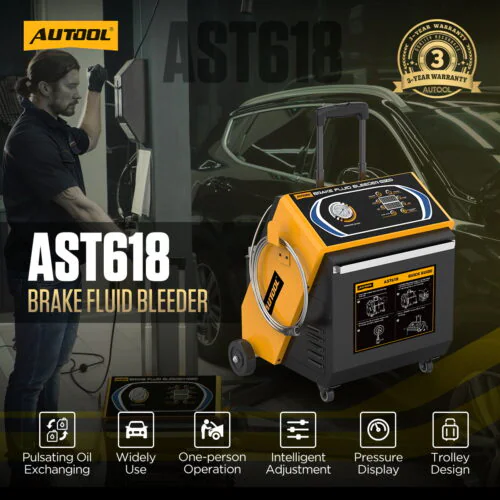
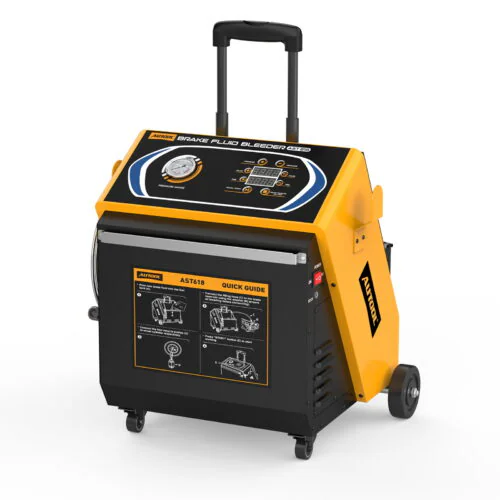
The more advanced oil replacement method is to use a brake oil replacement machine, or connect the machine to the exhaust screw of the four-wheel sub-pump. By docking the machine’s filling tube with the brake oil jug screw cap mouth, the brake line and the oil changer become a closed system. The machine injects new oil while sucking the old oil in the pump. The advantage is that there is no leaking oil.
Manual oil drainage must observe the level of the brake fluid pot during old oil discharge. If it is insufficient, it must be replenished immediately. Once emptied, it is very troublesome and must be solved after several exhausts. If brake fluid flows to metal parts and tires, it must be flushed immediately. Brake fluid dissolves in water, so it can disappear when rinsed with plenty of water. Without rinsing, brake fluid has a corrosive effect on metal and paint. It is also suitable for the human body not to come into direct contact with it.
Related Products
Rendered through WooCommerce product shortcode so the cards inherit the global product-card structure and Blocksy/WooCommerce styles.