Tips & Tutorials
How can car owners determine which kind of fluid is leaking from underneath the car?

July 17, 2021
Share:
 autoolstore.com
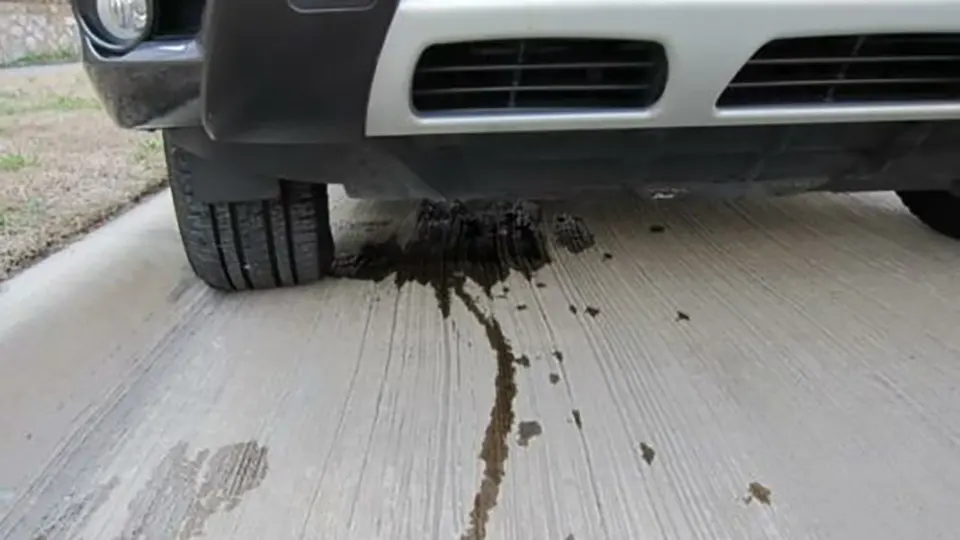
Experienced car owners will bend down every day before starting the vehicle to see if there is some oil leakage under the car. If the original dry ground has a small puddle of unknown liquid, then it is likely that there is an oil leak in some part of the car.
There are generally three possibilities for fluid leaks: aging seals, failures, or damage caused by chassis bumps. The problem can be small or large, depending on whether the leakage is a critical fluid and how much fluid is leaking.
If it is just a small pool of air conditioning condensate, then it is normal. If the leak is brake fluid or another safety-related fluid, early repair must be taken seriously.
Simple identification
As an inexperienced car owner, the easiest way to quickly determine which kind of fluid is under the car is to find a piece of white paper, dip it in the oil on the ground, and then judge it based on its color and smell.
Oil leaks
The freshly changed engine oil is usually a transparent amber color. With the increase of mileage, the color will gradually turn into dark brown, and generally becomes black at about 10,000 kilometers.
Rub your fingers together and you will find that it is particularly smooth and hard to wipe off. Oil may seep out from the front or rear of the engine at the seal, or it may leak from the oil pan. Because of the complex engine structure, the engine can be said to have the most oil leaks.
The first thing to do after finding an oil leak is to check the engine dipstick to see if the level is located above the minimum. If it is already below the minimum, remember to add 1 liter of oil temporarily before taking the car to a repair shop for treatment.
Transmission oil leakage
The location of the transmission is usually against the left rear of the engine compartment. The transmission fluid is usually red-yellow in color, relatively clear, very smooth in texture, and generally thinner than engine oil.
Transmission oil leakage is 90% caused by the aging of the seals, and the owner is not very good at checking the fluid level. Once the transmission leakage is serious, light leakage will cause shift frustration, and heavy leakage will damage the transmission.
Because transmission repair costs are often very high and the repair sequelae are more, if there is a transmission leakage it must be inspected and repaired in time to avoid expanding losses.
Steering power oil leakage
Steering fluid is only available in cars with hydraulic power steering but not in cars with electronic power steering. The power steering fluid is usually red in color, and in some models it is shared with the transmission fluid.
You can find the cap of the power steering fluid in the engine compartment and open it to check the level. Lack of power steering fluid will generally cause the steering wheel to become heavy and make a clicking noise.
Antifreeze leakage
Antifreeze has the largest variety of colors, including pink, blue, green, and yellow, so judging by color may not be accurate. It is best to judge antifreeze by smell and texture.
Antifreeze emits a sweet smell and has a texture more like water than oil, with little lubricity. Antifreeze leaks are usually found in the radiator at the front of the car and at the hose fittings nearby.
Please check the coolant overflow tank to see what is in the radiator. Is the overflow tank empty? Maybe you have found your problem. The antifreeze level can also be checked yourself, and there is usually a translucent antifreeze jug in the engine compartment with a scale printed on it.
Note that you should never open the lid of the jug when the car is hot. Because of the high pressure inside, rashly opening the lid will burn you like opening the lid of a pressure cooker.
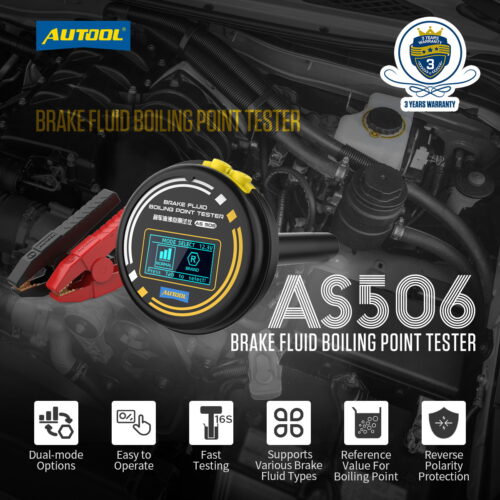
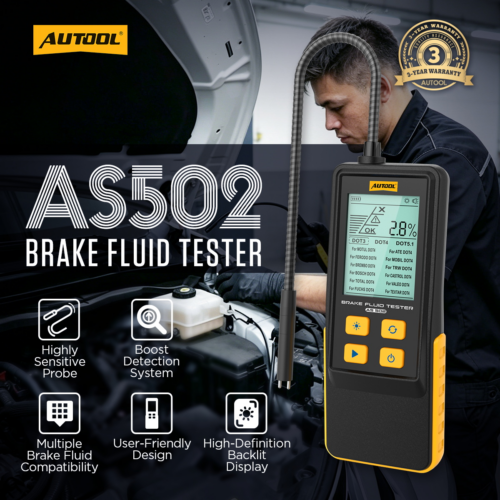
Brake fluid leakage
Brake fluid is close to the color of motor oil and has a slippery texture, so it is easy to get confused with motor oil. However, brake fluid is corrosive, so the smell is much more pungent than motor oil.
If the fluid on the ground emits a pungent metallic smell, then it is brake fluid. Brake fluid is vital to the safety of the car’s brakes and generally leaks close to the four wheels from the brake distributor pump.
If there is a brake fluid leak, it is best not to continue driving. It is wise to call for help and have a tow truck take the car to a repair shop.
Air conditioning condensate leaks
Only in the summer, if there is a small puddle of colorless and odorless liquid on the ground, do not panic. It is just air conditioning condensate, which is a normal phenomenon.
But if there is a lot of condensate on the ground, then you need to check whether the car’s air conditioning system has problems that cause the condenser to freeze.
Related Products
Rendered through WooCommerce product shortcode so the cards inherit the global product-card structure and Blocksy/WooCommerce styles.