Tips och handledningar
Vad vet du om bromsvätska för bilar?

juli 22, 2021
Dela:
 autoolstore.com
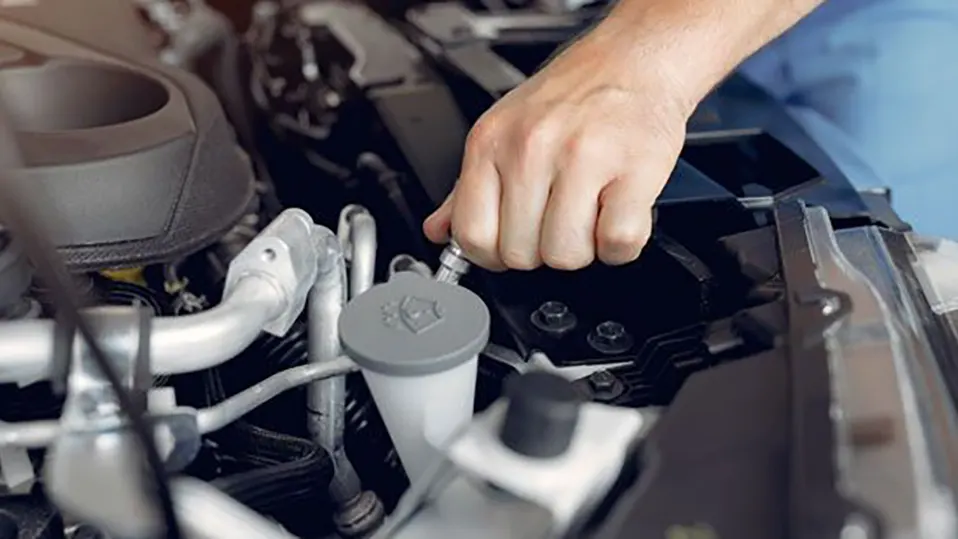
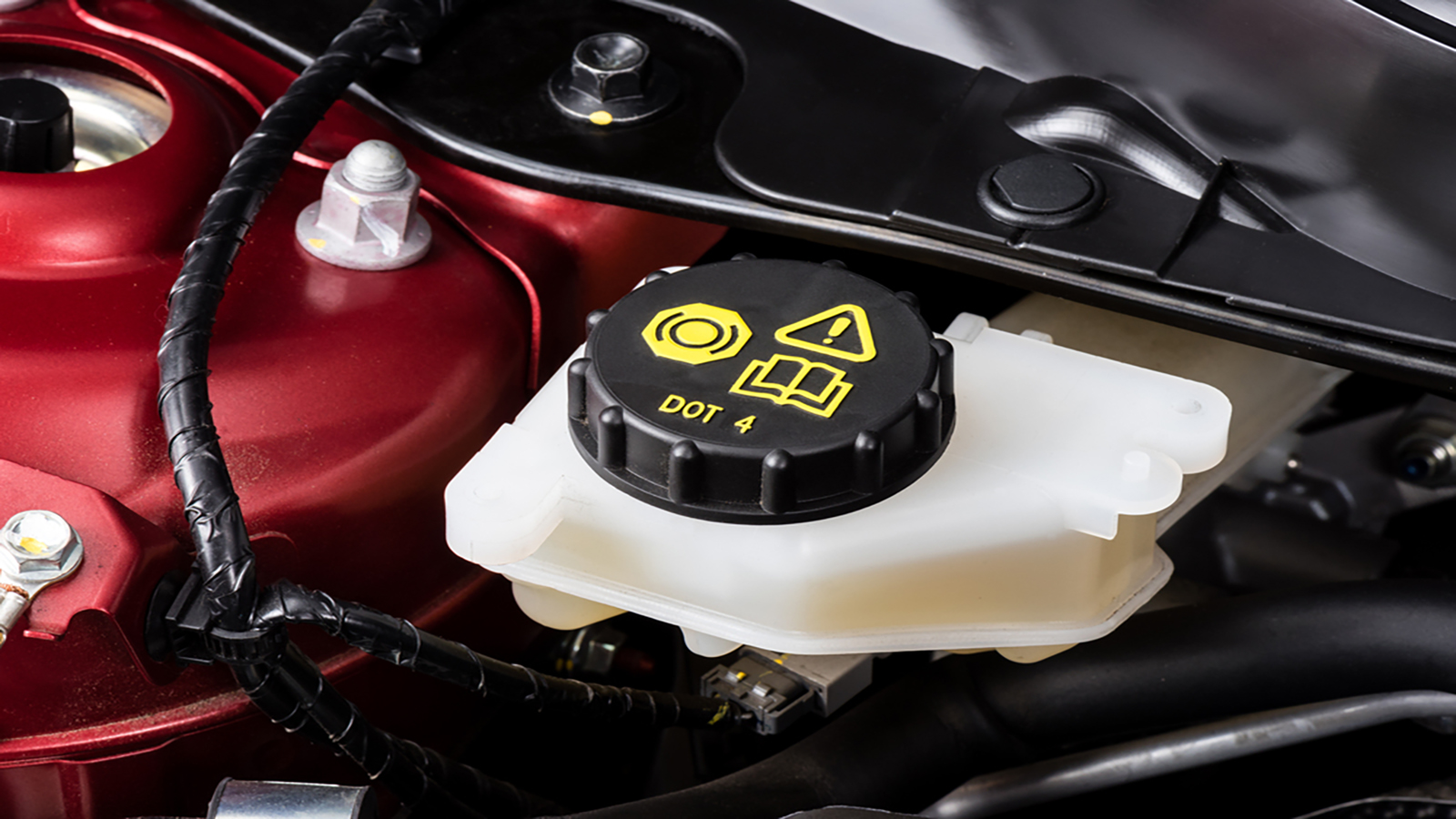
Bromsvätska för bilar är den vätska som används i hydrauliska bromssystem. Den får inte reagera kemiskt, får inte påverkas av höga temperaturer och får inte korrodera, mjukna eller expandera på metaller och gummi.
Eftersom bromsvätskebehållaren har ett ventilationshål kan fukt eller föroreningar från luften komma in i systemet. Fukt kan absorberas eller lösas upp av bromsvätskan, vilket sänker dess kokpunkt. När bilen bromsar under längre tid och bromssystemets temperatur stiger, blir bromsledningen benägen att utveckla luftmotstånd, vilket kan minska bromskraften eller till och med orsaka bromsfel.
Byt bromsvätska regelbundet
Bromsvätskans volym förändras med temperaturen. Luften som sugs in genom behållarens ventilationshål innehåller fukt eller föroreningar, och den fukten kan absorberas eller lösas upp av bromsvätskan. Som ett resultat sänks kokpunkten för bromsvätska som innehåller fukt.
När bilen bromsar under en längre tid blir bromssystemet varmt, bromsledningen blir benägen att utsättas för luftmotstånd, luften komprimeras och bromskraften kan minska eller bromsfel uppstå. För din körsäkerhet måste bromsvätskan bytas regelbundet.
Försiktighet
Egenskaper
Bilbromsvätskans roll ett: fryspunkten för bilbromsvätskan är mycket låg och den har god flytbarhet vid låga temperaturer.
Bromsvätskans roll två: Bromsvätskans kokpunkt är mycket hög och den producerar inte luftmotstånd i hög temperatur.
Bilbromsvätskans roll tre: när bilbromsvätska används förändras dess kvalitet väldigt lite och den orsakar inte erosion av metall och gummi.
Ersättningstid
Denna situation är en åsiktsfråga. Många säger att bromsvätskan i en bil byts en gång per 60 000 km om man kör i tropiska områden. Andra säger att den inte behöver bytas om den inte är smutsig. I allmänhet behöver dock bromsvätskan bytas vartannat år.
Bromspumpen kommer att ha olika grader av slitage efter en längre tid, så det är bättre att byta bromsvätska i tid.
Metoder
Det finns många sätt att byta bromsvätska.
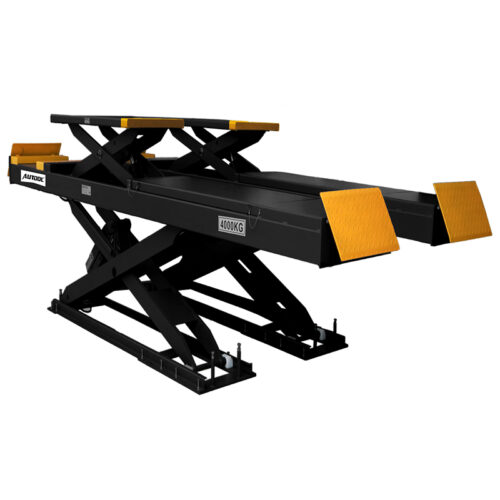
Den gamla metoden är att lyfta bilen med en lyftanordning, en person bromsar i hytten och en annan person tömmer bromsunderpumpen vid varje hjul under bilen. När bromsarna används sprutas bromsvätskan ut genom att öppna pumpens underavgasskruv. Gammal bromsvätska töms ut på detta sätt, ny olja tillsätts i bromsoljebehållaren i hytten ovanför och processen upprepas för varje hjul. Denna metod är mycket besvärlig, och bromsvätsketrycket är mycket högt vid inbromsning, så bromsvätskan kan spruta överallt på hjulet efter tömning.
Den förbättrade metoden är att placera en slang på luftningsskruven, placera oljeuppsamlingsskivan under, lossa avgasskruven och låta bromsvätskan rinna ut långsamt. Den här metoden fungerar, men att tömma alla fyra hjulen samtidigt är inte vetenskapligt. Bromsvätskeledningen för bakhjulet är längre än för framhjulet, så fram- och bakhjulen bör tömmas separat. Efter att den nya oljan har släppts ut, dra åt avgasskruven och starta fordonet. En person trycker på bromsen fem gånger och står sedan stilla. Den andra personen lossar avgasskruven och drar åt den omedelbart. Upprepa två gånger för varje hjul, och avgasningen är klar.
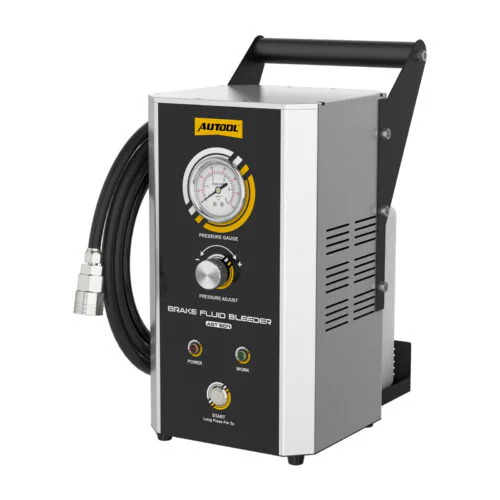
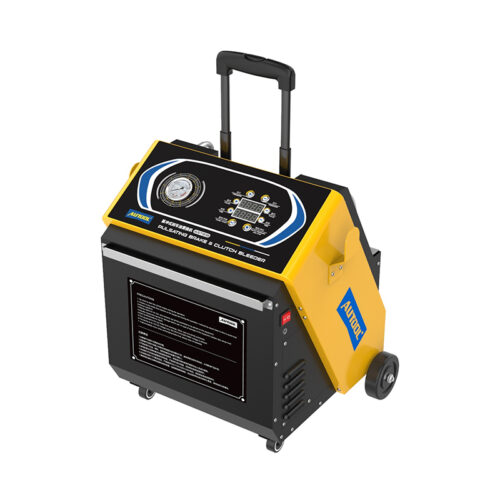
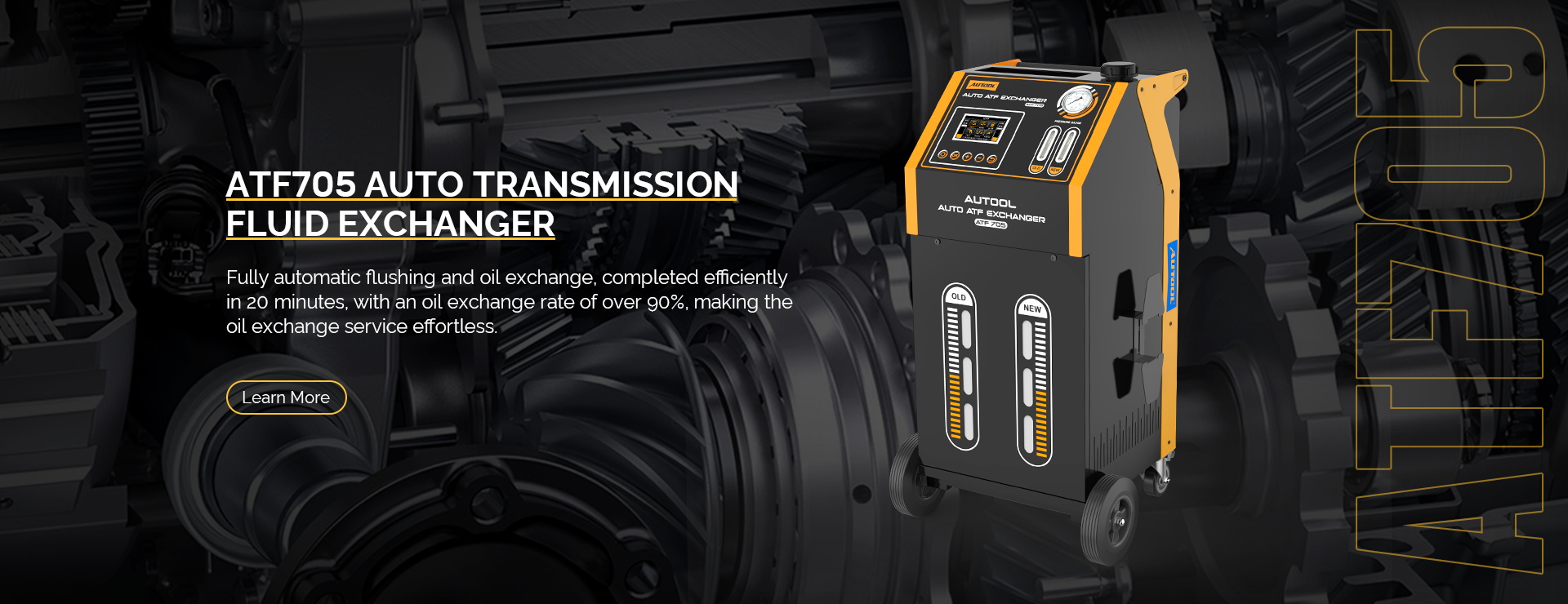
Den mer avancerade metoden för oljebyte är att använda en bromsoljebytesmaskin, eller att ansluta maskinen till avgasskruven på fyrhjulspumpen. Genom att docka maskinens påfyllningsrör med bromsoljekannans skruvlocksöppning blir bromsledningen och oljeväxlaren ett slutet system. Maskinen sprutar in ny olja samtidigt som den gamla oljan sugs in i pumpen. Fördelen är att det inte finns någon läckande olja.
Manuell oljetömning måste kontrollera nivån i bromsvätskebehållaren under tömning av gammal olja. Om den är otillräcklig måste den fyllas på omedelbart. När den väl är tömd är det mycket besvärligt och måste åtgärdas efter flera tömningar. Om bromsvätska rinner till metalldelar och däck måste den spolas omedelbart. Bromsvätska löses upp i vatten, så den kan försvinna när den sköljs med rikligt med vatten. Utan sköljning har bromsvätska en frätande effekt på metall och lack. Den är också lämplig för människokroppen att inte komma i direkt kontakt med den.
Relaterade produkter
Renderas via WooCommerce-produktens kortkod så att korten ärver den globala produktkortsstrukturen och Blocksy/WooCommerce-stilarna.