AUTOOL Blog
Nine Things Every New Vehicle Owner Should Know During Winter Driving

September 3, 2025
Share:
 autoolstore.com
Many new vehicle owners get flustered as soon as winter arrives: the vehicle will not start in the morning, the windows fog up or frost over, and the wipers get stuck. These scenarios can feel like a winter driving failure guide.
In fact, many of these problems are not caused by the vehicle itself, but by mistakes caused by lack of experience. The following nine winter driving points help new vehicle owners protect the vehicle, reduce risk, and avoid unnecessary repairs during the cold season.
The first four things new owners should check
Idling for a long time to warm up the vehicle can lead to carbon deposit, increased fuel consumption, and slower warm-up times.
The correct method is to start the vehicle, wait a few seconds, then release the brake and let the vehicle move forward at idle speed. Drive at low speed for 2-3 minutes until the oil temperature rises, then drive normally. This saves fuel and ensures better lubrication of the engine.
As the temperature drops, regular windshield washer fluid can freeze easily. Once frozen, the cleaning function fails, and expanding ice may rupture the washer fluid pipes, leading to costly repairs.
To avoid these issues, use antifreeze windshield washer fluid in winter so the vehicle maintains a clear view and safer driving in cold weather.
Antifreeze not only prevents freezing, but also serves as a coolant and corrosion inhibitor. If it is used for too long, its performance gradually degrades. Adding water into antifreeze or using water instead of antifreeze can create significant risk.
Once winter arrives, poor-quality or expired antifreeze can cause the engine to freeze internally. It may crack hoses and the radiator, or in severe cases damage the engine block. Before winter, check whether the antifreeze has become cloudy, contains sediment, or has exceeded its service life, and replace it promptly if needed.
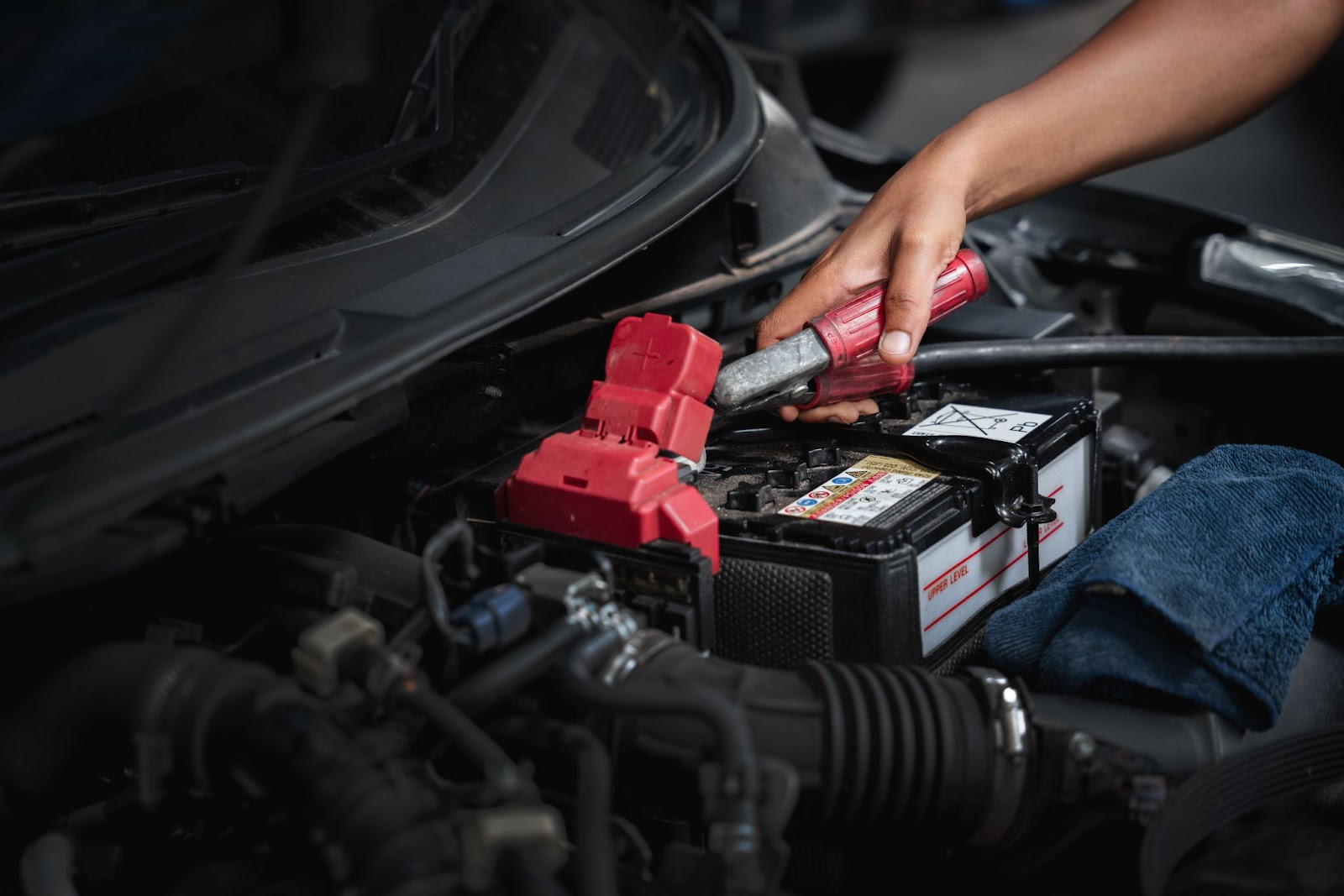
Cold temperatures and frequent use of devices like the heater, air conditioning, and seat warmers all increase the load on the vehicle battery. Battery performance naturally declines in low temperatures, and any existing weakness becomes more obvious in winter.
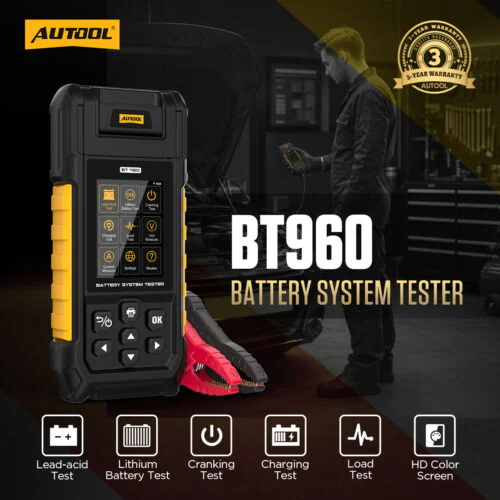
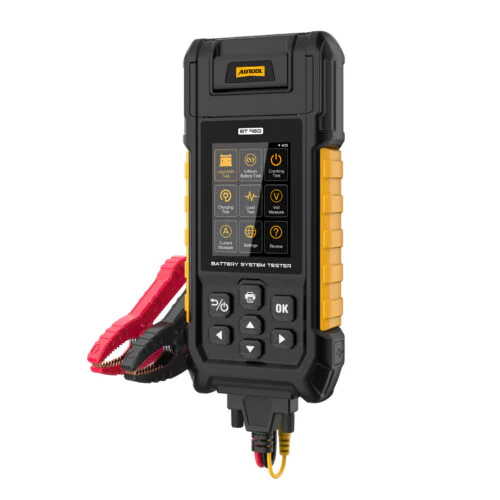
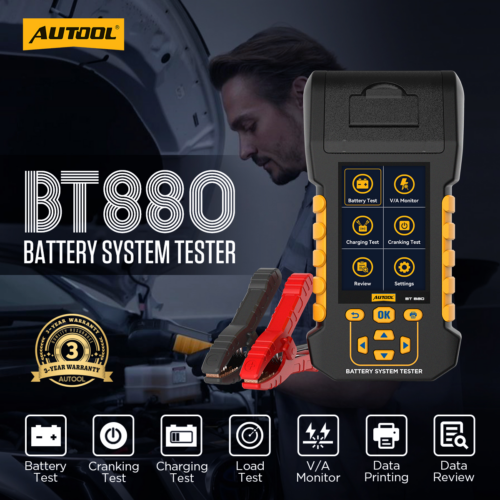
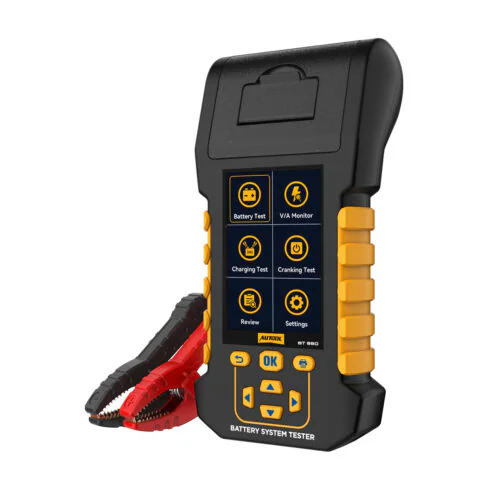
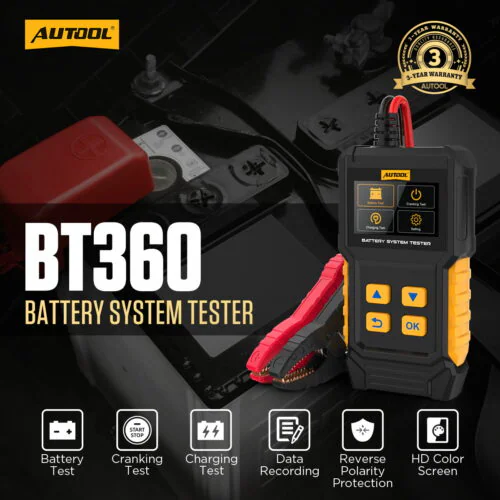
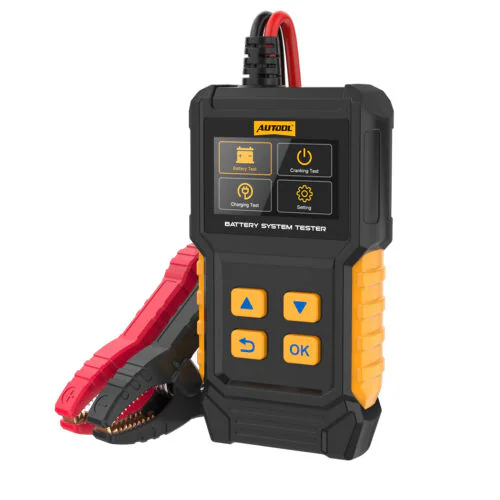
If the vehicle is parked normally at night but will not start the next morning, the battery may have drained in the cold. Check battery health with a vehicle battery tester in advance. If the battery is weak, replace it before it fails.
Recommended battery testing tools
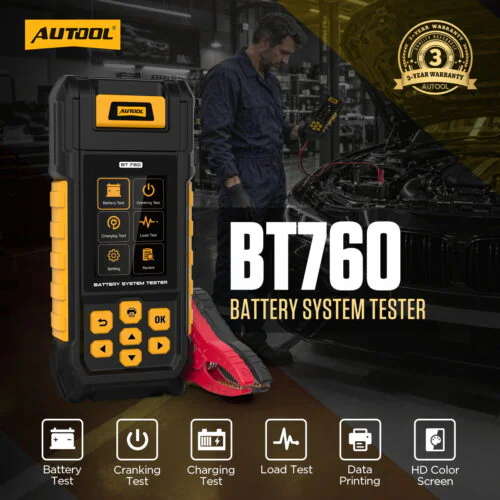
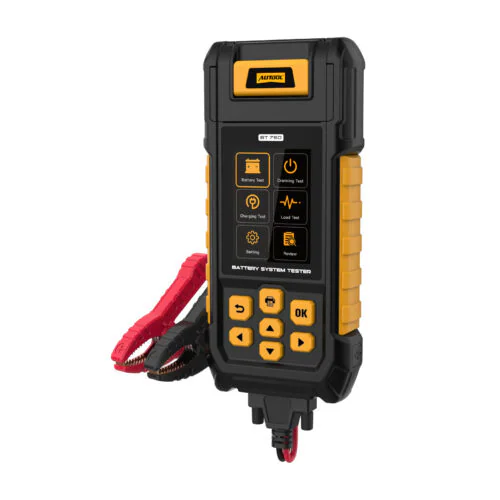
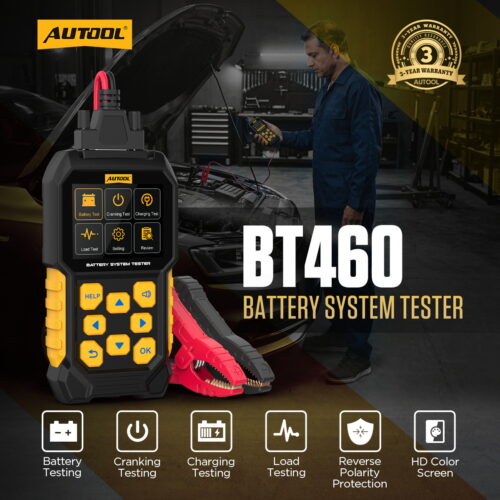
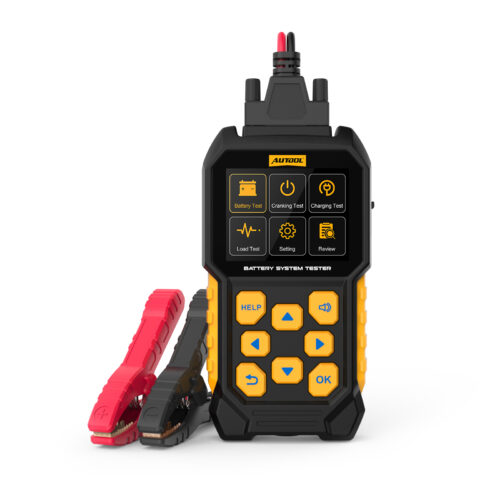
The original battery tester recommendations for this guide include AUTOOL BT960, BT880, BT760, BT460, and BT360. These tools help owners and technicians check battery condition before winter starting problems appear.
Tires, wipers, and glass defogging
When the weather gets colder, thermal expansion and contraction causes tire pressure to decrease. Low tire pressure increases the risk of uneven tire wear and can also lead to tire blowouts at high speeds.
During the cold season, regularly check tire pressure and top it up when necessary. Do not overinflate the tires, because excessively high tire pressure can reduce traction and driving safety. Most vehicles list the recommended tire pressure on the B-pillar near the passenger door.
In cold weather, wiper blades can freeze to the windshield. Forcing the wipers to move, pouring boiling water on them, or turning on the wipers forcefully can damage the wiper blades, windshield, or wiper motor.
The correct method is to start the engine and allow the water temperature to rise gradually. Then turn on the heater and front windshield defogging function so the wiper blades thaw naturally. If the vehicle has a heated front windshield, it can also be used for convenience.
In winter, fogging on the windshield is mainly caused by the temperature difference between the inside and outside of the vehicle. Warm air meets cold glass and condenses into fog, blocking the driver’s view.
Brake fluid and engine oil
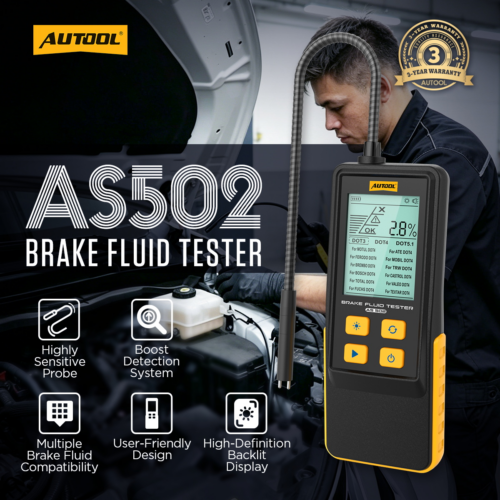
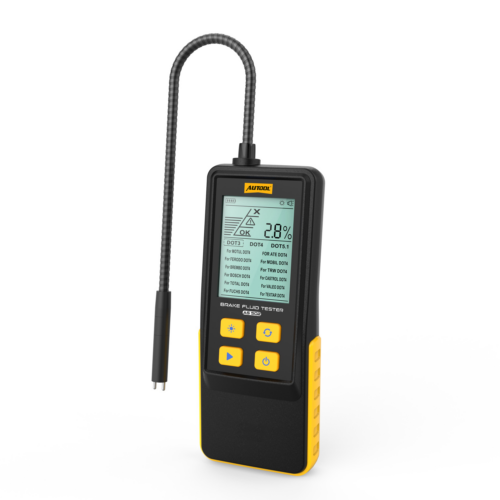
Brakes are crucial for driving safety, especially on snowy and icy roads. If you hear loud brake noises or notice that it takes longer than usual for the vehicle to stop, it may be time to consider replacing the brake fluid.
The recommended replacement cycle is usually every 2 years or around 40,000 kilometers, but the final decision should be based on the actual usage conditions of the vehicle.
The engine contains many high-speed moving metal parts, such as pistons, crankshaft, and camshaft. Engine oil forms a protective film on their surfaces to reduce friction and wear.
If the oil deteriorates or is insufficient, it can lead to direct metal-on-metal contact, potentially scoring the cylinder walls or damaging the bearings. Regularly checking and changing engine oil can reduce internal wear, maintain performance, and extend the vehicle’s lifespan.
Brake fluid and oil inspection tools
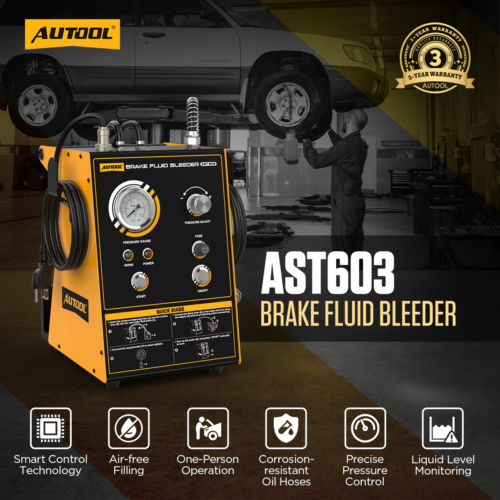
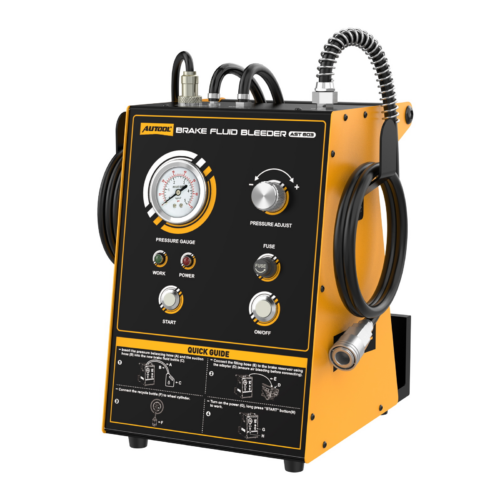
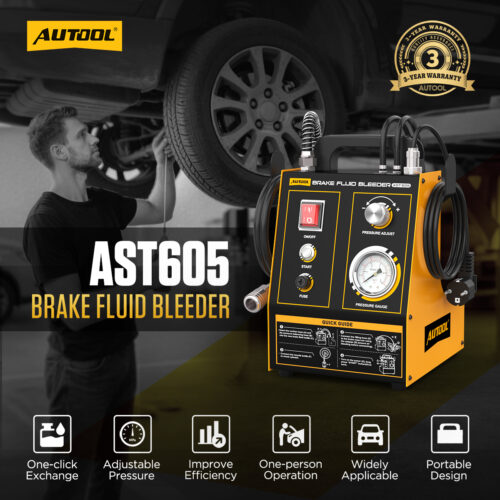
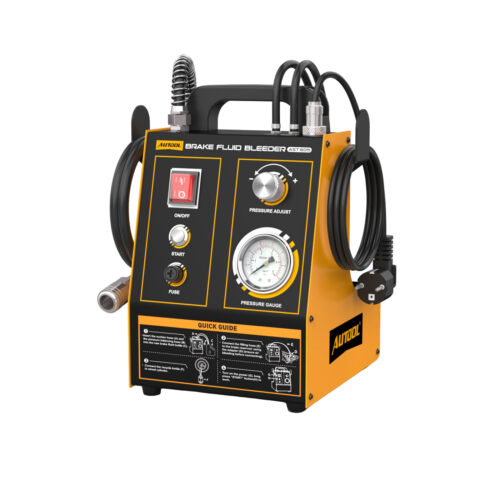
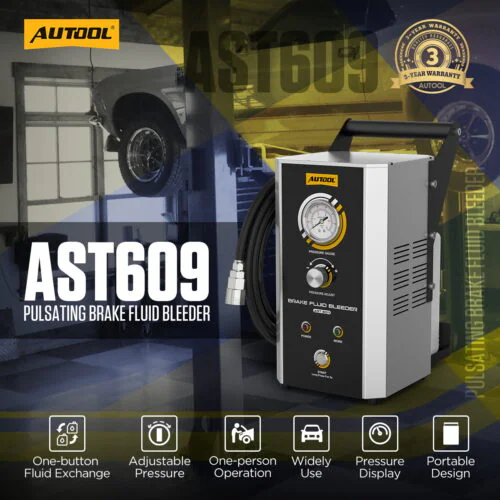
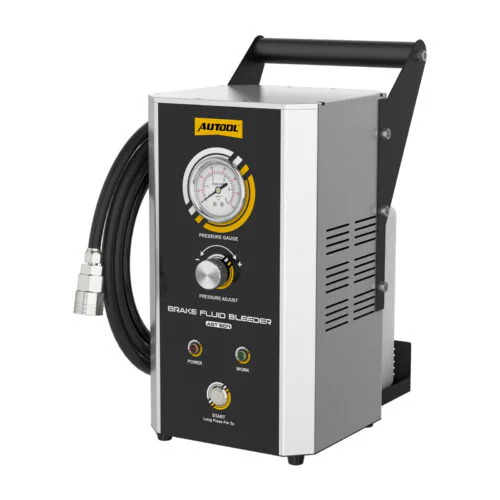
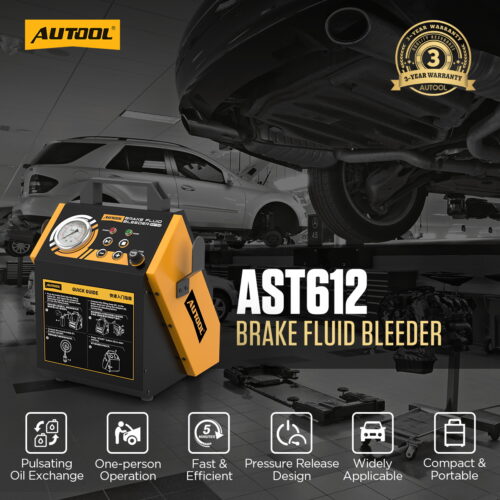
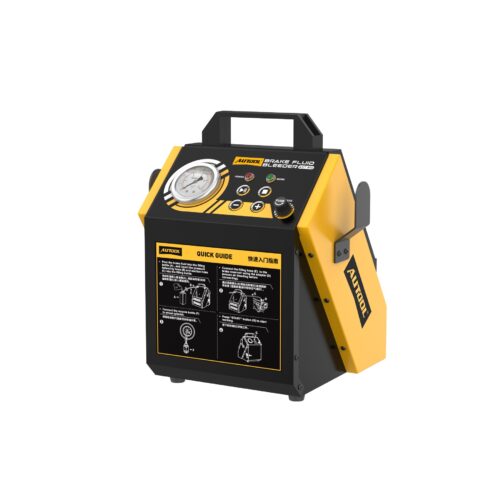
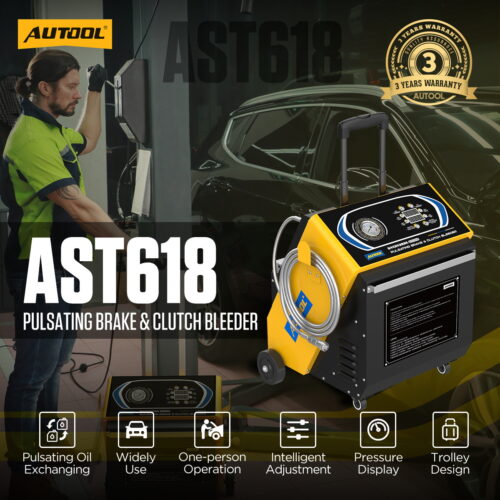
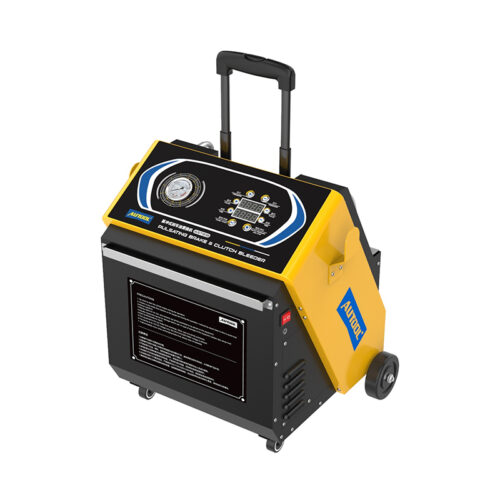
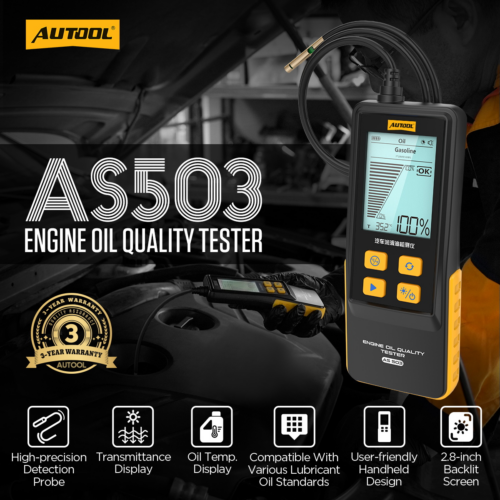
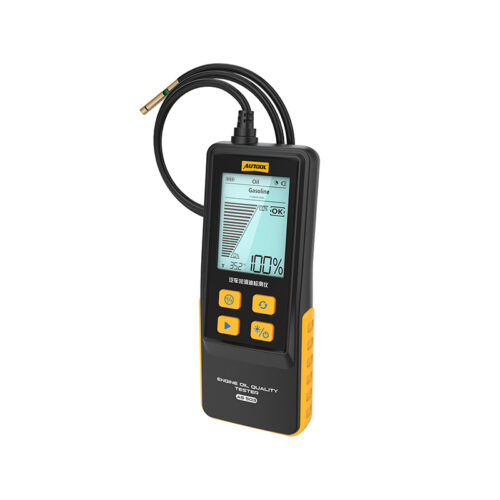
The original maintenance recommendations for this guide include AUTOOL AS502, AST603, AST605, AST609, AST612, AST618, and AS503. These tools help inspect brake fluid condition, support brake fluid service, and check engine oil condition.
Pay attention to the nine key winter driving points above, covering tire pressure, windshield washer fluid, antifreeze measures, wiper usage, windshield defogging, brake fluid, and engine oil. By following the correct procedures during daily driving, new vehicle owners can reduce winter driving risks, protect vehicle performance, and make winter travel safer and more comfortable.
If you need more tools used by repair shops, click below for more details.
WhatsApp: +86 18926477404
Email: [email protected]
Related Products
Rendered through WooCommerce product shortcode so the cards inherit the global product-card structure and Blocksy/WooCommerce styles.