AUTOOL Blog, Purchase Guides
AUTOOL HTS709 Dry Ice Blaster for GDI Engine Carbon Cleaning

November 14, 2025
Share:
 autoolstore.com
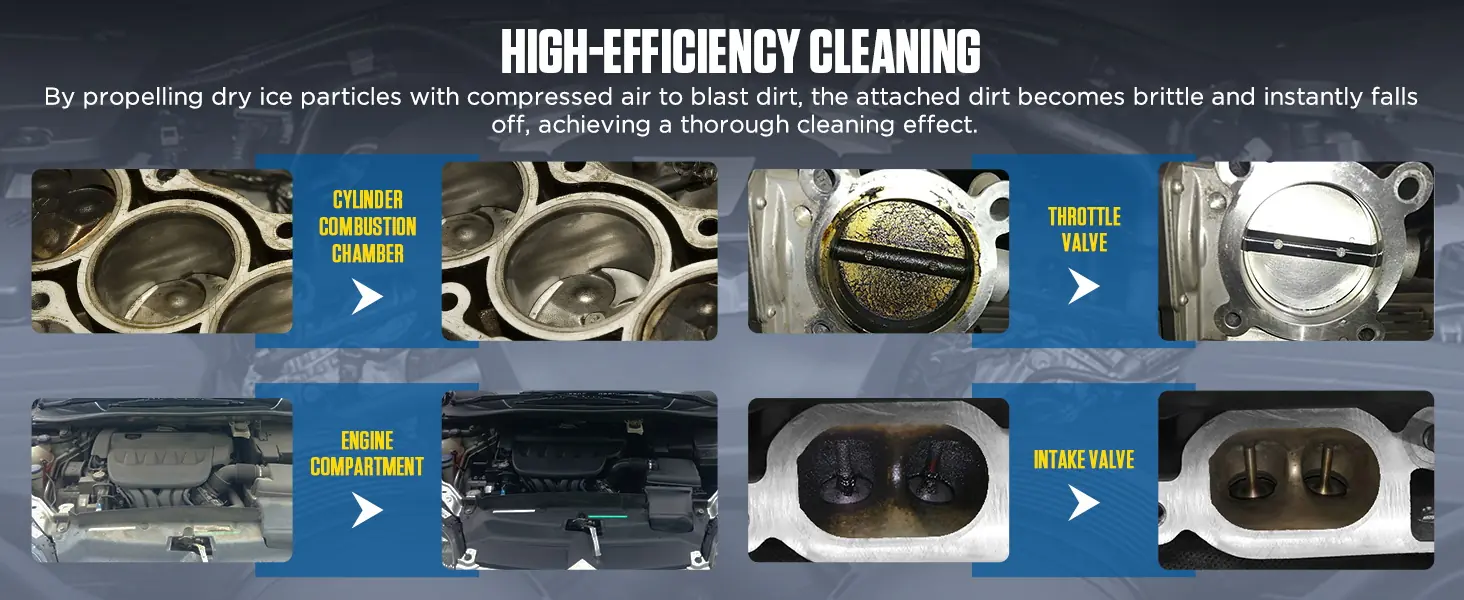
For car owners and professional workshops aiming to maintain peak vehicle performance, engine carbon buildup is a critical concern. Over time, carbon deposits accumulate on intake valves, intake runners, fuel injectors, and inside the combustion chamber, especially in GDI (Gasoline Direct Injection) engines. These deposits can cause reduced power, higher fuel consumption, rough idling, and even engine knocking.
Traditional carbon cleaning methods are often limited in effectiveness or require engine disassembly, which is time-consuming and labor-intensive. With advances in automotive maintenance, dry ice blasting machines have emerged as a faster, safer, and more professional solution.
The AUTOOL HTS709 dry ice blaster machine offers high cleaning efficiency, precise control, and cost-effectiveness, making it a preferred tool for many professional repair shops. This guide covers the causes of carbon buildup, compares different cleaning methods, highlights the advantages of dry ice cleaning, and explains why the HTS709 is changing GDI engine maintenance.
GDI engine deposits
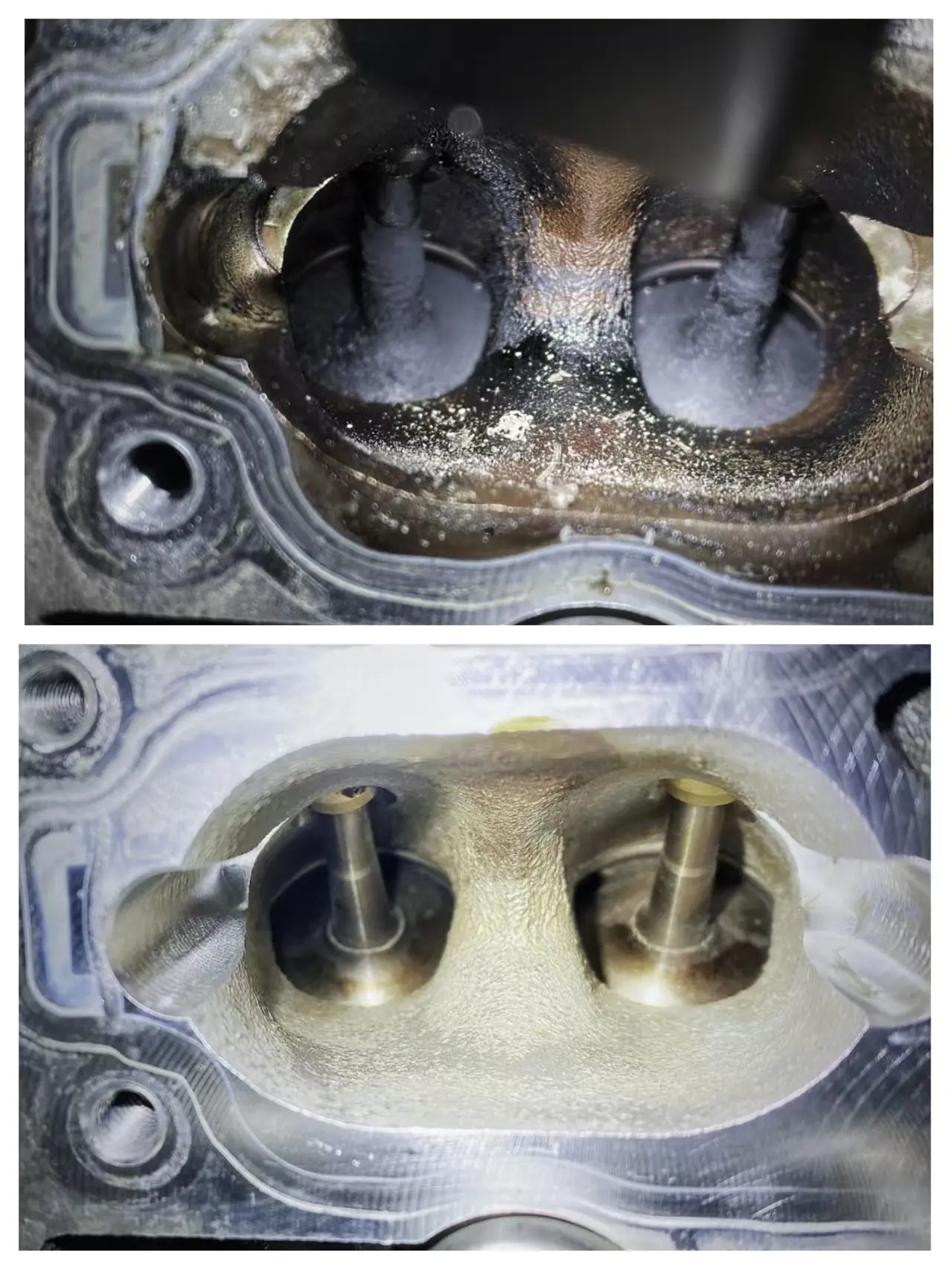
Carbon buildup primarily results from incomplete fuel combustion. When the air-fuel mixture does not burn completely, tiny carbon particles adhere to engine surfaces. Over thousands of miles, these deposits accumulate and form hard, stubborn layers that are difficult to remove.
In GDI engines, fuel is injected directly into the combustion chamber rather than the intake manifold. While this design improves fuel efficiency and performance, it also eliminates the natural washing effect that fuel has on intake valves. Oil vapors from the PCV system and exhaust gases from the EGR system can settle on the valves and accelerate carbon buildup.
Excessive carbon deposits can severely impact engine performance:
Traditional options
For decades, mechanics have relied on two primary approaches to remove carbon: chemical cleaners or fuel additives, and manual cleaning such as walnut sand blasting. Both can be useful, but they do not solve every GDI carbon-cleaning problem.
These involve adding cleaning agents to the fuel or directly into the intake system. They can help with light carbon buildup, but they struggle with the stubborn deposits common in GDI engines. Harsh chemicals may also damage gaskets, seals, and other precision engine components.
This method requires disassembling parts of the engine to access the intake valves, then blasting the surface with crushed walnut shells. It is effective and relatively affordable, but it increases labor cost and vehicle downtime.
Both approaches can involve long vehicle downtime and high labor costs, which is why many shops adopt more advanced solutions for GDI engine service.
Residue-free cleaning
Dry ice blasting is a non-abrasive, eco-friendly, and efficient cleaning method. Solid CO2 pellets are propelled at high speed using compressed air. Upon impact, they sublimate instantly and create a micro-explosion that removes carbon deposits without damaging the underlying surfaces.
Compared with chemical cleaning or walnut shell blasting, dry ice blasting machines for cars offer faster, safer, and more cost-effective GDI engine maintenance.
AUTOOL HTS709
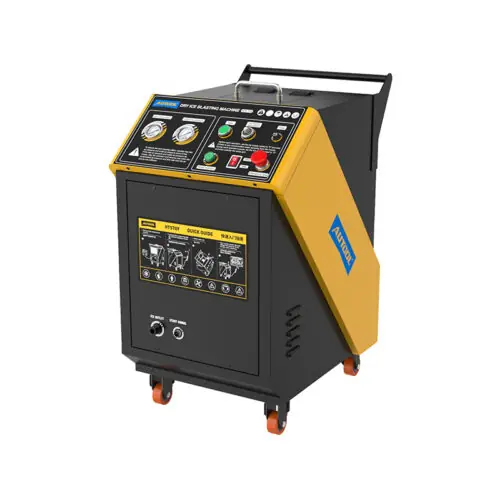
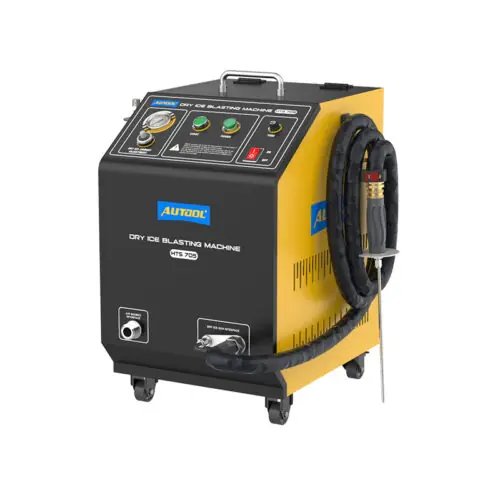
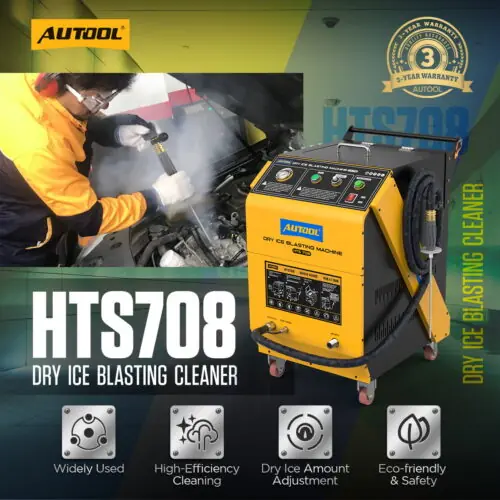
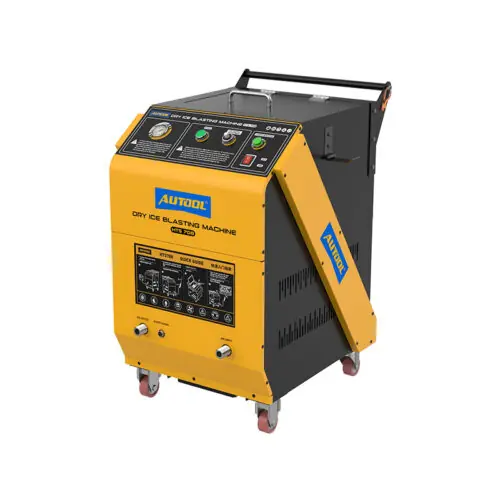
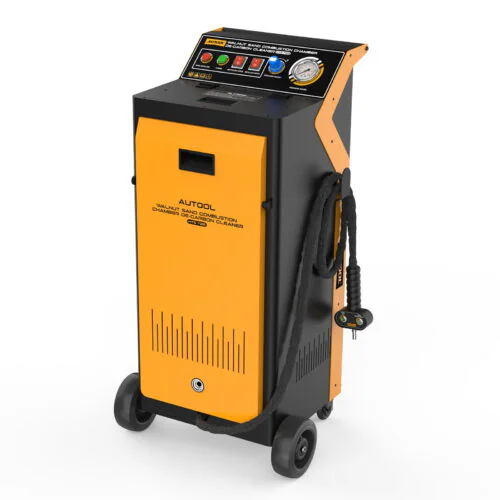
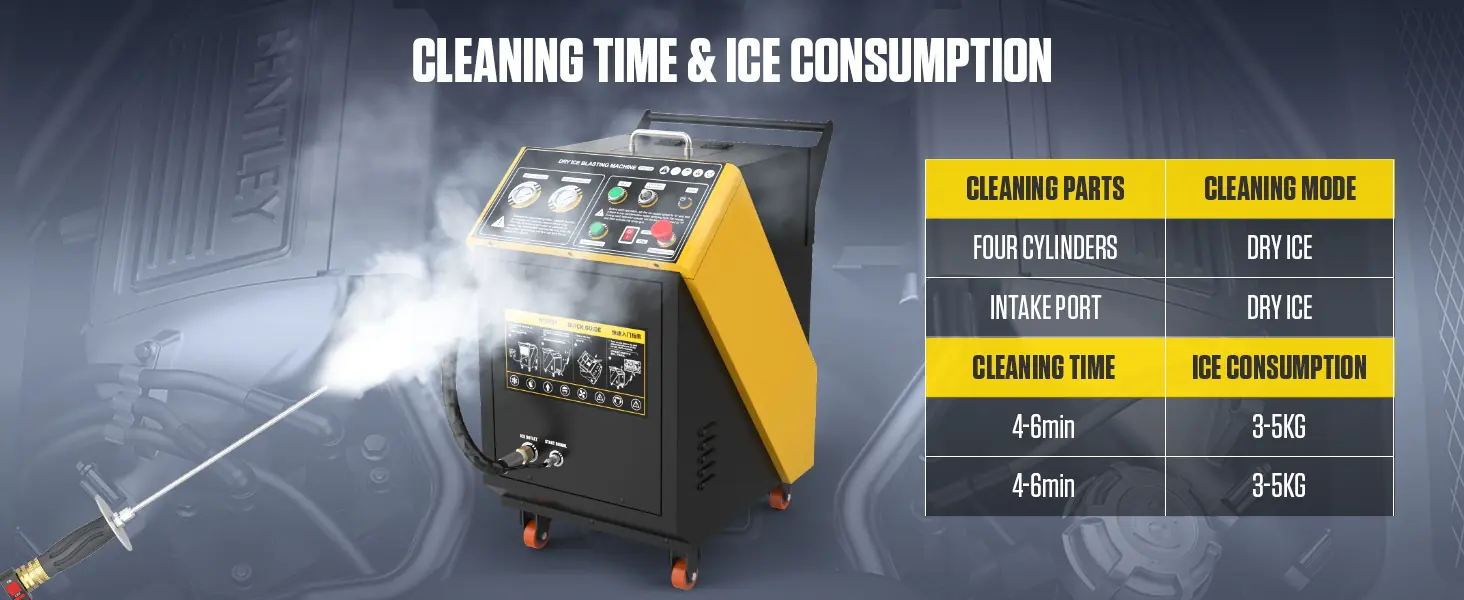
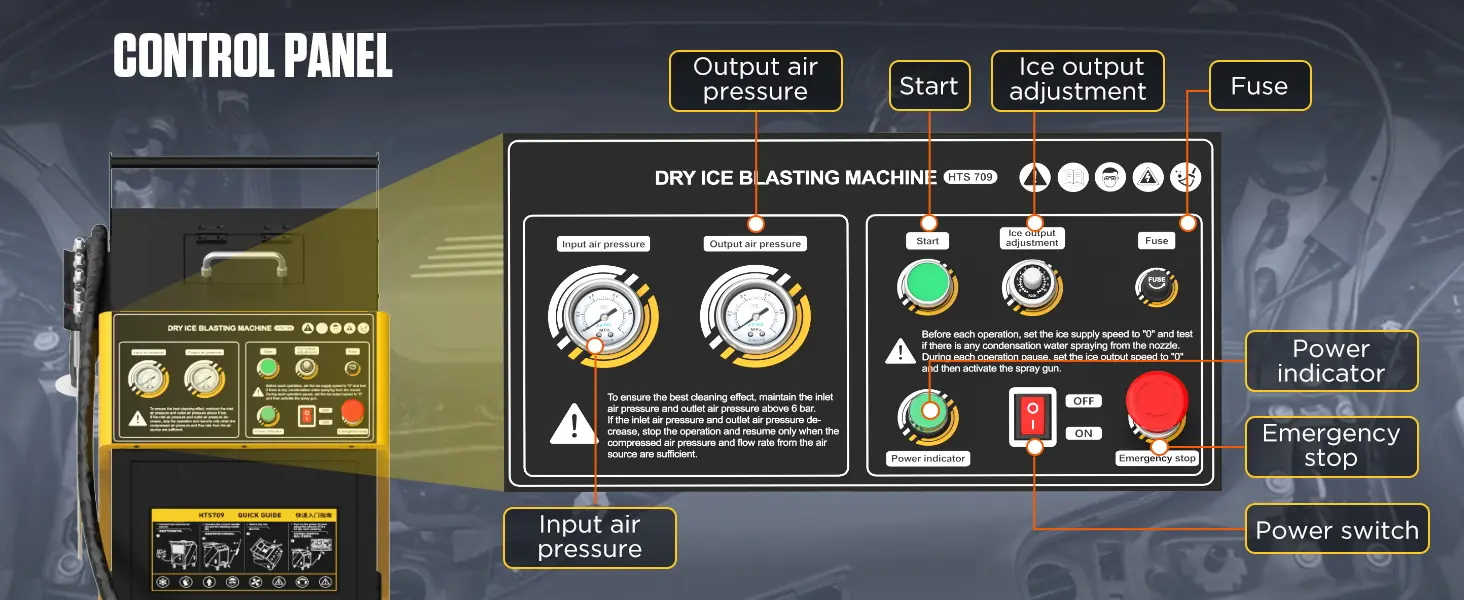
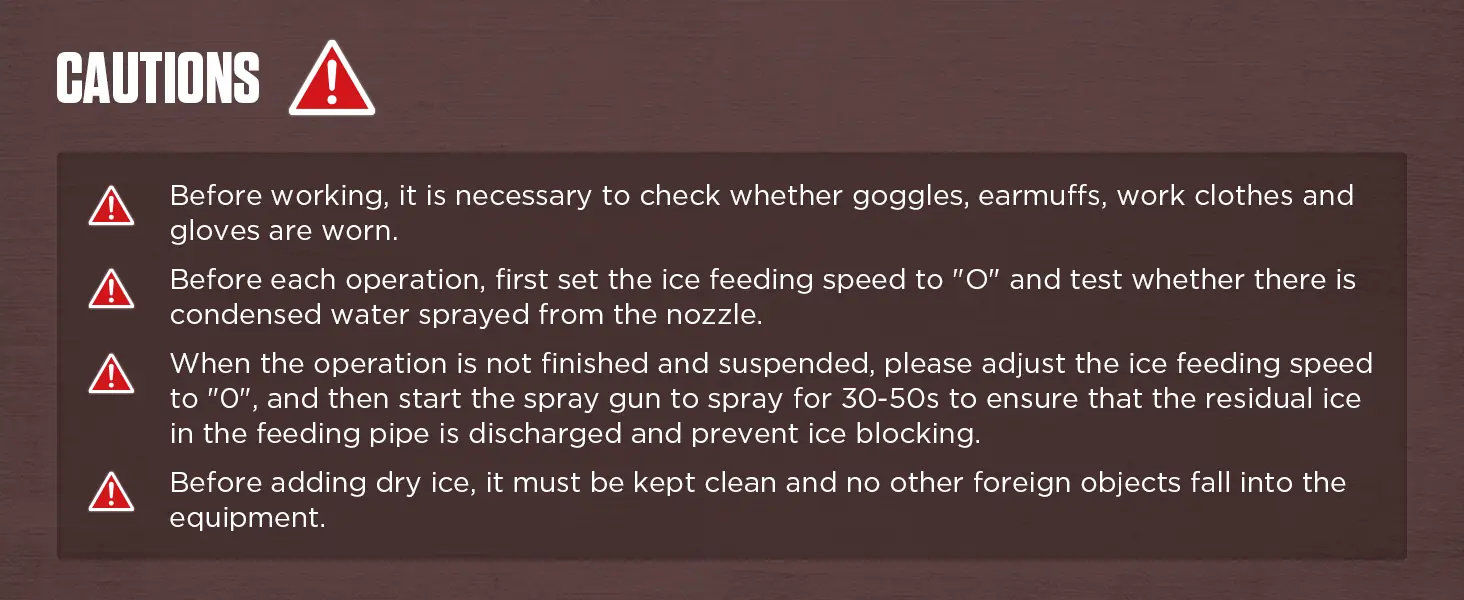
The AUTOOL HTS709 dry ice blaster machine is specifically designed for automotive maintenance, making it ideal for GDI engine carbon cleaning.
Cost and efficiency
As the table shows, a dry ice blaster cleaning machine has significant advantages in time, risk, and cleaning effect. It cleans quickly, does not damage engine parts when used correctly, and does not create secondary waste, making it efficient and environmentally friendly.
| Method | Average Time | Cost (USD) | Damage Risk | Residue |
|---|---|---|---|---|
| Chemical Cleaners | 2-4 hours | 150-300 | Low to medium | Chemical waste |
| Walnut Shell Blasting | 6-8 hours | 500-800 | Medium | Shell particles |
| Dry Ice Blasting | 1-2 hours | 300-500 | Very low | None |
Beyond engine carbon cleaning
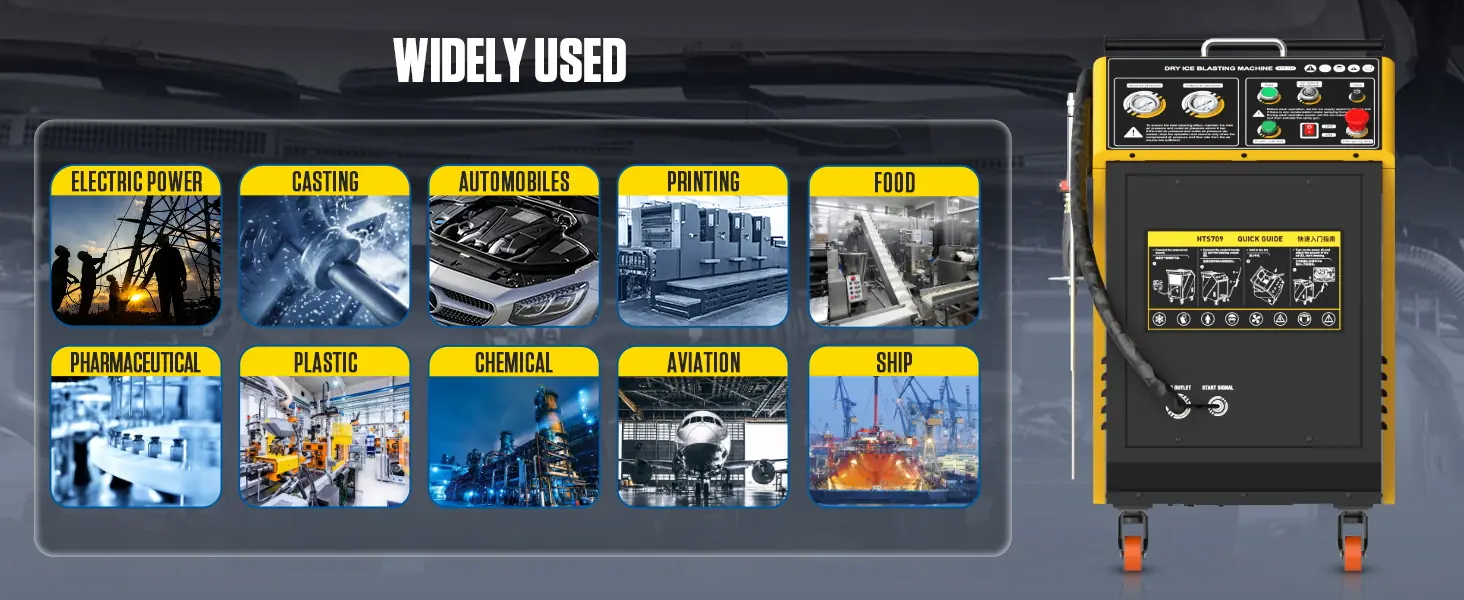
The AUTOOL HTS709 is versatile and can handle multiple automotive cleaning tasks:
This versatility makes the HTS709 a multi-functional tool for professional repair shops, car detailers, and mobile services.
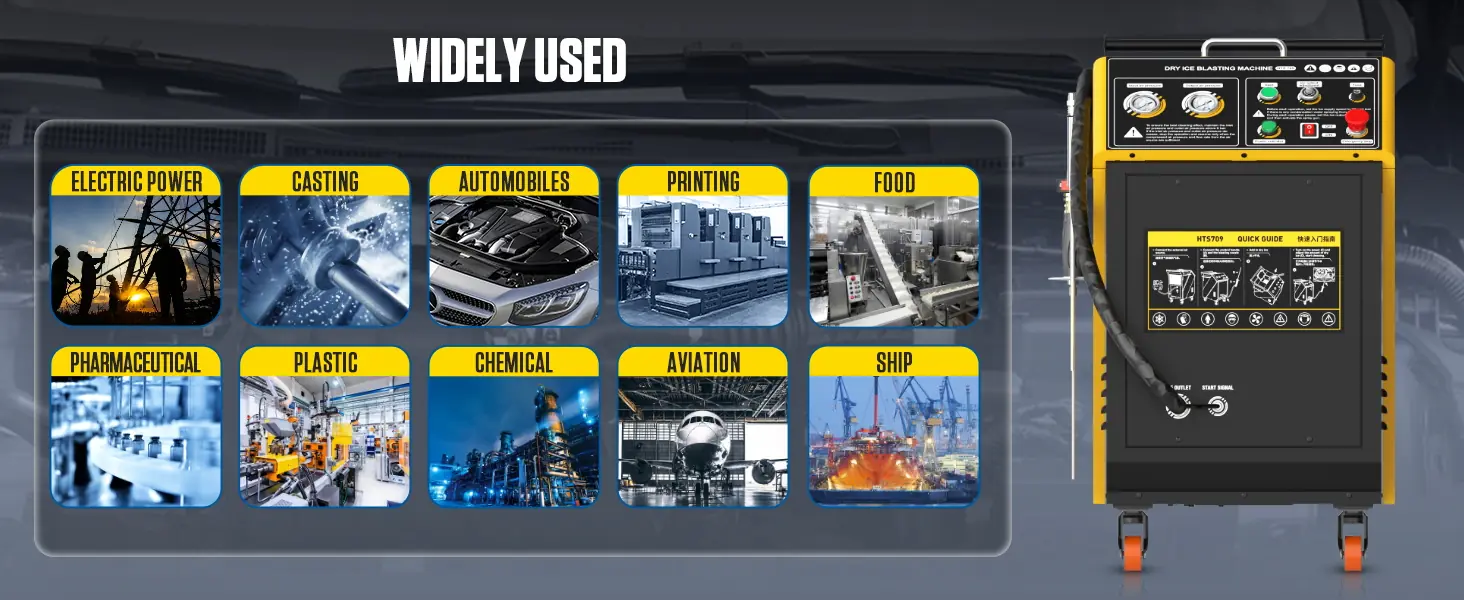
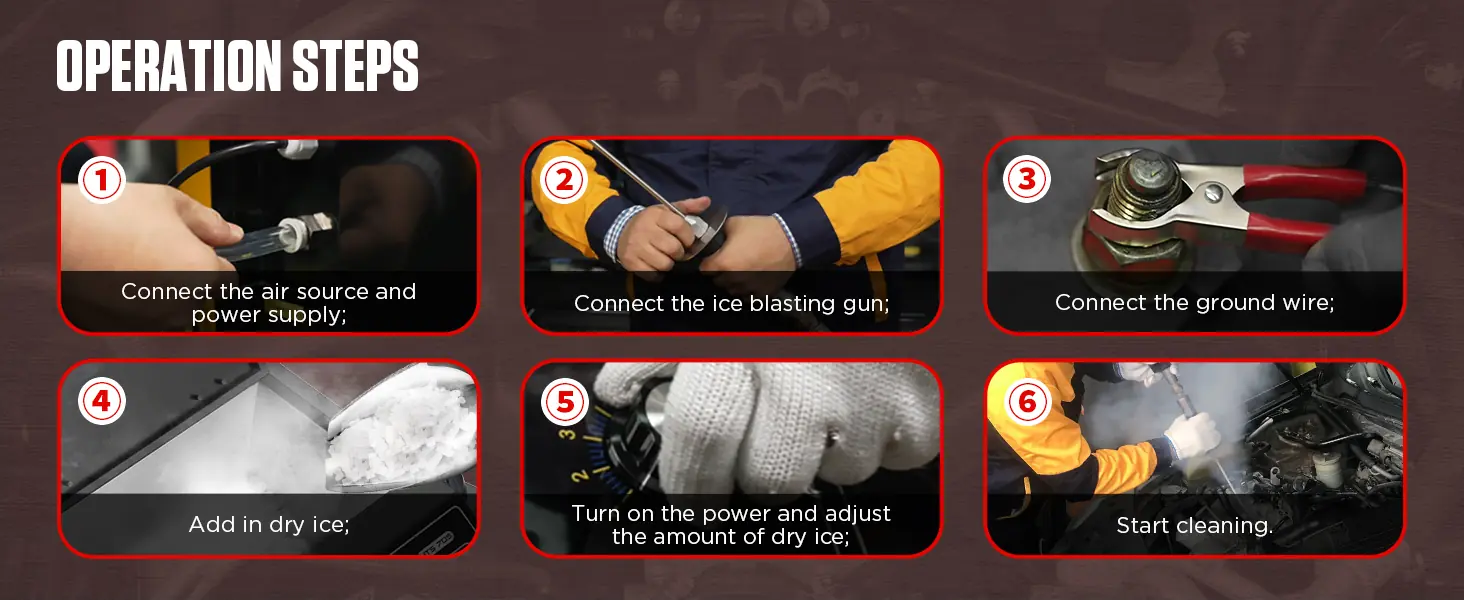
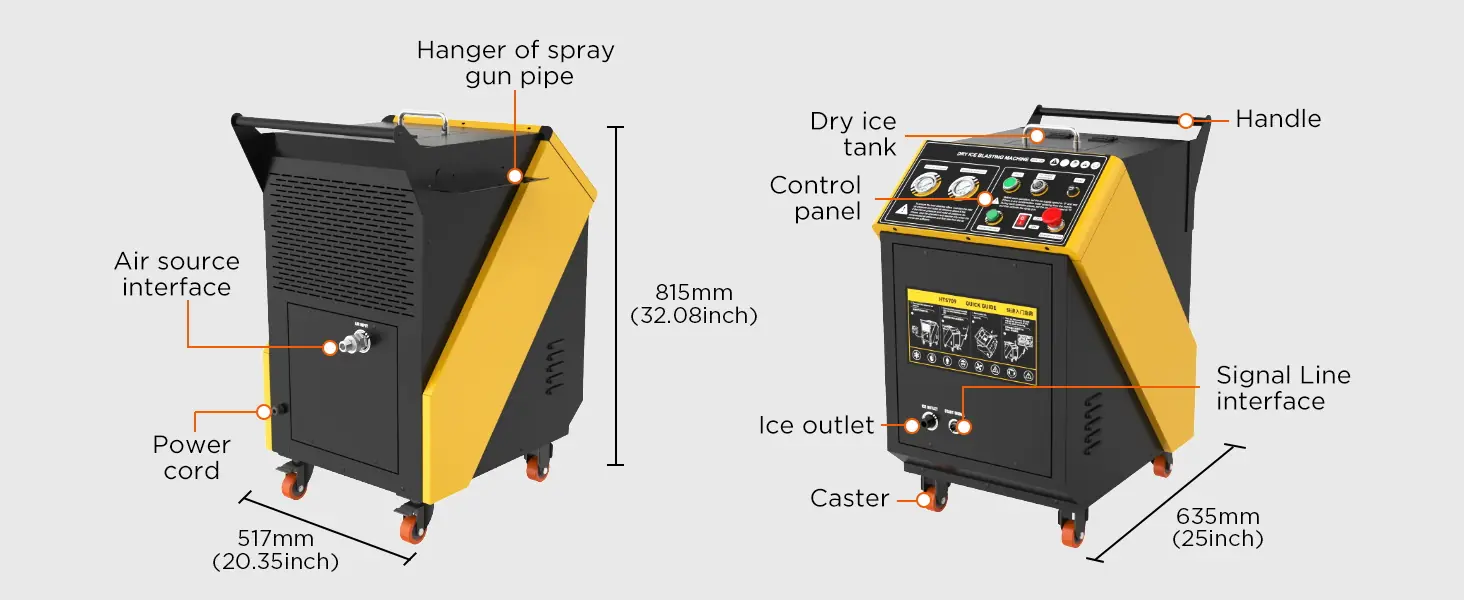
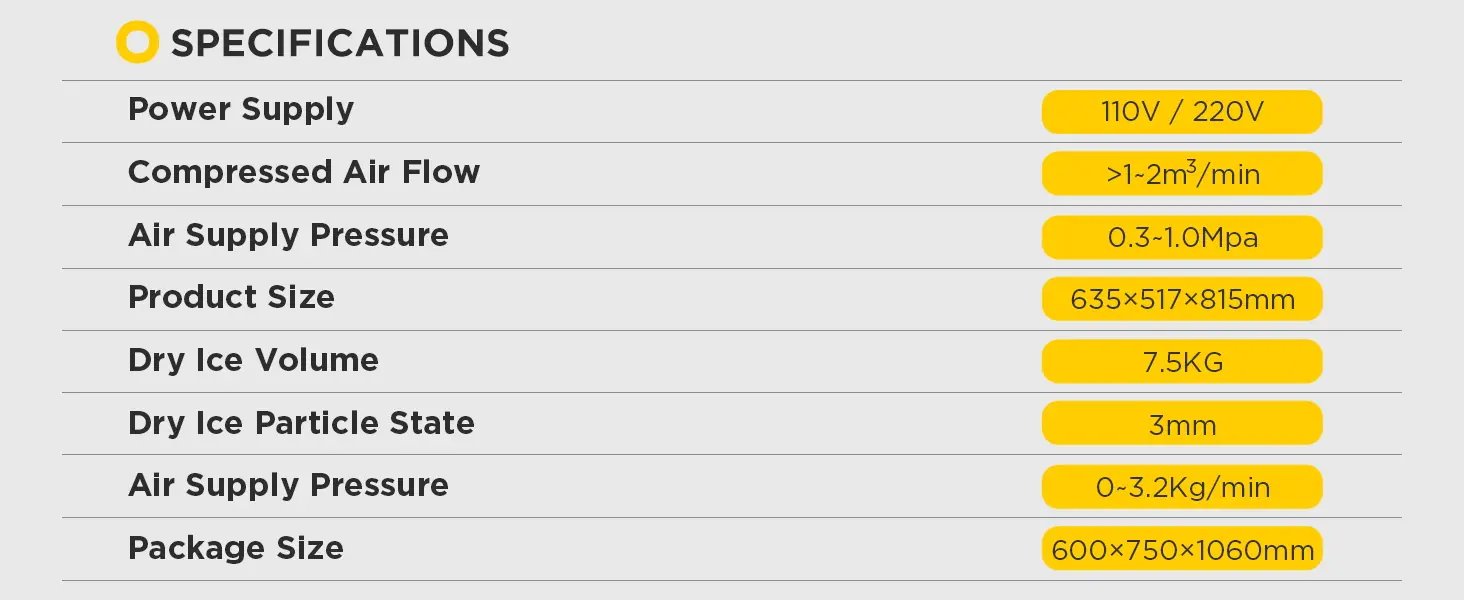
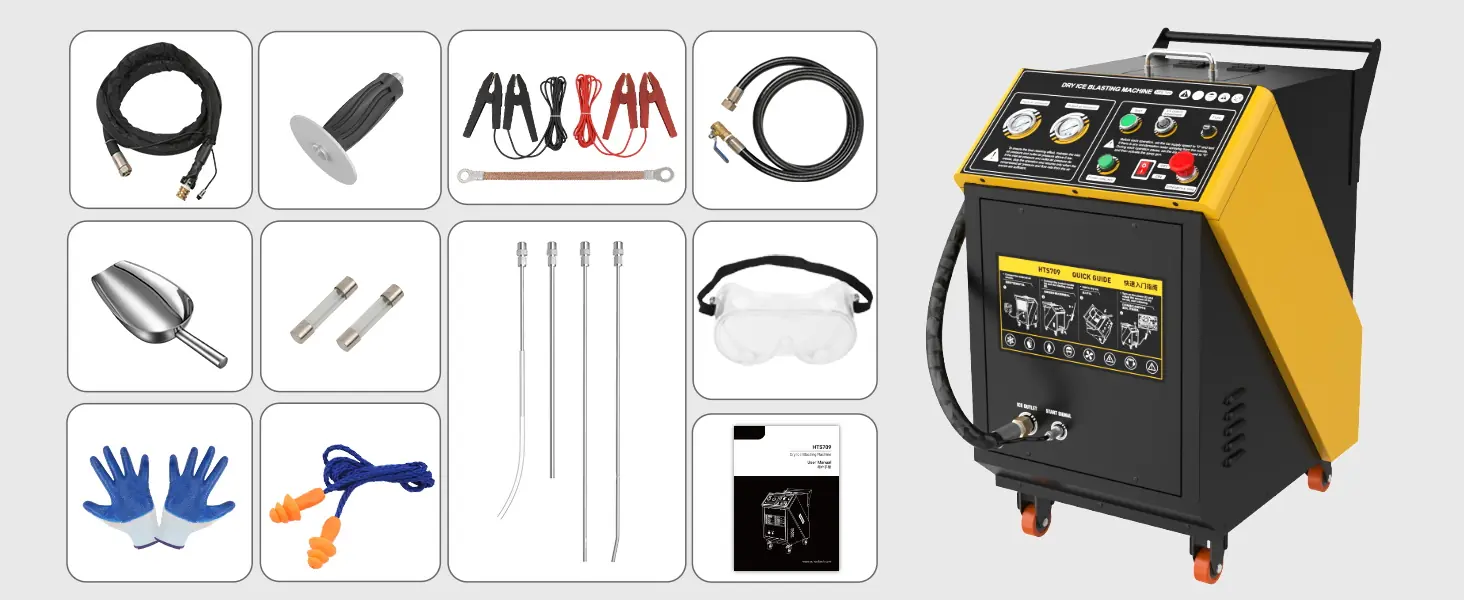
The AUTOOL HTS709 dry ice blaster machine offers a powerful, precise, efficient, and eco-friendly solution for engine carbon cleaning. It restores engine performance without disassembly or corrosive chemicals, reducing downtime and repair costs.
With multi-functional applications, the HTS709 is not only ideal for GDI engine cleaning, but also for engine bay, chassis, suspension, and classic car maintenance. It is a practical tool for professional repair shops and automotive detailers worldwide.
Contact AUTOOL to enjoy a 10% discount for new customers and a 3-year warranty.
Related Products
Rendered through WooCommerce product shortcode so the cards inherit the same product-card structure used by the reference post.