AUTOOL Blog
Negen dingen die elke nieuwe voertuigeigenaar moet weten bij rijden in de winter

september 3, 2025
Deel:
 autoolstore.com
Veel nieuwe autobezitters raken gefrustreerd zodra de winter aanbreekt: de auto start 's ochtends niet, de ramen beslaan of bevriezen, en de ruitenwissers lopen vast. Deze situaties kunnen aanvoelen als een handleiding voor autorijden in de winter.
Veel van deze problemen worden in feite niet veroorzaakt door het voertuig zelf, maar door fouten die voortkomen uit gebrek aan ervaring. De volgende negen tips voor autorijden in de winter helpen nieuwe autobezitters hun voertuig te beschermen, risico's te verminderen en onnodige reparaties tijdens het koude seizoen te voorkomen.
De eerste vier dingen die nieuwe eigenaren moeten controleren
Langdurig stationair draaien om de motor op te warmen kan leiden tot koolstofafzetting, een hoger brandstofverbruik en een langere opwarmtijd.
De juiste methode is om de motor te starten, een paar seconden te wachten, vervolgens de rem los te laten en de motor stationair te laten draaien. Rijd 2-3 minuten op lage snelheid totdat de olietemperatuur is gestegen, en rijd daarna normaal. Dit bespaart brandstof en zorgt voor een betere smering van de motor.
Bij dalende temperaturen kan gewone ruitenwisservloeistof gemakkelijk bevriezen. Eenmaal bevroren, werkt de ruitenwisser niet meer en kan het uitzettende ijs de leidingen van de ruitenwisservloeistof beschadigen, wat tot dure reparaties kan leiden.
Om deze problemen te voorkomen, gebruik in de winter antivriesvloeistof voor de ruitenwissers, zodat het voertuig helder zicht behoudt en veiliger rijdt bij koud weer.
Antivries voorkomt niet alleen bevriezing, maar dient ook als koelvloeistof en corrosieremmer. Bij langdurig gebruik neemt de werking geleidelijk af. Het toevoegen van water aan antivries of het gebruiken van water in plaats van antivries kan aanzienlijke risico's met zich meebrengen.
Zodra de winter aanbreekt, kan antivries van slechte kwaliteit of een verlopen antivriesmiddel ervoor zorgen dat de motor intern bevriest. Dit kan leiden tot scheuren in slangen en de radiateur, of in ernstige gevallen zelfs tot schade aan het motorblok. Controleer vóór de winter of de antivries troebel is geworden, bezinksel bevat of de houdbaarheidsdatum heeft overschreden, en vervang deze indien nodig direct.
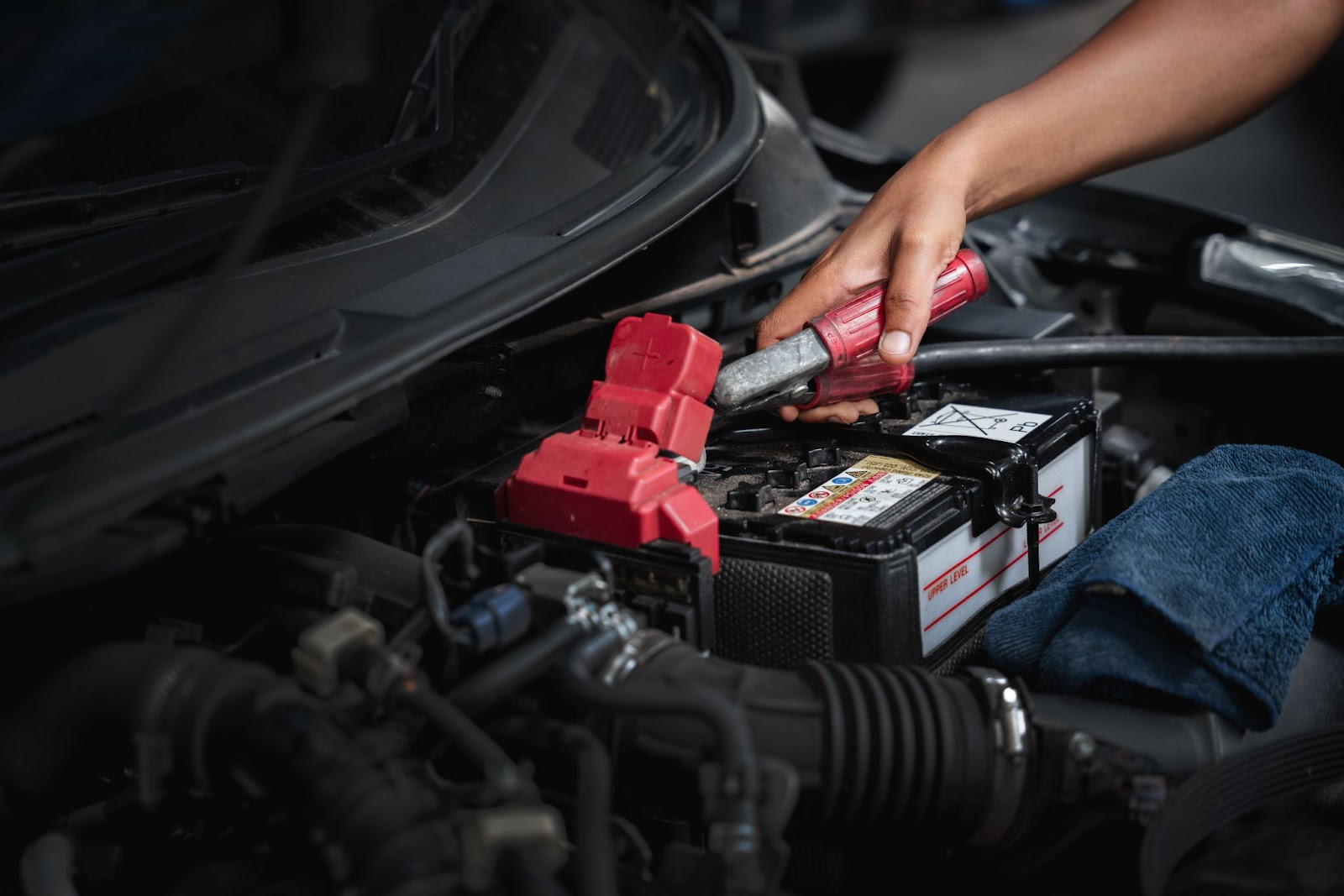
Koude temperaturen en frequent gebruik van apparaten zoals de verwarming, airconditioning en stoelverwarming verhogen de belasting van de voertuigaccu. De prestaties van de accu nemen van nature af bij lage temperaturen en eventuele zwakke plekken worden in de winter duidelijker merkbaar.
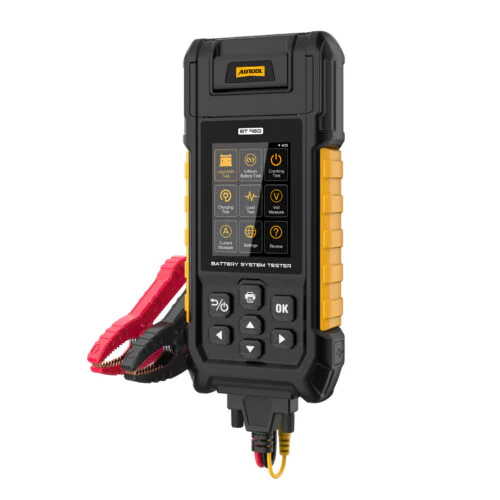
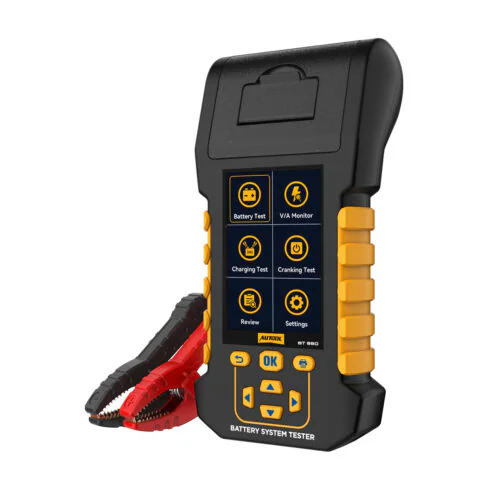
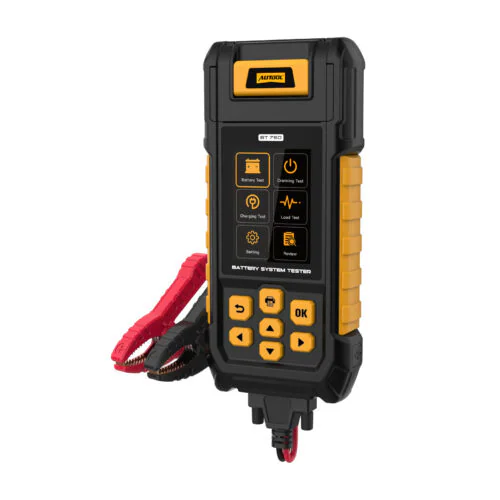
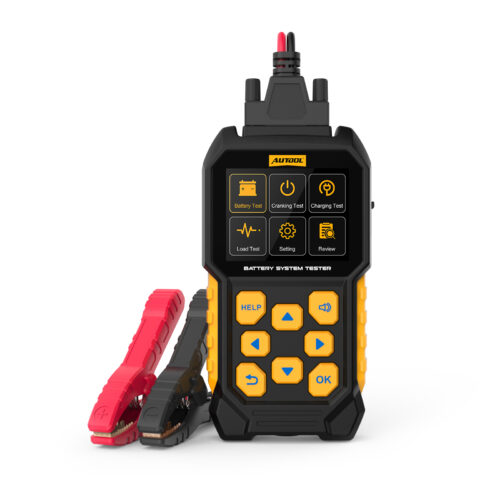
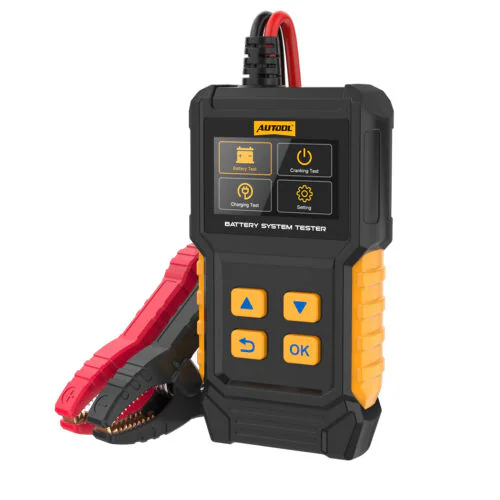
Als de auto 's nachts normaal geparkeerd staat maar de volgende ochtend niet start, kan de accu door de kou leeggelopen zijn. Controleer de accuconditie vooraf met een accutester. Als de accu zwak is, vervang hem dan voordat hij het begeeft.
Aanbevolen hulpmiddelen voor het testen van accu's
De oorspronkelijke aanbevelingen voor accutesters in deze handleiding omvatten: AUTOOL BT960, BT880, BT760, BT460, En BT360. Deze hulpmiddelen helpen eigenaren en monteurs de conditie van de accu te controleren voordat er in de winter startproblemen optreden.
Banden, ruitenwissers en ontwaseming van de ruiten
Bij kouder weer zorgt thermische uitzetting en krimp ervoor dat de bandenspanning afneemt. Een lage bandenspanning verhoogt het risico op ongelijkmatige slijtage van de banden en kan bovendien leiden tot een klapband bij hoge snelheden.
Controleer tijdens het koude seizoen regelmatig de bandenspanning en vul deze indien nodig bij. Pomp de banden niet te hard op, want een te hoge bandenspanning kan de grip en de rijveiligheid verminderen. De aanbevolen bandenspanning staat bij de meeste auto's vermeld op de B-stijl, vlakbij de passagiersdeur.
Bij koud weer kunnen ruitenwissers vastvriezen aan de voorruit. Door de ruitenwissers met geweld te bewegen, er kokend water overheen te gieten of ze met kracht aan te zetten, kunnen de ruitenwissers, de voorruit of de ruitenwissermotor beschadigd raken.
De juiste methode is om de motor te starten en de watertemperatuur geleidelijk te laten oplopen. Schakel vervolgens de verwarming en de ontwasemingsfunctie van de voorruit in, zodat de ruitenwissers op natuurlijke wijze ontdooien. Als de auto een verwarmde voorruit heeft, kan deze ook voor extra gemak worden gebruikt.
In de winter wordt condensvorming op de voorruit voornamelijk veroorzaakt door het temperatuurverschil tussen de binnen- en buitenkant van de auto. Warme lucht komt in contact met koud glas en condenseert tot mist, waardoor het zicht van de bestuurder wordt belemmerd.
Remvloeistof en motorolie
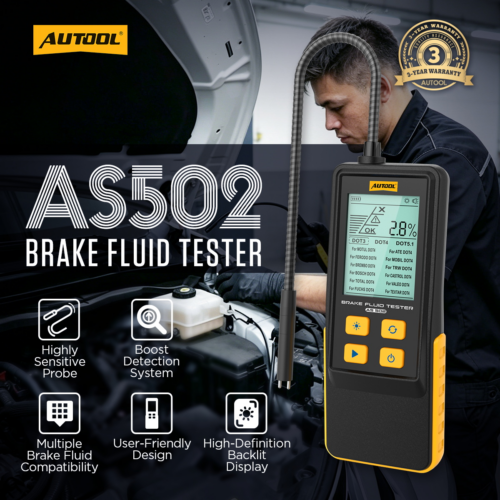
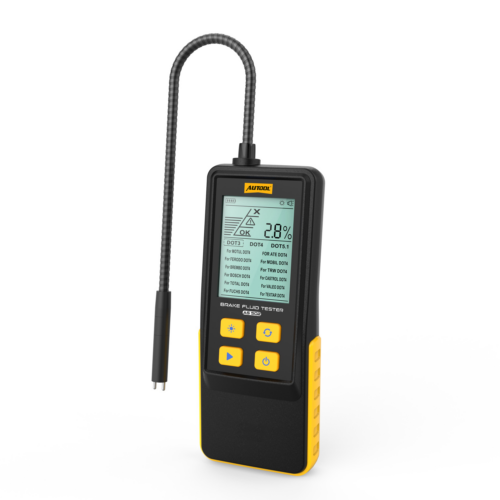
Remmen zijn cruciaal voor de verkeersveiligheid, vooral op besneeuwde en ijzige wegen. Als u luide remgeluiden hoort of merkt dat het langer duurt dan normaal voordat de auto stopt, is het wellicht tijd om de remvloeistof te vervangen.
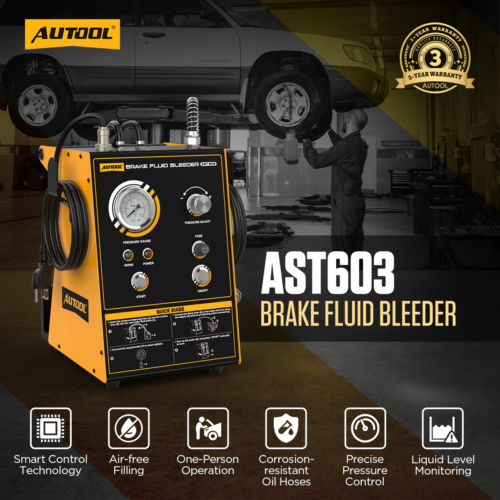
De aanbevolen vervangingscyclus is doorgaans elke 2 jaar of ongeveer 40.000 kilometer, maar de uiteindelijke beslissing moet gebaseerd zijn op de feitelijke gebruiksomstandigheden van het voertuig.
De motor bevat veel snel bewegende metalen onderdelen, zoals zuigers, krukas en nokkenas. Motorolie vormt een beschermende film op hun oppervlakken om wrijving en slijtage te verminderen.
Als de olie verslechtert of onvoldoende aanwezig is, kan dit leiden tot direct metaal-op-metaalcontact, waardoor de cilinderwanden mogelijk beschadigd raken of de lagers bekrast worden. Door de motorolie regelmatig te controleren en te verversen, kan interne slijtage worden verminderd, de prestaties behouden blijven en de levensduur van het voertuig worden verlengd.
Gereedschap voor het controleren van remvloeistof en motorolie
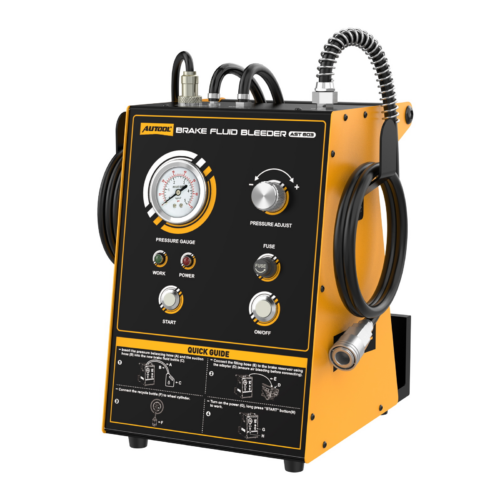
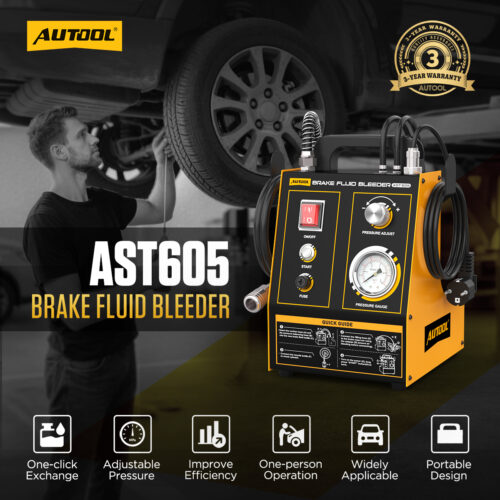
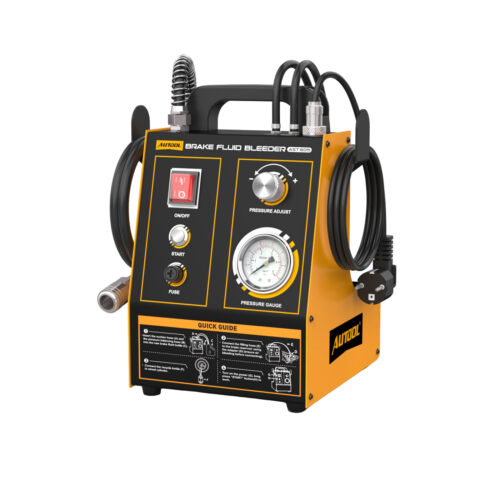
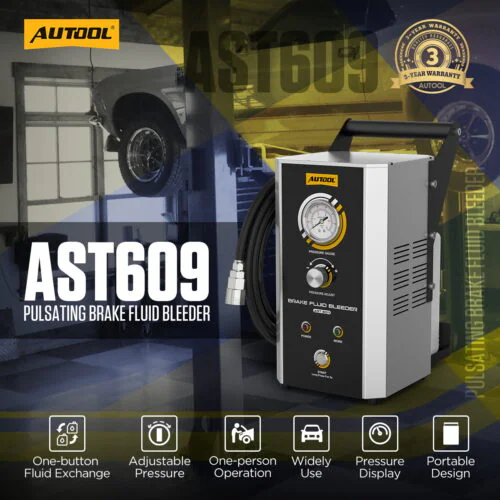
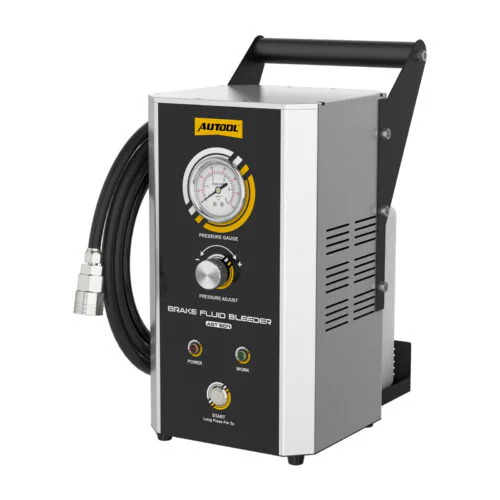
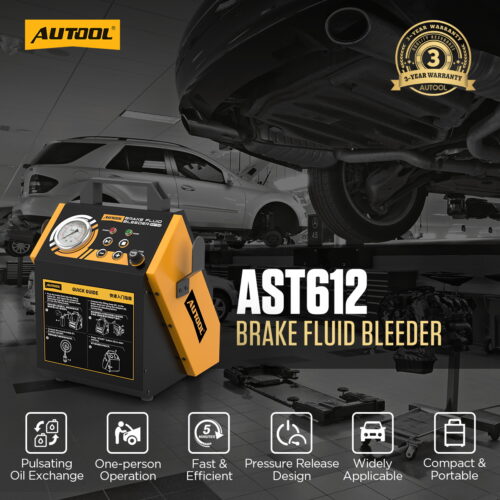
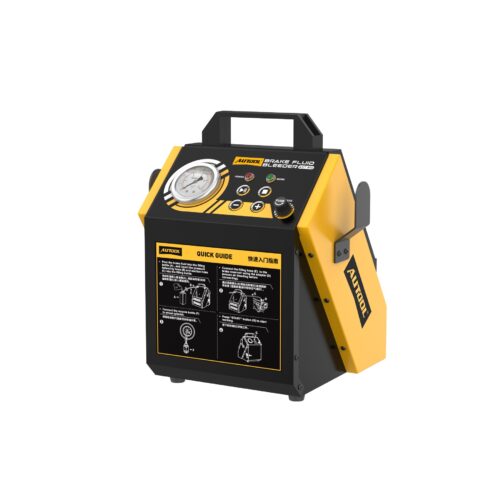
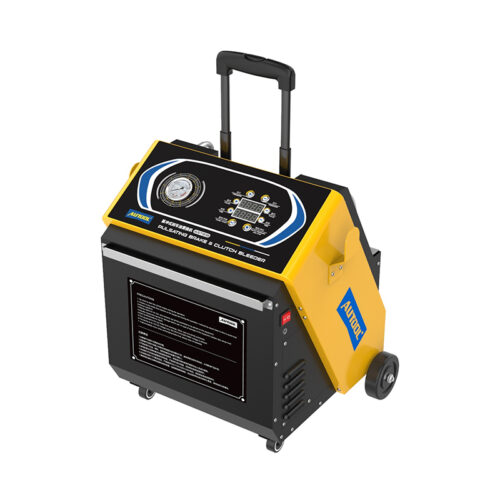
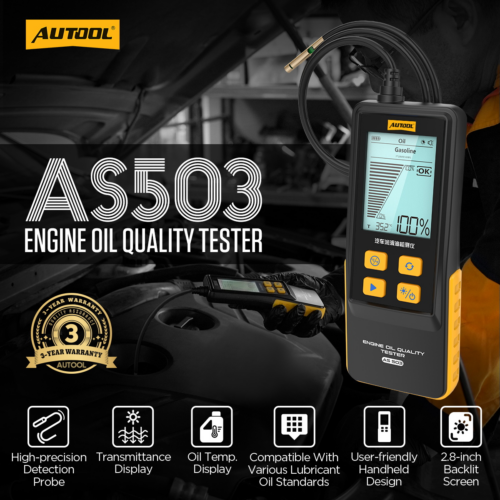
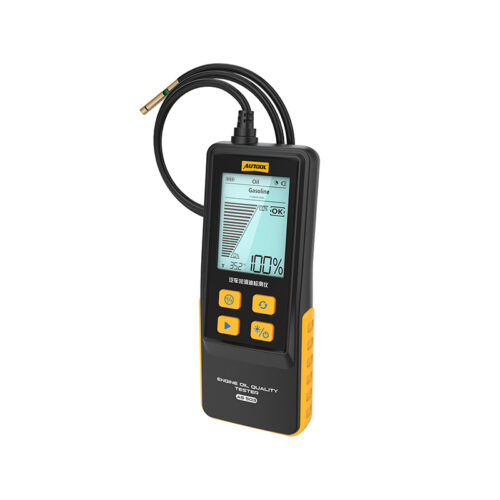
De oorspronkelijke onderhoudsaanbevelingen voor deze handleiding omvatten: AUTOOL AS502, AST603, AST605, AST609, AST612, AST618, En AS503. Deze hulpmiddelen helpen bij het controleren van de conditie van de remvloeistof, ondersteunen het onderhoud van de remvloeistof en controleren de conditie van de motorolie.
Besteed aandacht aan de negen belangrijke punten voor autorijden in de winter hierboven, zoals bandenspanning, ruitenwisservloeistof, antivriesmiddelen, ruitenwissergebruik, ontwaseming van de voorruit, remvloeistof en motorolie. Door de juiste procedures te volgen tijdens het dagelijkse rijden, kunnen nieuwe autobezitters de risico's van autorijden in de winter verminderen, de prestaties van hun voertuig beschermen en winterreizen veiliger en comfortabeler maken.
Als u meer gereedschap nodig heeft dat in reparatiewerkplaatsen wordt gebruikt, klik dan hieronder voor meer informatie.
WhatsApp: +86 18926477404
E-mail: [email protected]
Gerelateerde producten
Weergegeven via de WooCommerce-productshortcode, zodat de kaarten de globale productkaartstructuur en Blocksy/WooCommerce-stijlen overnemen.