Tips og vejledninger
Bilfærdigheder afsløret: den mest effektive måde at varme bilen op om vinteren

juli 27, 2021
Dele:
 autoolstore.com
Mange mennesker tror, at den korrekte måde at varme en bil op på, at de tidligt om morgenen, eller efter lang tid uden brug, skal starte bilen, holde den i tomgang, vente tre til fem minutter og derefter køre ud på vejen. Mange mener, at dette er den mest gavnlige metode for bilen.
Men er det virkelig den rigtige måde at varme bilen op på? Ifølge en statistik i den originale artikel forårsages mere end halvfems procent af slitagen på motordele inden for tre minutter efter, at bilen er startet fra kold. Derfor er det en reel bekymring for bilelskere, hvordan man varmer bilen korrekt op.
Forstå hvorfor bilen skal varmes op
For det første, efter at bilen har stået parkeret i lang tid, strømmer olien i motoren tilbage til den nederste del af motorens oliesump. Derfor, efter at bilen ikke har været brugt i lang tid, f.eks. natten over, er den øverste del af motoren uden olie og mangler smøring.
Det tager cirka 30 sekunder efter motorstart, før oliepumpen fungerer og leverer olie til stemplerne, plejlstængerne og krumtapakslen, som er de dele af motoren, der har mest brug for smøring. Men selvom motoren startes, og bilen bevæger sig kort efter, så længe gashåndtaget ikke trykkes ned, og køretøjet holder lav hastighed, er effekten den samme som ved tomgangskørsel.
For det andet, før motoren når sin driftstemperatur på omkring 90-110 grader Celsius, er olieforsyningssystemet stadig koldt, og benzinen kan ikke forgasses fuldstændigt. Når benzinen ikke er blevet forgasset og forbliver i en "våd" flydende tilstand, er det ikke let at forbrænde og starte motoren.
På dette tidspunkt hjælper dæmperen med at forbedre benzin/luft-blandingsforholdet og øge motorhastigheden, så motoren ikke går i stå. Når den normale driftstemperatur er nået, vender den automatiske dæmper tilbage til sin normale tilstand ved mekanisk handling. Biler med manuelle dæmpere skal huske at sætte dæmperen tilbage; ellers er olie/luft-blandingsforholdet for højt, hvilket spilder benzin og hestekræfter, og ufuldstændig forbrænding kan producere sort røg.
En kold motor tager omkring syv eller otte minutter til ti minutter om at nå normal driftstemperatur, afhængigt af biltypen. I løbet af denne tid er der ingen grund til at varme bilen op på stedet, så længe du ikke kører med høj hastighed.
For det tredje ignoreres ofte smøring af gearkassen. Gearolie og motorolie har én ting til fælles: Når den er kold, flyder gearolien til den nederste halvdel af gearkassen. Kun under kørsel vil gearene køre og bringe gearolien op i bunden for at smøre den øverste del.
Derfor har de fleste biler ujævne gearskift, når de er kolde. Løsningen er ikke at varme bilen op på stedet, da gearkassen ikke har en gearoliepumpe. Når bilen varmes op på stedet, er det kun motoren, der bevæger sig, og resten af bilen bevæger sig ikke. Situationen forbedres kun, når bilen rent faktisk er på vejen og kører langsomt i et stykke tid.
Undgå slitage på kold motor
Ifølge nogle data sker omkring 90% af slitage i startøjeblikket. Den rigtige måde at elske bilen på er at lære at beskytte motoren først. Derfor er det ikke tilrådeligt at bruge en hård "varm bil"-tilgang.
Fire punkter at huske
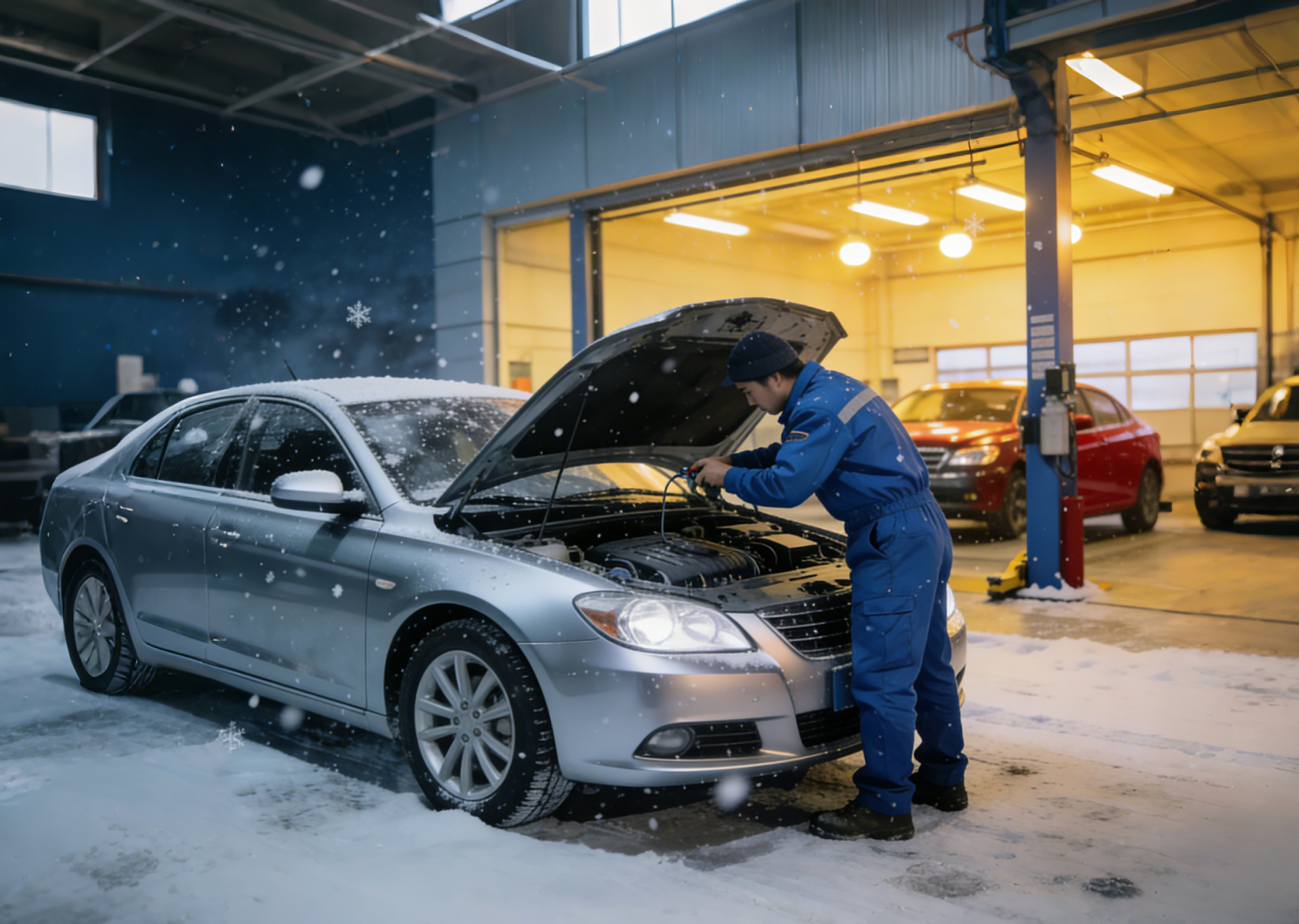
Forholdsregler ved vinteropvarmning
Når du starter motoren, er smøringen af de indre motordele dårlig. Hvis du straks sætter den i gear, kan det forårsage alvorlig slitage på motoren, især om vinteren. Opvarmning øger motorens driftstemperatur og, endnu vigtigere, giver mulighed for at delene bliver fuldt smurt.
Slid på motorens mekaniske dele forårsages hovedsageligt inden for 2 minutter efter koldstart, og korrekt opvarmning kan forlænge motorens levetid.
For elektronisk styrede brændstofindsprøjtningsmotorer, der anvendes i dag, bør opvarmningstiden efter koldstart ikke være for lang, når den omgivende temperatur er høj; cirka 2 minutter før kørsel på vejen er tilstrækkeligt. Om vinteren i Qingdao anbefaler den originale artikel at varme bilen op i 3-5 minutter efter en koldstart og vente på, at vandtemperaturmåleren ændrer sig en smule, før man kører.
Kør ikke med høj hastighed eller høje omdrejninger, før vandtemperaturen når den normale værdi. Kør med lav hastighed for at lade motorens vandtemperatur nå den normale værdi.
Mange bilejere har den misforståelse, at motoren skal varmes op på stedet i mere end 10 minutter. Faktisk er det ikke særlig videnskabeligt at varme bilen op på stedet i lang tid. Tomgang på stedet spilder benzin og tid, og endnu vigtigere, det kan producere kulstofaflejringer. Efterhånden som køretøjets kilometertal stiger, kan kulstofaflejringer alvorligt påvirke køretøjets effekt og brændstofforbrug, så lang tomgang bør undgås.
Opvarmning af bilen er faktisk simpelt, men på grund af forskellige vaner har mange bilejere stadig svært ved at gøre det korrekt. Forkerte handlinger i den daglige kørsel kan forårsage forskellige typer bilfejl.
Relaterede produkter
Renderet via WooCommerce-produkts shortcode, så kortene arver den globale produktkortstruktur og Blocksy/WooCommerce-stilarter.