AUTOOL Blog, Repair Information
Common Causes of Engine Wear in Cars

October 10, 2025
Share:
 autoolstore.com
In daily driving, many car owners are puzzled when a technician finds noticeable signs of engine wear even though the vehicle seems to be driven in a normal way. They avoid sudden acceleration, refrain from overloading, and try not to drive aggressively, yet routine maintenance may still reveal reduced power output, slightly higher fuel consumption, and visible wear inside the car motor.
Why does this happen? Normal driving can reduce abuse, but it does not automatically prevent engine wear. Many subtle driving habits, overlooked maintenance details, and hidden system issues can quietly increase internal friction. Over time, these unnoticed factors may lead to gradual performance decline, rising fuel consumption, and even potential mechanical failure.
This guide reviews the common but easily ignored causes of engine wear, including lubrication failure, fuel and intake problems, abnormal operating conditions, improper maintenance, assembly errors, and cooling system failure. Understanding these factors makes it easier to protect the car motor in everyday use and keep it in peak condition for longer.
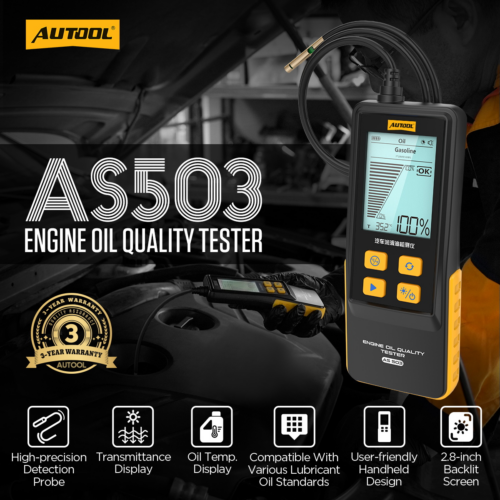
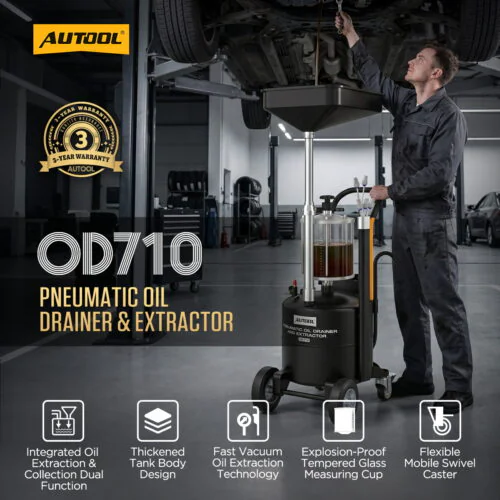
Over 90% of the moving parts inside a car motor, such as pistons, crankshafts, and camshafts, rely on an oil film formed by lubricating oil to prevent metal-to-metal contact. Once the lubrication system fails, metal components rub directly against each other, creating dry friction and rapidly accelerating engine wear.
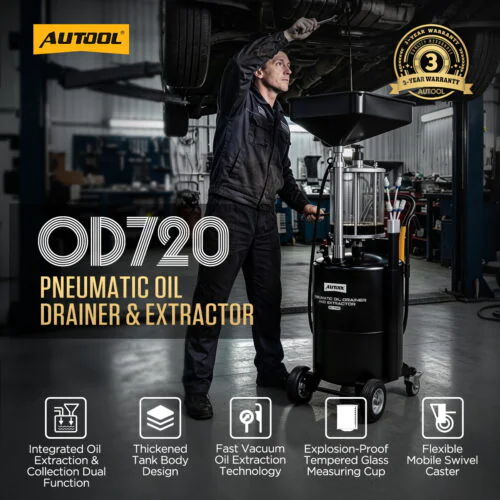
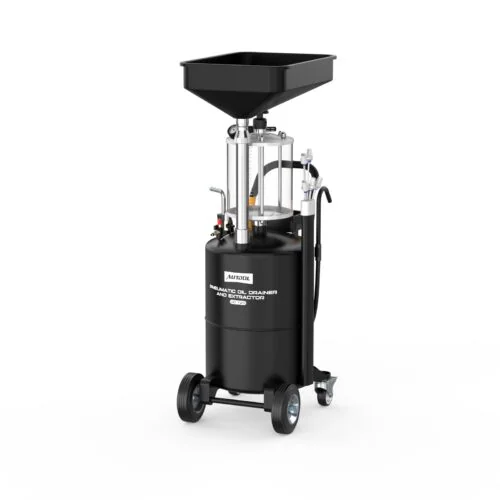
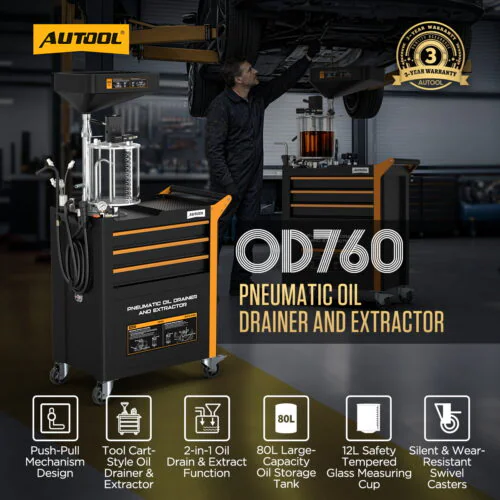
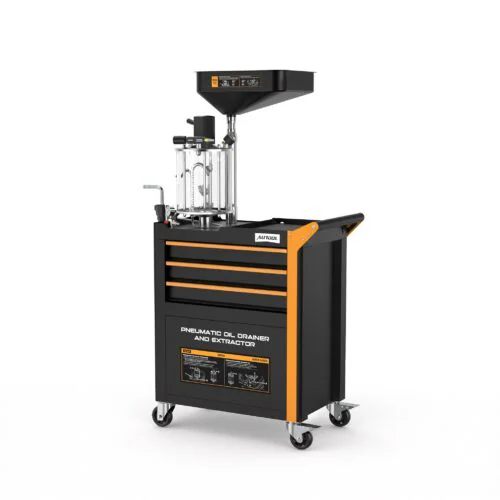
The original article displayed oil-related products in this section. They are preserved through WooCommerce product shortcodes so the product cards inherit the same style pattern used by the reference post.
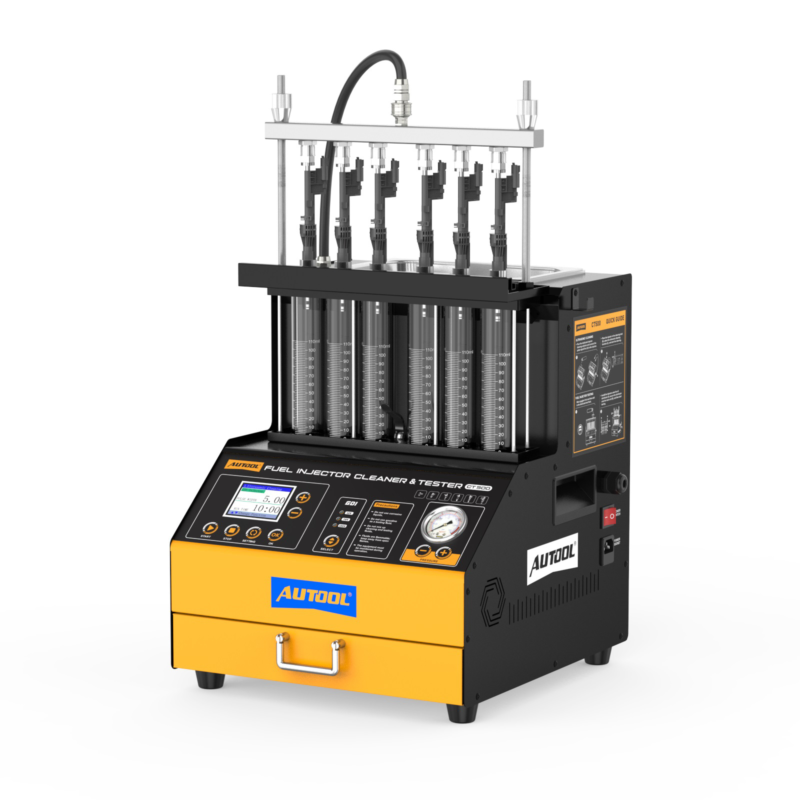
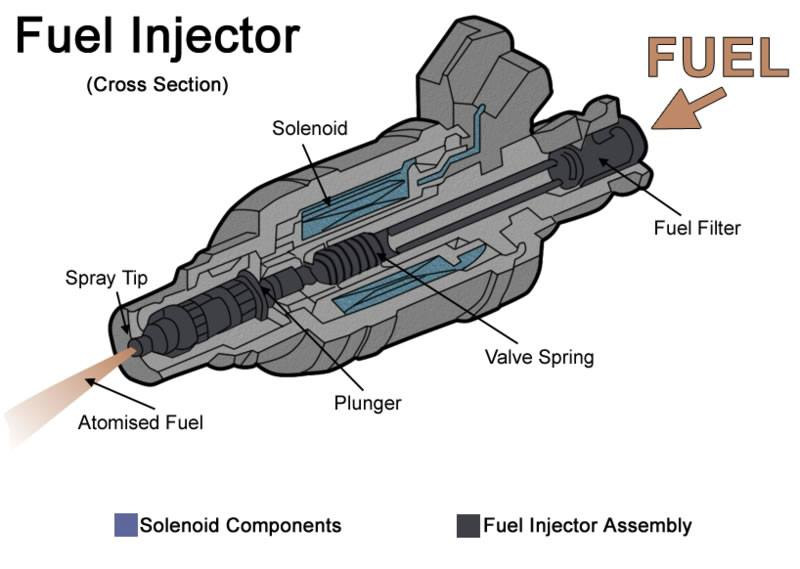
Incomplete fuel combustion or contaminated intake air can indirectly accelerate engine wear through chemical corrosion or mechanical abrasion. This type of wear mainly affects the pistons, cylinder walls, and valves of the car motor.
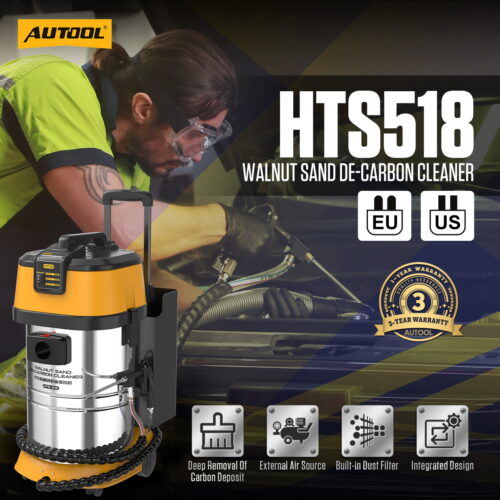
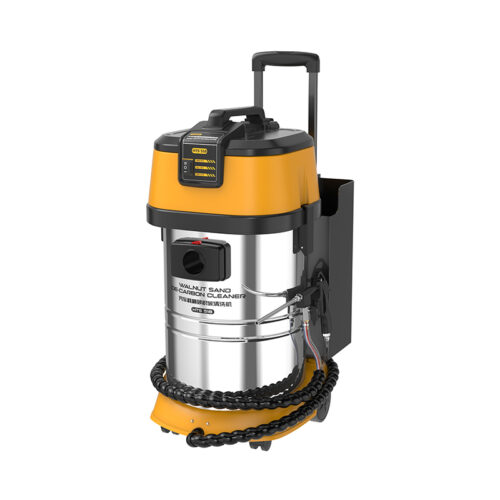
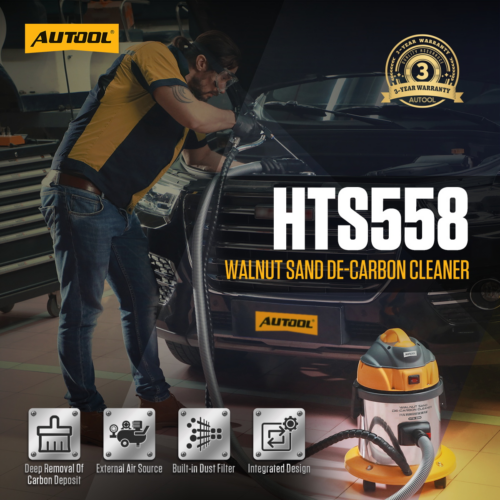
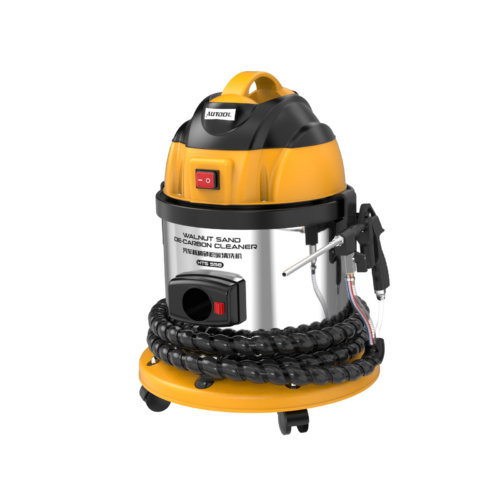
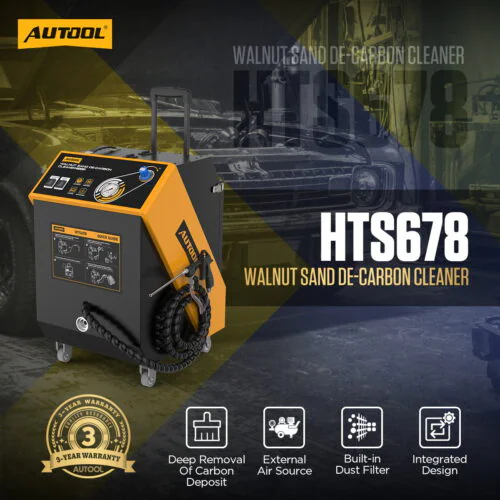
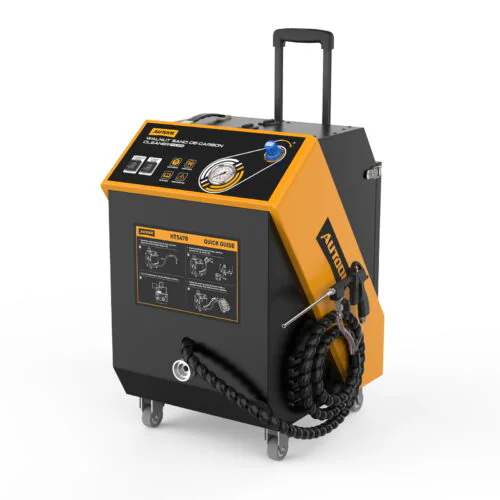
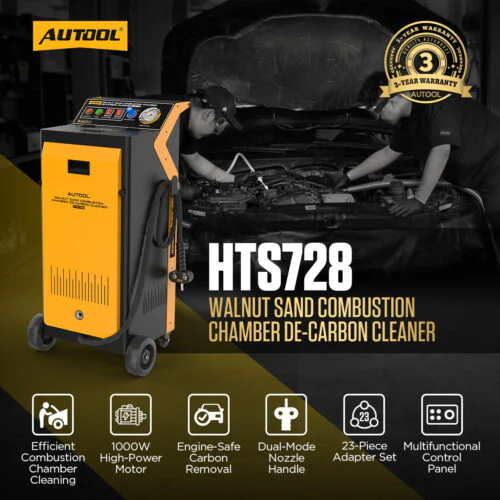
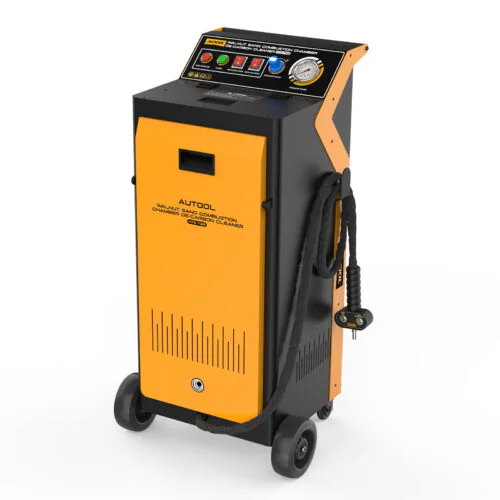
The original intake-system section referenced walnut blasting and carbon cleaning equipment. These products are kept as dynamic product cards instead of hard-coded WooCommerce HTML.
When a car motor operates under prolonged overload or abnormal conditions, it disrupts the designed friction balance inside the system. Localized engine wear can then accelerate significantly.
During a cold start, engine oil is thick and flows poorly. It typically takes 3-5 minutes for oil to circulate and coat all friction surfaces. If the driver immediately accelerates hard or drives uphill, the pistons, cylinder walls, and crankshaft bearings experience boundary friction due to the lack of a complete oil film. The rate of engine wear in this state can be more than 10 times higher than under normal conditions.
When the engine runs at low speed, such as during heavy city traffic, its load rate and combustion temperature drop. Unburned fuel can condense into a thin liquid film on the cylinder walls, diluting the engine oil and reducing its viscosity. Incomplete combustion also produces carbon deposits, which further accelerate wear between the piston rings and cylinder wall.
Frequent rapid acceleration and braking, similar to racing-style driving, or carrying loads beyond the vehicle’s rated capacity places excessive stress on the crankshaft and connecting rods. Overloaded trucks or SUVs towing heavy trailers experience this increased strain. Over time, this leads to fatigue wear, where bearing clearances widen and grooves appear on the crankshaft journals.
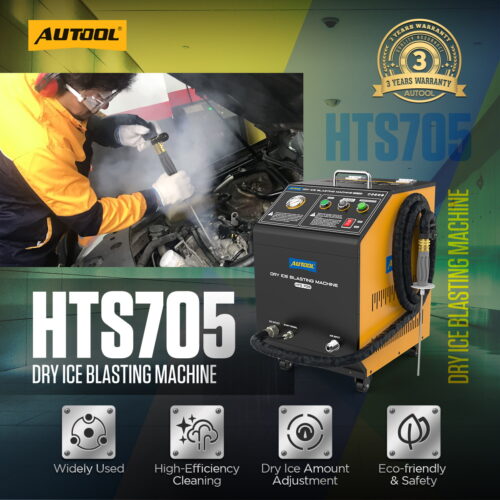
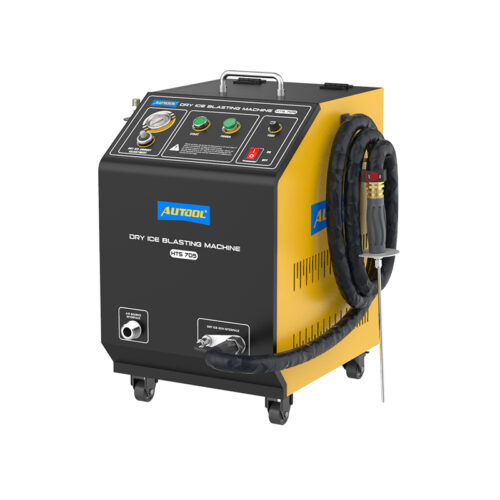
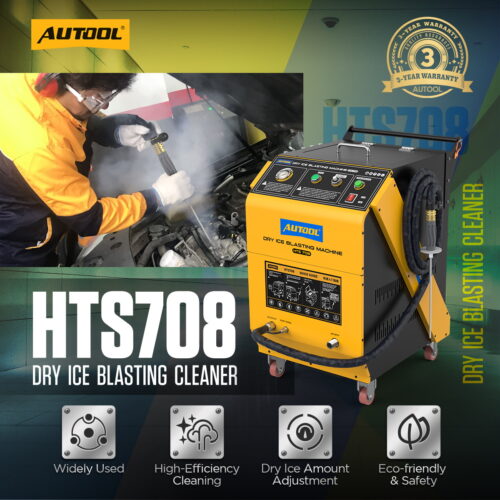
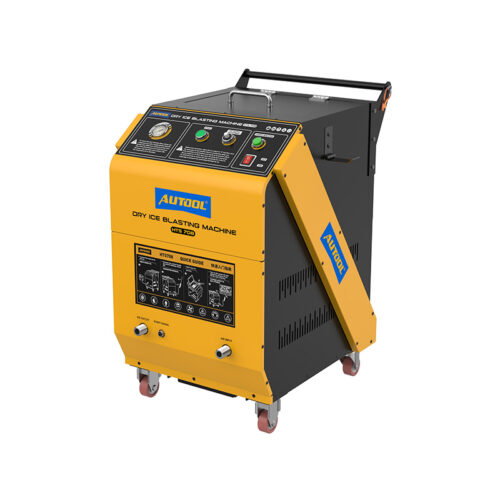
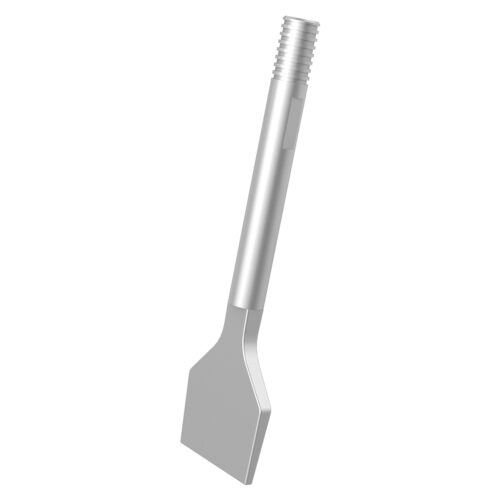
The original article included HTS705, HTS708, and flat-nozzle dry ice cleaning references in this area. They are preserved as a shortcode product group with verified published product IDs.
Human errors during operation or improper maintenance procedures often cause abnormal engine wear that is not immediately visible but can lead to serious long-term damage.
When oil and filters are not replaced according to the manufacturer’s schedule, such as changing oil every 10,000 km instead of the recommended 5,000 km, metal particles and sludge continue to circulate inside the car motor. These contaminants scratch internal components. Meanwhile, anti-wear additives in the oil, such as zinc and phosphorus compounds, become depleted and lose their protective effect, allowing direct metal-to-metal contact.
Improper installation of engine components during servicing can also lead to localized engine wear. If piston ring gaps are not staggered at 120 degrees, bearing bolts are not tightened to the correct torque, or cylinder head bolts are tightened in the wrong sequence, deformation can occur. These issues may cause piston-to-valve contact or uneven pressure distribution, resulting in severe friction damage.
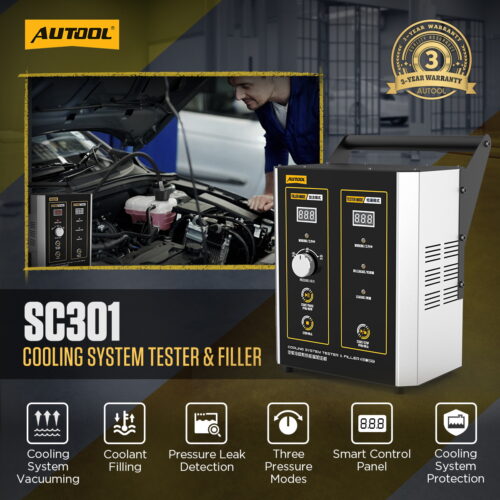
A malfunctioning or neglected cooling system can accelerate engine wear dramatically. Low or degraded coolant levels can lead to overheating above 105 degrees Celsius, which rapidly reduces oil viscosity and causes oil film breakdown. High temperatures also cause thermal expansion of pistons and cylinder walls, narrowing their clearance and leading to seizure wear. In severe cases, the piston may lock up inside the cylinder.
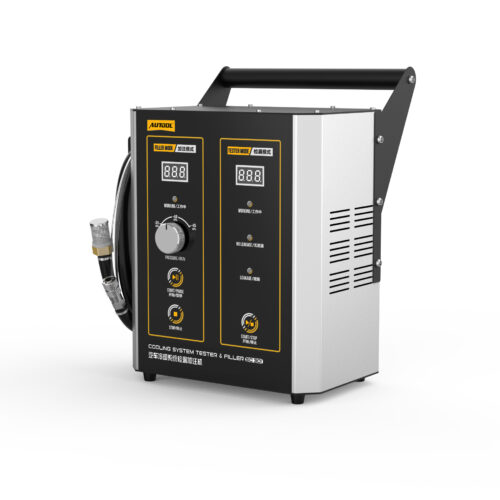
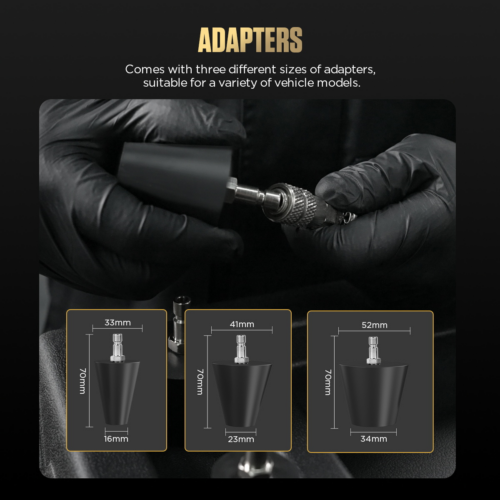
The original cooling-system section referenced the SC301 coolant leak detector. The related SC301 accessory is also kept in the final product set because it already appeared in the article’s related-product shortcode.
By understanding the key causes of engine wear, drivers can take targeted preventive measures and perform more scientific maintenance. Consistent care, correct oil selection, timely filter replacement, proper warm-up habits, clean fuel and intake systems, and cooling system checks can help extend engine lifespan and keep the car running smoothly, efficiently, and reliably.
If you need more tools used by repair shops, you can visit the AUTOOL store for more details. You can also contact the support team by WhatsApp or email.
Related Products
Rendered through WooCommerce product shortcode so the cards inherit the global product-card structure and Blocksy/WooCommerce styles.