Blog AUTOOL, Informações sobre reparos
Causas comuns de desgaste do motor em carros

Outubro 10, 2025
Compartilhar:
 autoolstore.com
No dia a dia, muitos proprietários de carros ficam perplexos quando um mecânico encontra sinais visíveis de desgaste no motor, mesmo que o veículo pareça ser conduzido de forma normal. Eles evitam acelerações bruscas, não sobrecarregam o veículo e procuram não dirigir de forma agressiva; ainda assim, a manutenção de rotina pode revelar redução da potência, consumo de combustível ligeiramente maior e desgaste visível no interior do motor.
Por que isso acontece? Dirigir normalmente pode reduzir o desgaste, mas não impede automaticamente o desgaste do motor. Muitos hábitos de direção sutis, detalhes de manutenção negligenciados e problemas ocultos no sistema podem aumentar silenciosamente o atrito interno. Com o tempo, esses fatores despercebidos podem levar a uma queda gradual no desempenho, aumento do consumo de combustível e até mesmo a uma possível falha mecânica.
Este guia analisa as causas comuns, porém frequentemente ignoradas, do desgaste do motor, incluindo falhas na lubrificação, problemas de combustível e admissão, condições anormais de operação, manutenção inadequada, erros de montagem e falhas no sistema de arrefecimento. Compreender esses fatores facilita a proteção do motor do carro no uso diário e permite mantê-lo em ótimas condições por mais tempo.
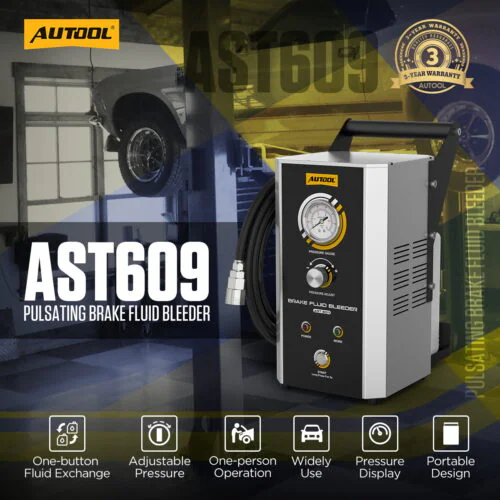
Mais de 90% das peças móveis dentro de um motor de carro, como pistões, virabrequins e comandos de válvulas, dependem de uma película de óleo formada pelo óleo lubrificante para evitar o contato metal com metal. Quando o sistema de lubrificação falha, os componentes metálicos se atritam diretamente uns contra os outros, criando atrito seco e acelerando rapidamente o desgaste do motor.
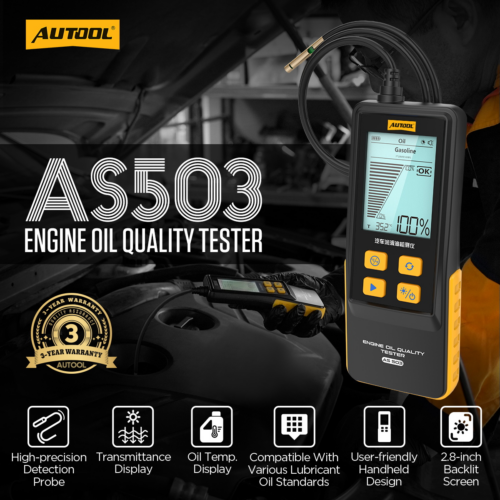
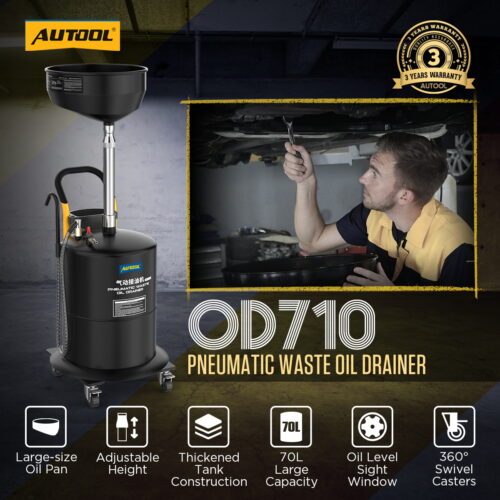
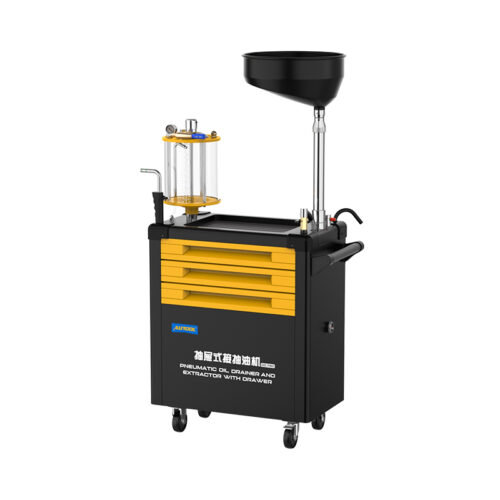
O artigo original exibia produtos relacionados a petróleo nesta seção. Eles foram preservados por meio de códigos curtos de produtos do WooCommerce, de modo que os cartões de produto herdam o mesmo padrão de estilo usado na publicação de referência.
A combustão incompleta do combustível ou a entrada de ar contaminado podem acelerar indiretamente o desgaste do motor por meio de corrosão química ou abrasão mecânica. Esse tipo de desgaste afeta principalmente os pistões, as paredes dos cilindros e as válvulas do motor do carro.
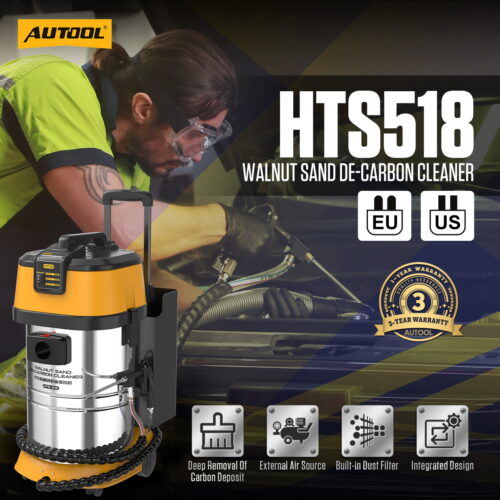
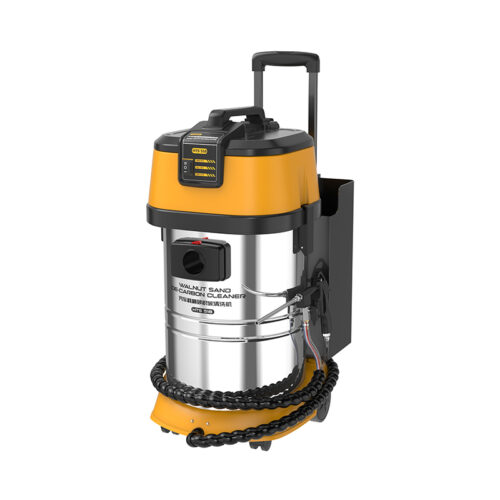
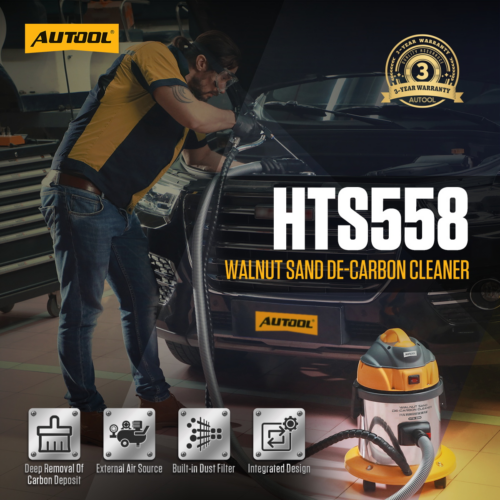
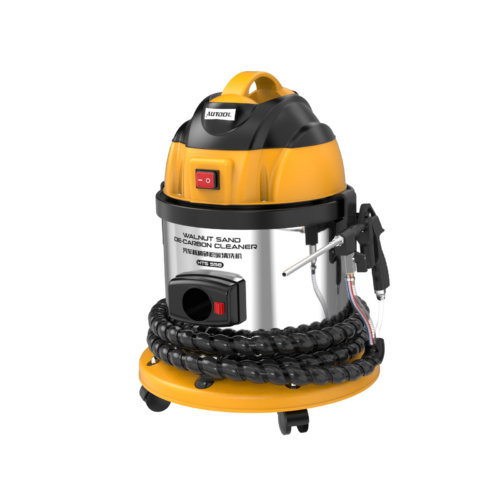
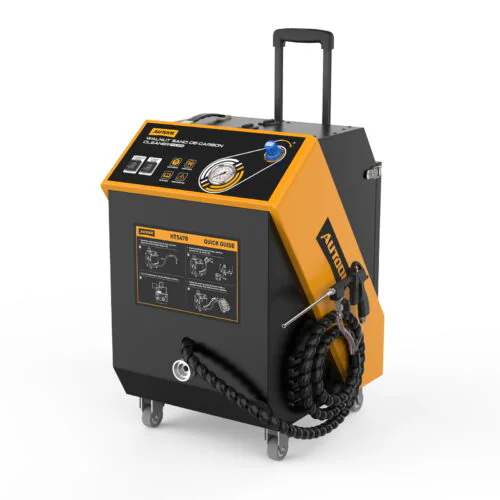
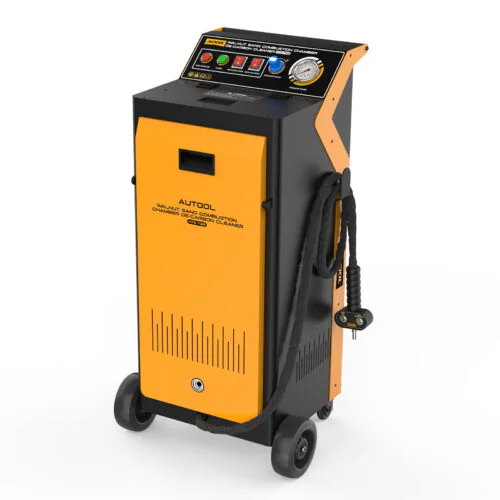
A seção original sobre o sistema de admissão mencionava equipamentos de jateamento de nozes e limpeza de carbono. Esses produtos são mantidos como cartões de produto dinâmicos em vez de HTML do WooCommerce codificado.
Quando um motor de carro opera sob sobrecarga prolongada ou em condições anormais, o equilíbrio de atrito projetado dentro do sistema é perturbado. O desgaste localizado do motor pode então acelerar significativamente.
Durante a partida a frio, o óleo do motor é viscoso e flui com dificuldade. Normalmente, leva de 3 a 5 minutos para o óleo circular e revestir todas as superfícies de atrito. Se o motorista acelerar bruscamente imediatamente ou subir uma ladeira, os pistões, as paredes dos cilindros e os mancais do virabrequim sofrem atrito de contato devido à falta de uma película de óleo completa. A taxa de desgaste do motor nesse estado pode ser mais de 10 vezes maior do que em condições normais.
Quando o motor funciona em baixa rotação, como em trânsito intenso na cidade, sua carga e temperatura de combustão diminuem. O combustível não queimado pode condensar-se em uma fina película líquida nas paredes do cilindro, diluindo o óleo do motor e reduzindo sua viscosidade. A combustão incompleta também produz depósitos de carbono, que aceleram ainda mais o desgaste entre os anéis do pistão e a parede do cilindro.
Acelerações e frenagens rápidas e frequentes, semelhantes à condução em corridas, ou o transporte de cargas acima da capacidade nominal do veículo, exercem uma pressão excessiva no virabrequim e nas bielas. Caminhões ou SUVs sobrecarregados, rebocando reboques pesados, sofrem com esse aumento de tensão. Com o tempo, isso leva ao desgaste por fadiga, onde as folgas dos mancais aumentam e sulcos aparecem nos munhões do virabrequim.
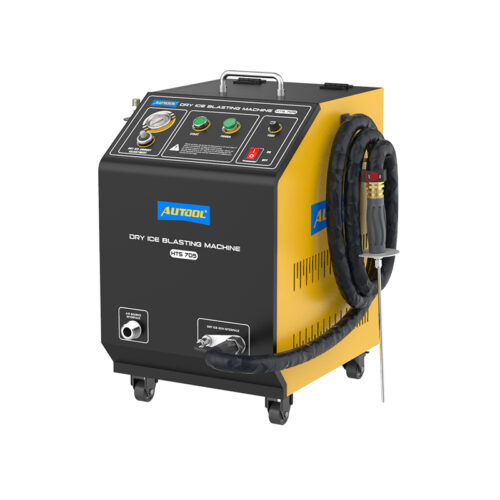
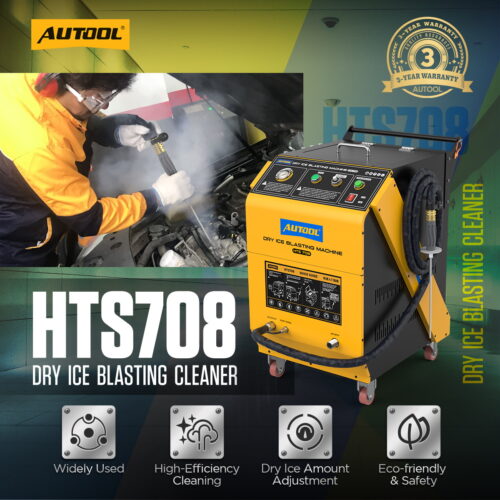
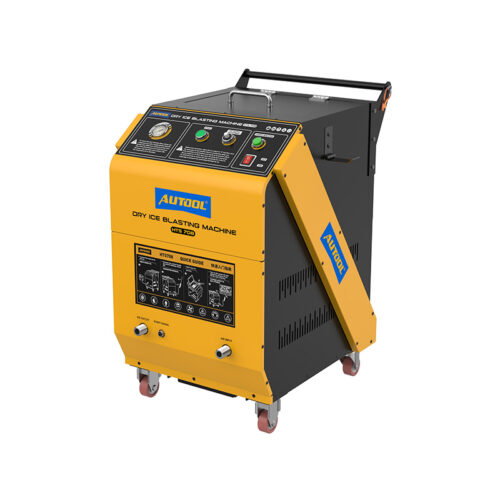
O artigo original incluía HTS705, HTS708e referências de limpeza com gelo seco de bico plano nesta área. Elas são preservadas como um grupo de produtos de código curto com IDs de produtos publicados e verificados.
Erros humanos durante a operação ou procedimentos de manutenção inadequados frequentemente causam desgaste anormal do motor, que não é imediatamente visível, mas pode levar a danos graves a longo prazo.
Quando o óleo e os filtros não são trocados de acordo com o cronograma do fabricante, como a troca de óleo a cada 10 000 km em vez dos 5 000 km recomendados, partículas de metal e borra continuam circulando dentro do motor do carro. Esses contaminantes arranham os componentes internos. Enquanto isso, os aditivos antidesgaste do óleo, como compostos de zinco e fósforo, se esgotam e perdem seu efeito protetor, permitindo o contato direto metal com metal.
A instalação incorreta de componentes do motor durante a manutenção também pode levar ao desgaste localizado do motor. Se a folga dos anéis do pistão não estiver escalonada em 120 graus, se os parafusos dos mancais não forem apertados com o torque correto ou se os parafusos do cabeçote forem apertados na sequência errada, pode ocorrer deformação. Esses problemas podem causar contato entre o pistão e a válvula ou distribuição desigual de pressão, resultando em danos severos por atrito.
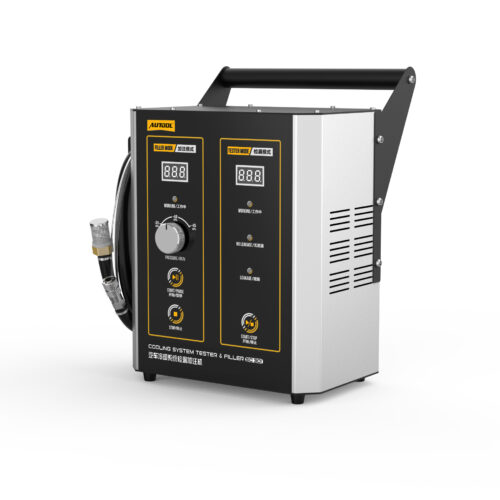
Um sistema de arrefecimento com defeito ou negligenciado pode acelerar drasticamente o desgaste do motor. Níveis baixos ou degradados de líquido de arrefecimento podem levar ao superaquecimento acima de 105 graus Celsius, o que reduz rapidamente a viscosidade do óleo e causa a ruptura da película de óleo. Altas temperaturas também causam a expansão térmica dos pistões e das paredes dos cilindros, reduzindo a folga e levando ao travamento. Em casos graves, o pistão pode travar dentro do cilindro.
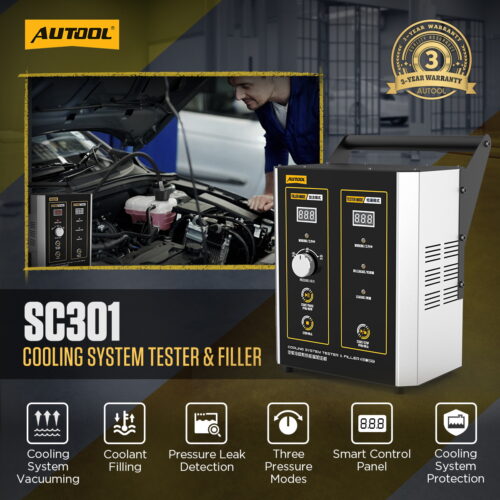
A seção original sobre o sistema de refrigeração fazia referência a SC301 detector de vazamento de líquido refrigerante. O relacionado SC301 O acessório também é mantido no conjunto final de produtos porque já apareceu no código curto de produtos relacionados do artigo.
Ao compreender as principais causas do desgaste do motor, os motoristas podem tomar medidas preventivas específicas e realizar uma manutenção mais precisa. Cuidados regulares, escolha correta do óleo, troca oportuna do filtro, hábitos adequados de aquecimento do motor, limpeza dos sistemas de combustível e admissão e verificação do sistema de arrefecimento podem ajudar a prolongar a vida útil do motor e manter o carro funcionando de forma suave, eficiente e confiável.
Se precisar de mais ferramentas utilizadas por oficinas de reparação, pode visitar o AUTOOL Para mais detalhes, consulte a loja. Você também pode entrar em contato com a equipe de suporte pelo WhatsApp ou e-mail.
Produtos relacionados
Renderizado através do shortcode do produto WooCommerce, de forma que os cards herdem a estrutura global de cards de produto e os estilos Blocksy/WooCommerce.