What does the automobile engine do?
1. The Engine Converts Fuel Energy Into Mechanical Power
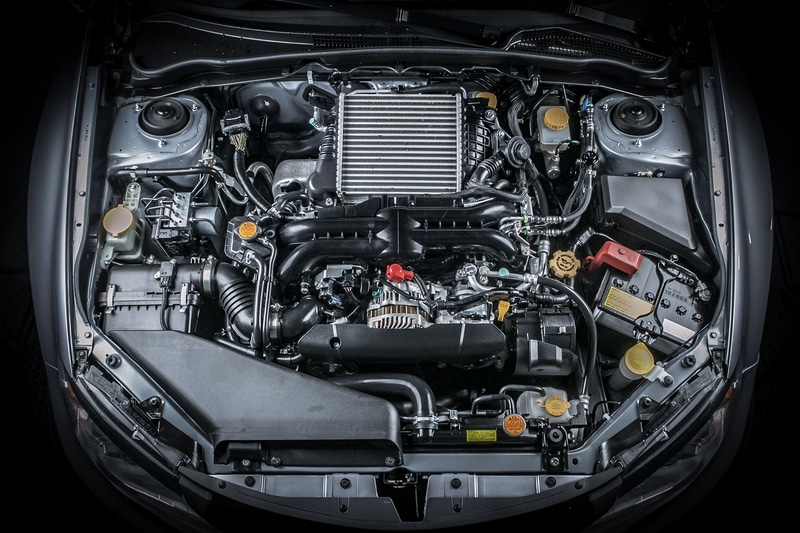
An automobile engine converts the heat energy of gasoline combustion into mechanical energy. Expanding combustion gas pushes the piston, and the engine then transfers that movement into rotating power for the vehicle.Automobile engines can be classified in several ways:- Intake systemCommon types include naturally aspirated, turbocharged, mechanically supercharged, and double supercharged engines.
- Piston movementEngines may use reciprocating pistons or rotary pistons.
- Number of cylindersEngines may be single-cylinder or multi-cylinder designs.
- Cooling methodCommon cooling designs include water-cooled and air-cooled systems.
- Number of strokesInternal combustion engines may use a four-stroke or two-stroke cycle.
What are the principles and processes of an automobile engine?

2. Gasoline Engines Use Mechanisms and Systems to Complete the Work Cycle
A gasoline engine typically includes the crank linkage mechanism, gas distribution mechanism, and five main systems: fuel supply, lubrication, cooling, ignition, and starting. A diesel engine also has two main mechanisms, but it usually has four systems because it does not use a gasoline-style ignition system.The working principle of an automobile engine involves converting thermal energy into mechanical energy through four processes:- IntakeThe air-fuel mixture enters the cylinder.
- CompressionThe mixture is compressed inside the cylinder.
- Power strokeThe mixture ignites, combustion gas expands, and the piston is pushed downward.
- ExhaustCombustion gas is expelled from the cylinder.

How does a two-stroke gasoline engine work?
3. A Two-Stroke Gasoline Engine Works Through Two Strokes and Gas Exchange
The operation of a two-stroke gasoline engine can be summarized in three stages: the first stroke, the second stroke, and the gas exchange process.- First strokeThe piston moves upward from the lower stop. The engine closes the three air holes, opens the intake ports, and lets the combustible mixture enter the crankcase. As the piston moves upward, it compresses the mixture for the next combustion process.
- Second strokeThe spark plug ignites the mixture, gas expands, and the piston is pushed downward. At the same time, the intake port closes and the mixture in the crankcase is compressed for the next gas exchange.
- Gas exchangeAs the piston approaches the lower stop, the exhaust port opens and exhaust gas leaves the cylinder. The gas change opening then allows the pre-compressed combustible mixture to rush into the cylinder and help discharge remaining exhaust gas.
What is the crank connecting rod mechanism?
4. The Crank Connecting Rod Mechanism Turns Piston Force Into Torque
The crankshaft connecting rod set is a key engine component. It converts the gas force acting on the piston and connecting rod into torque, then drives the transmission, gas distribution mechanism, and other auxiliary devices. During operation, the crankshaft experiences bending and torsional alternating loads caused by gas forces, inertia, and moment changes.Its main functions include:- Complete the work cycleThe mechanism supports the engine’s energy conversion process by turning thermal energy from fuel combustion into mechanical movement.
- Transmit powerThe crank linkage transfers engine output to the vehicle’s transmission system so the vehicle can move.
- Affect performance and efficiencyThe structure and manufacturing quality of the crank connecting rod mechanism directly affect engine performance, efficiency, durability, and reliability.
How does the gas distribution mechanism work?