AUTOOLautoolstore.com
Izvor: https://autoolstore.com/hr/the-heart-of-the-car-the-basic-structure-of-the-engine-introduction/
Osnove motora
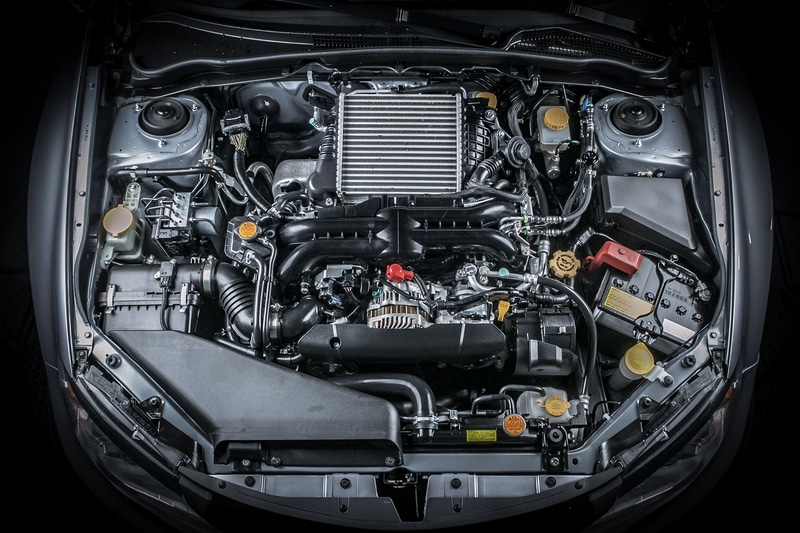
The automobile engine is often described as the heart or soul of the car because it determines power, fuel economy, stability, emissions, reliability, and service life. Although an engine is a complex system, its basic principles are consistent: it converts fuel energy into mechanical power that moves the vehicle. This article explains the role of the automobile engine, common engine classifications, the four-stroke and two-stroke work cycles, the crank connecting rod mechanism, and the gas distribution mechanism. Understanding these basics helps car owners better understand how an engine works and why regular maintenance matters.
Uloga motora

Što radi automobilski motor?

1. Motor pretvara energiju goriva u mehaničku snagu

An automobile engine converts the heat energy of gasoline combustion into mechanical energy. Expanding combustion gas pushes the piston, and the engine then transfers that movement into rotating power for the vehicle. Automobile engines can be classified in several ways:
  • Usisni sustavUobičajene vrste uključuju motore s prirodnim usisavanjem, motore s turbopunjačem, motore s mehaničkim kompresorom i motore s dvostrukim kompresorom.
  • Kretanje klipaMotori mogu koristiti klipne klipove s povratnim kretanjem ili rotacijske klipove.
  • Broj cilindaraMotori mogu biti jednocilindrični ili višecilindrični.
  • Metoda hlađenjaUobičajeni dizajni hlađenja uključuju sustave hlađene vodom i zrakom.
  • Broj udaracaMotori s unutarnjim izgaranjem mogu koristiti četverotaktni ili dvotaktni ciklus.
Osim što osigurava snagu, motor pomaže u kontroli ubrzanja, usporavanja i kočenja putem pogonskog sustava vozila. Također utječe na ubrzanje, maksimalnu brzinu, potrošnju goriva, emisije ugljičnog dioksida, dušikovih oksida, čestica, pouzdanost i trajnost.
Radni ciklus

Koji su principi i procesi automobilskog motora?

2. Benzinski motori koriste mehanizme i sustave za dovršetak radnog ciklusa


A gasoline engine typically includes the crank linkage mechanism, gas distribution mechanism, and five main systems: fuel supply, lubrication, cooling, ignition, and starting. A diesel engine also has two main mechanisms, but it usually has four systems because it does not use a gasoline-style ignition system. The working principle of an automobile engine involves converting thermal energy into mechanical energy through four processes:
  • UnosSmjesa zraka i goriva ulazi u cilindar.
  • Kompresija motoraSmjesa se komprimira unutar cilindra.
  • Snažni udarSmjesa se zapali, plinovi izgaranja se šire, a klip se potiskuje prema dolje.
  • IspušniIzgaranje plinova se izbacuje iz cilindra.
These four processes make up one work cycle in a four-stroke engine. In a four-stroke engine, the crankshaft rotates twice and the piston moves four times to complete one cycle. In a two-stroke engine, the crankshaft rotates once and the piston moves twice to complete one cycle. Today, most automobiles use four-stroke engines because they offer better fuel efficiency, reliability, and durability. Four-stroke, water-cooled, in-line or V-type reciprocating engines are common in modern vehicles.
Ilustracija strukture i radnog ciklusa automobilskog motora
Izvor slike: Animagraffovi / Video na Facebooku
Dvotaktni ciklus

Kako radi dvotaktni benzinski motor?

3. Dvotaktni benzinski motor radi putem dva takta i izmjene plinova

Rad dvotaktnog benzinskog motora može se sažeti u tri faze: prvi takt, drugi takt i proces izmjene plinova.
  • Prvi moždani udarKlip se pomiče prema gore od donjeg graničnika. Motor zatvara tri otvora za zrak, otvara usisne otvore i pušta zapaljivu smjesu da uđe u kućište radilice. Dok se klip pomiče prema gore, komprimira smjesu za sljedeći proces izgaranja.
  • Drugi moždani udarSvjećica pali smjesu, plin se širi i klip se pomiče prema dolje. Istovremeno se usisni otvor zatvara i smjesa u kućištu radilice se komprimira za sljedeću izmjenu plina.
  • Izmjena plinaKako se klip približava donjem graničniku, otvara se ispušni otvor i ispušni plinovi napuštaju cilindar. Otvor za izmjenu plina tada omogućuje prethodno komprimiranoj zapaljivoj smjesi da prodre u cilindar i pomogne u ispuštanju preostalih ispušnih plinova.
Proces izmjene plinova ključan je za rad dvotaktnog motora jer osigurava sljedeću energetsku bazu za izgaranje.
Polužje radilice

Što je mehanizam klipnjače radilice?

4. Mehanizam klipnjače radilice pretvara silu klipa u okretni moment

The crankshaft connecting rod set is a key engine component. It converts the gas force acting on the piston and connecting rod into torque, then drives the transmission, gas distribution mechanism, and other auxiliary devices. During operation, the crankshaft experiences bending and torsional alternating loads caused by gas forces, inertia, and moment changes. Its main functions include:
  • Završite radni ciklusMehanizam podržava proces pretvorbe energije motora pretvarajući toplinsku energiju izgaranja goriva u mehaničko kretanje.
  • Snaga prijenosaKoljenasta poluga prenosi snagu motora na mjenjač vozila kako bi se vozilo moglo kretati.
  • Utjecati na performanse i učinkovitostStruktura i kvaliteta izrade mehanizma klipnjače radilice izravno utječu na performanse, učinkovitost, trajnost i pouzdanost motora.
Distribucija plina

Kako funkcionira mehanizam distribucije plina?

5. Mehanizam za distribuciju plina kontrolira usisne i ispušne ventile

The gas distribution mechanism opens and closes the intake and exhaust valves at the correct time. This allows the air-fuel mixture to enter the cylinder and lets exhaust gases leave after combustion. The crankshaft drives the camshaft through timing gears. The camshaft then moves rocker arms through tappets and push rods. When the cam apex passes the tappet, the valve closes under spring pressure. The gas distribution mechanism includes valve transmission parts and valve groups, such as timing gears, tappets, push rods, rocker arms, valves, valve guides, springs, oil seals, and valve seats. Its timing is determined by the engine’s work cycle and cylinder ignition sequence. During compression and power strokes, closed valves keep the combustion chamber sealed. Correctly timed valve opening and closing ensures normal engine operation.
Zaključak

6. Razumijevanje strukture motora pomaže u boljem održavanju

There are many engine types on the market, but their basic principles are similar. Understanding the engine’s role, work cycle, crank connecting rod mechanism, and gas distribution mechanism helps car owners better understand the vehicle’s powertrain. The original article also notes that future articles will continue to explain engine knowledge. If you have ideas or questions, you can discuss them in the comment section.

Povezani proizvodi

Renderirano putem WooCommerce kratkog koda proizvoda tako da kartice nasljeđuju globalnu strukturu kartice proizvoda i Blocksy/WooCommerce stilove.

Komentiraj

Vaša adresa e-pošte neće biti objavljena. Obavezna polja su označena sa * (obavezno)

Choose your language

Choose your language

Prefer another language?

Continue
Language