AUTOOLautoolstore.com
ソース: https://autoolstore.com/ja/the-heart-of-the-car-the-basic-structure-of-the-engine-introduction/
エンジンの基本
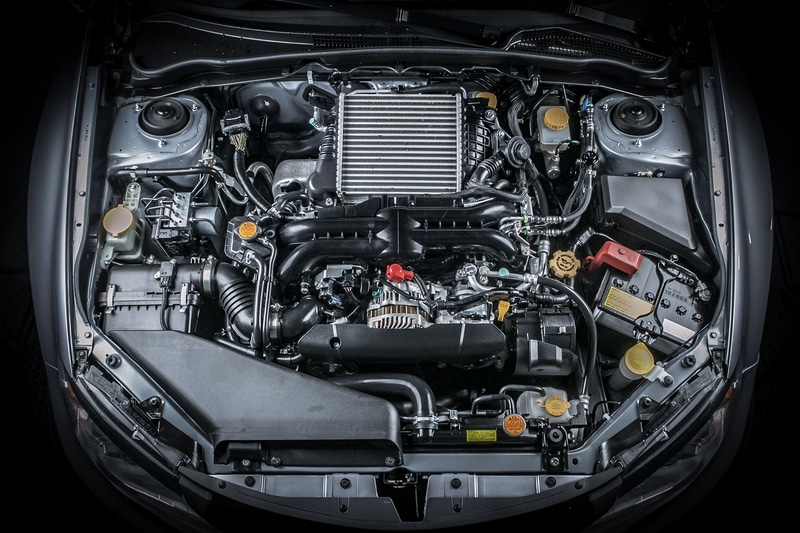
The automobile engine is often described as the heart or soul of the car because it determines power, fuel economy, stability, emissions, reliability, and service life. Although an engine is a complex system, its basic principles are consistent: it converts fuel energy into mechanical power that moves the vehicle.This article explains the role of the automobile engine, common engine classifications, the four-stroke and two-stroke work cycles, the crank connecting rod mechanism, and the gas distribution mechanism. Understanding these basics helps car owners better understand how an engine works and why regular maintenance matters.
エンジンの役割

自動車のエンジンはどのような働きをするのですか?

1. エンジンは燃料エネルギーを機械エネルギーに変換する

An automobile engine converts the heat energy of gasoline combustion into mechanical energy. Expanding combustion gas pushes the piston, and the engine then transfers that movement into rotating power for the vehicle.Automobile engines can be classified in several ways:
  • 吸気システム一般的なタイプとしては、自然吸気エンジン、ターボチャージャー付きエンジン、機械式スーパーチャージャー付きエンジン、ダブルスーパーチャージャー付きエンジンなどがある。
  • ピストン運動エンジンは、往復ピストンまたは回転ピストンを使用する場合があります。
  • シリンダー数エンジンは単気筒型または多気筒型のいずれかである。
  • 冷却方法一般的な冷却方式としては、水冷式と空冷式がある。
  • ストローク数内燃機関は、4ストロークサイクルまたは2ストロークサイクルを使用する。
エンジンは動力を供給するだけでなく、車両の駆動系システムを通じて加速、減速、停止動作を制御する役割も担っています。また、加速性能、最高速度、燃費、二酸化炭素排出量、窒素酸化物、粒子状物質、信頼性、耐久性にも影響を与えます。
作業サイクル

自動車エンジンの原理とプロセスとはどのようなものですか?

2. ガソリンエンジンは、動作サイクルを完了するために機構とシステムを使用する

A gasoline engine typically includes the crank linkage mechanism, gas distribution mechanism, and five main systems: fuel supply, lubrication, cooling, ignition, and starting. A diesel engine also has two main mechanisms, but it usually has four systems because it does not use a gasoline-style ignition system.The working principle of an automobile engine involves converting thermal energy into mechanical energy through four processes:
  • 摂取量空気と燃料の混合気がシリンダー内に入る。
  • 圧縮混合物はシリンダー内で圧縮される。
  • パワーストローク混合気が着火し、燃焼ガスが膨張して、ピストンが下方に押し下げられる。
  • 排気燃焼ガスがシリンダーから排出される。

These four processes make up one work cycle in a four-stroke engine. In a four-stroke engine, the crankshaft rotates twice and the piston moves four times to complete one cycle. In a two-stroke engine, the crankshaft rotates once and the piston moves twice to complete one cycle.Today, most automobiles use four-stroke engines because they offer better fuel efficiency, reliability, and durability. Four-stroke, water-cooled, in-line or V-type reciprocating engines are common in modern vehicles.
自動車エンジンの構造と作動サイクルの図解
画像出典: アニマグラフ / Facebook動画
2ストロークサイクル

2ストロークガソリンエンジンはどのように動作するのですか?

3. 2ストロークガソリンエンジンは2つのストロークとガス交換によって作動する

2ストロークガソリンエンジンの動作は、第1ストローク、第2ストローク、およびガス交換プロセスの3つの段階に要約できます。
  • 最初のストロークピストンは下端から上方に移動する。エンジンは3つの空気孔を閉じ、吸気ポートを開き、燃焼混合気をクランクケース内に送り込む。ピストンが上昇するにつれて、混合気は次の燃焼プロセスに向けて圧縮される。
  • 2回目のストローク点火プラグが混合気に点火し、ガスが膨張してピストンが押し下げられる。同時に吸気ポートが閉じ、クランクケース内の混合気が圧縮されて次のガス交換に備える。
  • ガス交換ピストンが下端に近づくと、排気ポートが開き、排気ガスがシリンダーから排出されます。その後、ガス交換口が開くことで、予圧縮された混合気がシリンダー内に流れ込み、残りの排気ガスの排出を促進します。
ガス交換プロセスは、燃焼のための次の動力源を提供するという点で、2ストロークエンジンの動作において中心的な役割を果たす。
クランクリンク機構

クランクシャフトのコネクティングロッド機構とは何ですか?

4. クランクコネクティングロッド機構はピストン力をトルクに変換する

The crankshaft connecting rod set is a key engine component. It converts the gas force acting on the piston and connecting rod into torque, then drives the transmission, gas distribution mechanism, and other auxiliary devices. During operation, the crankshaft experiences bending and torsional alternating loads caused by gas forces, inertia, and moment changes.Its main functions include:
  • 作業サイクルを完了するこの機構は、燃料燃焼による熱エネルギーを機械的な運動エネルギーに変換することで、エンジンのエネルギー変換プロセスを支える。
  • 電力伝送クランクリンク機構は、エンジンの出力を車両のトランスミッションシステムに伝達し、車両が走行できるようにする。
  • パフォーマンスと効率に影響を与えるクランクシャフト連結機構の構造と製造品質は、エンジンの性能、効率、耐久性、信頼性に直接影響を与える。
ガス配給

ガス分配の仕組みはどのように機能するのですか?

5.ガス分配機構は吸気弁と排気弁を制御する

The gas distribution mechanism opens and closes the intake and exhaust valves at the correct time. This allows the air-fuel mixture to enter the cylinder and lets exhaust gases leave after combustion.The crankshaft drives the camshaft through timing gears. The camshaft then moves rocker arms through tappets and push rods. When the cam apex passes the tappet, the valve closes under spring pressure.The gas distribution mechanism includes valve transmission parts and valve groups, such as timing gears, tappets, push rods, rocker arms, valves, valve guides, springs, oil seals, and valve seats. Its timing is determined by the engine’s work cycle and cylinder ignition sequence.During compression and power strokes, closed valves keep the combustion chamber sealed. Correctly timed valve opening and closing ensures normal engine operation.
結論

6. エンジン構造を理解することで、より良いメンテナンスが可能になります

There are many engine types on the market, but their basic principles are similar. Understanding the engine’s role, work cycle, crank connecting rod mechanism, and gas distribution mechanism helps car owners better understand the vehicle’s powertrain.The original article also notes that future articles will continue to explain engine knowledge. If you have ideas or questions, you can discuss them in the comment section.

関連製品

WooCommerceの商品ショートコードを通してレンダリングされるため、カードはグローバルな商品カード構造とBlocksy/WooCommerceのスタイルを継承します。
返信を残す

あなたのメールアドレスは公開されません。 必須項目にはマークが付いています *

Choose your language

Choose your language

Prefer another language?

Continue
Language