AUTOOLautoolstore.com
Kilde: https://autoolstore.com/no/the-heart-of-the-car-the-basic-structure-of-the-engine-introduction/
Grunnleggende om motoren
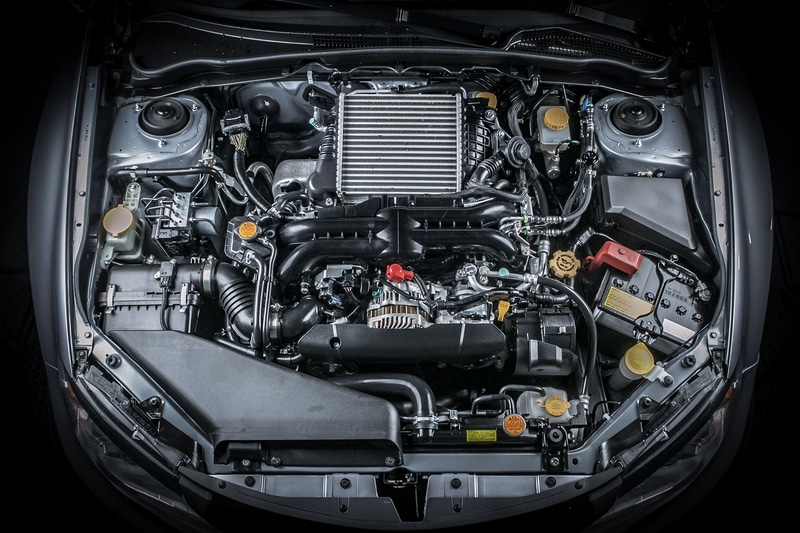
The automobile engine is often described as the heart or soul of the car because it determines power, fuel economy, stability, emissions, reliability, and service life. Although an engine is a complex system, its basic principles are consistent: it converts fuel energy into mechanical power that moves the vehicle. This article explains the role of the automobile engine, common engine classifications, the four-stroke and two-stroke work cycles, the crank connecting rod mechanism, and the gas distribution mechanism. Understanding these basics helps car owners better understand how an engine works and why regular maintenance matters.
Motorens rolle

Hva gjør bilmotoren?

1. Motoren omdanner drivstoffenergi til mekanisk kraft

An automobile engine converts the heat energy of gasoline combustion into mechanical energy. Expanding combustion gas pushes the piston, and the engine then transfers that movement into rotating power for the vehicle. Automobile engines can be classified in several ways:
  • InntakssystemVanlige typer inkluderer naturlig aspirerte, turboladede, mekanisk kompressorladede og dobbeltkompressorladede motorer.
  • StempelbevegelseMotorer kan bruke frem- og tilbakegående stempler eller roterende stempler.
  • Antall sylindereMotorer kan være med én eller flere sylindre.
  • KjølemetodeVanlige kjøledesign inkluderer vannkjølte og luftkjølte systemer.
  • Antall slagForbrenningsmotorer kan bruke en firetakts- eller totaktssyklus.
I tillegg til å levere kraft, bidrar motoren til å kontrollere akselerasjon, retardasjon og stopping gjennom kjøretøyets drivlinjesystemer. Den påvirker også akselerasjon, toppfart, drivstofføkonomi, karbondioksidutslipp, nitrogenoksider, partikler, pålitelighet og holdbarhet.
Arbeidssyklus

Hva er prinsippene og prosessene til en bilmotor?

2. Bensinmotorer bruker mekanismer og systemer for å fullføre arbeidssyklusen


A gasoline engine typically includes the crank linkage mechanism, gas distribution mechanism, and five main systems: fuel supply, lubrication, cooling, ignition, and starting. A diesel engine also has two main mechanisms, but it usually has four systems because it does not use a gasoline-style ignition system. The working principle of an automobile engine involves converting thermal energy into mechanical energy through four processes:
  • InntakLuft-drivstoffblandingen kommer inn i sylinderen.
  • KompresjonBlandingen komprimeres inne i sylinderen.
  • KraftslagBlandingen antennes, forbrenningsgassen ekspanderer, og stempelet skyves nedover.
  • EksosForbrenningsgass presses ut av sylinderen.
These four processes make up one work cycle in a four-stroke engine. In a four-stroke engine, the crankshaft rotates twice and the piston moves four times to complete one cycle. In a two-stroke engine, the crankshaft rotates once and the piston moves twice to complete one cycle. Today, most automobiles use four-stroke engines because they offer better fuel efficiency, reliability, and durability. Four-stroke, water-cooled, in-line or V-type reciprocating engines are common in modern vehicles.
Illustrasjon av bilmotorstruktur og arbeidssyklus
Bildekilde: Animagraffs / Facebook-video
Totaktssyklus

Hvordan fungerer en totakts bensinmotor?

3. En totakts bensinmotor fungerer gjennom totaktsmotorer og gassutveksling

Driften av en totakts bensinmotor kan oppsummeres i tre trinn: første slag, andre slag og gassutvekslingsprosessen.
  • Første slagStempelet beveger seg oppover fra det nedre stoppet. Motoren lukker de tre lufthullene, åpner inntaksportene og lar den brennbare blandingen komme inn i veivhuset. Når stempelet beveger seg oppover, komprimerer det blandingen for neste forbrenningsprosess.
  • Andre slagTennpluggen tenner blandingen, gassen utvider seg, og stempelet skyves nedover. Samtidig lukkes inntaksporten, og blandingen i veivhuset komprimeres for neste gassutveksling.
  • GassutvekslingNår stempelet nærmer seg det nedre stoppet, åpnes eksosporten og eksosgassen forlater sylinderen. Gassutskiftningsåpningen lar deretter den forkomprimerte brennbare blandingen strømme inn i sylinderen og bidra til å slippe ut gjenværende eksosgass.
Gassutvekslingsprosessen er sentral i totaktsmotorers arbeid fordi den gir den neste kraftbasen for forbrenning.
Veivkobling

Hva er veivstangmekanismen?

4. Veivstangmekanismen omdanner stempelkraft til dreiemoment

The crankshaft connecting rod set is a key engine component. It converts the gas force acting on the piston and connecting rod into torque, then drives the transmission, gas distribution mechanism, and other auxiliary devices. During operation, the crankshaft experiences bending and torsional alternating loads caused by gas forces, inertia, and moment changes. Its main functions include:
  • Fullfør arbeidssyklusenMekanismen støtter motorens energiomdanningsprosess ved å omdanne termisk energi fra drivstoffforbrenning til mekanisk bevegelse.
  • SendekraftVeivkoblingen overfører motoreffekten til kjøretøyets girkasse slik at kjøretøyet kan bevege seg.
  • Påvirke ytelse og effektivitetStrukturen og produksjonskvaliteten til veivstangmekanismen påvirker direkte motorens ytelse, effektivitet, holdbarhet og pålitelighet.
Gassdistribusjon

Hvordan fungerer gassfordelingsmekanismen?

5. Gassfordelingsmekanismen styrer inntaks- og eksosventiler

The gas distribution mechanism opens and closes the intake and exhaust valves at the correct time. This allows the air-fuel mixture to enter the cylinder and lets exhaust gases leave after combustion. The crankshaft drives the camshaft through timing gears. The camshaft then moves rocker arms through tappets and push rods. When the cam apex passes the tappet, the valve closes under spring pressure. The gas distribution mechanism includes valve transmission parts and valve groups, such as timing gears, tappets, push rods, rocker arms, valves, valve guides, springs, oil seals, and valve seats. Its timing is determined by the engine’s work cycle and cylinder ignition sequence. During compression and power strokes, closed valves keep the combustion chamber sealed. Correctly timed valve opening and closing ensures normal engine operation.
Konklusjon

6. Forståelse av motorstruktur bidrar til bedre vedlikehold

There are many engine types on the market, but their basic principles are similar. Understanding the engine’s role, work cycle, crank connecting rod mechanism, and gas distribution mechanism helps car owners better understand the vehicle’s powertrain. The original article also notes that future articles will continue to explain engine knowledge. If you have ideas or questions, you can discuss them in the comment section.

Relaterte produkter

Gjengitt via WooCommerce-produktkortkoden, slik at kortene arver den globale produktkortstrukturen og Blocksy/WooCommerce-stilene.

Legg igjen en kommentar

Din e-postadresse vil ikke bli publisert. Obligatoriske felt er merket med *

Choose your language

Choose your language

Prefer another language?

Continue
Language