Rough Idle? Don’t Panic – Here’s How to Fix It at Home
Introduction
If the engine RPM fluctuates up and down after starting, or you feel noticeable vibration through the steering wheel and seats while the vehicle is stationary, your vehicle may be experiencing a rough idle.Under normal conditions, the engine should maintain a stable idle speed and run smoothly. However, as mileage increases, carbon buildup, sensor failures, intake system issues, and fuel system problems can prevent the engine from maintaining a consistent idle.So, what causes a rough idle? Does it affect driving safety? And how can the problem be properly diagnosed and resolved?
I. Why Does a Car Develop a Rough Idle?
A stable idle depends on the coordinated operation of multiple systems, including the intake system, fuel system, ignition system, and engine control system. When any of these systems fail to operate correctly, the engine may experience unstable idle performance.
Throttle Body Carbon Buildup Restricts Airflow
The throttle body controls the amount of air entering the engine.
Over time, dust from the intake air and oil vapor from the engine can accumulate inside the throttle body, forming carbon deposits that affect throttle plate movement and disrupt airflow control.
Common symptoms include:
- Fluctuating idle speed
- Difficult cold starts
- Engine vibration after releasing the accelerator
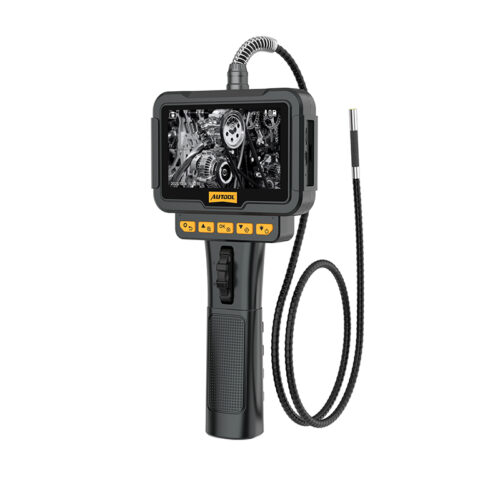
An automotive borescope can be used to inspect the throttle body and check for carbon buildup or contamination. For basic inspection needs, the AUTOOL SVB208 provides a practical solution.
Fuel Injector Clogging Causes Poor Fuel Delivery
Fuel injectors atomize fuel and spray it into the combustion chamber.
When carbon deposits or contaminants build up inside the injectors, they can cause:
- Uneven fuel delivery
- Poor fuel atomization
- Incomplete combustion in certain cylinders
This can result in noticeable engine vibration during idle.
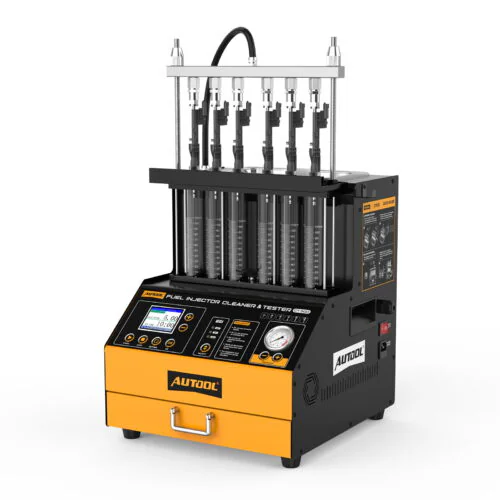
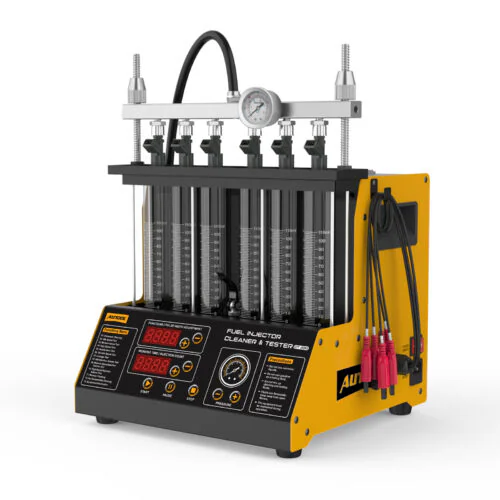
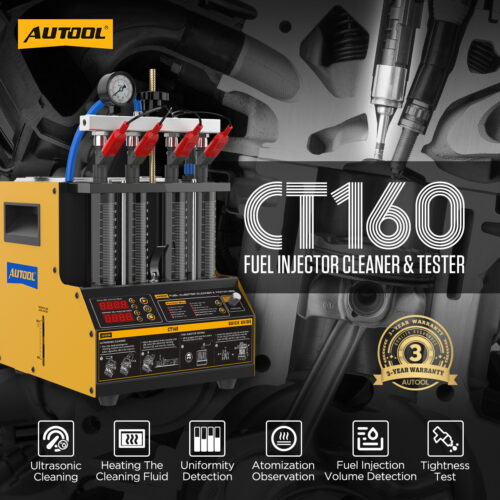
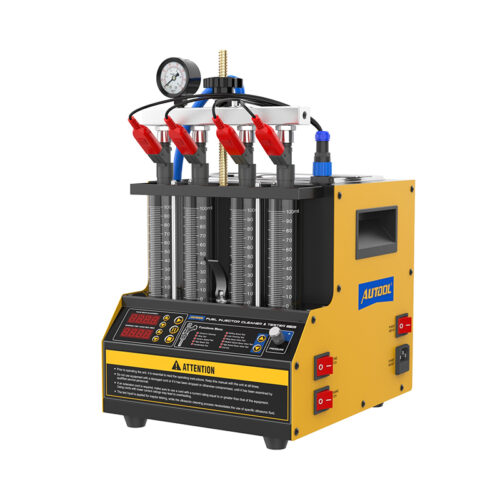
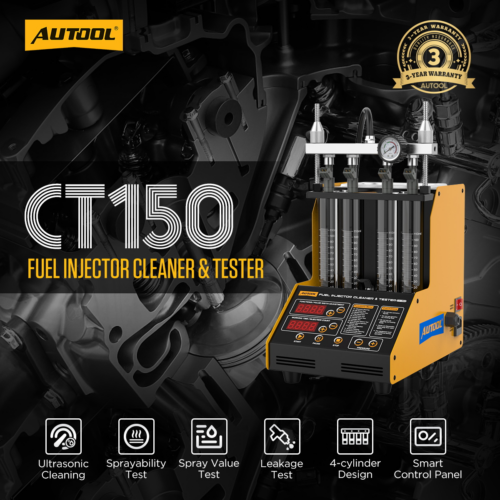
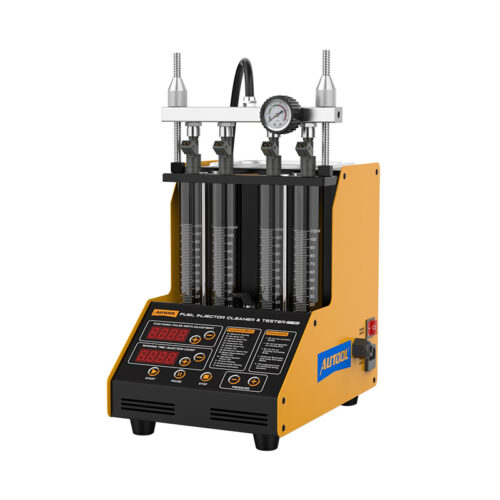
An injector tester can be used to check injector performance, including fuel delivery and spray condition. For a detailed testing and cleaning guide, check out this article:
Spark Plug or Ignition System Issues
A stable ignition system is essential for smooth engine operation.
When spark plugs become worn:
- Ignition performance decreases
- The air-fuel mixture may not burn completely
- Engine misfires may occur
This can lead to noticeable engine shaking.
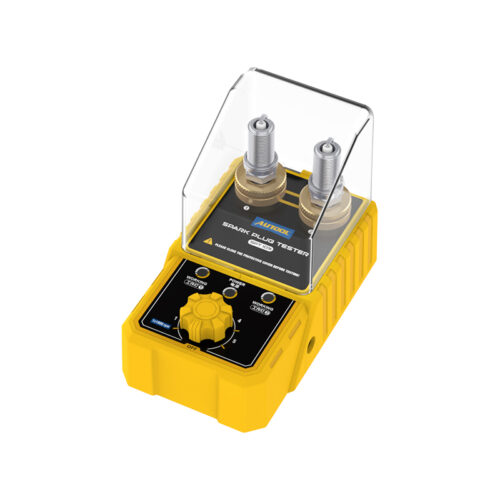
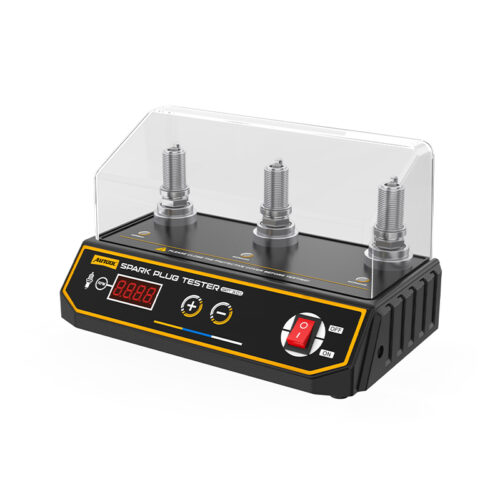
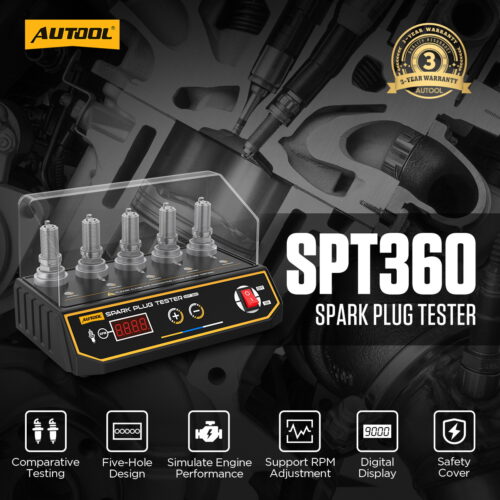
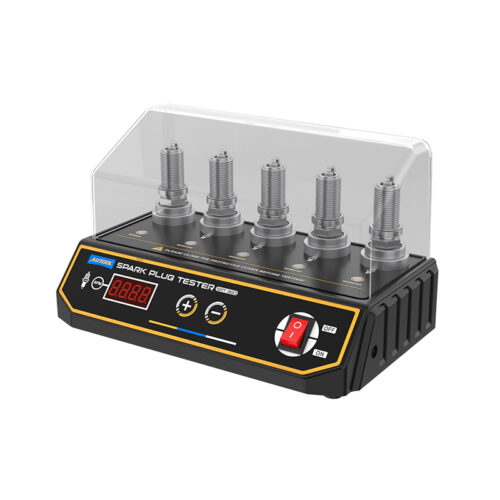
A spark plug tester can quickly check spark plug performance and ignition condition.
Sensor Failures Affect ECU Control
Modern vehicles rely on multiple sensors to monitor and adjust engine operation, including:
- Mass Air Flow (MAF) sensor
- Oxygen sensor
- Crankshaft position sensor
If sensor signals become inaccurate, the ECU may not be able to correctly adjust the air-fuel ratio, resulting in unstable idle performance.
Excessive Carbon Buildup Inside the Engine
During long periods of low-speed driving, carbon deposits can gradually accumulate on:
- Intake valves
- Combustion chambers
- Piston crowns
Severe carbon buildup can restrict airflow and reduce combustion efficiency, leading to idle vibration.
An automotive borescope is also a useful tool for inspecting internal carbon buildup and evaluating engine condition.
II. Is a Rough Idle Dangerous While Driving?
A mild rough idle usually does not immediately affect driving safety. In many cases, it may simply indicate that maintenance is required.
However, the vehicle should be inspected promptly if any of the following symptoms appear.
Severe Engine Vibration
If the steering wheel or seats vibrate noticeably while the vehicle is stationary, it may indicate abnormal combustion or engine operation issues.
Sudden Idle Drop or Engine Stalling
If the engine stalls while waiting at traffic lights or during highway driving, it can create a potential safety risk.
Check Engine Light Turns On
An illuminated check engine light usually means the ECU has detected an abnormal condition. An automotive diagnostic scanner can be used to read trouble codes and help identify the cause.
III. Can Slight Idle Vibration Be Ignored?
Many vehicle owners think: “The car still drives fine. A little vibration should not be a big problem.”
However, whether slight vibration requires attention depends on the actual cause.
If the issue is caused by:
- Slightly worn engine mounts
- Load changes when the A/C compressor switches on and offthe impact may be limited.
However, if the cause is related to fuel injector clogging, throttle body carbon buildup, or ignition system issues, ignoring the problem for a long time may result in:
- Increased fuel consumption
- Reduced engine performance
- Catalytic converter damage
- Increased engine wear
When abnormal idle behavior appears, early inspection is recommended to prevent minor issues from developing into more serious repairs.
IV. How to Fix a Rough Idle
The key to solving a rough idle problem is finding the actual cause first—not replacing parts blindly.
Read Diagnostic Trouble Codes with an OBD Scanner
Modern vehicle electronic systems are complex.
An OBD diagnostic scanner can retrieve:
- Engine fault codes
- Live data streams
- Sensor status readings
This helps technicians quickly identify abnormal signals and locate the source of the problem.
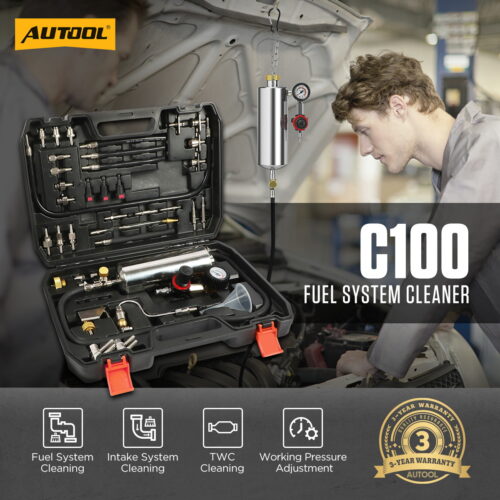
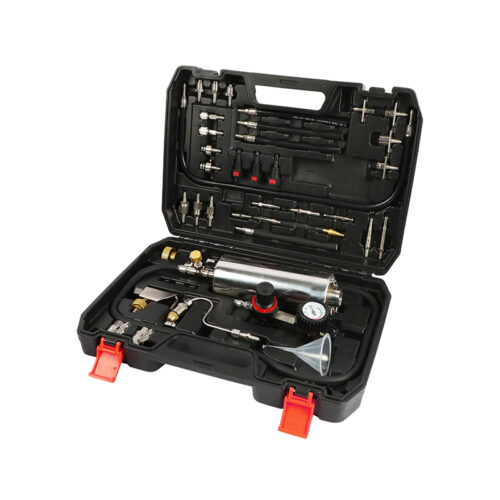
Clean the Throttle Body and Intake System
If carbon buildup is restricting airflow, possible solutions include:
- Cleaning the throttle body
- Cleaning the intake system
- Checking the air filter condition
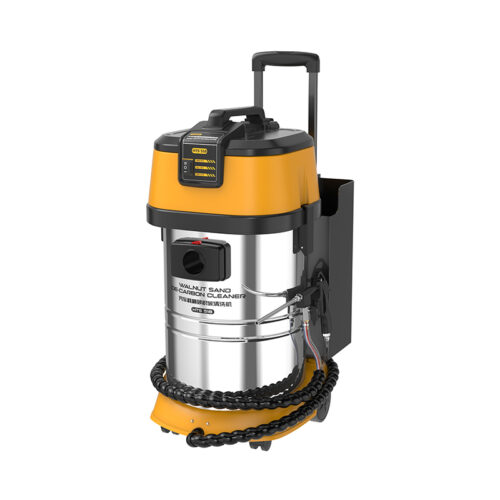
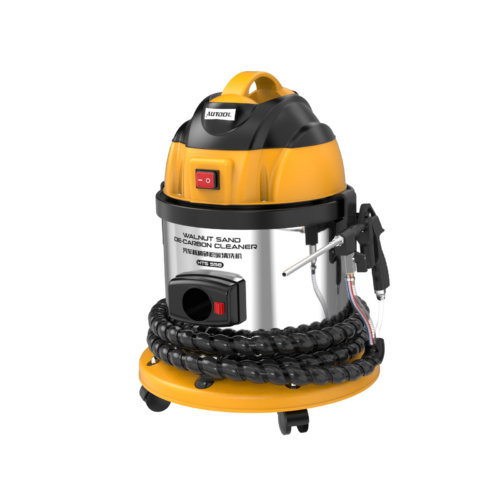
For GDI (Gasoline Direct Injection) engines, intake valve carbon buildup is more common and may require professional cleaning equipment.
Clean the Fuel Injectors
If injector atomization performance has decreased:
- Use an injector tester to check spray pattern and flow performance
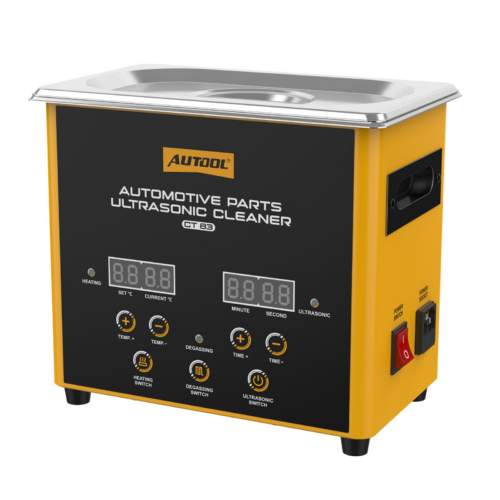
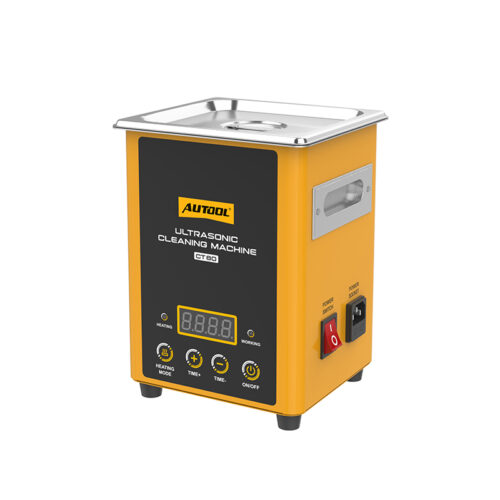
- Use ultrasonic cleaning equipment to remove internal deposits
Proper injector maintenance helps restore fuel delivery performance and improve engine smoothness.
Inspect and Maintain the Ignition System
Regularly check:
- Spark plug condition and gap
- Ignition coil condition
- Ignition performance
A properly maintained ignition system ensures stable combustion across all cylinders.
Conclusion
A rough idle is not a single, isolated fault. It is usually caused by problems across multiple systems working together, including carbon buildup, fuel delivery issues, ignition problems, and sensor failures.
For vehicle owners, ignoring minor vibrations may allow small issues to develop into more expensive engine repairs. For repair shops, using professional diagnostic and cleaning equipment helps technicians identify problems faster, improve repair efficiency, and deliver more reliable service. Maintaining a healthy engine not only improves driving comfort but also helps extend vehicle service life.
Lorem ipsum dolor sit amet, consectetur adipiscing elit. Ut elit tellus, luctus nec ullamcorper mattis, pulvinar dapibus leo.

 autoolstore.com