Components of basic car engine construction
1. A Car Engine Uses Two Major Mechanisms and Five Main Systems
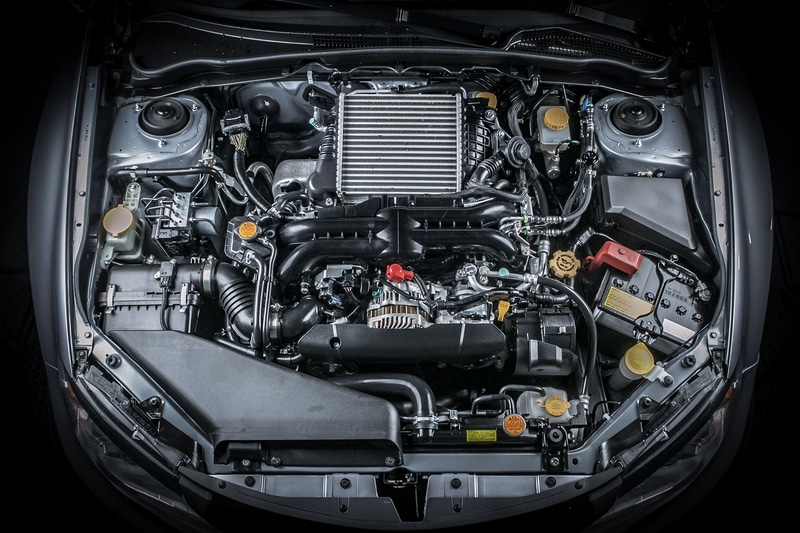
The car engine is the power plant of the vehicle. It converts the chemical energy of fuel into thermal energy, then converts thermal energy into mechanical energy. A typical gasoline engine includes two major mechanisms and five main systems: crank linkage mechanism, gas distribution mechanism, cooling system, fuel supply system, lubrication system, ignition system, and starting system. Diesel engines generally have fewer gasoline-style ignition components because they use compression ignition.Cooling system
The cooling system usually includes a water tank, water pump, radiator, fan, thermostat, water temperature gauge, and drain switch. Automobile engines may use air cooling or water cooling, but most car engines are water-cooled. The system keeps the engine within the proper temperature range and helps prevent overheating or overcooling.
Lubrication system
The lubrication system includes the oil pump, collector filter, oil filter, oil passages, pressure limiting valve, oil gauge, pressure sensing plug, and dipstick. It reduces internal friction, helps extend engine life, and keeps engine parts cleaner.
Fuel supply system
Gasoline engine fuel systems may include a fuel tank, fuel gauge, fuel pipe, fuel filter, fuel pump, carburetor or injection system, and air filter. Diesel systems include injection pumps, injectors, governors, diesel tanks, delivery pumps, oil-water separators, diesel filters, injection advance components, and high- and low-pressure fuel lines.
Ignition system
The ignition system includes spark plugs, ignition coils, and distributors or related ignition control components. It provides ignition energy for combustion through high-voltage current and ignition timing control.
Starting system
The starting system includes the starter motor and related accessories. It starts a stationary engine and brings it into self-running operation.
Daily engine maintenance points
2. Engine Maintenance Should Match the Systems That Keep the Engine Running
From the engine structure above, several daily maintenance priorities become clear:- Replace lubricating oil regularlyFresh oil helps reduce friction and protect moving parts inside the engine.
- Check the cooling systemInspect the cooling system and replace coolant regularly to reduce overheating risk.
- Clean carbon depositsThrottle, intake manifold, combustion chamber, and injector carbon deposits should be cleaned when needed to maintain performance.
- Replace air filters regularlyA clean air filter supports normal airflow and combustion efficiency.
- Maintain the ignition systemIgnition system condition affects combustion stability and engine response.
- Check the fuel systemRegular fuel system inspection helps maintain fuel delivery and engine reliability.
New car engine technologies and trends
3. Traditional Engines Continue to Evolve Alongside Hybrid and Electric Powertrains
As the heart of the automobile, the engine depends on the coordinated work of all systems. Traditional engines continue to evolve as technology advances and environmental requirements increase.Turbocharging vs. mechanical supercharging
Turbocharging and mechanical supercharging are two common forms of forced induction. Compared with mechanical supercharging, turbocharging does not directly consume engine crankshaft power in the same way, so it is widely used in many high-performance vehicles. Both technologies have advantages and disadvantages.- TurbochargingA turbocharger includes a turbine and a compressor. Exhaust gas drives the turbine, which then drives the compressor to compress air and send more air into the engine. This allows the engine to burn more fuel and increase power. Turbochargers are relatively simple and lower in cost, but pressure buildup can take time, so turbo lag may appear at low speeds.
- Mechanical superchargingMechanical supercharging uses engine power to drive a compressor, compressing air and sending it into the engine. Mechanical superchargers are more complex and costly, but they respond quickly and can provide better immediate power response.
Hybridization and electrification trends
The original article cites China as an example: in 2023, sales of plug-in and range-extended hybrid passenger cars reached 2.754 million units, up 85.5% year-on-year. It also cites a forecast that by 2025, the share of China’s plug-in and range-extended hybrid passenger car sales would rise to 40%.HEV hybrid vehicles
HEVs use a combination of battery power and gasoline power. The battery, usually high-power lithium-ion, nickel-metal hydride, or sometimes a supercapacitor, mainly supports starting and acceleration. HEVs rely on regenerative braking instead of external charging. The original article notes that battery capacity is usually around 10 Ah.
PHEV plug-in hybrid vehicles
PHEVs have larger battery capacity, often ranging from 30 to 60 Ah in the original article. They can travel about 50 to 80 kilometers on battery power alone, then rely on gasoline for the remaining journey. Home charging under 10A takes longer, while high-current charging may reduce charging time to 10 to 30 minutes when specialized charging facilities are available.