Kategorizálatlan
Autómotor – Az autó szíve leleplezve!

január 9, 2025
Részesedés:
 autoolstore.com
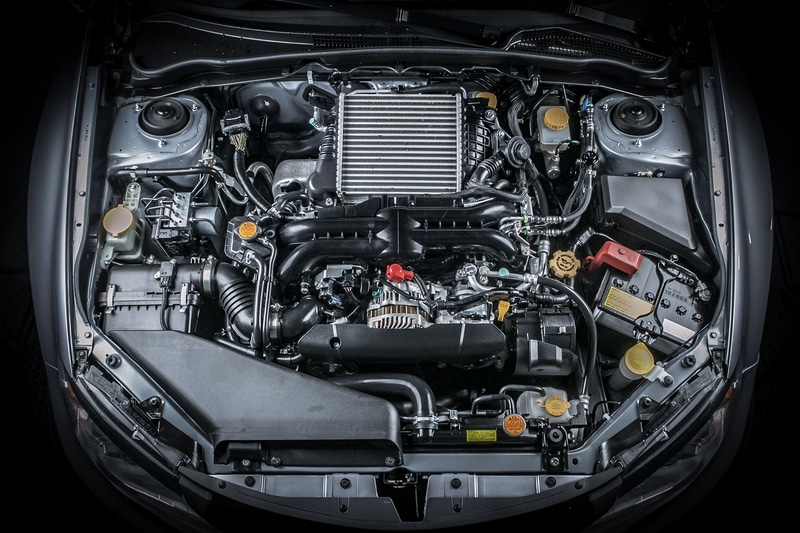
Az alapvető autómotor-konstrukció alkotóelemei
Hűtőrendszer
A hűtőrendszer általában tartalmaz egy víztartályt, vízpumpát, hűtőt, ventilátort, termosztátot, vízhőmérséklet-mérőt és leeresztő kapcsolót. Az autómotorok használhatnak léghűtést vagy vízhűtést, de a legtöbb autómotor vízhűtéses. A rendszer a motort a megfelelő hőmérsékleti tartományon belül tartja, és segít megelőzni a túlmelegedést vagy a túlhűtést.
Kenőrendszer
A kenőrendszer magában foglalja az olajszivattyút, a gyűjtőszűrőt, az olajszűrőt, az olajjáratokat, a nyomáshatároló szelepet, az olajmérőt, a nyomásérzékelő csavart és a nívópálcát. Csökkenti a belső súrlódást, segít meghosszabbítani a motor élettartamát, és tisztábban tartja a motor alkatrészeit.
Üzemanyag-ellátó rendszer
A benzinmotor üzemanyagrendszerei tartalmazhatnak üzemanyagtartályt, üzemanyagszint-jelzőt, üzemanyagcsövet, üzemanyagszűrőt, üzemanyag-szivattyút, karburátort vagy befecskendező rendszert és levegőszűrőt. A dízelrendszerek magukban foglalják a befecskendező szivattyúkat, a befecskendezőket, a szabályozókat, a dízeltartályokat, a szállítószivattyúkat, az olaj-víz szeparátorokat, a dízelszűrőket, a befecskendezés-előrehaladó alkatrészeket, valamint a nagy- és alacsony nyomású üzemanyagvezetékeket.
Gyújtási rendszer
A gyújtásrendszer gyújtógyertyákat, gyújtótekercseket és elosztókat vagy kapcsolódó gyújtásvezérlő alkatrészeket tartalmaz. Nagyfeszültségű áram és gyújtási időzítés vezérlése révén biztosítja az égéshez szükséges gyújtási energiát.
Indítórendszer
Az indítórendszer magában foglalja az indítómotort és a kapcsolódó tartozékokat. Ez indítja be az álló motort, és hozza azt önálló működésbe.
Napi motorkarbantartási pontok
Új autómotor-technológiák és trendek
HEV hibrid járművek
A hibrid hajtású járművek akkumulátor- és benzinüzemű energia kombinációját használják. Az akkumulátor, amely általában nagy teljesítményű lítium-ion, nikkel-metál-hidrid vagy néha szuperkondenzátor, főként az indítást és a gyorsítást támogatja. A hibrid hajtású járművek a külső töltés helyett regeneratív fékezésre támaszkodnak. Az eredeti cikk megjegyzi, hogy az akkumulátor kapacitása általában 10 Ah körül van.
PHEV plug-in hibrid járművek
A PHEV-ek nagyobb akkumulátor-kapacitással rendelkeznek, az eredeti cikkben gyakran 30 és 60 Ah között mozog. Kizárólag akkumulátorral körülbelül 50-80 kilométert tudnak megtenni, majd a fennmaradó utat benzinnel teszik meg. A 10 A alatti otthoni töltés hosszabb időt vesz igénybe, míg a nagyáramú töltés 10-30 percre csökkentheti a töltési időt, ha speciális töltőállomások állnak rendelkezésre.
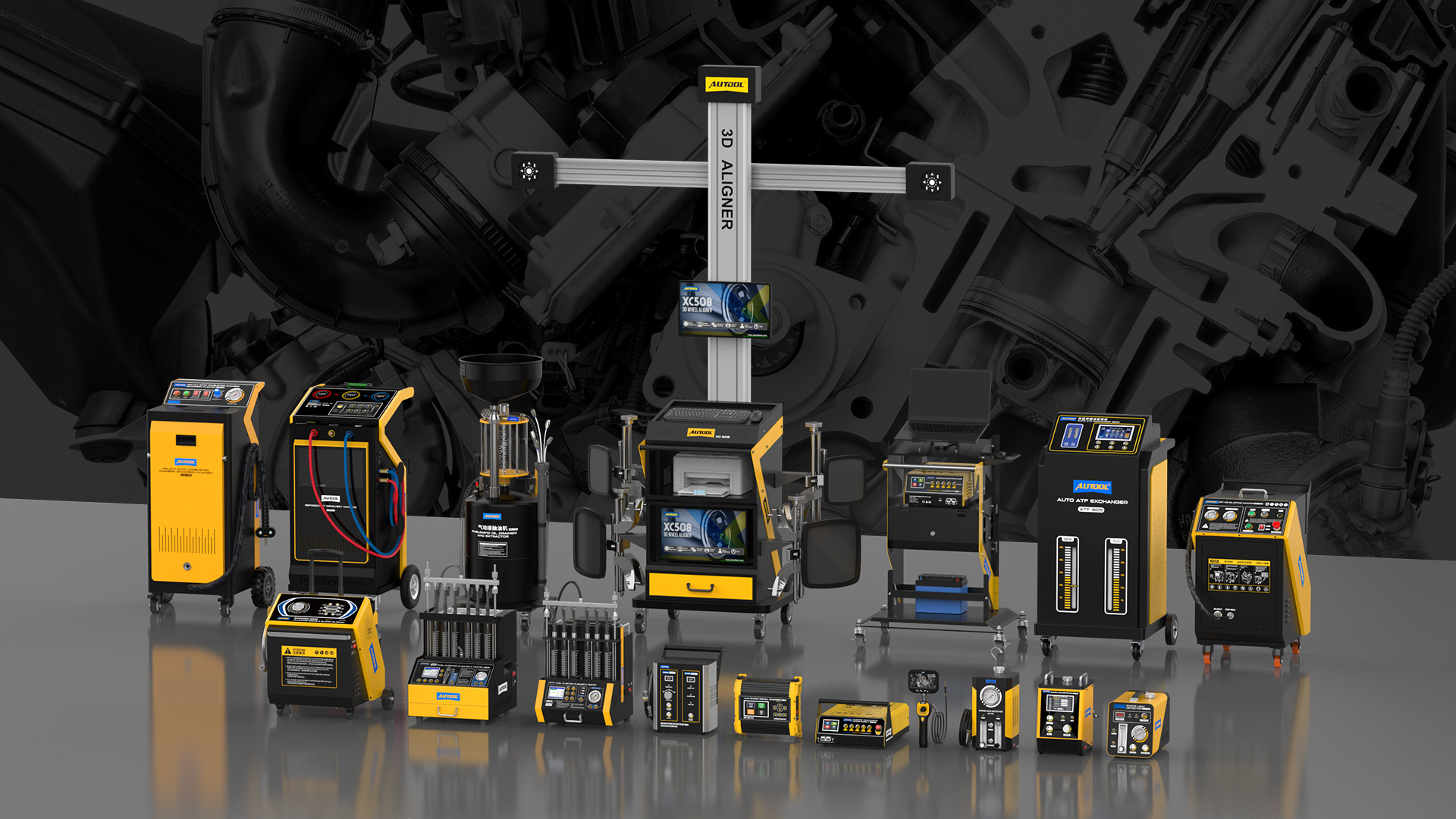
Kapcsolódó termékek
WooCommerce termék rövidkódján keresztül renderelve, így a kártyák öröklik a globális termékkártya struktúrát és a Blocksy/WooCommerce stílusokat.