AUTOOL Blog, Uncategorized
Everything You Need to Know About EVAP System Leak

August 31, 2025
Share:
 autoolstore.com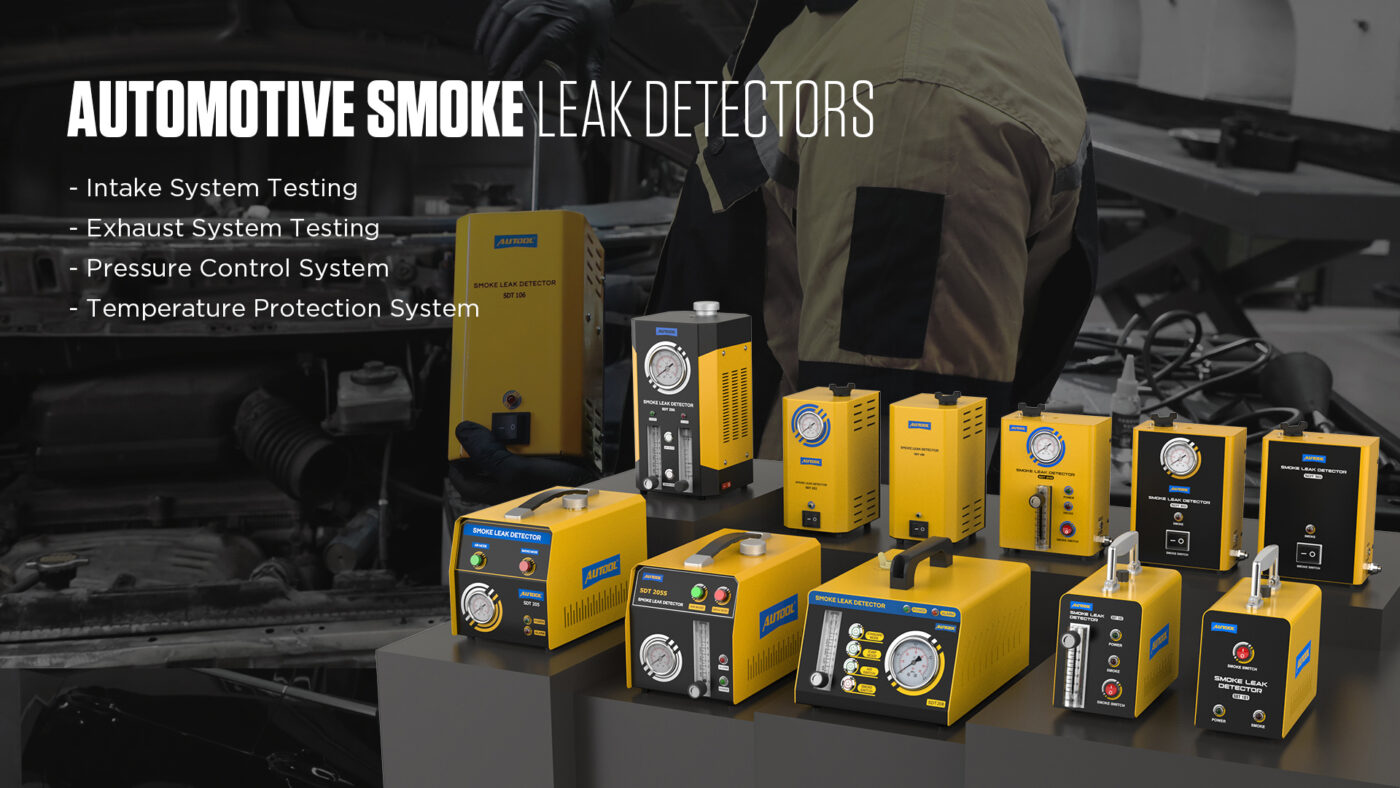
Many car owners often wonder why the car seems to drive just fine, but the Check Engine Light stays on. Sometimes the warning is also accompanied by higher fuel consumption, rough idling, or a faint smell of gasoline inside or outside the vehicle.
In many cases, these symptoms are linked to an easily overlooked system: the EVAP System, or Evaporative Emission Control System. Although it usually works quietly in the background, it plays an important role in vehicle safety, fuel economy, and environmental protection.
This guide explains what the EVAP system does, why EVAP leaks happen, how an EVAP leak test works, and how to choose the right smoke machine for testing vacuum leaks.
What is the EVAP System?
The EVAP system is a key component in modern vehicles. It is designed to prevent fuel vapors from being released directly into the atmosphere. The system captures these vapors and stores them in a charcoal canister, then later purges them back into the engine for combustion.
If the EVAP system develops a leak, it can lead to increased emissions, Check Engine Light warnings, and potential driving performance issues. Even when the vehicle still feels normal, the leak should not be ignored because the system is closely connected to emissions control and fuel vapor management.
Common causes of EVAP leaks
The most common causes of EVAP leaks are usually found in the fuel tank, hoses, valves, and seals. The exact fault may be simple, such as a loose fuel cap, or more involved, such as a damaged charcoal canister or corroded fuel tank.
This is one of the most common causes. If the fuel cap is not tightened properly, or if its sealing ring is worn or damaged, fuel vapors can escape.
The vacuum hoses connecting the fuel tank, charcoal canister, and engine may become brittle, cracked, or loose over time, leading to leaks.
The canister is responsible for absorbing fuel vapors. If its internal filter becomes saturated, damaged, or the housing cracks, a leak may occur.
Components such as the EVAP purge valve or vent valve can stick, clog, or fail to seal properly, preventing the system from maintaining a proper seal.
Seals on the fuel pump, fuel injectors, or hose connections can degrade or be installed incorrectly, causing small leaks.
Especially in older vehicles, the fuel tank may crack because of rust or external impact, directly releasing fuel vapors.
EVAP leak test: how to detect EVAP leaks
Modern vehicles’ Engine Control Units, or ECUs, continuously monitor the EVAP system for proper sealing. When a leak is detected, the Check Engine Light will typically illuminate, and diagnostic trouble codes such as P0440, P0442, or P0455 may be stored.
Using an OBD-II scanner allows the technician to quickly read these codes and make an initial assessment of the problem’s location.
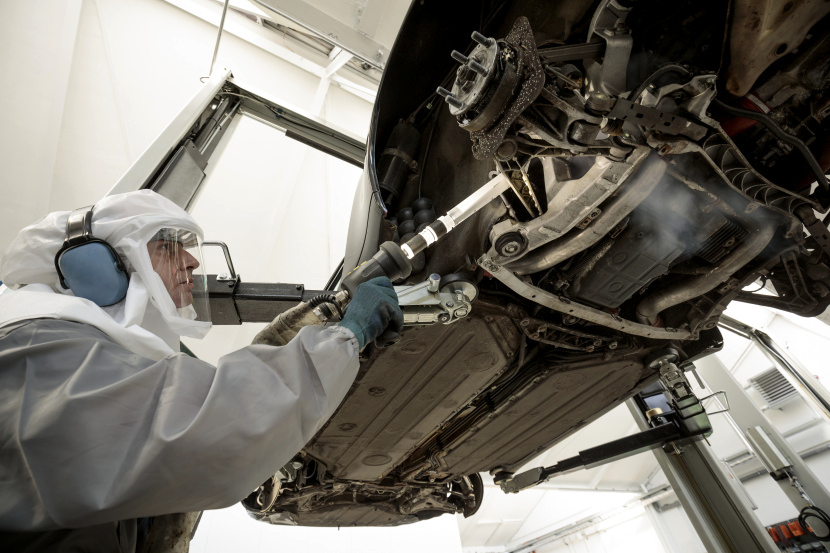
This is the most common and straightforward professional method. An automotive smoke machine introduces low-pressure smoke into the EVAP system. By observing where the smoke escapes, the exact leak point can be identified.
This method is highly effective for detecting cracked hoses, faulty valve seals, or a damaged charcoal canister.
Check whether the fuel cap is tightened properly or whether its seal is worn. Inspect hoses for aging, cracks, or loose connections.
Sometimes a leak may be accompanied by a faint smell of fuel or a hissing sound, which can be confirmed with the help of a mechanic’s stethoscope.
Using specialized gauges, the EVAP system is tested under certain conditions to determine whether it can maintain proper vacuum or pressure. If the pressure cannot be held, it indicates a leak in the system.
Smoke machine for EVAP and vacuum leak testing
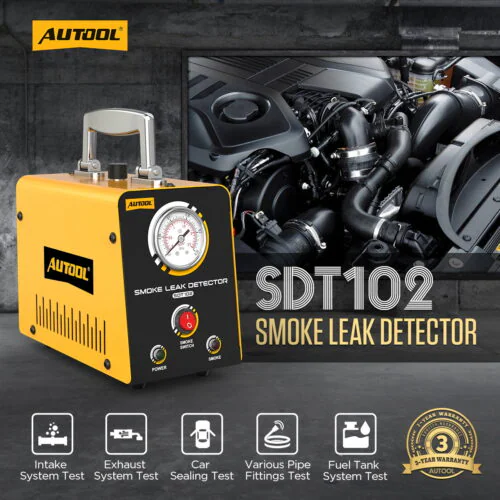
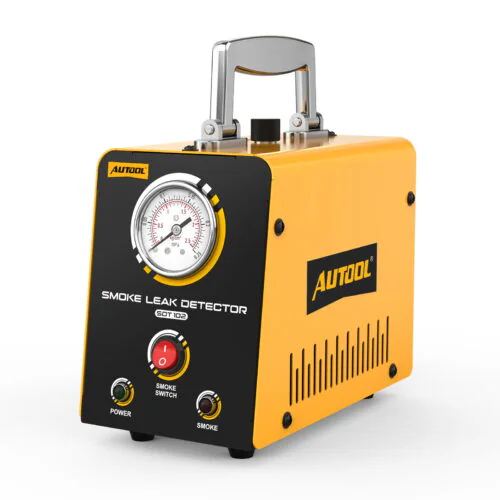
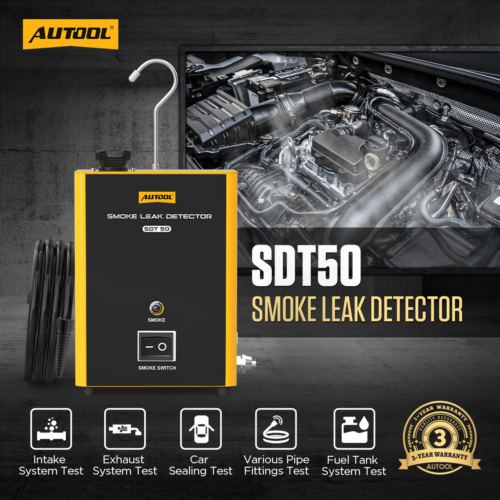
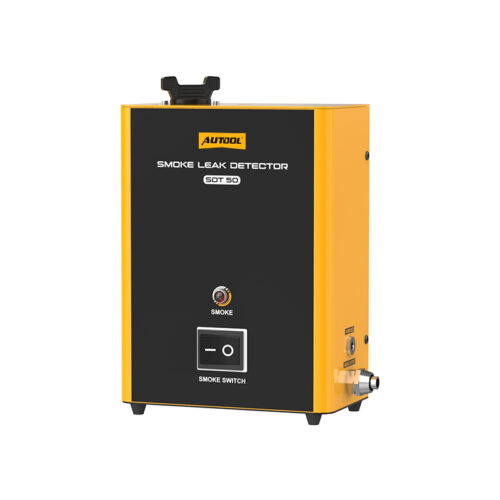
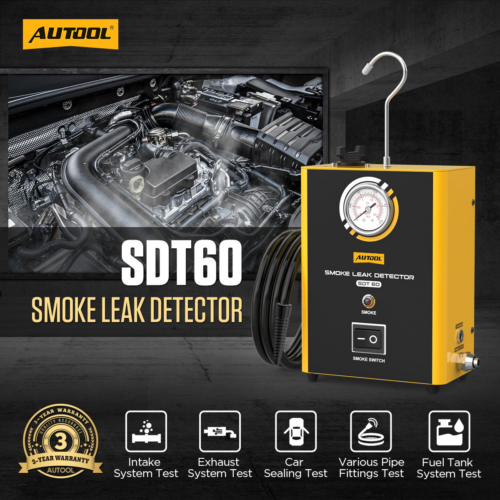
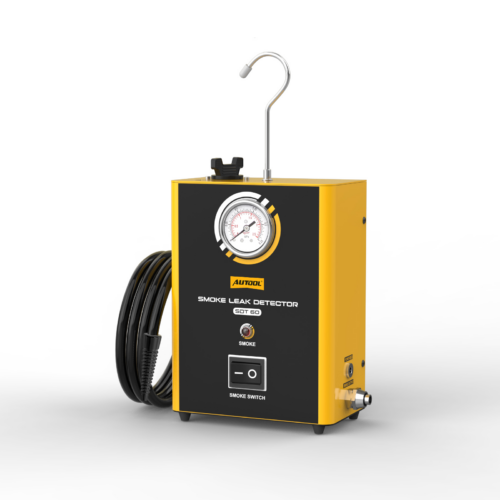
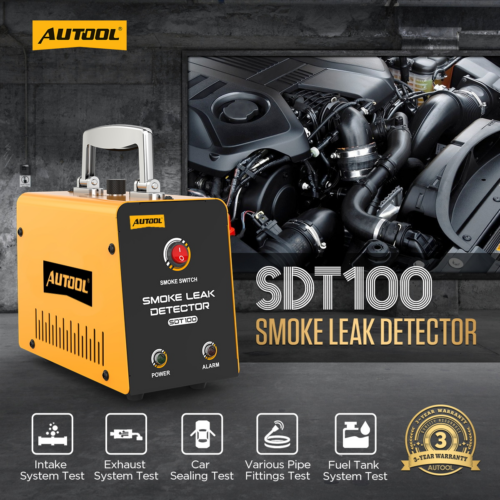
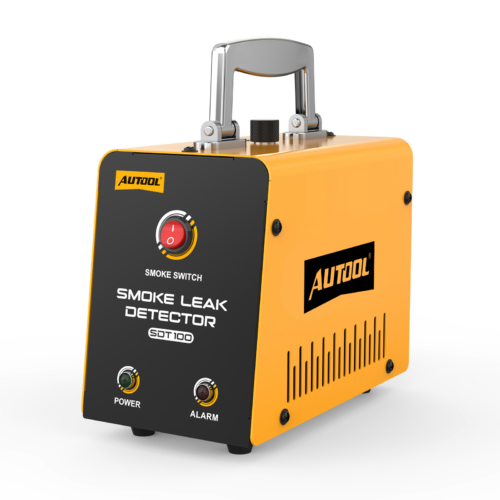
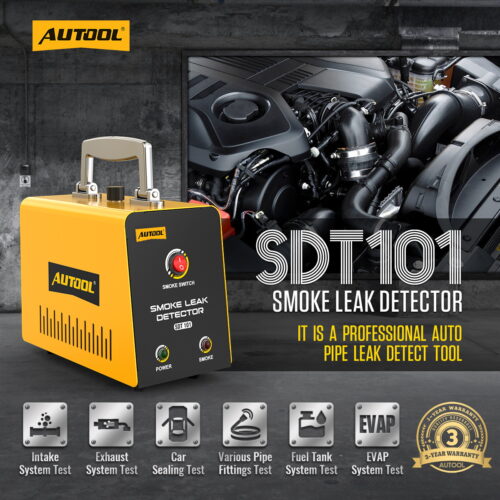
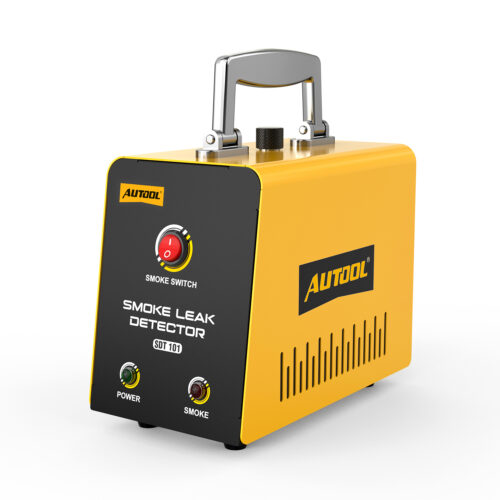
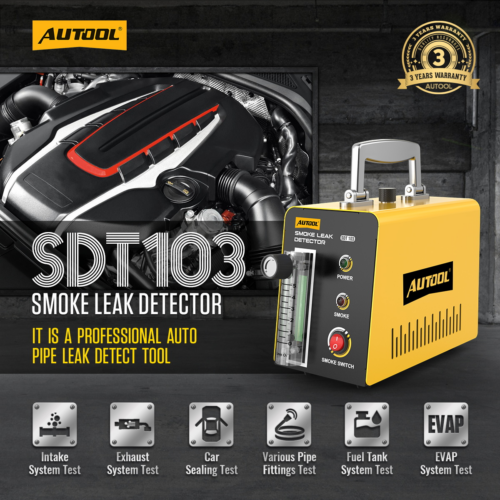
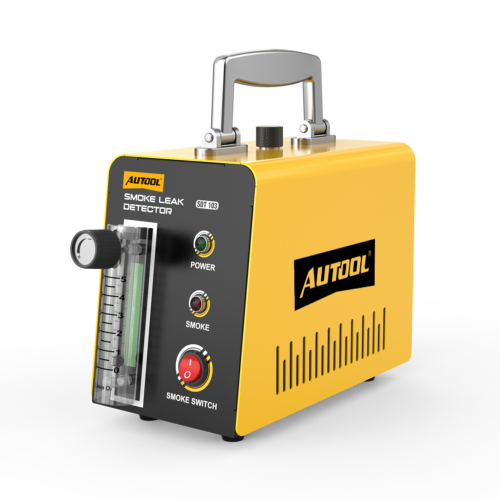
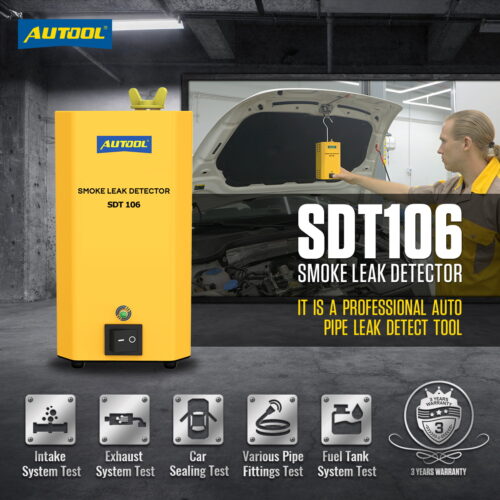
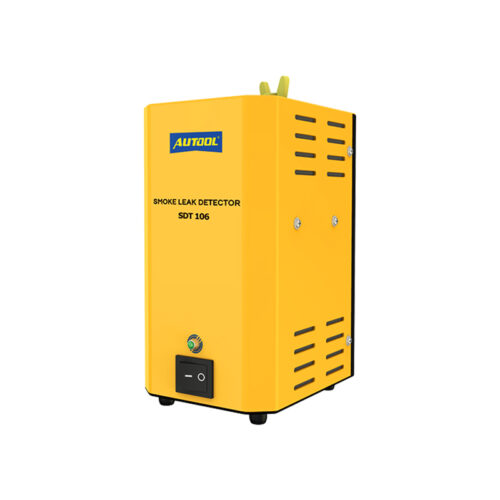
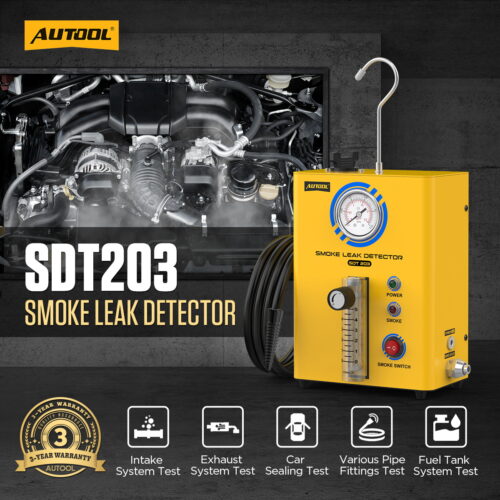
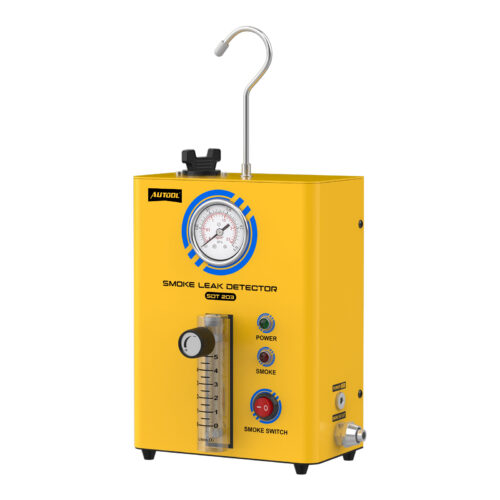
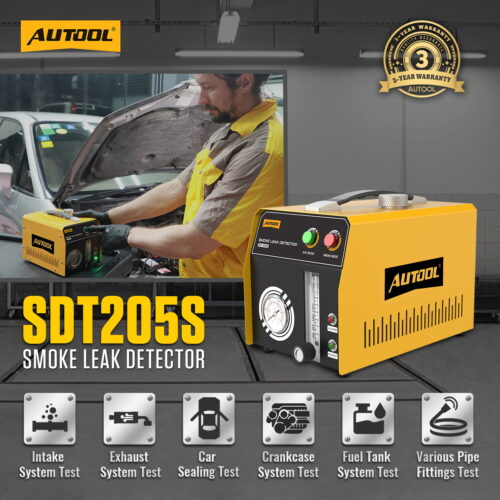
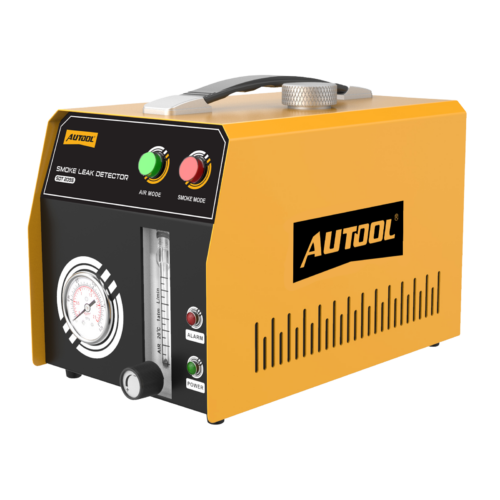
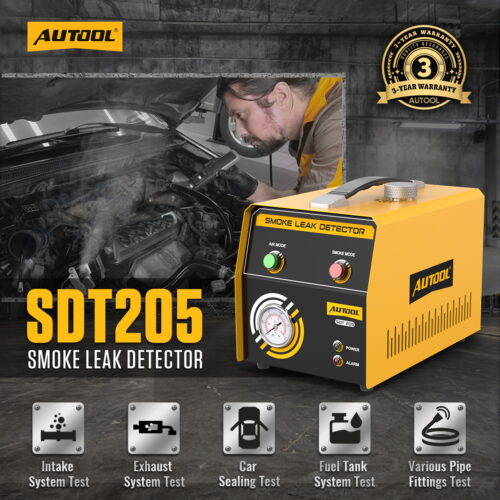
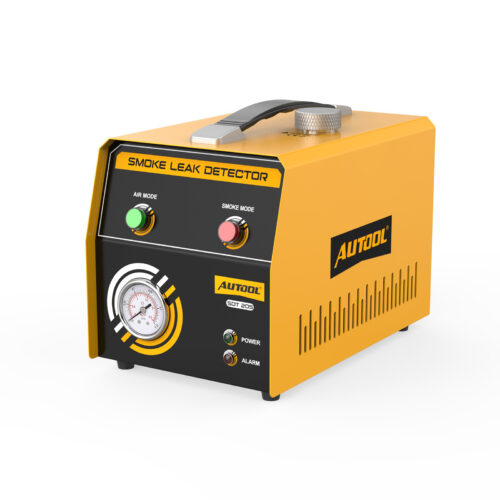
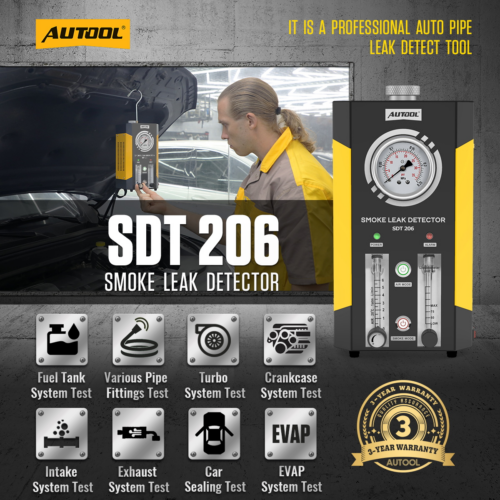
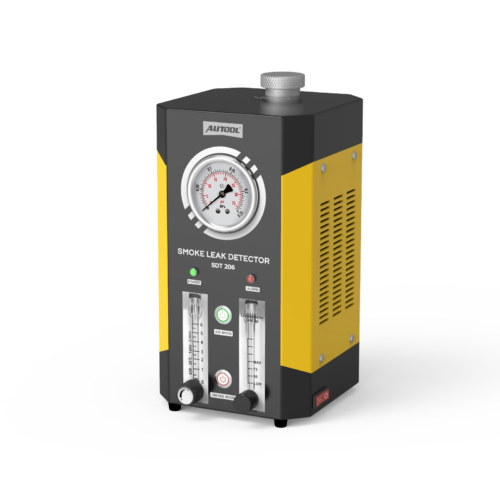
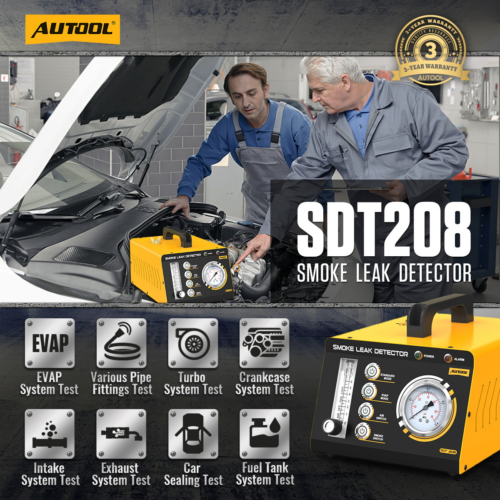
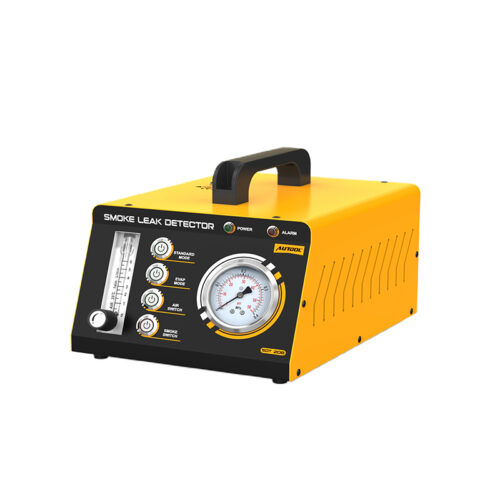
The original product group for this guide includes AUTOOL SDT50, SDT60, SDT100, SDT101, SDT103, SDT106, SDT203, SDT205, SDT205S, SDT206, SDT208, and newer DIY smoke machine options. These tools are used to introduce visible smoke into the EVAP or vacuum system so technicians can locate leak points without blind disassembly.
How to fix an EVAP leak
When an EVAP system leak is detected, the correct solution depends on the root cause. Below are common problems and the corresponding repair direction.
Retighten the fuel cap. If the sealing ring is worn or cracked, replace it with a new fuel cap.
Use a smoke machine, also called a vacuum leak detector, to locate the leak, then replace or refit the hoses. Fuel-resistant hoses are recommended instead of temporary repairs.
Replace the canister. Once it is damaged, it has little repair value and usually must be replaced.
Clean or replace the valve. If OBD codes such as P0443 or P0446 appear, the issue is likely valve-related.
This requires professional repair or replacement of the fuel tank.
A failed pressure sensor may cause false leak detections and should be replaced after proper diagnosis.
In most cases, an EVAP leak does not directly affect engine power or driving safety, and the vehicle can still operate normally. However, it does increase fuel vapor emissions, may eventually damage the charcoal canister or other components, and will trigger the Check Engine Light.
Yes. A loose fuel cap or a worn sealing ring is one of the most common causes of EVAP system failures. Many owners spend money on repairs when replacing the fuel cap may solve the issue.
It is not recommended. While it may not immediately affect drivability, prolonged neglect can lead to excessive emissions and may cause the car to fail inspection. In severe cases, it can damage the canister, valves, and other components, increasing repair costs.
The EVAP leak repair cost depends on the source of the problem. Replacing a fuel cap may cost about $20-50. Replacing a purge or vent valve may cost about $80-200. Replacing a charcoal canister may cost about $200-600. Hose repair or replacement can vary from tens to several hundred dollars.
If it is a minor issue, the repair cost is low, but delaying repairs may lead to more expensive fixes.
For a DIY check, start by making sure the fuel cap is tightened and inspect hoses for obvious cracks or disconnections. If no visible problem is found, it is best to use an automotive vacuum leak detector or have a mechanic perform a detailed inspection.
Although the EVAP system does not directly affect a vehicle’s drivability in many cases, it is closely related to fuel economy and emission control. Once a leak occurs, it may trigger the Check Engine Light, cause a failed emissions inspection, and increase repair costs.
To quickly and accurately identify the problem, one of the most effective tools is a smoke machine for testing vacuum leaks. By injecting safe, visible smoke into the EVAP lines, it clearly reveals the leak location and helps avoid blind disassembly and repeated trial-and-error.
Car owners should regularly check details such as the fuel cap, hoses, and valves. If EVAP-related warning lights or fuel vapor issues appear often, consider using a smoke machine for testing vacuum leaks as a reliable assistant in vehicle maintenance. Contact Hanna to ask about the available discount.
WhatsApp: +86 189 2647 7404
Email: [email protected]
Related Products
Rendered through WooCommerce product shortcode so the cards inherit the global product-card structure and Blocksy/WooCommerce styles.