





7 Important Engine Maintenance Tips for Better Car Care#
An engine is the heartbeat of any car. As a car owner, you want to keep your vehicle's engine in optimal condition to prolong its lifespan and prevent unexpected breakdowns.
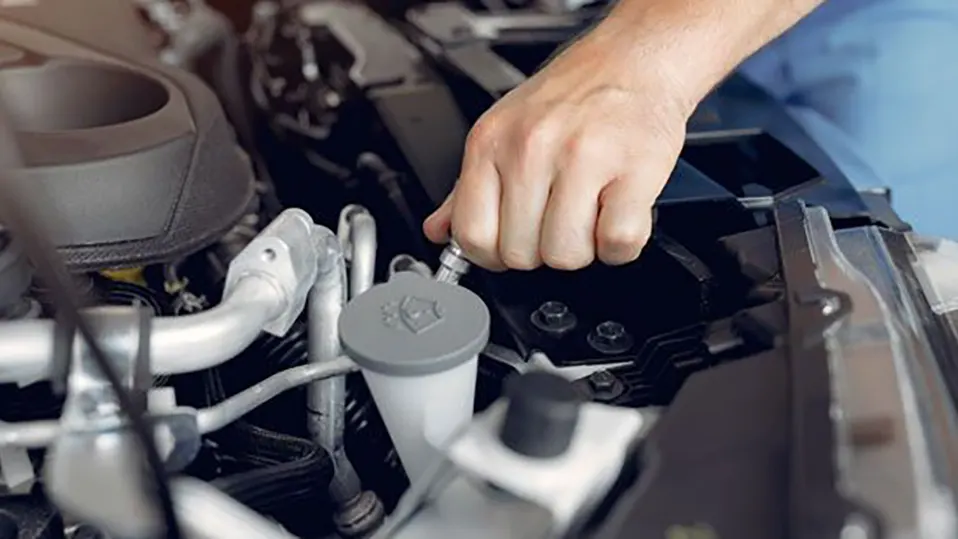
This article organizes the key engine maintenance tips you should focus on when looking after your vehicle's engine, from oil changes and engine cleaning to filters, radiator checks, leak detection, and warning lights.
Basic engine care
Start with Oil and Engine Cleanliness#
1. Change the oil often
Engines have dozens of moving parts, which can easily wear out if they are not lubricated. Therefore, you should change the oil in your car's engine regularly to keep these moving parts in working order at all times.
2. Clean your engine regularly
Your car engine needs to be cleaned thoroughly at least once a year. Dirt, dust, and debris can build up on oil-laden engine surfaces and reduce the cooling system's efficiency by increasing insulation.
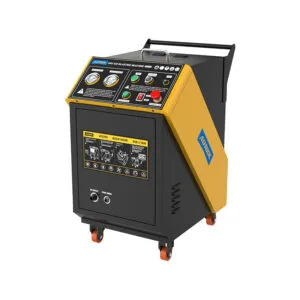
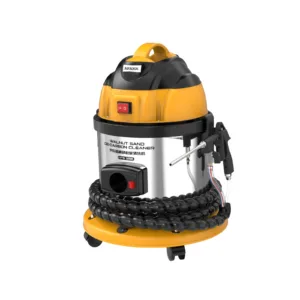
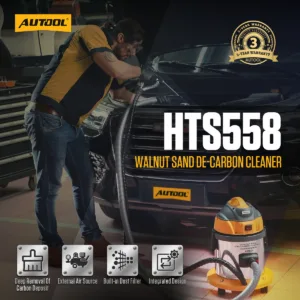
Steam cleaning at a car wash is more effective than cleaning at home, but both are possible. You can use the HTS558 Engine Decarboniser to clean the intake pipe valves inside your engine, or the more versatile HTS708 Dry Ice Blast Cleaning Machine. Cleaning will not only allow your engine to breathe, but will also reveal leaks and worn parts that need replacing.
When cleaning, care should be taken to avoid damaging water-sensitive parts such as electrical components, airlines, and distributors. A non-corrosive degreaser cleaner is recommended.
Air, cooling, and fuel systems
Check the Systems that Keep the Engine Working#
3. Check your air filter
Air filters can easily become clogged with dirt and debris. A clogged air filter can consume more energy and fuel than expected and can affect the whole engine system. The result is a damaged air filtration system.
Experts recommend changing the air filter every 12,000 miles, but you should still check the system regularly for faults.
4. Monitor the radiator
When an engine breaks down fuel into mechanical energy, it generates excessive and unnecessary heat. The radiator transfers this heat from the engine to the atmosphere through the circulation of antifreeze.
Diesel engines generate more heat than petrol engines and their radiators tend to overwork. Nevertheless, all engine radiators should be constantly monitored for performance and physical defects.
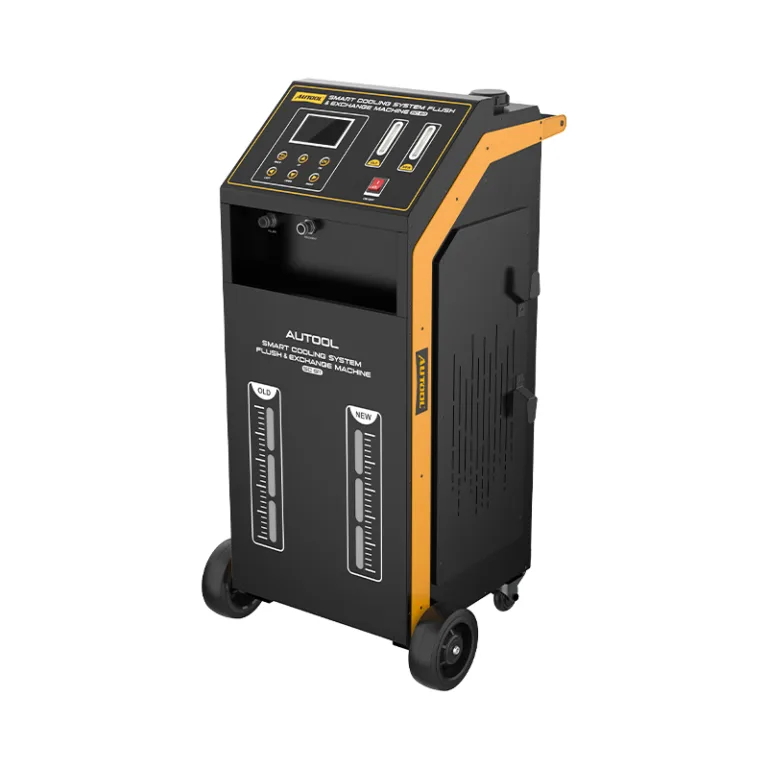
If any defects appear, you can replace the radiator, remove rust and impurities from the antifreeze, and top up the system with fresh antifreeze.
5. Replace the fuel filter
Gas engines have one fuel filter, while diesel vehicles have two. The fuel filter traps water particles present in the fuel. These particles can cause engine failure, exploding fuel injectors, or a loss of horsepower.
Most engines need to change their fuel filters every 10,000 miles, and you should always check them for faults.
Leaks and warning lights
Do Not Ignore Leaks or Warning Signals#
6. Look for leaks
Oil and antifreeze are important in a car engine. Unfortunately, these fluids can leak due to broken pipes or faulty valves. When this happens, it can reduce the efficiency of the system.
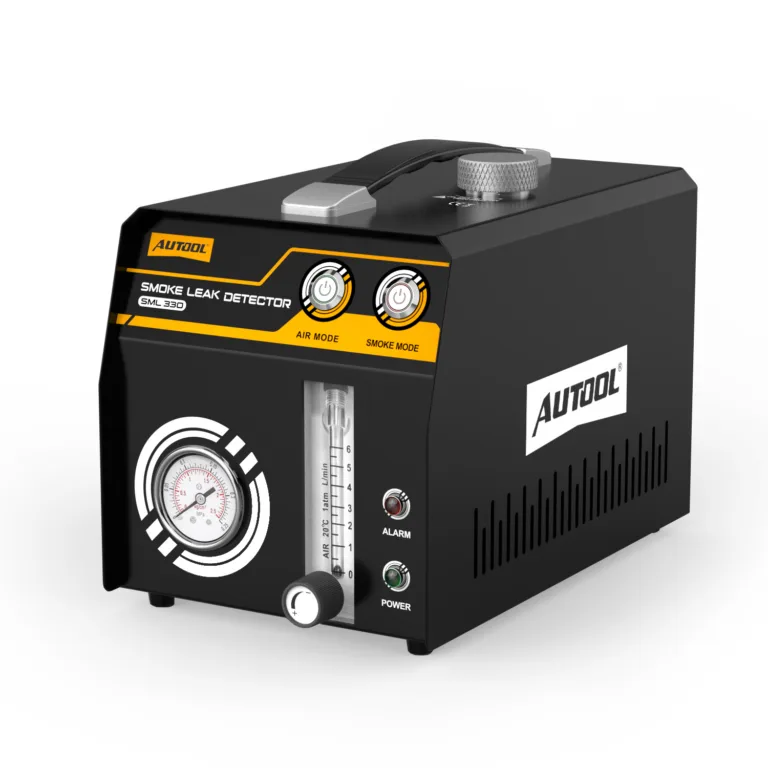
Always check your parking space for oil drips and use a smoke leak detector to detect small leaks if you find any signs of leakage.
7. Pay attention to the engine light
Modern vehicles have an engine light that provides an early warning system in the event of a fault. It is best to go to a mechanic when your engine light comes on for a full diagnosis before the vehicle fails completely.
Protect Your Vehicle Investment#
A vehicle is a substantial investment. To maximize its mileage potential, keeping the engine in good condition is wise.
Make the most of your vehicle by changing the oil frequently, checking for damaged parts, cleaning the engine, monitoring key systems, watching for leaks, and taking the engine light seriously.





Discussion
Comments 0
Need help with an order, warranty or a fault? Contact support
No comments yet. Ask a question or share how the tool worked for you.