AUTOOL Blog, Tech Trends
Transmission Fluid Change: When, Why, and How to Avoid Expensive Repairs

June 30, 2025
Share:
 autoolstore.com
Transmission fluid is like the lifeblood of your vehicle’s transmission system. It does more than lubricate moving parts; it also helps with cooling, cleaning, rust prevention and power transmission. When the fluid deteriorates or is not replaced in time, the transmission can begin to shift harshly, accelerate sluggishly, make unusual noise or suffer severe internal damage.
Transmission repairs can easily cost thousands of dollars, so fluid maintenance should not be treated as an optional service. The right service timing depends on transmission type, mileage, driving conditions and actual fluid condition.
This guide explains when to change transmission fluid, what warning signs suggest fluid deterioration, and how to test fluid condition more accurately before deciding whether replacement is necessary.
Service timing
Different types of transmissions require different maintenance schedules. The intervals below are industry-standard reference values, but the vehicle owner’s manual should always be treated as the final guide for precise recommendations.
Change every 80,000-100,000 km, or 50,000-60,000 miles, or about every 3 years. Manual transmissions are simple in structure, but they still need fresh fluid for smooth shifting and gear protection.
Change every 40,000-80,000 km, or 25,000-50,000 miles, or about every 2 years. Heavy traffic, high-speed driving and high-load use may require earlier replacement.
Change every 60,000-80,000 km, or 37,000-50,000 miles. CVTs are more sensitive to fluid degradation and may become prone to slipping when fluid quality drops.
Wet-type DCT fluid is often changed around 60,000 km, or 37,000 miles. Dry-type systems require more frequent inspection, and the manufacturer’s service schedule should be followed carefully.
These intervals are starting points, not absolute rules. Vehicles used for towing, stop-and-go traffic, mountain roads, hot climates or high-speed operation can degrade fluid faster than lightly driven vehicles.
Symptoms to watch
Transmission fluid may deteriorate before the mileage interval arrives, especially when the vehicle is driven hard or used in severe conditions. Watch for these common symptoms:
If any of these symptoms appear, it is time to check the transmission fluid condition. Continuing to drive with harsh shifting or delayed engagement can increase wear and turn a small service need into an expensive repair.
Measure before replacing
In addition to following mileage and time intervals, you can use professional diagnostic tools for a more accurate assessment of fluid health. Visual checks can reveal obvious discoloration, burnt smell or contamination, but they cannot always show oxidation level or water contamination accurately.
For workshops, a tester can help avoid unnecessary fluid replacement while also preventing missed service on fluid that has already degraded. For DIY car owners, testing helps turn a vague maintenance decision into a clearer inspection result.
A practical fluid diagnosis should consider:
Fluid condition detection
We recommend the AUTOOL AS505 Transmission Fluid Tester for precise detection of fluid quality, oxidation level and water contamination in transmission fluids. Using a tool like this helps prevent unnecessary replacements and supports fluid changes at the right time.
For workshop owners and DIY car enthusiasts alike, the AUTOOL AS505 Transmission Fluid Tester is a reliable and affordable investment. It helps users make more accurate decisions about whether a transmission fluid change is needed, reducing unnecessary maintenance costs and minimizing the risk of customer complaints or warranty claims caused by neglected fluid service.
Evaluate fluid condition instead of relying only on mileage or color.
Identify degradation that can affect lubrication, cooling and shifting behavior.
Detect moisture-related risk before it leads to corrosion or transmission damage.
No. Changing transmission fluid is essential for vehicle longevity and performance. Old or degraded fluid can reduce lubrication, cooling, cleaning and power transmission performance.
Mileage is important, but it is not the only factor. Driving conditions, transmission type, service history and actual fluid condition should all be considered.
CVTs can be sensitive to fluid degradation and slipping, while DCT systems may have different requirements depending on wet-type or dry-type design. Always follow the manufacturer’s service schedule and inspect fluid condition when symptoms appear.
Yes. A transmission fluid tester helps determine whether the fluid actually needs replacement, which can reduce unnecessary maintenance while also catching neglected fluid before it causes larger problems.
Transmission fluid maintenance is a small service compared with the cost of transmission repair. Whether you drive an MT, AT, CVT or DSG/DCT vehicle, smart maintenance means considering mileage and driving conditions, watching for fluid degradation signs, and using professional tools for on-the-spot testing when needed.
If you notice rough shifting, sluggish acceleration, high-speed noise or cold gear engagement problems, inspect the fluid instead of waiting for the next scheduled interval. Early diagnosis can protect performance, reduce repair risk and support better long-term reliability.
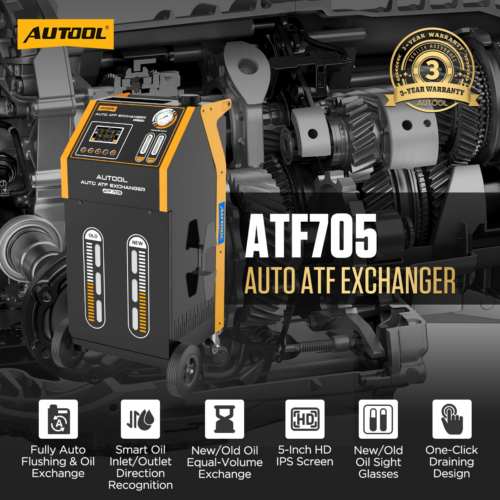
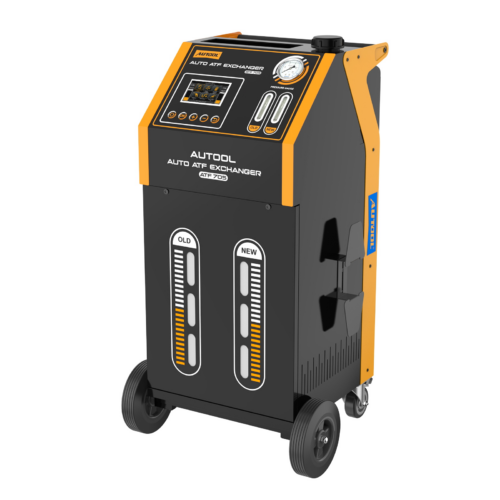
Contact AUTOOL online customer service to discuss the AS505 tester, ATF service tools and workshop maintenance solutions.
Related Products
Rendered through WooCommerce product shortcode so the cards inherit the same product-card structure used by the reference post layout.