AUTOOL Blog, Technologické trendy
Výměna převodové kapaliny: Kdy, proč a jak se vyhnout drahým opravám

30 června, 2025
Podíl:
 autoolstore.com
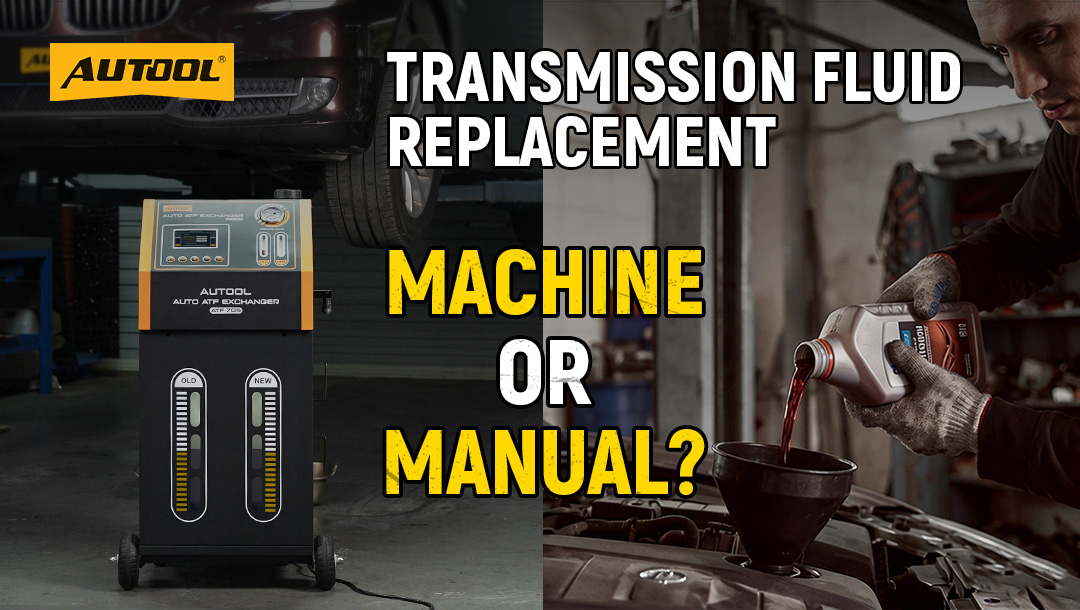
Převodová kapalina je jako krevní oběh převodového systému vašeho vozidla. Nejenže maže pohyblivé části, ale také pomáhá s chlazením, čištěním, ochranou proti korozi a přenosem výkonu. Pokud se kapalina opotřebuje nebo není včas vyměněna, může převodovka začít tvrdě řadit, pomalu zrychlovat, vydávat neobvyklé zvuky nebo utrpět vážné vnitřní poškození.
Opravy převodovky mohou snadno stát tisíce dolarů, takže údržba provozních kapalin by neměla být považována za volitelnou službu. Správné načasování servisu závisí na typu převodovky, počtu najetých kilometrů, jízdních podmínkách a skutečném stavu provozních kapalin.
Tato příručka vysvětluje, kdy je třeba vyměnit převodovou kapalinu, jaké varovné signály naznačují zhoršení stavu kapaliny a jak přesněji otestovat stav kapaliny před rozhodnutím, zda je výměna nutná.
Časový harmonogram služby
Různé typy převodovek vyžadují různé plány údržby. Níže uvedené intervaly jsou standardní referenční hodnoty v oboru, ale za konečný návod k obsluze vozidla by se vždy mělo považovat návod k obsluze vozidla.
Měňte každých 80 000–100 000 km, nebo 50 000–60 000 mil, nebo přibližně každé 3 roky. Manuální převodovky mají jednoduchou konstrukci, ale stále potřebují čerstvou kapalinu pro plynulé řazení a ochranu převodových stupňů.
Vyměňujte každých 40 000–80 000 km, nebo 25 000–50 000 mil, nebo přibližně každé 2 roky. Silný provoz, jízda vysokou rychlostí a vysoké zatížení mohou vyžadovat dřívější výměnu.
Vyměňujte každých 60 000–80 000 km nebo 37 000–50 000 mil. Převodovky CVT jsou citlivější na degradaci kapaliny a mohou mít sklony k prokluzování, když se kvalita kapaliny sníží.
Kapalina v mokré převodovce DCT se často mění přibližně po 60 000 km neboli 37 000 mil. Suché systémy vyžadují častější kontrolu a je nutné pečlivě dodržovat servisní plán výrobce.
Tyto intervaly jsou výchozí body, nikoli absolutní pravidla. Vozidla používaná pro tažení, provoz s častým zastavováním a rozjížděním, horské silnice, horké podnebí nebo provoz vysokou rychlostí mohou degradovat kapalinu rychleji než vozidla s lehkým provozem.
Příznaky, které je třeba sledovat
Převodová kapalina se může zhoršit před uplynutím intervalu pro dosažení požadovaného počtu najetých kilometrů, zejména pokud je vozidlo intenzivně provozováno nebo používáno v náročných podmínkách. Dávejte pozor na tyto běžné příznaky:
Pokud se objeví některý z těchto příznaků, je čas zkontrolovat stav převodové kapaliny. Pokračování v jízdě s tvrdým řazením nebo opožděným zařazením může zvýšit opotřebení a z malé servisní prohlídky udělat drahou opravu.
Změřte před výměnou
Kromě dodržování počtu najetých kilometrů a časových intervalů můžete pro přesnější posouzení stavu provozních kapalin použít profesionální diagnostické nástroje. Vizuální kontroly mohou odhalit zjevnou změnu barvy, zápach spáleniny nebo kontaminaci, ale ne vždy přesně ukážou úroveň oxidace nebo kontaminaci vodou.
V autoservisech může tester pomoci vyhnout se zbytečné výměně provozních kapalin a zároveň zabránit zmeškání servisu u kapaliny, která již degradovala. Pro majitele automobilů svépomocí pomáhá testování proměnit vágní rozhodnutí o údržbě v jasnější výsledek kontroly.
Praktická diagnostika tekutin by měla zvážit:
Detekce stavu kapaliny
Doporučujeme AUTOOL AS505 Tester převodové kapaliny pro přesnou detekci kvality převodové kapaliny, úrovně oxidace a kontaminace vodou. Použití takového nástroje pomáhá předcházet zbytečným výměnám a podporuje výměnu kapalin ve správný čas.
Pro majitele autodílen i nadšence do kutilských aut, AUTOOL AS505 Tester převodové kapaliny je spolehlivá a cenově dostupná investice. Pomáhá uživatelům přesněji rozhodovat o tom, zda je nutná výměna převodové kapaliny, čímž snižuje zbytečné náklady na údržbu a minimalizuje riziko stížností zákazníků nebo reklamací způsobených zanedbáním servisu převodové kapaliny.
Vyhodnoťte stav provozních kapalin, místo abyste se spoléhali pouze na počet najetých kilometrů nebo barvu.
Identifikujte degradaci, která může ovlivnit mazání, chlazení a řazení.
Detekujte rizika související s vlhkostí dříve, než povedou ke korozi nebo poškození převodovky.
Ne. Výměna převodové kapaliny je nezbytná pro dlouhou životnost a výkon vozidla. Stará nebo degradovaná kapalina může snížit mazací, chladicí, čisticí a přenosový výkon.
Počet najetých kilometrů je důležitý, ale není jediným faktorem. Měly by se zvážit jízdní podmínky, typ převodovky, historie servisu a skutečný stav provozních kapalin.
Převodovky CVT mohou být citlivé na degradaci provozních kapalin a prokluzování, zatímco systémy DCT mohou mít různé požadavky v závislosti na provedení s mokrou nebo suchou převodovkou. Vždy dodržujte servisní plán výrobce a zkontrolujte stav provozních kapalin, když se objeví příznaky.
Ano. Tester převodové kapaliny pomáhá určit, zda je kapalinu skutečně třeba vyměnit, což může snížit zbytečnou údržbu a zároveň odhalit zanedbanou kapalinu dříve, než způsobí větší problémy.
Údržba převodové kapaliny je ve srovnání s cenou opravy převodovky malá služba. Ať už řídíte vůz s manuální převodovkou, automatickou převodovkou, CVT nebo DSG/DCT, inteligentní údržba znamená zohlednění počtu najetých kilometrů a jízdních podmínek, sledování známek degradace kapaliny a v případě potřeby používání profesionálního nářadí pro testování na místě.
Pokud si všimnete hrubého řazení, pomalé akcelerace, hluku při vysokých rychlostech nebo problémů se řazením za studena, zkontrolujte provozní kapalinu namísto čekání na další plánovaný interval. Včasná diagnostika může chránit výkon, snížit riziko opravy a podpořit lepší dlouhodobou spolehlivost.
Kontakt AUTOOL online zákaznický servis k projednání AS505 tester, servisní nástroje pro automatickou převodovku (ATF) a řešení pro údržbu v dílně.
Související produkty
Vykresleno pomocí shortcodu produktu WooCommerce, takže karty dědí stejnou strukturu produktových karet, jakou používá rozvržení referenčního příspěvku.