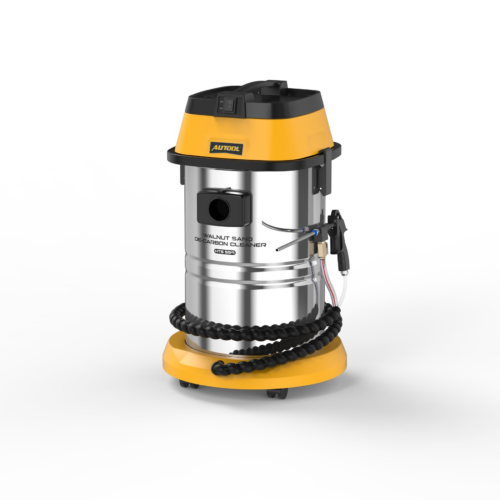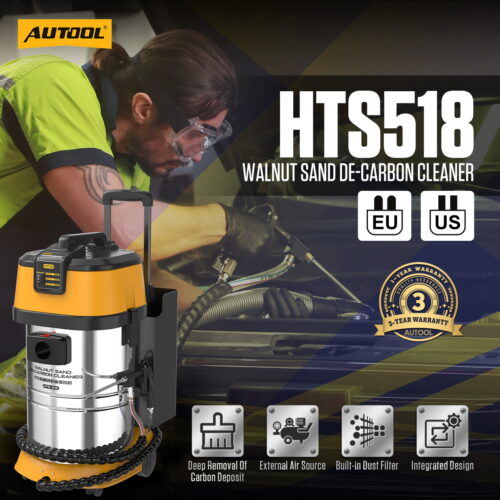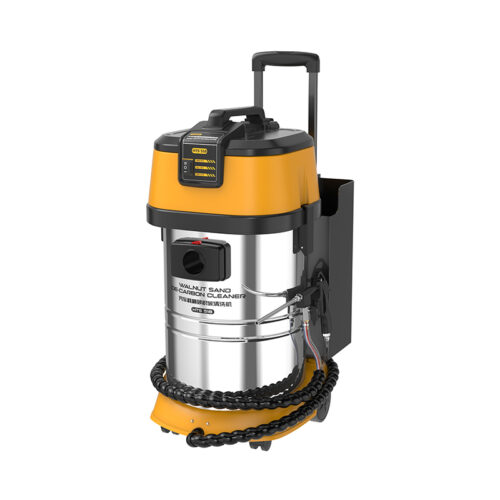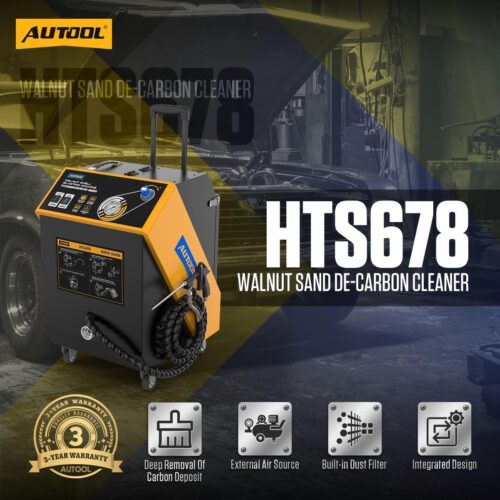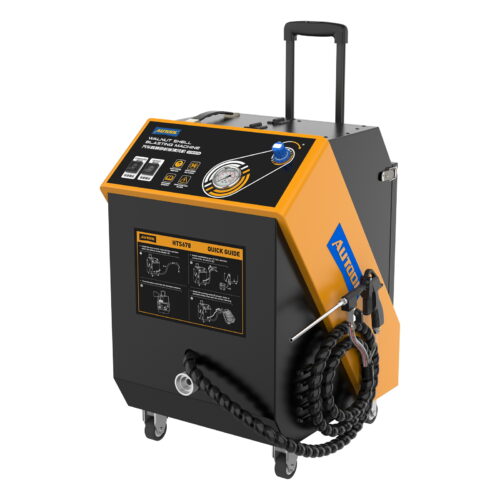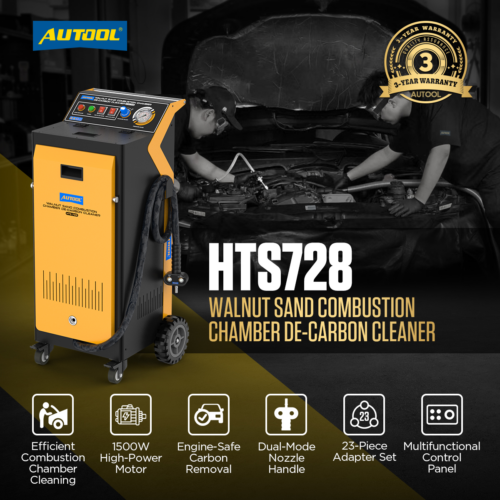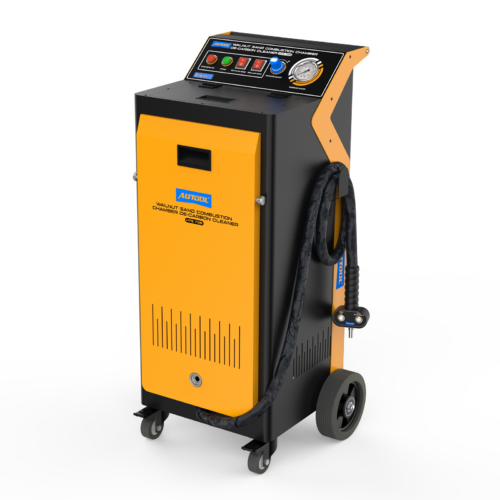
AUTOOL HTS Series · Walnut Blasting Machines

AUTOOL HTS Walnut Blasting Machines for Intake Valve & Intake Manifold Carbon Cleaning

Help clean hardened carbon deposits from intake manifolds, intake ports, and intake valve backsides with walnut shell media, compressed air, adapter sealing, and vacuum recovery. Start with HTS558 for experienced DIY or mobile intake-side cleaning, or compare HTS518 and HTS678 for repeated repair-shop service work.

Walnut blasting machine Intake valve carbon cleaning Intake manifold cleaning Vacuum recovery External compressor required Repair shop service setup
Before ordering: Traditional intake valve walnut blasting may require intake manifold access. Check adapter fitment, compressor setup, walnut media size, and package contents for your selected HTS model.
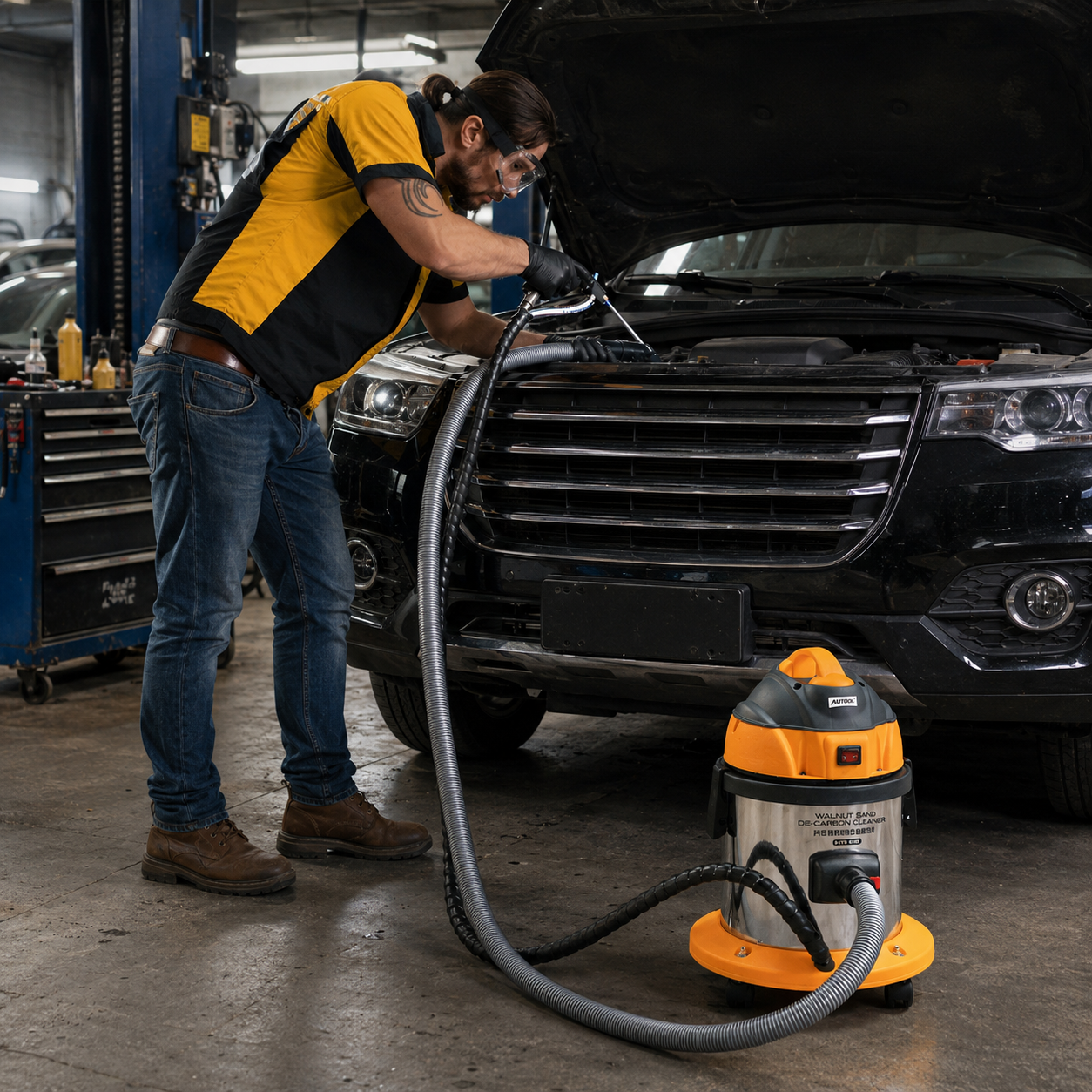
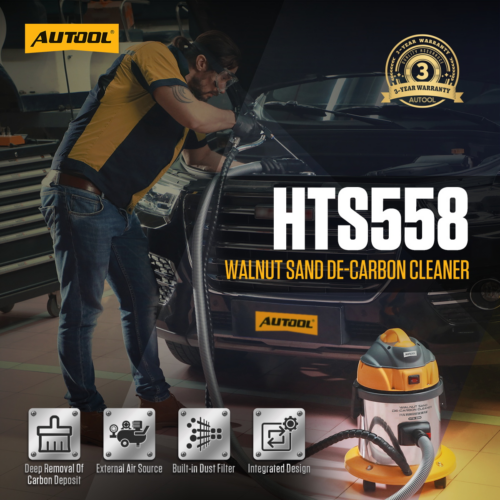
AUTOOL HTS walnut blasting machine used for intake valve and intake manifold carbon cleaning
Best start: HTS558
ForIntake pipe · intake manifold · valve backside
RequiresExternal compressor + dry walnut media
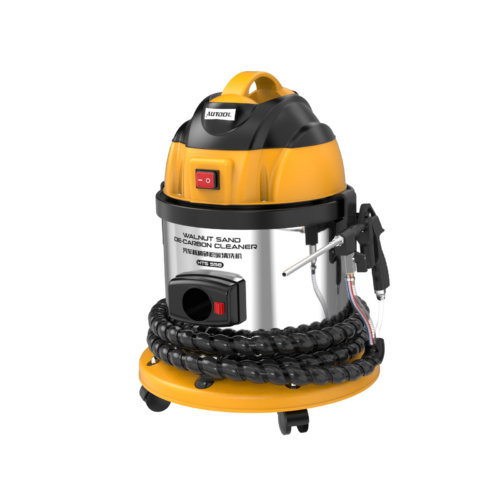
Kit shownMachine · spray gun · hose · adapters · goggles
Warranty3-year AUTOOL warranty
Why Buy Official

Buy AUTOOL HTS from the Official Store When Setup Matters

Walnut blasting equipment is not a one-size-fits-all tool. Buy direct for verified order support, model guidance, warehouse-aware shipping, official manuals, and a clear service path before and after purchase.

3-Year Warranty

Main-unit coverage

Eligible AUTOOL main units are covered by a 3-year limited warranty, with standard bundled accessories generally covered for 1 year unless product-specific terms state otherwise.

4 Warehouse Regions

EU / UK / USA / CN routing

AUTOOL routes eligible orders through the most suitable available warehouse based on stock, item size, destination, and shipping method. Check checkout details for current warehouse and delivery timing.

Official Order Record

Easier support review

Buying direct from autoolstore.com keeps your order, seller, purchase date, product model, and support history in one official record for order questions, warranty review, returns, and after-sales cases.

90-Day Return Window

Clear return path

Eligible return requests may be submitted within 90 calendar days from delivery after approval. Always review the current return policy and product condition requirements before purchase.

Model Check

Choose the right HTS model

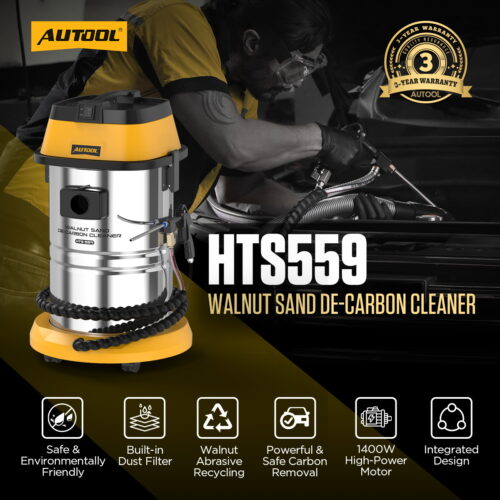
AUTOOL can help you compare HTS558, HTS559, HTS518, HTS678, and HTS728 based on cleaning area, service volume, adapter needs, compressor setup, walnut media size, and vehicle platform.

Package Check

Confirm what arrives

Before payment, check the product page, cart, and checkout for package contents, voltage, adapters, shipping label, and whether walnut media or an external air compressor is included.

Manuals & Tech Support

Setup help after delivery

Access official HTS manuals and product resources. For compressor requirements, walnut media, intake adapters, operation questions, or troubleshooting, contact AUTOOL support by email or WhatsApp.

Workshop / Bulk

Setting up shop service?

Repair shops, mobile mechanics, fleets, and distributors can request model advice and bulk pricing based on service volume, vehicle platforms, quantity, destination, and after-sales needs.

Choose Your Setup

Find the Right AUTOOL HTS Walnut Blasting Machine for Your Job

Start with how you plan to clean carbon buildup: intake-side DIY work, repeated mobile jobs, repair-shop service, or a full setup check before ordering.

01 / Intake-Side Starter

Start with HTS558 for intake valve and manifold cleaning

Choose HTS558 if you can prepare intake access, an external compressor, dry walnut media, and adapter sealing for intake pipe, intake manifold, or intake valve backside carbon cleaning.

02 / Compare HTS Models

Choose by cleaning area, capacity, and service volume

Compare HTS558 for starter intake-side jobs, HTS559 for repeated DIY or mobile work, HTS518 / HTS678 for repair shops, and HTS728 for trained combustion chamber cleaning.

03 / Repair Shop Service

Add intake carbon cleaning to your service menu

Repair shops, mobile mechanics, and distributors can ask about model selection, adapter coverage, bulk orders, and workshop-ready support for repeated walnut blasting jobs.

04 / Before You Buy

Check the tools and setup you need

Before ordering, check whether your job needs an external air compressor, dry walnut media, intake access, adapter fitment, safety gear, gaskets, and included package accessories.

HTS558 · Intake-Side Starter Pick

AUTOOL HTS558 Walnut Blasting Machine for Intake Valve & Manifold Cleaning

Start with HTS558 when your main job is intake-side carbon cleaning. It is built for experienced DIY users, mobile mechanics, and small shops working on intake pipes, intake manifolds, and intake valve backsides.
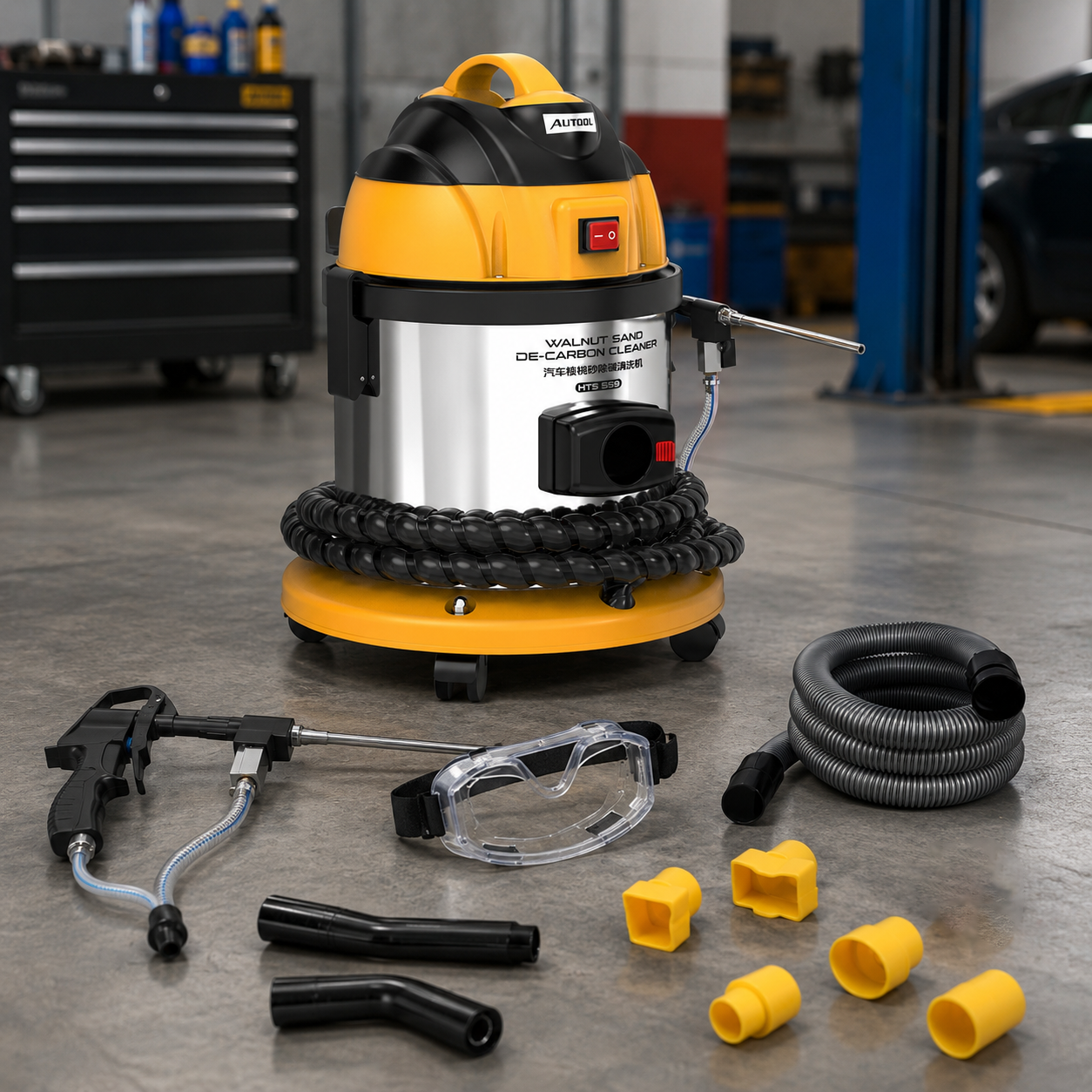
Power
1200W
Capacity
13L
Walnut Media
0.6–1.2mm
Adapters
5 types
  • Helps clean carbon deposits from intake pipes, intake manifolds, and intake valve backsides
  • Uses walnut shell media with compressed air blasting and vacuum recovery
  • Built-in dust filter helps separate recovered media and carbon residue
  • A practical first HTS model for experienced DIY users, mobile mechanics, and small shops
  • External air compressor and dry walnut shell media are required before use
  • Choose HTS518 or HTS678 if your shop needs more adapter coverage for repeated service jobs
AUTOOL HTS558 walnut blasting machine kit for intake valve and intake manifold carbon cleaning
HTS558 is for intake-side walnut blasting: 1200W · 13L · 5 adapters · 0.6–1.2mm walnut media.
Walnut shell media and external air compressor are not included unless your package page states otherwise.
HTS Model Comparison

Compare AUTOOL HTS Walnut Blasting Machines by Cleaning Area

Start with HTS558 for intake-side walnut blasting. Choose HTS559 when you need more capacity for repeated DIY or mobile work. Choose HTS518 or HTS678 for repair-shop adapter coverage and service control. Use HTS728 only when combustion chamber cleaning is part of a trained professional workflow.

ModelBest fitCleaning areaKey setupChoose this model when
HTS558 Intake-side starter pick Experienced DIY users, mobile mechanics, and small shops starting with walnut blasting Intake pipe, intake manifold, and intake valve backside carbon cleaning 1200W · 13L · 5 adapters · 0.6–1.2mm walnut shell media · external air compressor required You want your first dedicated AUTOOL walnut blasting machine for intake-side carbon cleaning.
HTS559 DIY / mobile upgrade Advanced DIY users, mobile mechanics, and small shops doing repeated intake-side jobs Repeated intake pipe, intake manifold, and valve-backside cleaning work 30L setup · 5 adapters · 360° casters · 0.6–1.2mm walnut shell media · external compressor setup You want more capacity and easier movement than HTS558 without moving into full repair-shop controls.
HTS518 Repair-shop adapter coverage Repair shops and service bays needing broader intake adapter coverage Intake pipe, intake manifold, and intake valve backside carbon cleaning 1400W · 30L tank · 23 adapters · dust filtering · vacuum recovery · external air required Your shop needs more adapter options and a larger station for regular intake carbon cleaning service.
HTS678 Repair-shop pro control Professional repair shops that want more control for repeated service work Intake-side service and selected valve-area cleaning workflows 1500W recovery system · adjustable pressure · pressure gauge · Standard / Expert Mode · HEPA · 23 adapters You want professional pressure control, filtration, adapter coverage, and repeatable shop service setup.
HTS728 Expert combustion chamber model Expert workshops with trained technicians and combustion chamber cleaning needs Combustion chamber cleaning, selected valve areas, and professional carbon cleaning work 1400W · 10L tank · fine 0.4–0.6mm walnut shell media · HEPA recovery · professional preparation required Your workshop needs fine-media combustion chamber support, not just standard intake-side walnut blasting.
Quick check: choose by cleaning area first, then by job volume and adapter coverage. Intake-side users usually start with HTS558 or HTS559. Repair shops should compare HTS518 and HTS678. Choose HTS728 only for trained combustion chamber cleaning.
Repair Shop / Mobile Service

Add Intake Carbon Cleaning to Your Workshop Service Menu

Offer walnut blasting as a visible intake carbon cleaning service for customers who need intake valve, intake port, or intake manifold carbon buildup removed. Use inspection, adapter sealing, vacuum recovery, and before/after photos to show the cleaning result clearly.

  • Create intake valve carbon inspection and walnut blasting service packages
  • Use before/after photos to explain the service value to customers
  • Build packages for commonly requested BMW, MINI, Audi, Volkswagen, and similar direct-injection platforms
  • Compare HTS559 for mobile or small-shop work, HTS518 / HTS678 for repair-shop adapter coverage, and HTS728 only for trained combustion chamber service
Workshop Quote

Request model advice, shop pricing, or bulk support

Share your shop setup so AUTOOL can help you compare the right HTS model for your cleaning volume, vehicle platforms, and service plan.

  • Shop name and country / region
  • Main vehicle platforms you service
  • Current services offered, such as intake cleaning, walnut blasting, tuning, or reconditioning
  • Estimated monthly intake carbon cleaning jobs
  • Interested model: HTS559 / HTS518 / HTS678 / HTS728
  • Need bulk order, distributor pricing, or workshop setup support?
  • Preferred contact: WhatsApp or email
Cleaning Area Guide

Choose the HTS Model by Carbon Deposit Area and Access Point

Most walnut blasting jobs start with the intake path: intake pipe, intake manifold, intake port, and intake valve backside carbon deposits. Choose the HTS model by the area you need to reach, the adapter seal you can create, and the compressor setup you have available.

HTS558 is the starter choice for intake-side walnut blasting. HTS559 adds more capacity for repeated DIY or mobile work. HTS518 and HTS678 are better suited for repair shops that need broader adapter coverage and repeat service use. HTS728 is reserved for trained combustion chamber cleaning with fine walnut media.
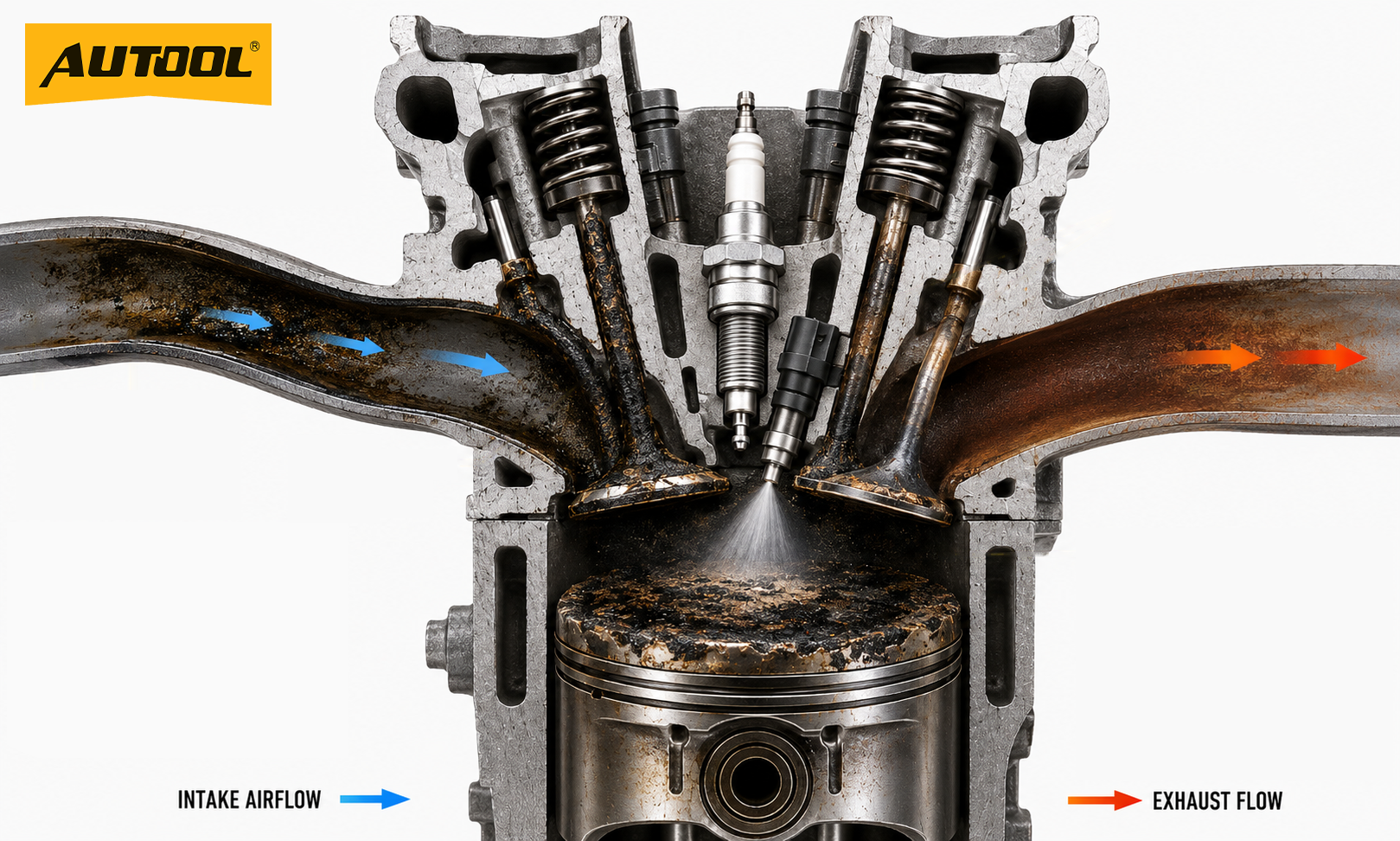
Check access before choosing a model. Traditional intake valve walnut blasting may require intake manifold access. Even professional reduced-teardown procedures still need the correct access point, adapter sealing, compressed air, walnut media, recovery control, and final inspection.
AUTOOL HTS engine carbon deposit guide showing intake manifold, intake valve, and combustion chamber cleaning areas
Match the cleaning area first: HTS558, HTS559, and HTS518 focus on intake-side walnut blasting; HTS678 adds repair-shop control and adapter coverage; HTS728 is for trained combustion chamber cleaning.
Visible Cleaning Proof

See the Carbon Before. Verify the Cleaning Result After.

Before/after inspection helps confirm where carbon buildup was removed. For intake-side walnut blasting, inspect the intake port, intake manifold, and intake valve backside. For repair shops, clear before/after photos also help customers understand the service result.
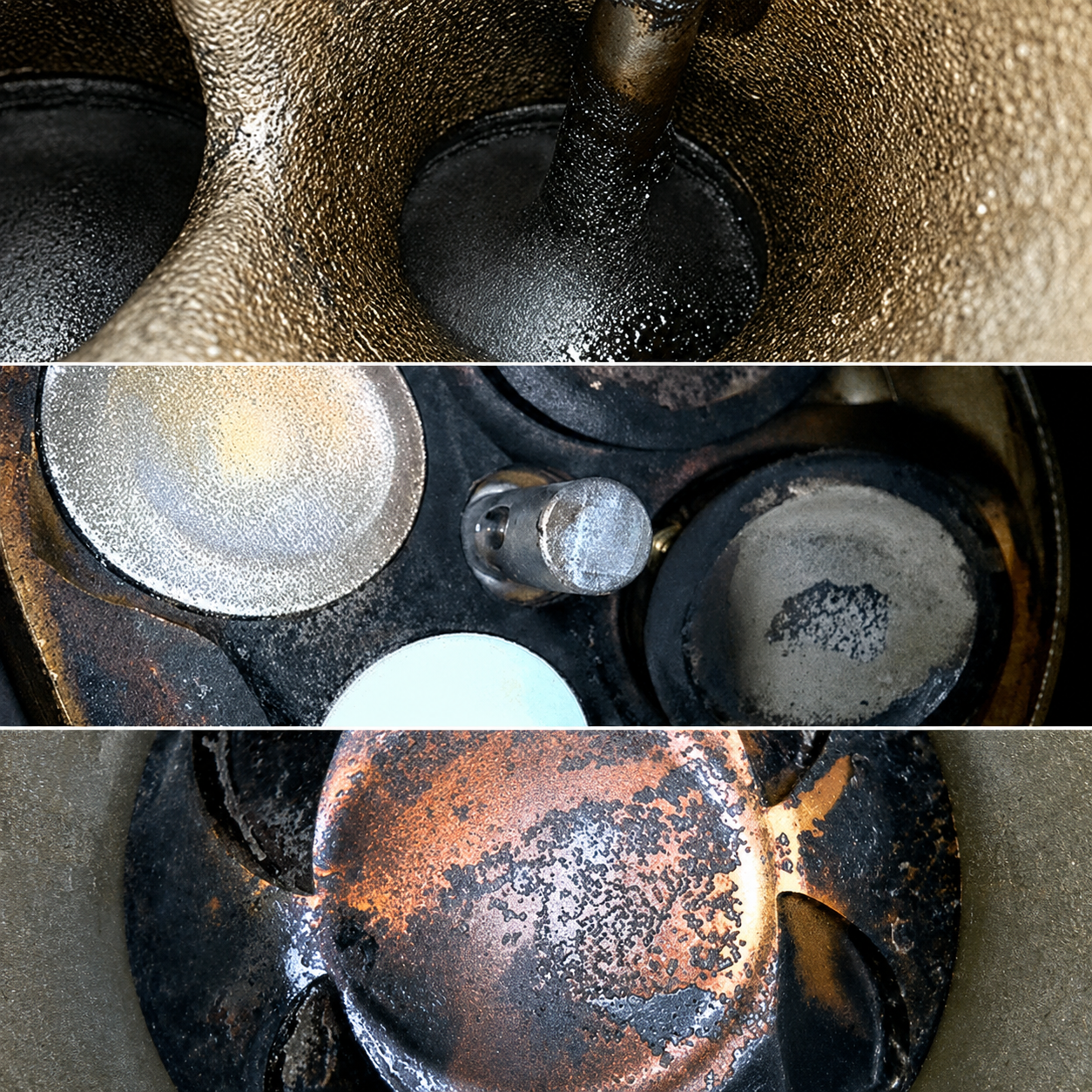
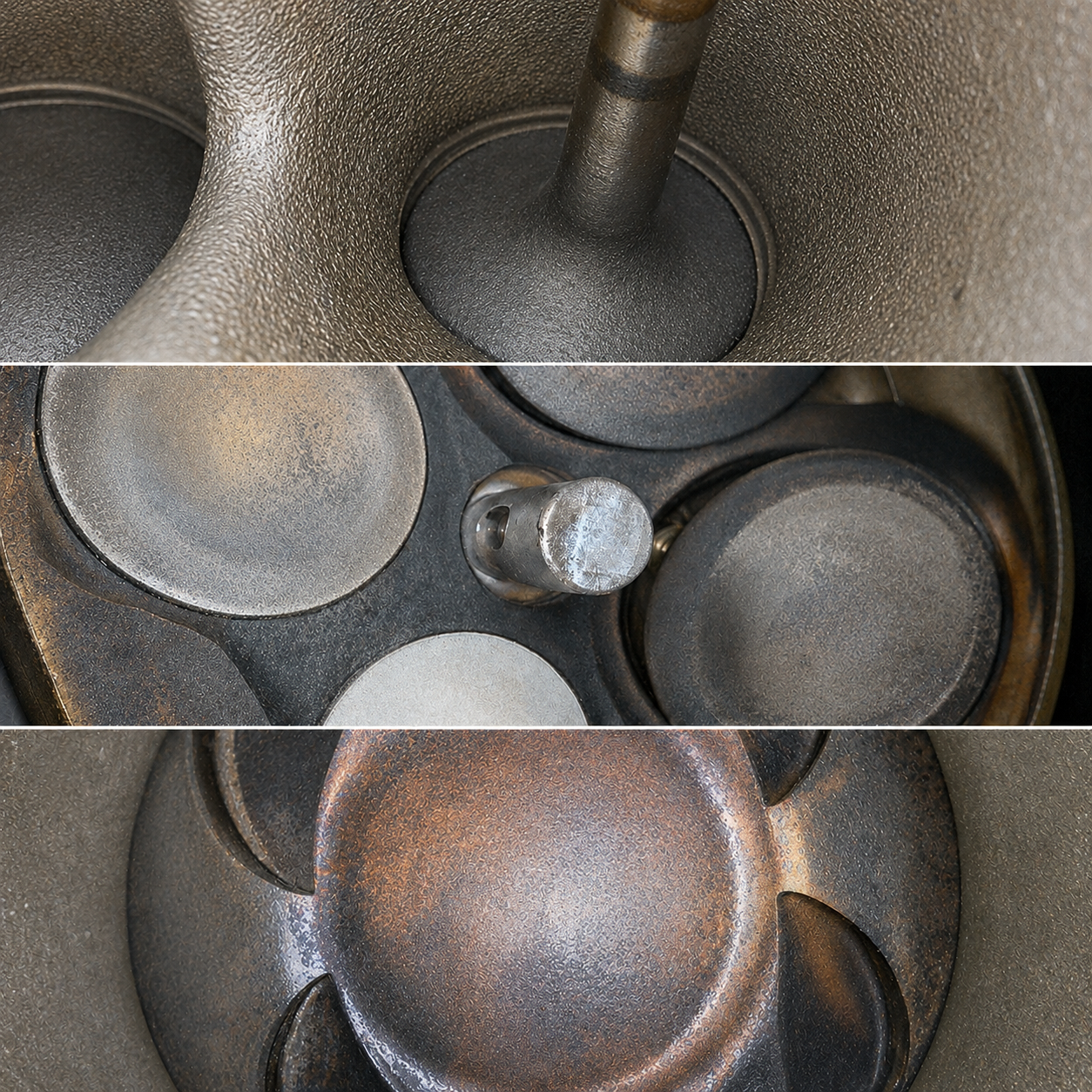
Visible engine carbon buildup before cleaningCleaner engine surface after carbon removal
Before: visible carbon buildup
After: cleaner inspected surface

Before cleaning

Inspect the target area first. Carbon deposits around the intake port, intake manifold, or valve backside can restrict airflow and should be confirmed before choosing a cleaning method.

During cleaning

Walnut shell media, compressed air, adapter sealing, and vacuum recovery work together to loosen deposits and collect used media and carbon residue during the job.

After cleaning

Re-inspection helps confirm the cleaned area before reassembly. Repair shops can also use before/after photos to explain the service result to customers.

Before You Buy

What You Need Before Walnut Blasting

The HTS machine is only one part of the job. Before ordering, confirm your air supply, walnut shell media, adapter fitment, intake access, safety protection, and inspection tools for the vehicle you plan to clean.

Air supply note: HTS walnut blasting uses an external air compressor. A small compressor may require frequent pauses, while a stable compressor with dry-filtered air helps reduce weak blasting, media clumping, and uneven cleaning.
01

AUTOOL HTS walnut blasting machine

Choose the HTS model by cleaning area, job volume, adapter coverage, and whether the work is DIY, mobile, or repair-shop service.

02

External air compressor

Required for walnut shell blasting. Check the air pressure and airflow needs for your selected HTS model before setup.

03

Dry walnut shell media

Use the correct walnut media size for your HTS model. Walnut shell media is not included unless the selected package states otherwise.

04

Vacuum recovery path

Use the recovery hose, filter, or recovery setup required by your HTS model to collect used walnut media and loosened carbon residue.

05

Correct adapter seal

Match the adapter to the intake port or supported cleaning access point. A better seal helps control media spray and recovery.

06

Safety glasses, mask, and gloves

Wear protection before any blasting work begins, especially when handling walnut media, compressed air, and carbon residue.

07

Access tools for the intake area

Traditional intake valve cleaning may require intake manifold access. Follow the vehicle service procedure before blasting.

08

Closed-valve preparation

For intake valve walnut blasting, confirm the target valve is closed before cleaning the port area.

09

Light or borescope for inspection

Inspect carbon buildup before cleaning and re-check the cleaned area before reassembly.

10

Replacement gaskets when required

Prepare intake manifold gaskets or related service parts if the vehicle procedure requires replacement during reassembly.

Safety & Correct Use

Safe Workflow: Prepare Access, Seal, Blast, Recover, and Inspect

Walnut blasting depends on correct access, closed-valve preparation, dry walnut media, adapter sealing, stable air supply, vacuum recovery, and final inspection. Use this workflow to check the key steps before intake-side carbon cleaning.

01

Prepare access.

Open the required intake-side access according to the vehicle service procedure. Traditional intake valve walnut blasting may require intake manifold access.

Safety checks before blasting

  • Do not blast open valves.
  • Keep vacuum recovery active while blasting.
  • Use dry walnut shell media in the correct size for your HTS model.
  • Use stable, dry-filtered compressed air.
  • Confirm adapter sealing before media flow begins.
  • Keep walnut media out of open cylinders and unsealed areas.
  • Inspect the cleaned area before reassembly.
  • Follow the vehicle-specific service procedure and wear safety protection.
FAQ

Walnut Blasting Machine Questions Before You Buy

Check the key setup, safety, model selection, and repair-shop questions before choosing an AUTOOL HTS walnut blasting machine.

What is a walnut blasting machine used for?
A walnut blasting machine helps remove hardened carbon deposits from intake pipes, intake manifolds, intake ports, and intake valve backside areas. It uses walnut shell media, compressed air, adapter sealing, and vacuum recovery to clean supported carbon deposit areas.
Is walnut blasting safe for intake valves?
Walnut blasting can be safe when the correct preparation is followed: closed target valves, correct walnut media size, sealed adapter connection, stable air supply, active vacuum recovery, inspection, and safety protection. Do not blast open valves or allow walnut media into open cylinders.
Do I need an external air compressor?
Yes. AUTOOL HTS walnut blasting machines use an external air compressor for blasting. A stable compressor with dry-filtered air helps keep media flow consistent. Small compressors may work slowly and may require frequent pauses.
Is walnut shell media included?
Walnut shell media is not included unless the selected product package clearly states otherwise. Prepare dry walnut shell media in the correct size for your HTS model before starting the job.
Can I use a normal sand blaster instead?
A generic sand blaster is not the same as an automotive walnut blasting setup. Intake carbon cleaning needs the right walnut media size, adapter seal, closed-valve preparation, vacuum recovery, and inspection. AUTOOL HTS machines are designed around automotive carbon cleaning needs rather than general sandblasting work.
Is walnut blasting better than chemical cleaner?
Chemical cleaners may help with light deposits or maintenance use. Walnut blasting is a physical cleaning method for harder intake carbon deposits, especially when buildup is visible around the intake port or intake valve backside.
Which AUTOOL HTS model should I choose?
Choose HTS558 for experienced DIY users, mobile mechanics, or small shops starting with intake-side walnut blasting. Choose HTS559 when you need more capacity for repeated DIY or mobile jobs. Choose HTS518 or HTS678 for repair-shop adapter coverage and repeated service work. Choose HTS728 only when combustion chamber cleaning is part of a trained professional service.
What is the difference between HTS558 and HTS559?
HTS558 is the starter choice for intake-side walnut blasting. HTS559 is better when you expect repeated DIY, mobile, or small-shop cleaning jobs and want a larger setup before moving into repair-shop models such as HTS518 or HTS678.
Which models are best for repair shops?
HTS518 is a practical repair-shop option with 30L capacity and broad adapter coverage for intake-side cleaning. HTS678 is the professional repair-shop option with adjustable pressure, Standard / Expert Mode, HEPA recovery, and 23 adapters. HTS728 should only be considered when combustion chamber cleaning is part of your service menu.
Which AUTOOL HTS model supports combustion chamber cleaning?
HTS728 is the expert-grade option for combustion chamber cleaning. It uses fine 0.4–0.6mm walnut shell media and requires professional preparation. HTS558, HTS559, HTS518, and HTS678 are mainly for intake-side cleaning such as intake pipe, intake manifold, intake port, and intake valve backside carbon deposits.
Does walnut blasting fix all misfires or rough idle problems?
No. Misfires, rough idle, poor fuel economy, and sluggish response can come from many causes, including spark plugs, ignition coils, injectors, vacuum leaks, PCV issues, sensors, or other mechanical problems. Walnut blasting is most relevant when intake carbon buildup is visible or strongly suspected.
Is this only for direct-injection engines?
Walnut blasting is commonly used for intake valve carbon buildup on direct-injection engines because fuel does not wash over the valve backside in the same way. The correct choice still depends on the cleaning area, visible deposits, engine access, adapter fitment, and selected HTS model.
Does “no disassembly” mean no preparation?
No. Some professional procedures may reduce major teardown when the vehicle and machine setup support it, but preparation is still required. You still need the correct access point, adapter sealing, compressor setup, walnut media, valve-position confirmation, recovery control, and inspection.
Can beginners use HTS558?
HTS558 is best for experienced DIY users, mobile mechanics, and small shops. Intake-side walnut blasting may require intake manifold access, adapter sealing, external air supply, closed-valve preparation, and inspection. If you are not comfortable with those steps, a professional shop service is the safer choice.