Purchase Guides, Tips & Tutorials, Uncategorized
Smart Lift and Wheel Alignment Machines Selection for Your Shop

December 17, 2025
Share:
 autoolstore.com
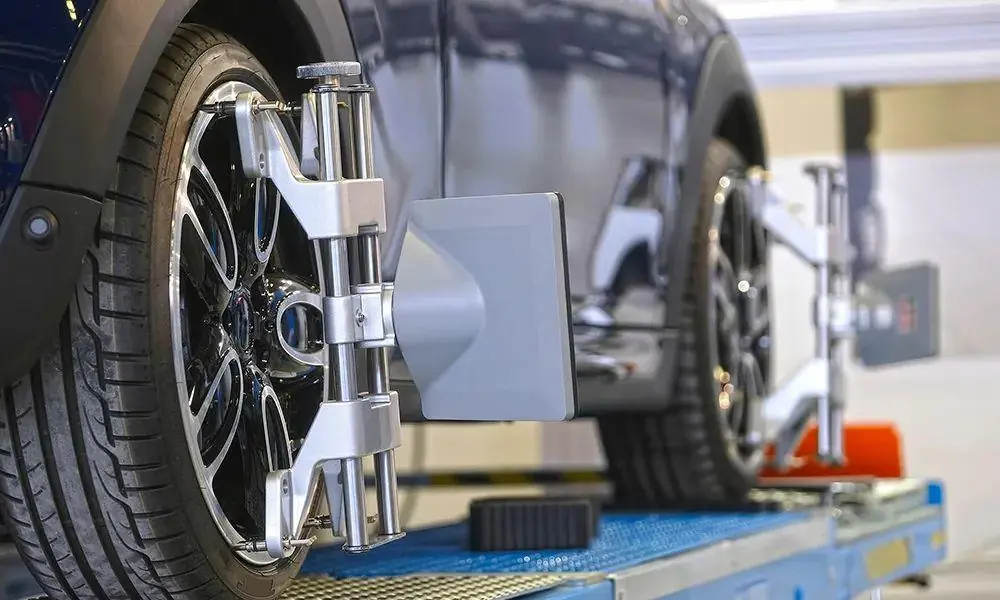
Alignment bay fundamentals
Do not buy the positioning device or lift separately without considering how they will work together. Simply put, a four-wheel alignment machine is a measuring tool, while a lift is a working platform.
To do professional wheel alignment in a repair shop, both the alignment machine and the vehicle lift must work together. One alone is not enough.
Four practical selection points
The right alignment bay depends less on a single machine price and more on how the complete setup fits your shop. The four core selection points are workshop space, vehicle service range, alignment machine capability, and compatibility between the lift and alignment system.
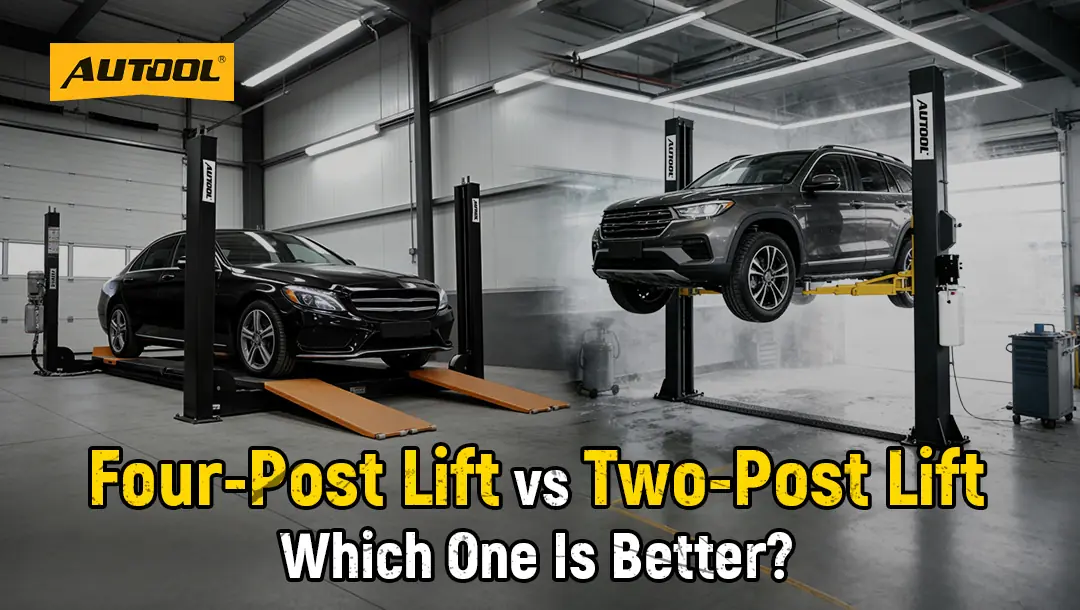
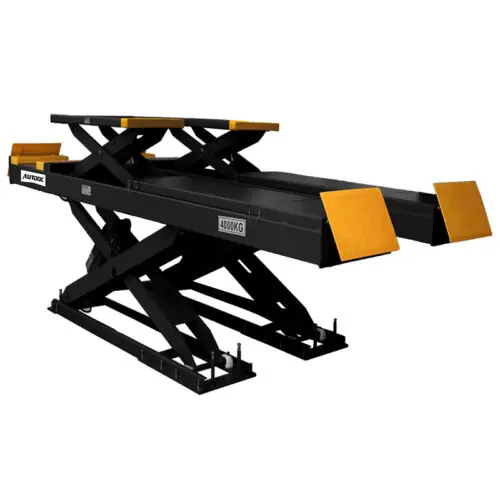
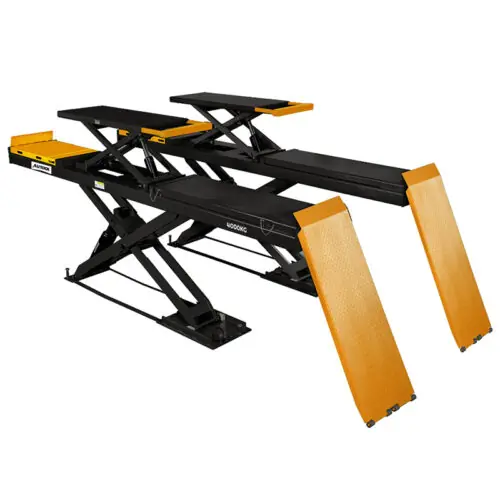
If the shop has limited floor space, a scissor lift or low-profile drive-on lift is often more space-efficient. If the shop has ample space, a four-post lift becomes a stable and practical option for alignment bays.
Small passenger cars, SUVs, and light trucks require different lifting heights and load capacities. The lift must be rated for the vehicles the shop actually services.
Measurement accuracy, automatic compensation features, and vehicle database coverage all affect alignment quality, service speed, and the range of makes and models the shop can handle.
Alignment-ready lifts may include turntables, adjustable platform spacing, and slip plates. These details help the wheel alignment machine collect data in a stable and reliable environment.
Recommended: Scissor Lift + Portable Wheel Alignment System.
Advantages: This setup takes up less space and is flexible and easy to position.
Drawbacks: Lifting height and load capacity may be limited compared with larger lift types.
Recommended: Four-Post Lift + Fully Automated Alignment System.
Advantages: This setup supports a wider range of vehicles, feels very stable, and is easy to use for professional alignment work.
Drawbacks: It requires more floor area compared with scissor or two-post lifts.
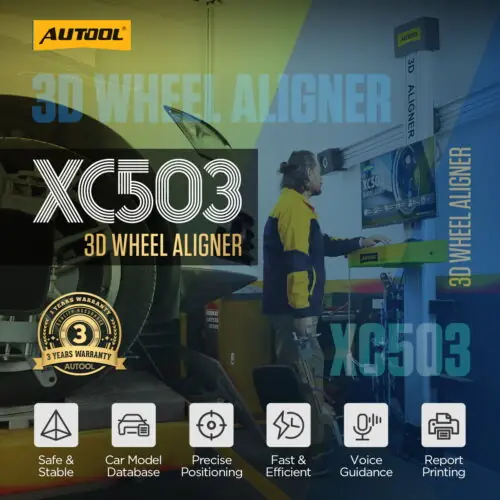
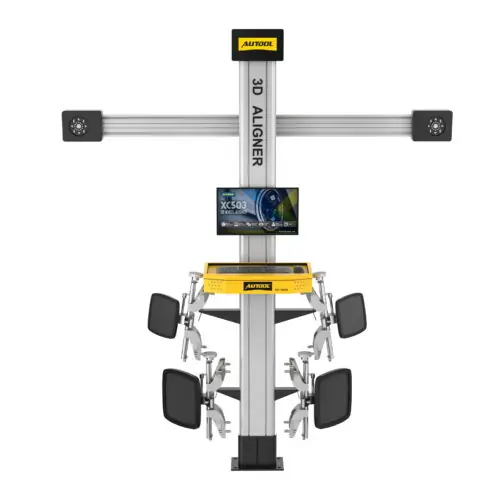
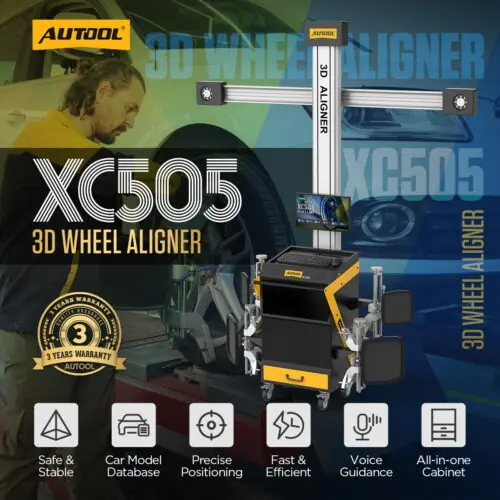
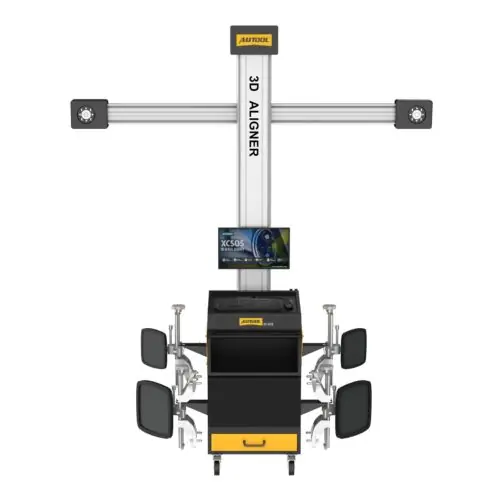
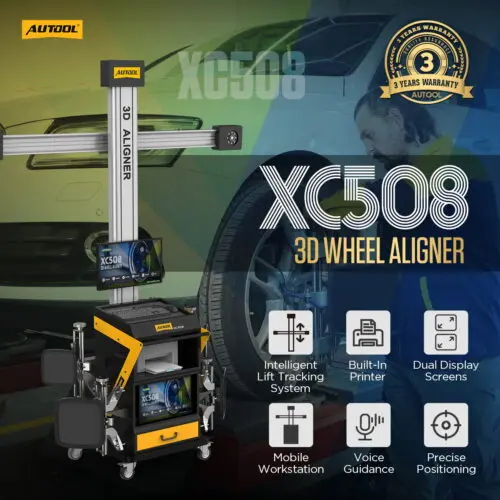
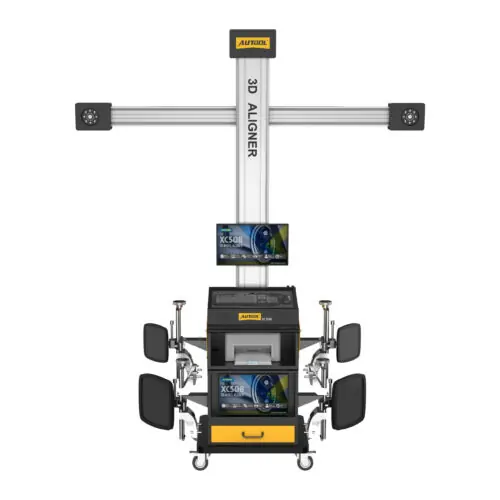
Alignment machine options
These product cards use WooCommerce shortcodes so the output follows the reference post product-card path.
Scenario-based equipment combinations
Advantages: Scissor lifts save floor space, offer strong layout flexibility, usually cost less than post-style lifts, and are easier to install or relocate in some workshops.
Disadvantages: Scissor lifts generally have lower load capacity and lifting height than post-style lifts. Portable alignment systems are more affordable, but they may offer lower precision, fewer software functions, and slower workflow than high-end automated systems.
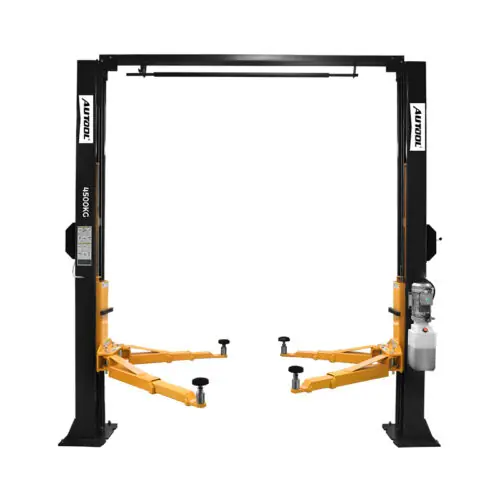
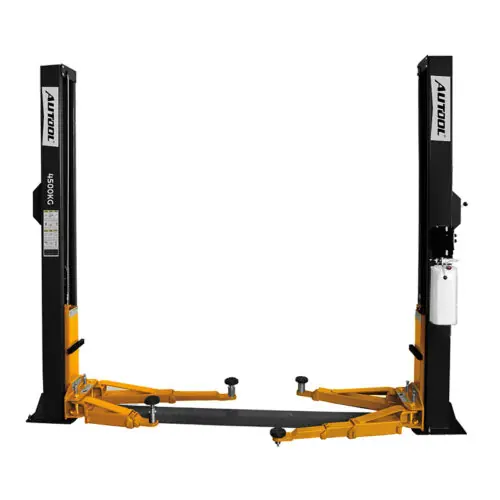
Why it is cost-effective: Two-post lifts provide good lifting height and clear underbody access, while fully automated alignment systems bring automatic calibration, quick measurement, and extensive vehicle databases.
In practice, this combination creates a performance-versus-cost balanced setup. It does not occupy a large central floor area, but proper foundation anchoring and installation conditions must still be planned carefully.
Advantages: The in-ground design saves space because the lift mechanism is recessed below the floor. Wireless alignment systems reduce cable clutter, reduce setup interference, and allow faster data capture and adjustment.
Considerations: In-ground lifts require excavation, trenching, waterproofing, and more complex groundwork. Wireless alignment systems also usually cost more than basic wired models.
Advantages for special vehicles: This setup can help with non-standard vehicles, irregular undercarriage geometry, very wide wheelbases, or vehicles that do not fit conventional lifts well.
Disadvantages: Light alignment tools generally do not match the accuracy and advanced features of fully automated systems. This setup is better for quick checks, supplemental service, or specialized vehicle scenarios rather than high-volume primary alignment work.
Lift and bay equipment
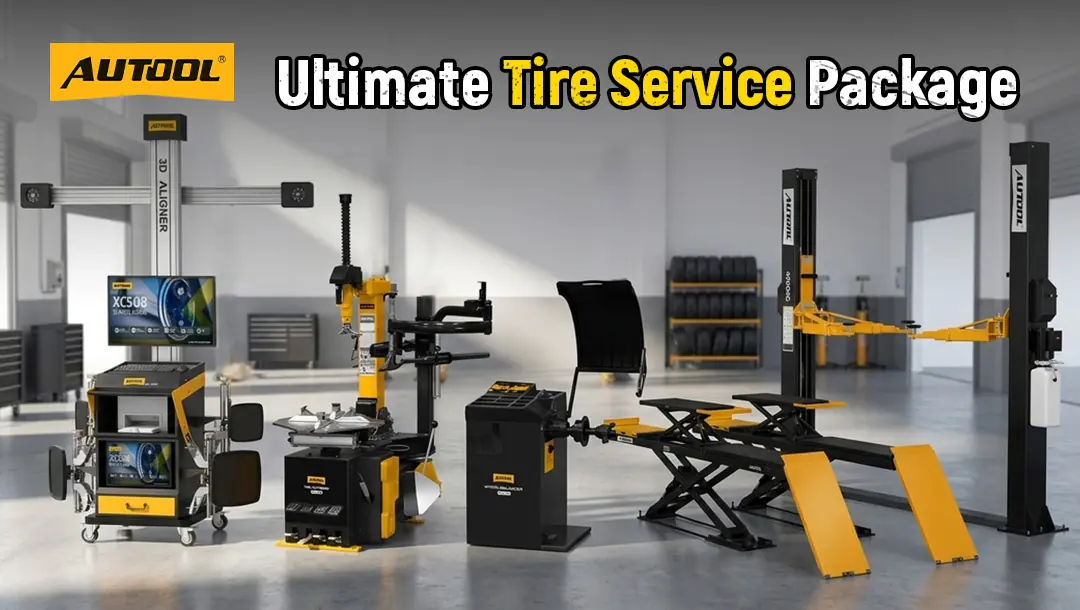
Use these product references when planning scissor, two-post, and alignment-bay lift combinations.
Quick comparison
| Solution | Space Efficiency | Cost | Alignment Efficiency | Work Flexibility | Precision Capability |
|---|---|---|---|---|---|
| Scissor + Portable Alignment | 4/5 | 4/5 | 3/5 | 4/5 | 2/5 |
| Two-Post + Fully Automated | 3/5 | 3/5 | 4/5 | 3/5 | 4/5 |
| In-Ground Scissor + Wireless | 5/5 | 2/5 | 4/5 | 4/5 | 3/5 |
| Cantilever Platform + Light Tools | 3/5 | 3/5 | 2/5 | 4/5 | 2/5 |
Do not just look at price
Do not base your equipment choice solely on price. What matters more is whether the combination can improve work efficiency, enhance alignment quality, and support future workshop growth.
Often, choosing equipment that fits your needs well improves overall workshop performance more than buying the most expensive standalone machines. You can also review more wheel alignment equipment options based on your shop layout and service plan.
Contact AUTOOL for support with wheel alignment machines, lifts, and workshop equipment combinations.
WhatsApp: +86 189 2647 7404
Email: [email protected]
Related Products
Rendered through WooCommerce product shortcode so the cards inherit the global product-card structure and Blocksy/WooCommerce styles.