Aktualności i wydarzenia
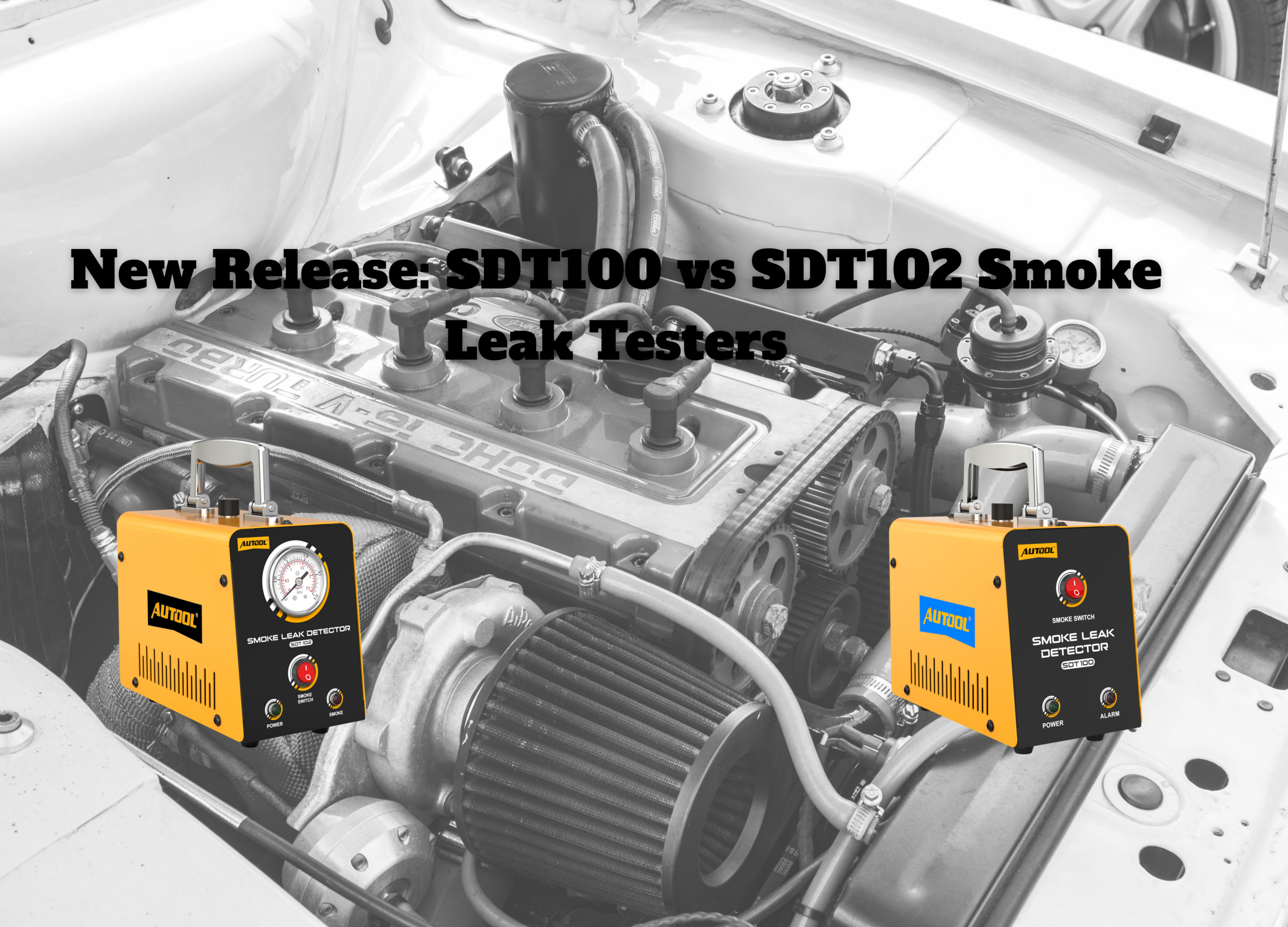
Nowe wydanie: SDT100 przeciwko SDT102 Testery szczelności dymu

18 lutego, 2026
Udział:
 autoolstore.com
Dwa testery dymowe, dwa poziomy pokrycia diagnostycznego
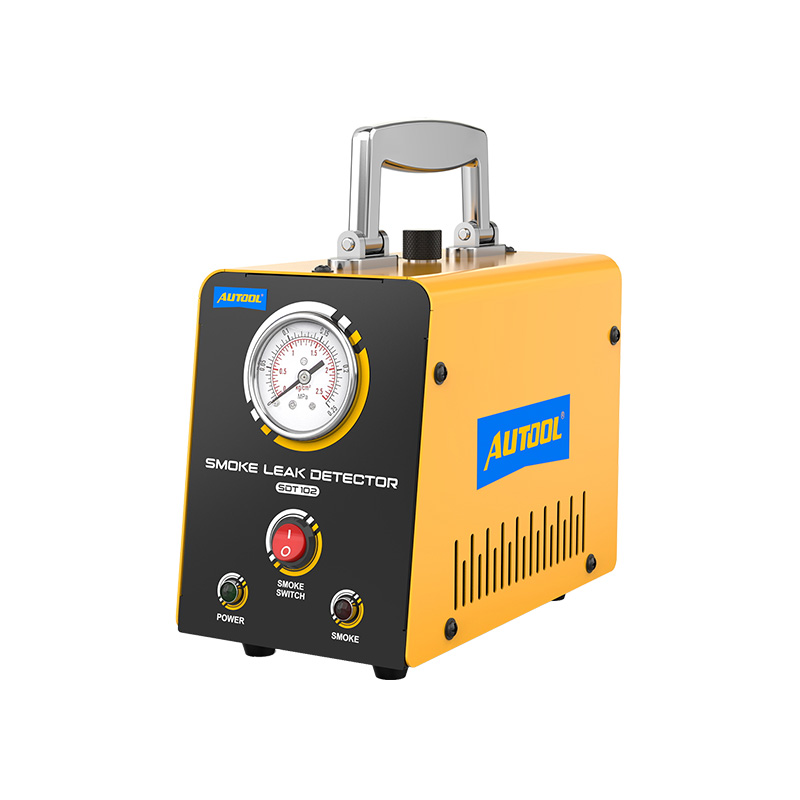
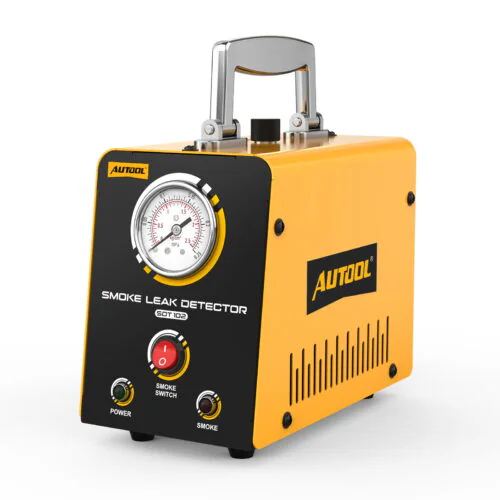
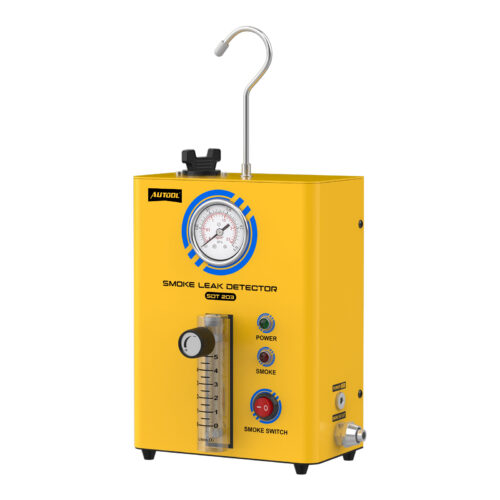
Ten SDT102 jest najnowszym ulepszonym modelem od AUTOOLObsługuje rutynowe wykrywanie nieszczelności podciśnieniowych, zawiera wyświetlacz manometru i oferuje ulepszone możliwości wykrywania układów EVAP. Dzięki temu jest odpowiedni dla majsterkowiczów i profesjonalnych warsztatów naprawczych, które potrzebują szerszego zakresu działania systemu.
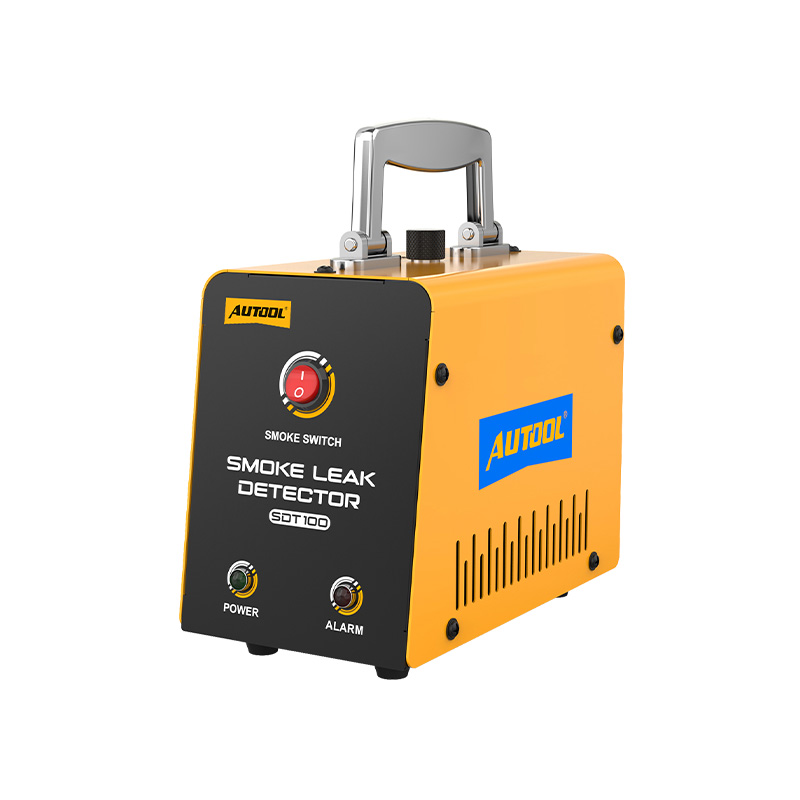
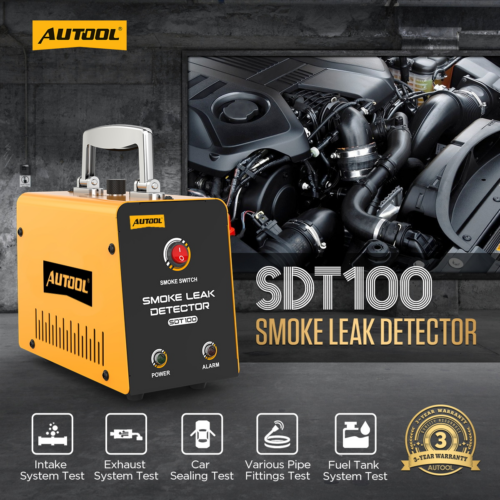
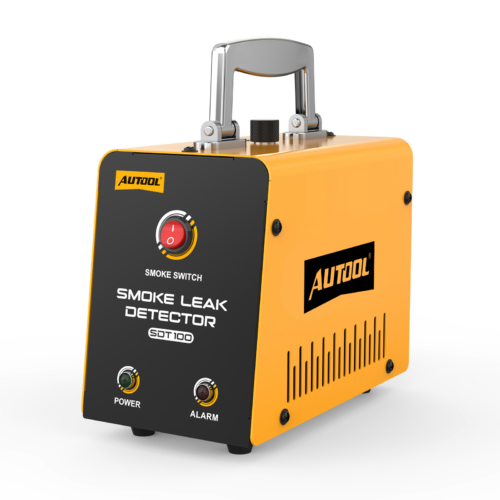
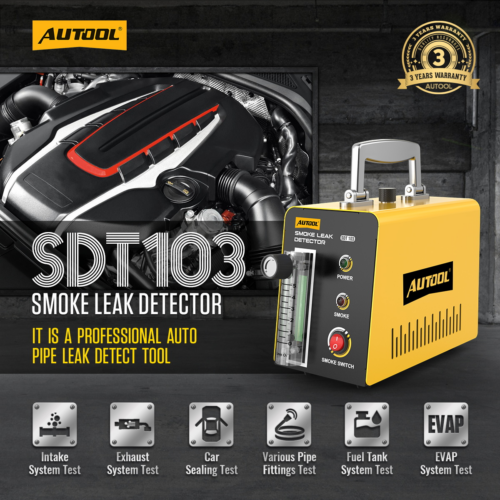
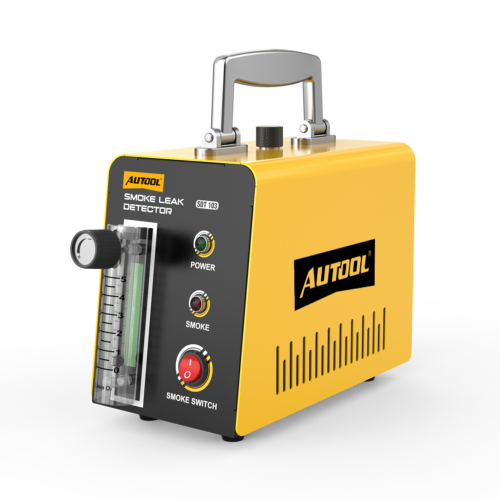
Ten SDT100 to klasyczny tester dymu dla początkujących. Zdobył uznanie na rynku za stabilność, wydajność i opłacalność, a także jest praktycznym narzędziem dla wielu techników naprawczych, którzy zajmują się głównie standardową diagnostyką podciśnienia i nieszczelności w układzie dolotowym.
Wybierz według zakresu zastosowań, trudności obsługi i potrzeb wykrywania
| Funkcja / Specyfikacja | SDT100 | SDT102 |
|---|---|---|
| Główne zastosowanie | Wykrywanie nieszczelności układu dolotowego, przewodów podciśnieniowych, siłowników oraz rutynowe kontrole. | Kompleksowe testy układów próżniowych i EVAP. |
| Regulacja wydajności dymu | Podstawowa, regulowana wydajność dymu. | Bardziej precyzyjna kontrola dymu. |
| Użytkownicy docelowi | Warsztaty naprawcze i użytkownicy DIY potrzebujący prostego urządzenia do sprawdzania szczelności podciśnienia. | Profesjonalni technicy i zaawansowani użytkownicy potrzebujący wsparcia EVAP. |
| Łatwość obsługi | Łatwy w użyciu i odpowiedni do szybkiej diagnozy. | Umiarkowana złożoność, ponieważ obejmuje więcej funkcji. |
| Dokładność wykrywania | Wysoka dokładność w wykrywaniu typowych nieszczelności podciśnieniowych. | Większa precyzja dla bardziej złożonych prac związanych z lokalizacją wycieków. |
| Wydajność kosztowa | Doskonały stosunek jakości do ceny jak na model podstawowy. | Bardziej zaawansowane funkcje dla użytkowników potrzebujących większych możliwości. |
SDT100 koncentruje się na szybkiej rutynowej diagnostyce; SDT102 rozszerza się na EVAP i bardziej złożone błędy
Ten SDT100 Oferuje stabilną i intuicyjną obsługę do testowania typowych nieszczelności przewodów podciśnieniowych, układów dolotowych i siłowników podciśnieniowych. Jest lżejszy i łatwiejszy w użyciu, dzięki czemu nadaje się do szybkiego wykrywania nieszczelności i rutynowej konserwacji.
Ten SDT102 buduje na SDT100 Funkcjonalność i obsługa testowania układu EVAP. Jest on bardziej odpowiedni dla użytkowników, którzy muszą testować systemy emisji par paliwa i wykrywać bardziej złożone usterki. Oferuje również bardziej precyzyjną regulację zadymienia i szerszy wybór akcesoriów, pomagając technikom w trudniejszych zadaniach lokalizacji wycieków.
Jeżeli Twoja praca polega głównie na zwykłych nieszczelnościach dolotowych i podciśnieniowych, SDT100 to prostszy wybór. Jeśli często diagnozujesz usterki układu EVAP lub potrzebujesz szerszego wsparcia w zakresie akcesoriów, SDT102 jest silniejszą opcją.
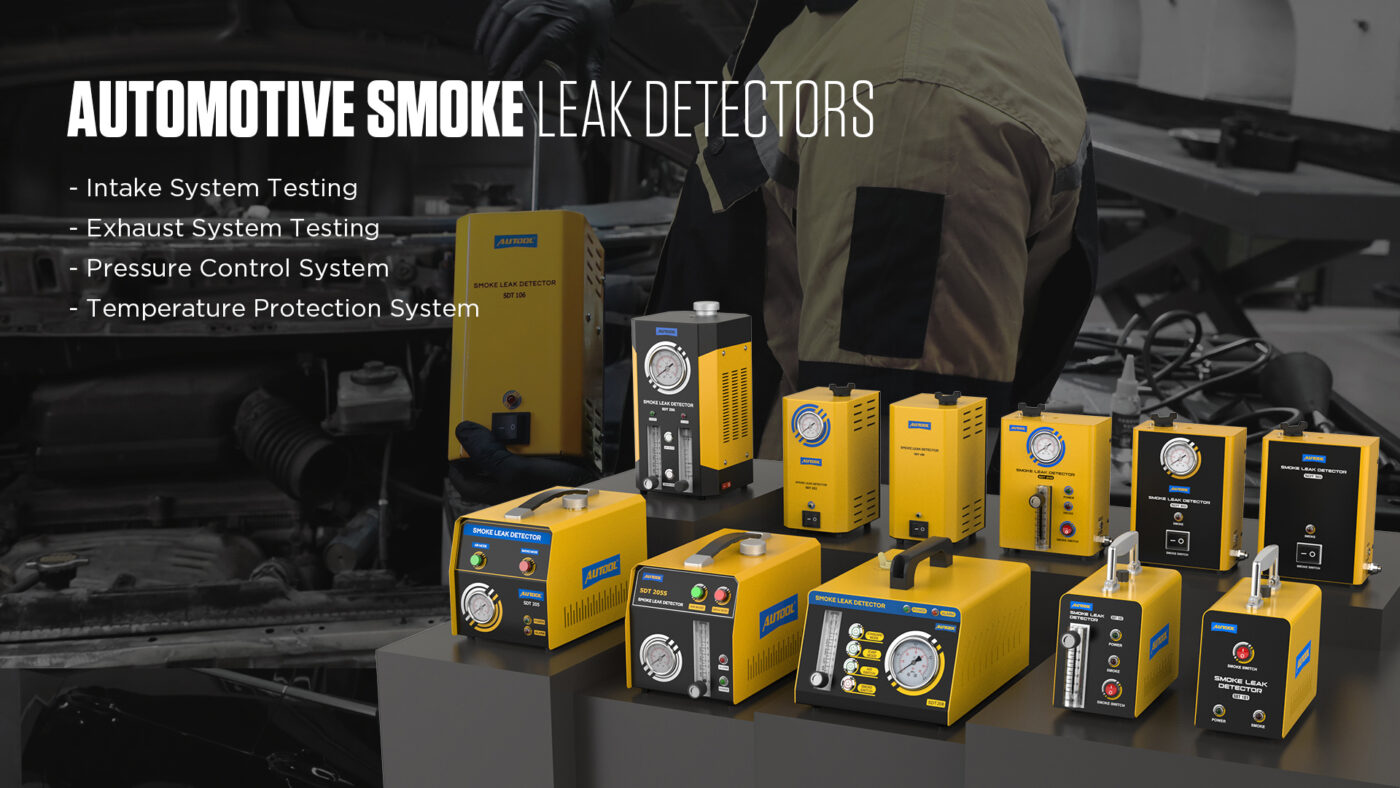
Użycie czujnika nieszczelności dymu to jeden z najbardziej intuicyjnych i skutecznych sposobów diagnozowania nieszczelności w układzie podciśnienia i emisji spalin. W porównaniu z tradycyjnymi metodami, które polegają na wielokrotnych próbach z użyciem rąk, uszu i manometrów, testowanie dymem ułatwia zlokalizowanie nieszczelności.
Powiedzieć AUTOOL Twoje zgłoszenie, a my pomożemy Ci wybrać odpowiedni czujnik dymu dla Twojej firmy.
Potrzebujesz porady odnośnie modelki?
WhatsApp: +86 189 2647 7404
Email: [email protected]
Powiązane produkty
Wygenerowano za pomocą krótkiego kodu produktu WooCommerce, dzięki czemu karty dziedziczą globalną strukturę karty produktu i styl odniesienia 67682.
Powiązane blogi
03/23/2026
Czytać
02/23/2026
Czytać
03/26/2026
Czytać