AUTOOL Blog, Repair Information
Is Fuel Injector Replacement Really Expensive?

August 23, 2026
Share:
 autoolstore.com
Repair testing / 8 sub-categories
Diagnostic tools for leak tracing, visual inspection, battery health, circuits, pressure, spark, oil, and electrical readings.
Repair maintenance / 6 sub-categories
Service equipment for fluid exchange, A/C diagnostics, refrigerant recovery, oil handling, and cooling-system work.
Carbon cleaning / 3 sub-categories
Carbon-removal equipment for injectors, intake valves, components, and workshop cleaning jobs.
Wheel tire / 3 sub-categories
Equipment for alignment, lifting, tire repair, tire mounting, and service-bay workflows.
Tool storage / 1 sub-category
Storage products for keeping workshop tools, test equipment, and accessories organized.
EV charging / 1 sub-category
EV charging products for new-energy vehicle service, workshop use, and installation scenarios.
OBD diagnosis / 5 sub-categories
OBD-related testers, ECU programming power supplies, cable products, used-car inspection tools, and key frequency diagnostics.
Accessories / 8 sub-categories
Replacement parts, adapters, consumables, cables, and add-ons for major diagnostic and service equipment.
When your car starts showing symptoms like rough idling, poor acceleration, or increased fuel consumption, many repair shops may suggest that the fuel injectors have failed and need replacement.
At that point, many vehicle owners begin to wonder: Is fuel injector replacement really necessary? Why does it cost so much? In this article, we’ll explore the reasons behind this together.
The fuel injector is a precision component at the core of the engine fuel delivery system. Its main function is to spray fuel into the engine with a specific pressure and spray pattern, atomizing the fuel into fine droplets so it can mix efficiently with air and achieve complete combustion inside the cylinder.
Proper fuel atomization helps:
However, as vehicle mileage increases, fuel impurities and carbon deposits can gradually cause injector problems, including clogging, sticking, poor spray patterns, and fuel leakage.
These issues can directly lead to:
Regular fuel injector cleaning and maintenance can help extend injector service life. However, when an injector suffers irreversible damage, replacement may be required.
Modern gasoline fuel injection systems mainly fall into two categories:
Volkswagen and Audi FSI long-nozzle fuel injectors belong to the GDI category. Different injector designs vary significantly in structure, performance, durability, and replacement cost.
Standard fuel injectors deliver fuel into the intake manifold or intake ports, where fuel mixes with air before entering the combustion chamber. This technology is mature, reliable, and cost-effective, making it widely used in mainstream passenger vehicles. Common types include:
Throttle Body Injection (TBI)
Throttle Body Injection uses a single injector installed on the throttle body. Fuel is sprayed into the intake plenum and then distributed to each cylinder.
Advantages:
Disadvantages:
TBI systems were mainly used in older vehicles and are still found in some small industrial engines.
Multi-Point Fuel Injection (MPFI)
Multi-Point Fuel Injection uses one injector for each cylinder. Each injector delivers fuel directly into the corresponding intake port, providing better fuel control than TBI systems.
Advantages:
Disadvantages:
MPFI became one of the most common fuel injection systems used in gasoline passenger vehicles.
Sequential Fuel Injection
Sequential Fuel Injection is an advanced version of multi-point injection. The system precisely controls injector timing according to the engine firing order, injecting fuel at the optimal moment before the intake valve opens.
Advantages:
Disadvantages:
It is commonly used in vehicles that require better performance and fuel efficiency.
Port Fuel Injection (PFI)
Port Fuel Injection sprays fuel into the intake port, where it mixes with incoming air before entering the combustion chamber. It is considered one of the most reliable and durable traditional fuel injection technologies.
Advantages:
Disadvantages:
PFI remains widely used in economy vehicles. Many modern engines combine PFI and GDI systems to achieve a balance between reliability and performance.
GDI (Gasoline Direct Injection) technology is widely used in modern vehicles, especially premium and high-performance models. Volkswagen and Audi FSI long-nozzle fuel injectors are part of this category.
Unlike traditional fuel injectors, GDI injectors spray fuel directly into the combustion chamber under extremely high pressure.
Advantages:
Disadvantages:
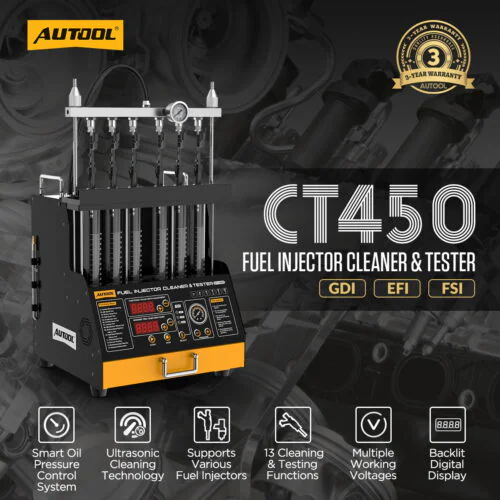
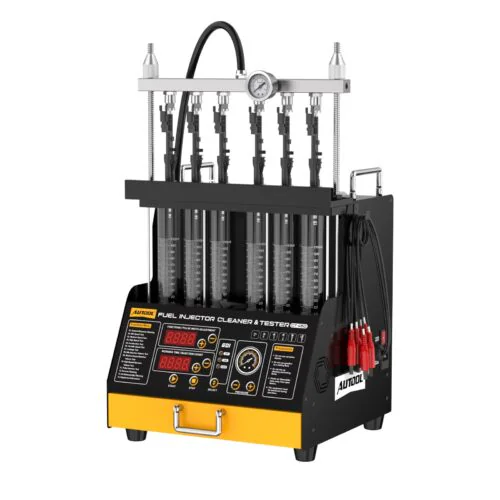
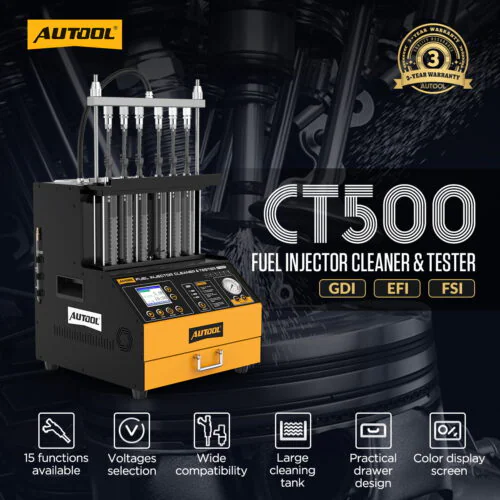
Clogged, leaking, or sticking injectors directly disrupt fuel delivery, causing a range of drivability issues. Some symptoms can also resemble those caused by poor-quality fuel, so careful diagnosis is essential:
Poor-quality fuel can cause similar symptoms. During diagnosis, check fuel quality first, then inspect the injectors to avoid unnecessary replacement.
Many vehicle owners are surprised by the high cost of injector replacement.
The total cost usually comes from three main factors:
The price difference can be significant depending on injector type and vehicle category.
Fuel Injector Parts Cost
The price is determined by injector type, vehicle segment, and whether you choose OEM or aftermarket parts. Typical 2026 market prices in North America and Europe are as follows:
Professional Testing Fees
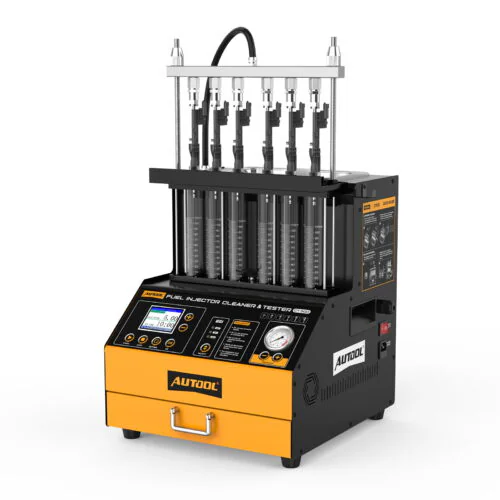
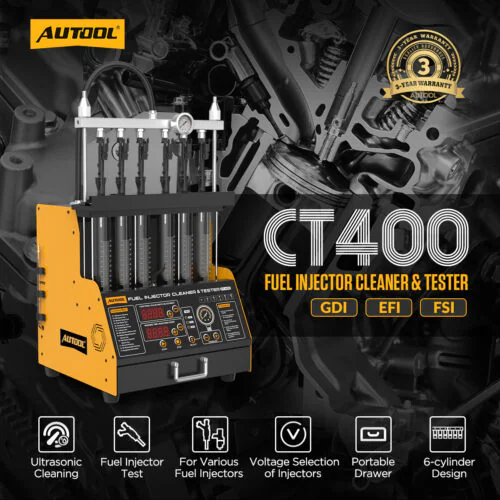
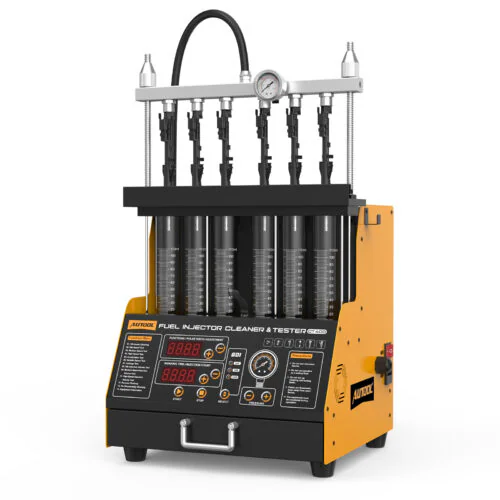
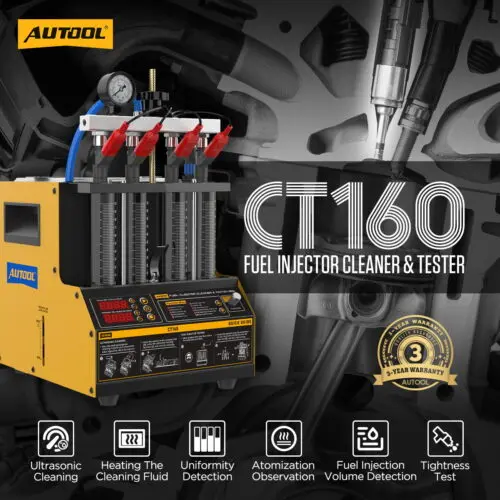
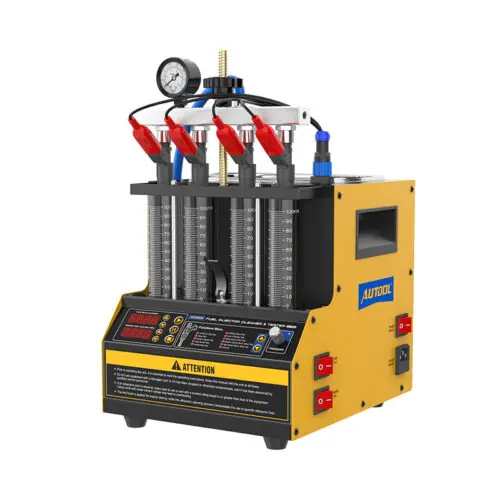
Reputable shops don’t replace injectors based on symptoms alone. Technicians must remove the injectors and test them on a specialized injector test bench to evaluate sealing, spray pattern, flow rate, and opening pressure—precisely diagnosing whether the issue requires cleaning or replacement. The equipment and skilled labor involved add to the cost.
Labor Costs for Removal and Installation
Injectors are buried deep within the engine. Replacement requires disassembling intake components, fuel rails, high-pressure fuel lines, and other surrounding parts. For GDI-equipped vehicles, the process is even more involved—and some luxury models demand electronic coding and adaptation after installation. This makes labor far more time-consuming and expensive than standard parts replacement.
The fuel injector is a precision core component that directly determines your engine’s power, fuel efficiency, and reliability. The total cost of injector replacement varies significantly based on the injector type and vehicle category, with professional diagnostics and complex labor also contributing to the overall expense.
Not every injector problem requires replacement:
Clogged or poor atomization without physical damage → can be restored with professional cleaning.
Stuck valve body, burnt coil, nozzle leak, or calibration failure → these are irreversible. Replace them promptly to prevent further engine damage.
If you would like to learn more about Fuel Injector Tester and Cleaner, please click on the contact information or button below to contact us directly.
WhatsApp: +86 189 2647 7404
Email: [email protected]