How often does oil need to be changed?
1. Engine Oil Replacement Timing Depends on Oil Type, Mileage, Time, and Conditions
Motor oil performs several jobs inside the engine: lubrication, cleaning, cooling, sealing, and rust prevention. With age and mileage, oil gradually deteriorates, oxidizes, and loses its original performance. If deteriorated oil continues to be used, it may increase engine wear and eventually cause faults.Each type of motor oil has a common reference replacement mileage:- Mineral oilIt is recommended to change it every 5000-7500 kilometers.
- Semi-synthetic oilThe replacement cycle is commonly 7500-10000 kilometers.
- Synthetic engine oilThe replacement cycle can often be extended to 10,000-15,000 kilometers.
How to determine whether engine oil needs replacement
2. Check Oil Condition by Color, Texture, Feel, Smell, and Driving Use
Mileage is useful, but it should not be the only factor. Oil condition can be judged through several practical checks:Observe color and texture
Fresh motor oil is usually clear golden yellow and becomes darker with use. If the oil is dark, cloudy, abnormally thick, too thin, gritty, or sludge-like, its performance may have declined.
Check by feel
Take out the dipstick and twist a small amount of oil between your fingers. Poor lubrication, graininess, or astringency may indicate more impurities. Normal oil should feel smooth without obvious friction.
Check by smell
Open the hood, pull out the dipstick, and smell the oil carefully. A strong sour odor may indicate oxidation or deterioration, which means the oil should be changed in time.
Combine use conditions
Driving environment, driving habits, engine behavior, and oil level should all be considered together. Frequent starting and stopping, long idling, and poor road conditions can shorten oil life.
Common misunderstandings about oil replacement
3. Avoid These Four Misunderstandings When Deciding Whether to Change Oil
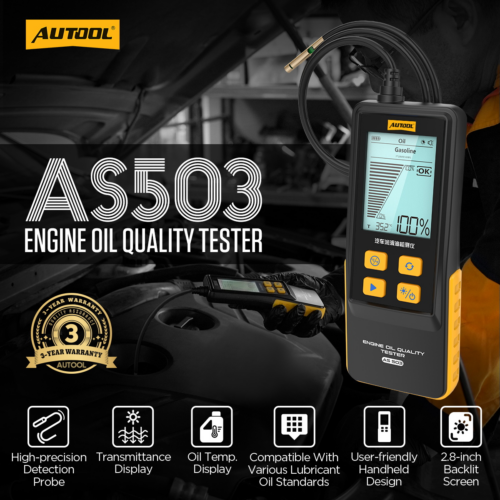
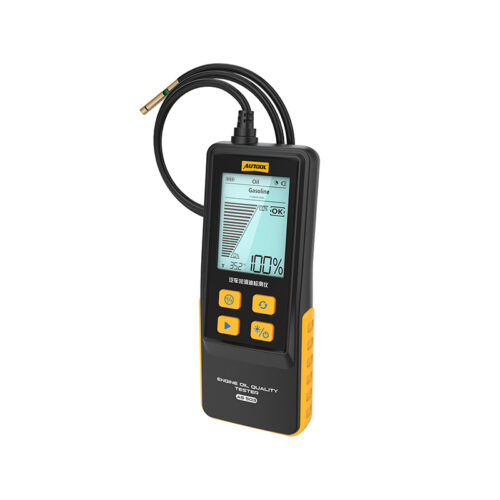
- Misconception 1: black oil must be replacedBlack engine oil does not always mean the oil has failed. Modern oils contain detergents that clean engine impurities and suspend them in the oil, which can turn the oil black. The correct approach is to judge color together with texture, smell, and testing when available.
- Misconception 2: mileage is the only standardMileage is an important reference, but driving environment and driving habits also affect oil life. Frequent stop-and-go driving, long idling, and poor road conditions can accelerate oil aging.
- Misconception 3: more oil is betterAdding oil above the MAX mark on the dipstick can increase internal engine pressure, increase fuel consumption, and may damage the engine. Keep the oil level between the MIN and MAX marks.
- Misconception 4: fully synthetic oil lasts indefinitelyFully synthetic motor oil performs better than mineral or semi-synthetic oil, but it still has a service life. Even fully synthetic motor oil is generally recommended to be changed every 10,000-15,000 kilometers.