Uncategorized
Car Maintenance Guide: Everything You Need To Know

October 23, 2024
Share:
 autoolstore.com
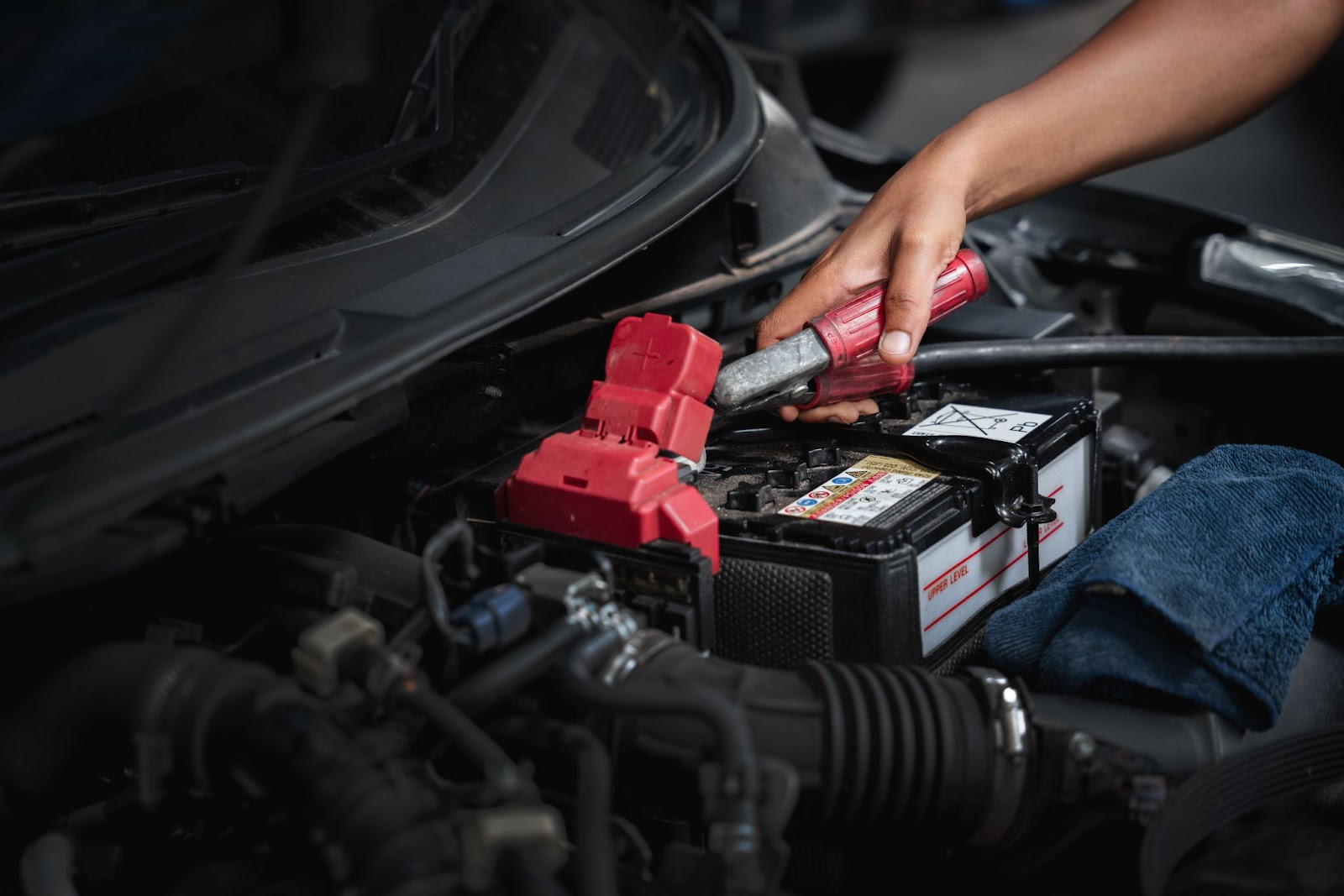
Cars have become a necessity in our daily lives, accompanying us everywhere we go. After a long period of use, if the car is not cared for, problems can gradually appear.
So how do we do car maintenance? Car maintenance is crucial for every owner because proper care extends a vehicle’s lifespan. Neglecting maintenance not only shortens the car’s life but also increases repair costs, leading to significant expenses.
This article gives you a detailed introduction to the main notes of car maintenance, including gasoline selection, antifreeze coolant, automobile filters, tire pressure monitoring, and regular checkups.
Fuel selection
Do you often struggle with what type of gasoline to put in your car to benefit it? This is a common misunderstanding. Refueling should not focus too much on high-standard oil or the most expensive fuel grade.
The right approach is to choose the fuel that meets the standard of your car so engine maintenance can be better supported. You can open the car’s gas tank cap and check the recommended gasoline grade inside.
Cooling system care
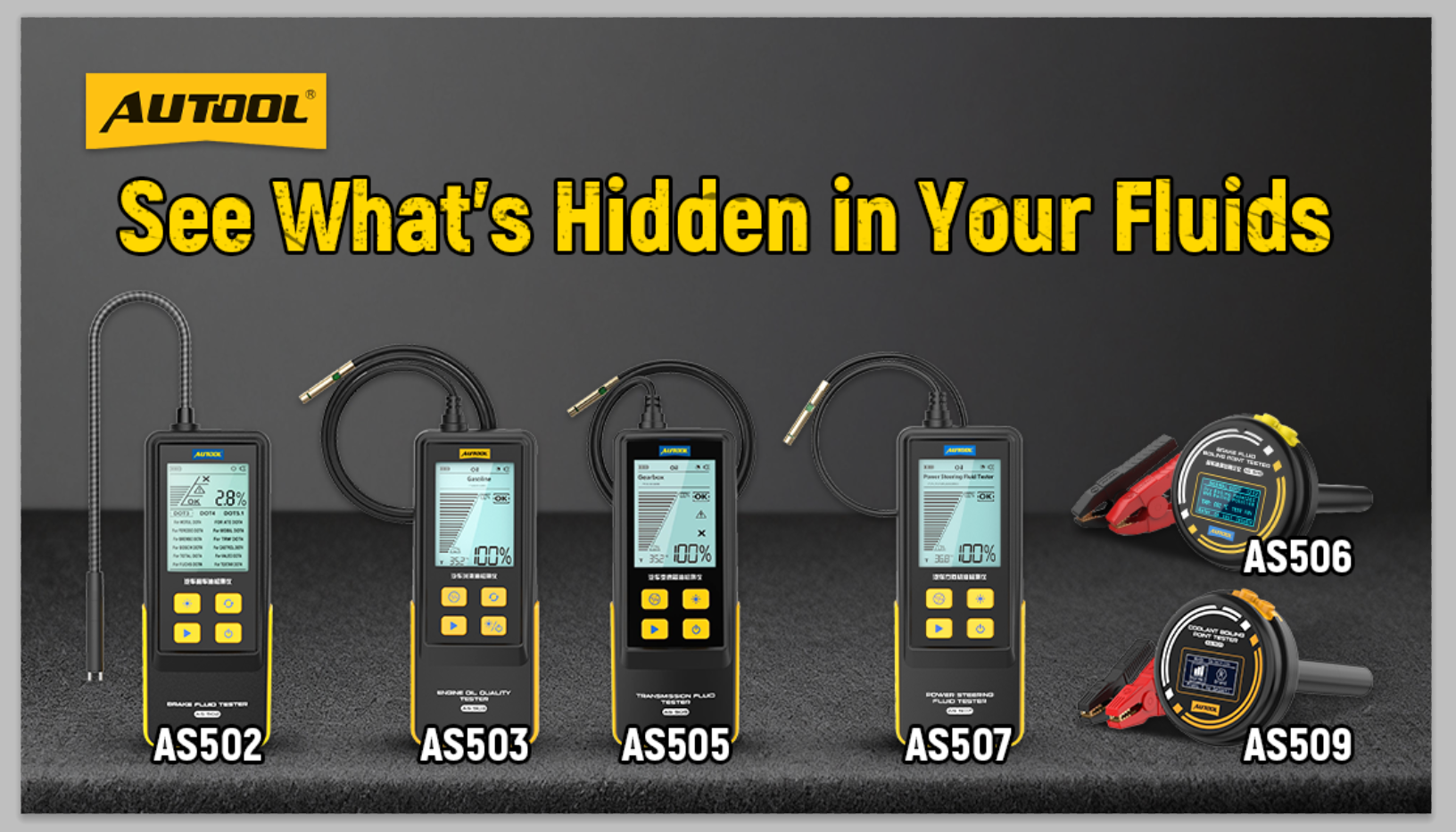
Many people mistakenly believe antifreeze is only needed in winter. In reality, antifreeze coolant is essential year-round because it helps regulate engine temperature and prevents overheating. In daily life, it also plays a role in heat dissipation and lubrication.
Antifreeze coolant can be replaced once every two years or around 20,000 to 40,000 miles, because the shelf life of antifreeze is usually about 2 years. You can add antifreeze to your water tank to avoid wear and tear of internal engine parts and oil deterioration.
It is recommended to use high-quality antifreeze, as poor-quality antifreeze may damage your vehicle.
Air, oil, and fuel filtration
The three automobile filters, including the air filter, oil filter, and gasoline filter, remove dirt and improve the car’s internal condition. They should be cleaned or replaced during every maintenance service.
Driving safety check
With the higher frequency of daily car use, driving safety receives more attention, and tire pressure monitoring is becoming more important. Over 70% of highway traffic accidents are caused by tire issues.
Maintaining proper tire pressure is crucial for safety, fuel efficiency, and tire longevity. Incorrect pressure can lead to increased wear, higher fuel consumption, and greater danger while driving.
It is recommended to check the tires before each highway trip, including tire pressure, tire wear or bulging, and brakes. If any of the above conditions occur, please replace the tires in a timely manner.
Thank you for reading. Please drive safely on your daily trips, and remember to have regular checkups, regular maintenance, and timely repairs.
For car maintenance knowledge, you are welcome to express your opinion in the comment section, or contact AUTOOL through the official email and WhatsApp.
Related reading: How to get your car winter ready>> and Guide to avoiding pitfalls in electric car charger for home installation>>.
Related Products
Rendered through WooCommerce product shortcode so the cards inherit the global product-card structure and Blocksy/WooCommerce styles.