Repair Information
Avoid Breakdowns on the Road! Essential Car Maintenance Checklist Before Trip

July 21, 2025
Share:
 autoolstore.com
Which season is the most dangerous for drivers? Many people think first of winter, icy roads and the risk of skidding. However, the original article notes that summer can see more fatalities because traffic increases, driving speeds are often higher, and more drivers, including inexperienced teenage drivers, are on the road.
Summer heat also puts extra stress on vehicle parts. If an engine, tire, brake, battery or cooling-system component is already worn or damaged, high temperature can push it toward failure during a long trip.
According to Business Insider, the U.S. population was expected to prefer road trips in early summer 2025 because of lower gas prices and economic uncertainty. Travel trends in Europe also showed that 70% of people planned to travel from June to November, with inland travel rising to 32% as drivers prioritized flexibility and decentralized routes. During the June-August vacation period, self-driving becomes a dominant travel choice, so pre-trip maintenance matters.
Why is summer car maintenance especially necessary?
Summer is a high-risk season for breakdowns and accidents. Heat stress can intensify mechanical problems that have not been repaired in time, so preventive maintenance is essential before long-distance driving.
The original guidance also cites the California Highway Patrol: during summer months, many mechanical problems can be magnified by heat stress and may become serious hazards. A complete vehicle inspection before departure helps make summer driving safer, smoother and less expensive.
High temperatures can worsen aging defects in engines, tires, brakes, batteries and other systems. If these problems are ignored, they can lead to serious failures or accidents.
Many summer accidents are connected to poor maintenance, including flat tires, brake failure and battery failure. A roadside breakdown can interrupt travel and create repair costs from hundreds to thousands of dollars.
Reliability, Safety and Economic benefits all improve when oil, tires, brake fluid and battery condition are checked before a trip. Preventive maintenance costs less than post-breakdown repairs and may reduce towing and insurance-related losses.
Pre-trip maintenance program
The following table keeps the original maintenance program and reorganizes it into a cleaner pre-trip checklist.
| Maintenance Item | Expected Benefits |
|---|---|
| Engine Oil & Oil Filter Replacement | Ensures proper engine lubrication and cooling under high temperatures. Old oil loses effectiveness under heavy summer loads, increasing the risk of engine damage. |
| Tire Pressure, Tread, and Spare Check | Hot roads increase the risk of tire blowouts. Adjusting tire pressure, checking tread depth and carrying a ready spare significantly improve emergency readiness. |
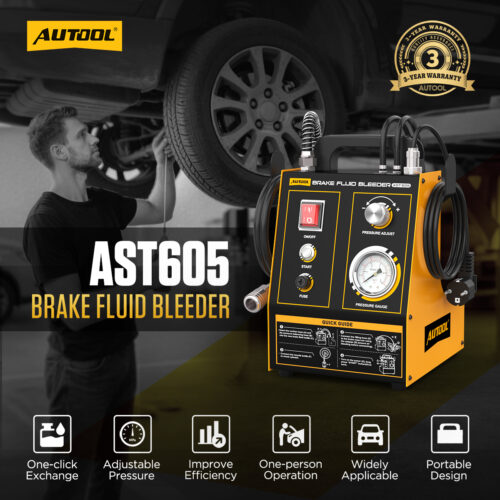
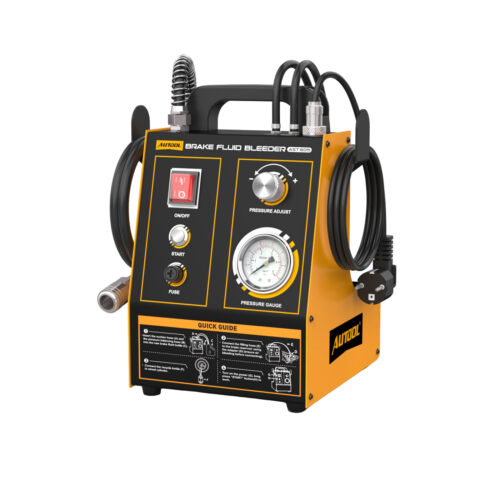
| Brake System Inspection | Brakes are used more frequently during summer trips. High temperatures can reduce braking performance and lower the boiling point of brake fluid, so brake reliability is crucial. |
| Battery & Electrical System Test | Heat and vibration accelerate battery aging and may cause short circuits. Battery-related breakdowns are a common cause of roadside failures, as noted in examples such as AAA reports. |
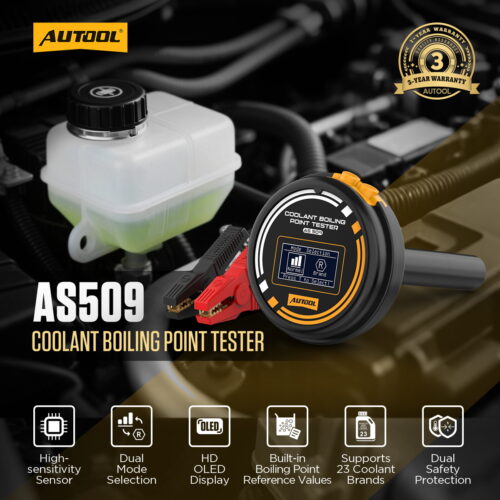
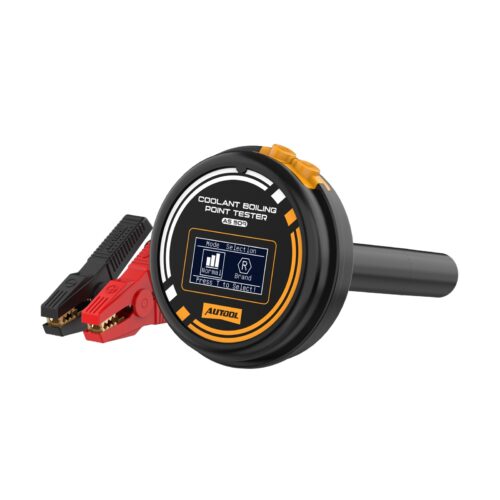
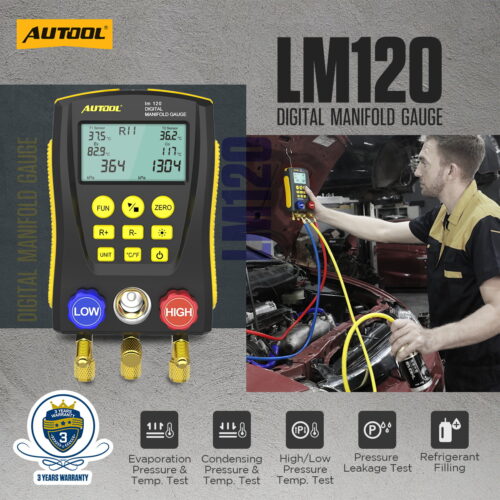
| Cooling & Radiator System Check | Includes inspecting coolant, antifreeze and radiator exhaust pipes, all of which help prevent engine overheating caused by heat buildup. |
| Belts, Hoses & Wiper Inspection | High temperatures can damage rubber belts and hoses, affecting engine systems and wiper function. Timely replacement reduces failure risk. |
Extra preparedness: emergency gear and safety tools
Prepare a jack, wrench, flashlight, spare oil/coolant, tow rope, barricade cone or barricade stick.
Carry a hitch cord, first aid kit and fire extinguisher for basic roadside safety support.
Keep a spare power supply, cell phone charger, electronic map or navigation device ready before the trip.
Three days before departure
Use this maintenance countdown checklist to organize the work in more detail before departure.
Pre-departure inspection, test drive and driving habits
Drive on the highway and feel for vehicle vibration, brake response, tire bias, rattles and other potential problems.
Follow maintenance recommendations based on vehicle mileage and time, such as changing belts, filter elements and spark plugs.
Make a rest and refueling plan, take a break every 2 hours to avoid fatigue, and keep daily driving time around 4-6 hours when possible.
In a high-temperature summer environment, complete car maintenance is a high-investment and high-value return decision. If you plan to drive far from home in summer, pre-trip maintenance helps save heart, save money, save safety and reduce the chance of unexpected roadside trouble.
Check the oil, tires, brakes, battery, cooling system, belts, hoses, wipers, emergency kit and route plan before departure. A careful inspection is one of the most cost-effective ways to keep a summer road trip smooth and worry-free.
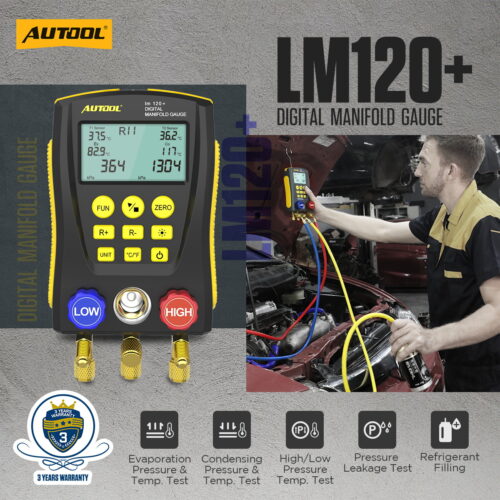
Contact AUTOOL to compare coolant, brake fluid, AC, tire and emergency maintenance tools before your next long trip.
Related Products
Rendered through WooCommerce product shortcode so the cards inherit the same product-card structure used by the reference post layout.