LANGUAGE & CURRENCY
Uncategorized
Which AUTOOL Dry Ice Cleaning Machine Fits Your Shop Best?

August 30, 2026
Share:
 autoolstore.com
Repair testing / 8 sub-categories
Diagnostic tools for leak tracing, visual inspection, battery health, circuits, pressure, spark, oil, and electrical readings.
Repair maintenance / 6 sub-categories
Service equipment for fluid exchange, A/C diagnostics, refrigerant recovery, oil handling, and cooling-system work.
Carbon cleaning / 3 sub-categories
Carbon-removal equipment for injectors, intake valves, components, and workshop cleaning jobs.
Wheel tire / 3 sub-categories
Equipment for alignment, lifting, tire repair, tire mounting, and service-bay workflows.
Tool storage / 1 sub-category
Storage products for keeping workshop tools, test equipment, and accessories organized.
EV charging / 1 sub-category
EV charging products for new-energy vehicle service, workshop use, and installation scenarios.
OBD diagnosis / 5 sub-categories
OBD-related testers, ECU programming power supplies, cable products, used-car inspection tools, and key frequency diagnostics.
Accessories / 8 sub-categories
Replacement parts, adapters, consumables, cables, and add-ons for major diagnostic and service equipment.
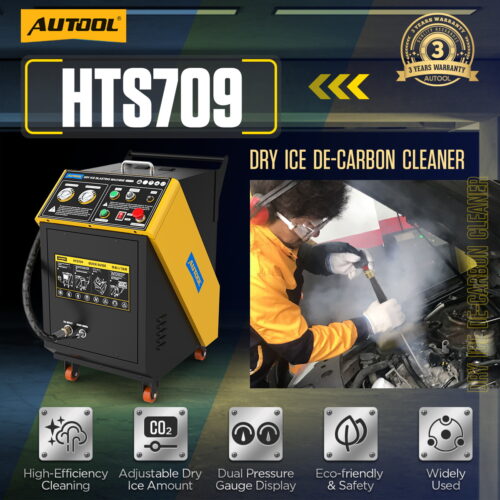
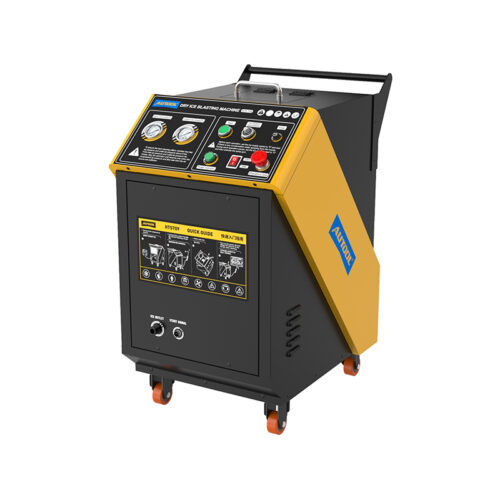
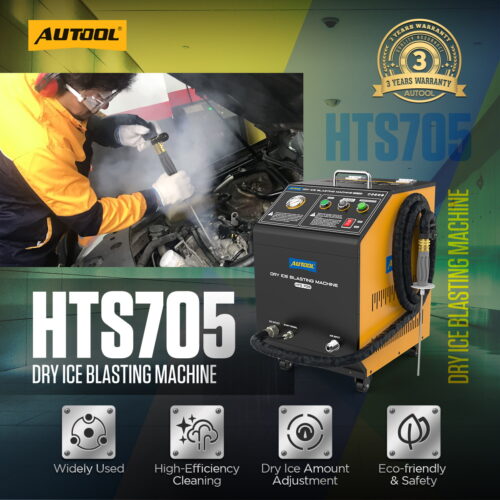
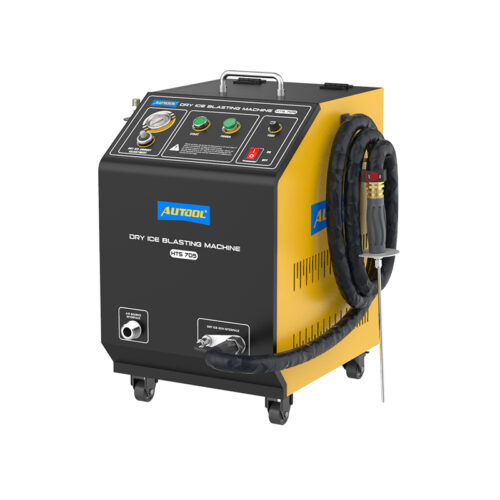
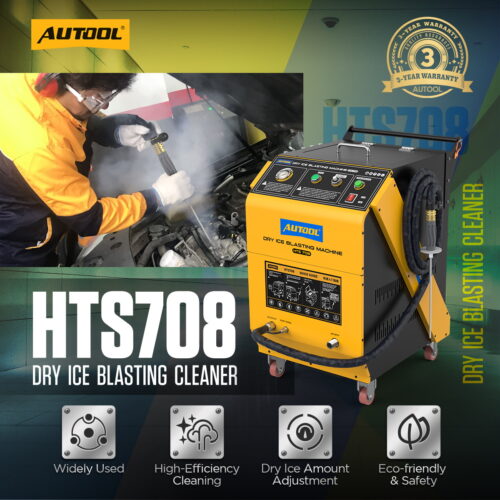
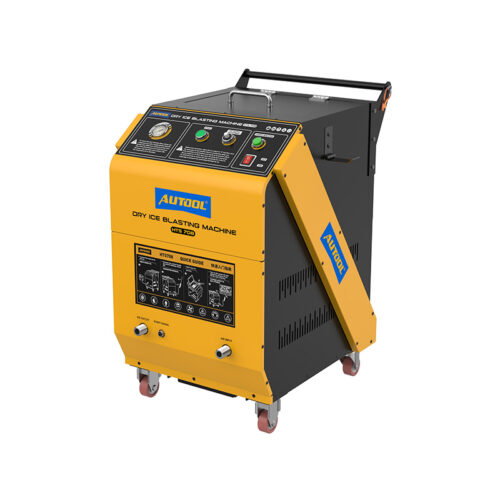
Carbon deposit cleaning, engine carbon removal, chassis oil and grime stripping — dry ice cleaning has become the widely adopted solution in the automotive repair industry for its efficiency and environmental benefits. AUTOOL offers three dry ice cleaning machines: HTS705, HTS708, and HTS709. Each has its own strengths, and many shop owners find it hard to tell them apart or decide which one fits their shop size. In this article, we’ll break down the specs, features, and ideal use cases for each model — so you can make the right call with confidence.
Key Advantages:
Limitations:
Best For:
Key Advantages:
Best For:
Key Advantages:
Limitations:
Best For:
Scenario 1: Small Shop Testing the Waters or Mobile Cleaning — Choose HTS705
If you’re just adding dry ice cleaning to your services, don’t do many cars per day, often clean on-site, or have tight workspace — go with HTS705. Its lightweight design makes moving it easy, low power means no circuit headaches, and low upfront cost covers routine throttle and intake cleaning without over-investing.
Scenario 2: Mid-Size Shop, Consistent Carbon Cleaning Work — Choose HTS708
About 90% of repair shops are best matched with this balanced model. Large hopper reduces refill stops, built-in filter saves on accessory costs, lower ice consumption keeps ongoing expenses down, and strong airflow handles most carbon buildup on gas and diesel engines. Maximum value, no real drawbacks.
Scenario 3: Large Specialist / EV Service Center, Heavy-Duty Use — Choose HTS709
For engine specialists and EV repair centers running a dozen cleaning jobs a day — often dealing with thick sludge and precision EV components — go straight to HTS709. Dual pressure gauges protect delicate parts, high-power output won’t fade under continuous use, and built-in filter + large hopper supports full-day shifts with improved durability over the long haul.
Dry ice cleaning is a high-margin value-added service in today’s automotive repair market. Choosing the right machine for your shop size helps you control upfront costs while lowering consumable and maintenance expenses over the long run. Match your selection to your daily workload, workspace, and primary vehicle types — and you’ll get the most out of your investment while boosting shop profitability.