AUTOOL Blog, Tech Trends
Transmission Fluid Flush vs. Change: Which Is a Better Choice?

June 25, 2025
Share:
 autoolstore.com
Without a properly functioning transmission, a vehicle can hardly move. One of the key ways to keep the transmission in good working condition is to regularly check and replace automatic transmission fluid, also known as ATF.
There are two main methods for ATF maintenance: transmission fluid flush and transmission fluid change. They are often mentioned together, but they are not the same service. This guide explains what each method does, how they differ, and when each one makes sense.
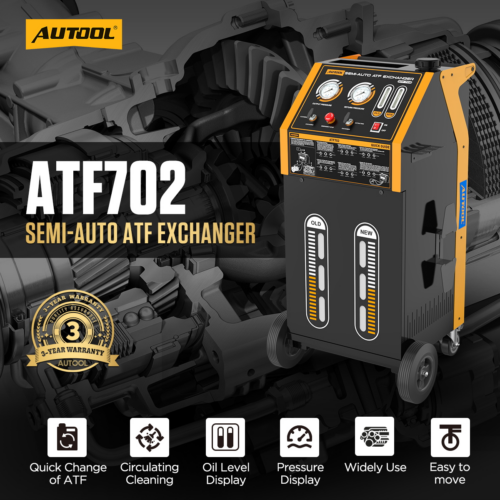
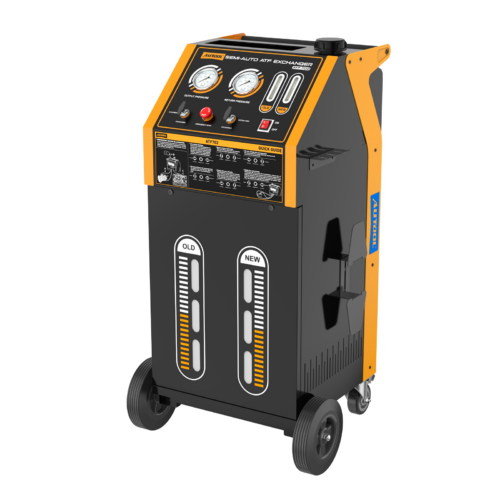
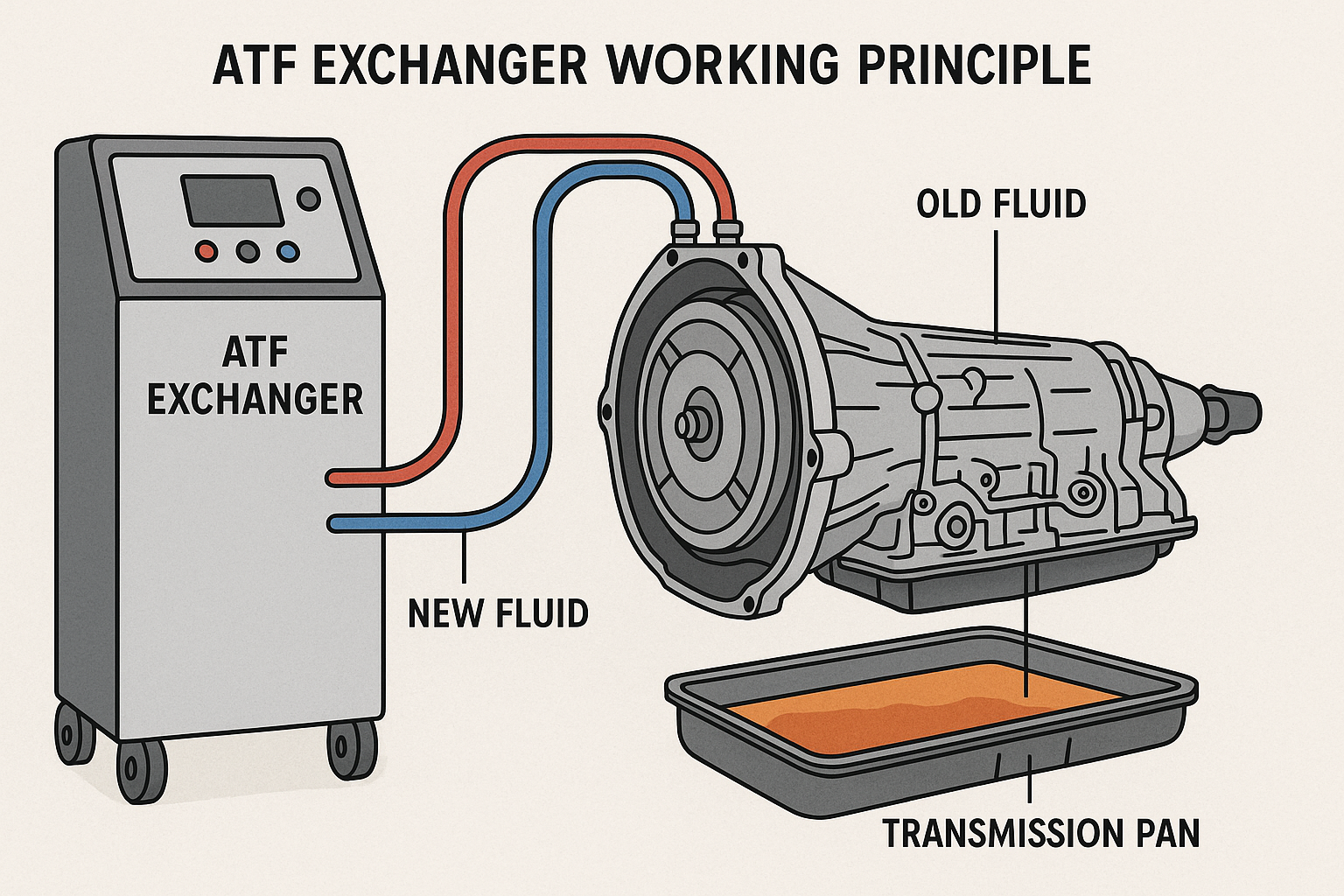
A transmission fluid flush is a service that uses a specialized machine, such as an automatic transmission fluid exchanger, to replace almost all of the old transmission fluid in the system. The technician connects the transmission fluid flush machine to the vehicle’s transmission cooler lines.
The machine simultaneously extracts old fluid and injects new fluid into the system, creating a closed-loop exchange. This method replaces about 90-95% of the fluid and helps remove sludge, metal shavings, and other debris from areas such as the torque converter and cooling lines.
Because it cleans more of the system, a flush can reduce the risk of internal clogs, improve shifting smoothness, and help extend transmission life when performed correctly.
A transmission fluid change, often called a drain-and-fill, is a simpler procedure. It involves removing the drain plug at the bottom of the transmission and letting gravity pull out part of the old fluid. New fluid is then added through the fill port.
This method typically replaces only 30-40% of the fluid and does not flush out contaminants trapped in the torque converter or cooler lines. It is quicker and only requires basic tools such as a wrench, drain pan, and fill tool, but its effectiveness is limited compared with a full flush.
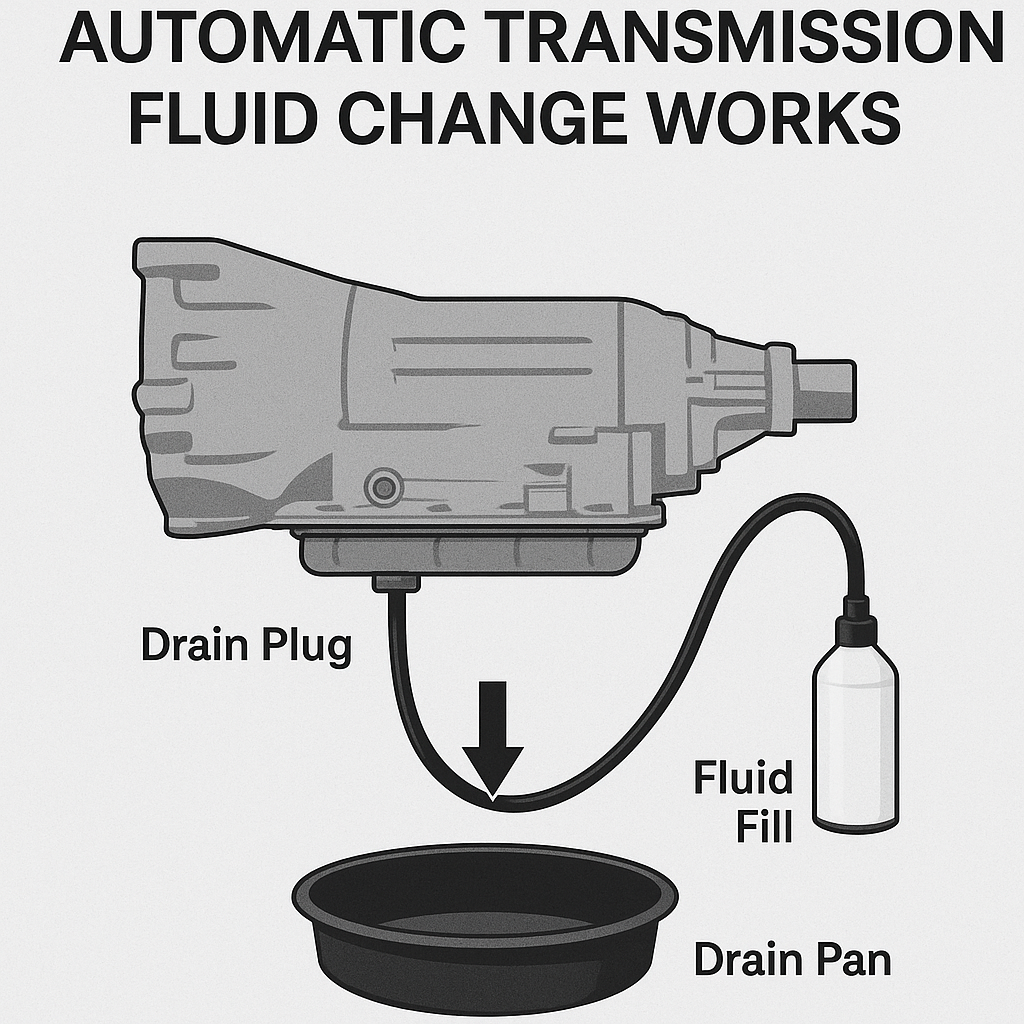
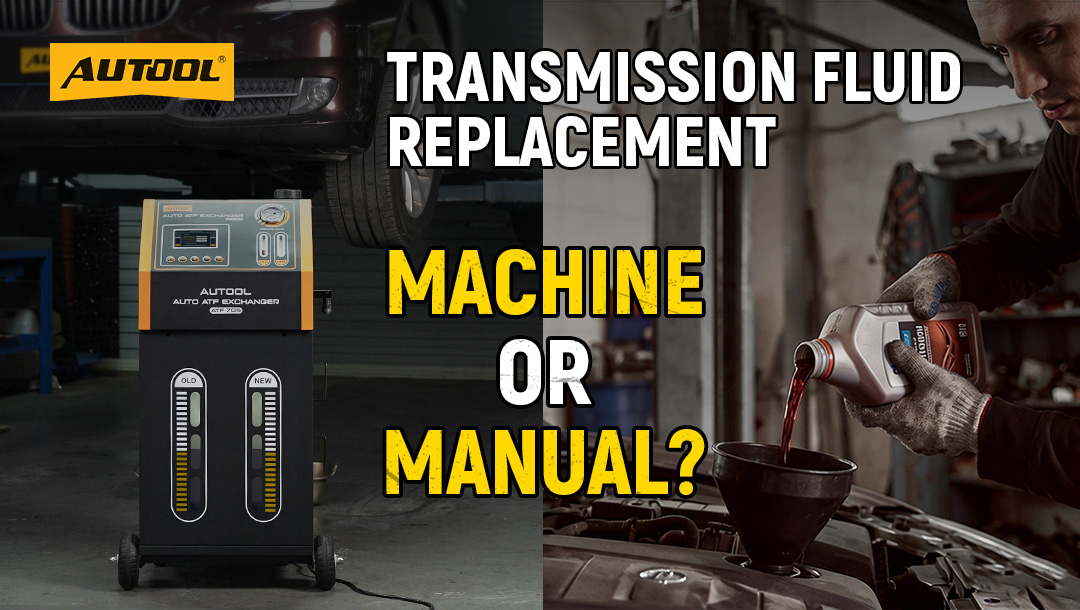
Though the terms are sometimes used interchangeably, transmission fluid flush and transmission fluid change are two distinct services. The main differences are replacement rate, equipment, debris removal, service time, and long-term effectiveness.
| Item | Transmission Fluid Flush | Transmission Fluid Change |
|---|---|---|
| Fluid Replacement Rate | Around 90-95% | Around 30-40% |
| Equipment Required | Automatic transmission fluid exchanger | Basic tools like wrenches and fluid fill tools |
| Debris Removal | Yes, full-system cleaning | No, drains only pan fluid |
| Time Required | 20-30 minutes | 15-20 minutes |
| Long-Term Effectiveness | Better performance and longevity | Moderate improvement |
During a fluid flush, professional technicians connect a transmission fluid flush machine to one of the transmission’s cooler lines. The machine removes old fluid and contaminants more thoroughly, minimizing the risk of clogging in vital components.
By contrast, a fluid change drains only a portion of the fluid from the bottom of the system before fresh fluid is poured in. It is still helpful, but it does not remove deep-seated contaminants that may affect performance.
The better choice depends on the vehicle’s condition and maintenance history. The key is to match the service to the actual transmission condition rather than treating every vehicle the same way.
If the car has high mileage, delayed shifting, or has not had regular maintenance, a transmission fluid flush is usually the better option because it removes more old fluid and contaminants.
For newer vehicles with routine maintenance and no noticeable issues, a fluid change may be sufficient and can refresh part of the fluid with a simpler service.
Let a technician use a professional automatic transmission fluid change machine to assess the vehicle and perform the most suitable service.
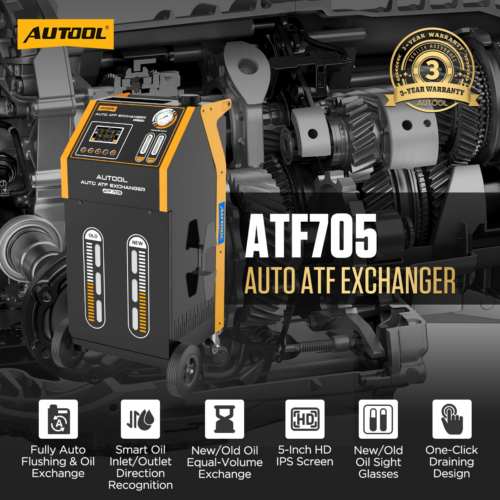
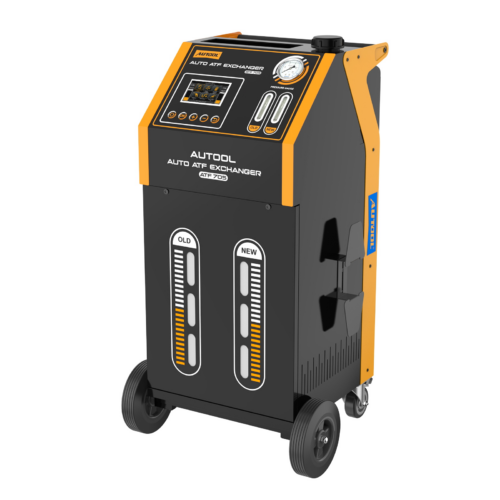
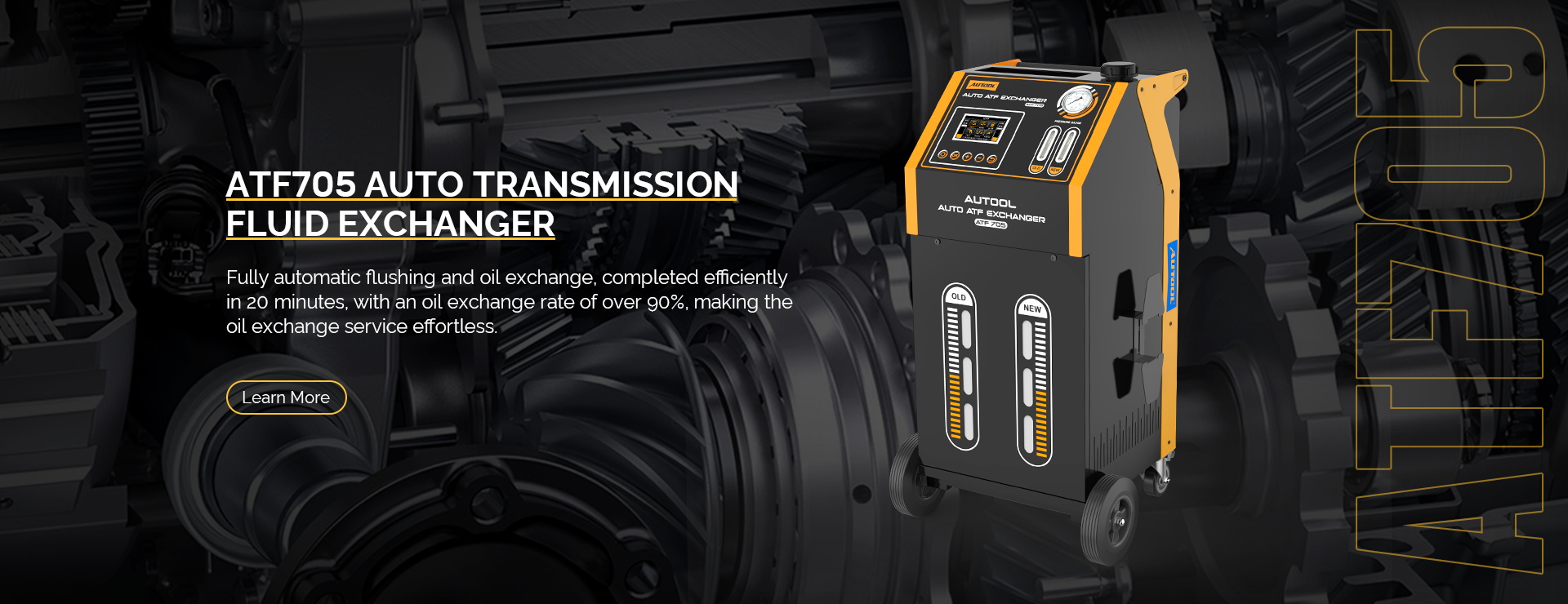
Using high-performance equipment such as the AUTOOL ATF705 Automatic Transmission Fluid Exchanger helps support precision, consistency, and reduced contamination risk.
Maintaining clean automatic transmission fluid is essential to transmission longevity. By understanding the difference between a flush and a change, you can make a better decision for the vehicle’s needs.
For workshops aiming to improve service quality and operational efficiency, a professional automatic transmission fluid exchanger, such as an AUTOOL transmission fluid flush machine, demonstrates expertise and helps deliver consistent results.
Related Products
Rendered through WooCommerce product shortcode so the cards inherit the global product-card structure and Blocksy/WooCommerce styles.