AUTOOL Blogs, Tehnoloģiju tendences
Transmisijas šķidruma skalošana vai maiņa: kura ir labāka izvēle?

25 jūnijs, 2025
Kopīgot:
 autoolstore.com
Bez pareizi funkcionējošas transmisijas transportlīdzeklis gandrīz nevar kustēties. Viens no galvenajiem veidiem, kā uzturēt transmisiju labā darba kārtībā, ir regulāri pārbaudīt un nomainīt automātiskās transmisijas šķidrumu, kas pazīstams arī kā ATF.
ATF apkopei ir divas galvenās metodes: transmisijas šķidruma skalošana un transmisijas šķidruma maiņa. Tās bieži tiek minētas kopā, taču tie nav viens un tas pats pakalpojums. Šajā rokasgrāmatā ir paskaidrots, ko dara katra metode, kā tās atšķiras un kad katrai no tām ir jēga.
Transmisijas šķidruma skalošana ir pakalpojums, kurā tiek izmantota specializēta iekārta, piemēram, automātiskās pārnesumkārbas šķidruma apmainītājs, lai nomainītu gandrīz visu veco transmisijas šķidrumu sistēmā. Tehniķis pievieno transmisijas šķidruma skalošanas iekārtu transportlīdzekļa transmisijas dzesēšanas līnijām.
Iekārta vienlaikus izsūknē veco šķidrumu un iesmidzina sistēmā jaunu šķidrumu, radot slēgtas cilpas apmaiņu. Šī metode aizstāj aptuveni 90–95 % šķidruma un palīdz noņemt nogulsnes, metāla skaidas un citus gružus no tādām vietām kā griezes momenta pārveidotājs un dzesēšanas līnijas.
Tā kā skalošana attīra lielāku sistēmas daļu, tā, pareizi veicot, var samazināt iekšējo aizsprostojumu risku, uzlabot pārnesumu pārslēgšanas vienmērīgumu un palīdzēt pagarināt transmisijas kalpošanas laiku.
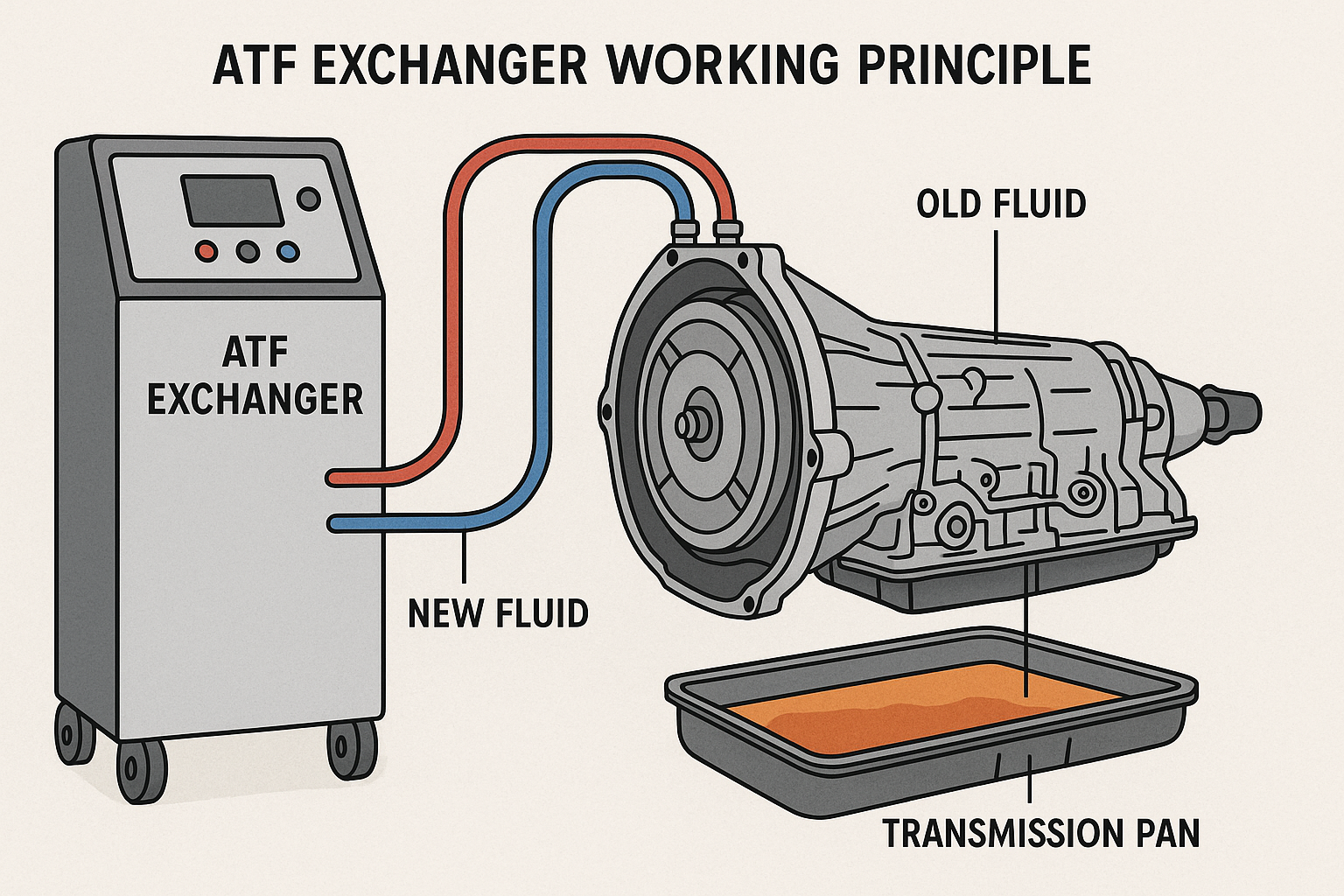
Transmisijas šķidruma maiņa, ko bieži sauc par iztukšošanas un uzpildīšanas procedūru, ir vienkāršāka. Tā ietver iztukšošanas aizbāžņa noņemšanu transmisijas apakšā un daļas vecā šķidruma izvilkšanu gravitācijas ietekmē. Pēc tam caur uzpildes atveri tiek pievienots jauns šķidrums.
Šī metode parasti aizstāj tikai 30–40 % šķidruma un neizskalo griezes momenta pārveidotājā vai dzesētāja līnijās iesprostotos piesārņotājus. Tā ir ātrāka un tai nepieciešami tikai pamata instrumenti, piemēram, uzgriežņu atslēga, notekas panna un uzpildes instruments, taču tās efektivitāte ir ierobežota salīdzinājumā ar pilnīgu skalošanu.
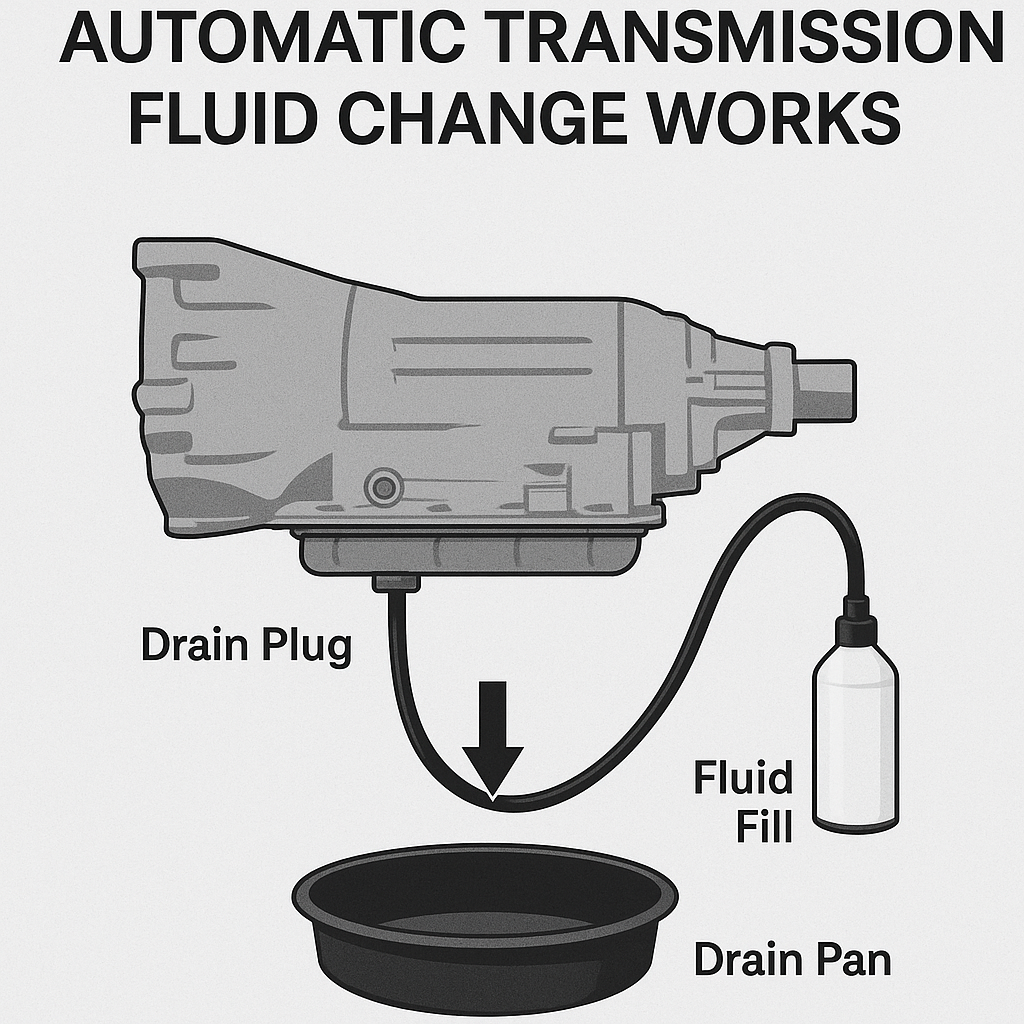
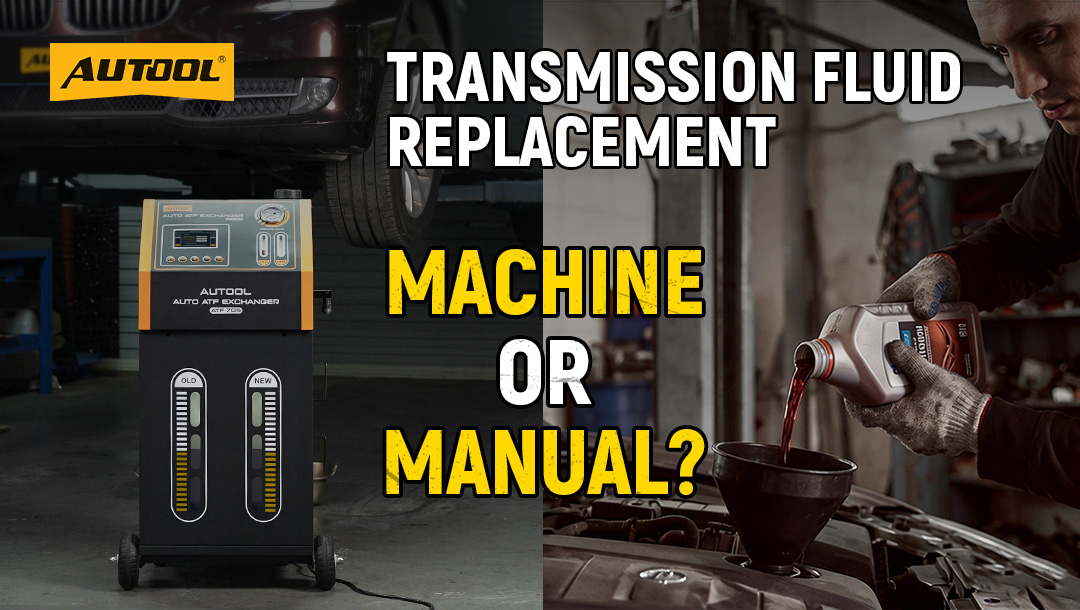
Lai gan šie termini dažkārt tiek lietoti savstarpēji aizvietojami, transmisijas šķidruma skalošana un transmisijas šķidruma maiņa ir divi atšķirīgi pakalpojumi. Galvenās atšķirības ir nomaiņas biežums, aprīkojums, gružu noņemšana, apkopes laiks un ilgtermiņa efektivitāte.
| Prece | Transmisijas šķidruma skalošana | Transmisijas šķidruma maiņa |
|---|---|---|
| Šķidruma nomaiņas ātrums | Aptuveni 90–95% | Aptuveni 30–40% |
| Nepieciešamais aprīkojums | Automātiskās pārnesumkārbas eļļas maiņas iekārta | Pamata instrumenti, piemēram, uzgriežņu atslēgas un šķidrumu uzpildīšanas instrumenti |
| Atkritumu izvešana | Jā, pilna sistēmas tīrīšana | Nē, novada tikai eļļas karteri |
| Nepieciešamais laiks | 20–30 minūtes | 15–20 minūtes |
| Ilgtermiņa efektivitāte | Labāka veiktspēja un ilgmūžība | Mērens uzlabojums |
Šķidruma skalošanas laikā profesionāli tehniķi pievieno transmisijas šķidruma skalošanas iekārtu vienai no transmisijas dzesētāja līnijām. Iekārta rūpīgāk noņem veco šķidrumu un piesārņotājus, samazinot svarīgu komponentu aizsērēšanas risku.
Turpretī šķidruma maiņas laikā no sistēmas apakšas tiek izsūknēta tikai daļa šķidruma, pirms tiek iepildīts jauns šķidrums. Tas joprojām ir noderīgi, taču neizvada dziļi iesakņojušos piesārņotājus, kas var ietekmēt veiktspēju.
Labāka izvēle ir atkarīga no transportlīdzekļa stāvokļa un apkopes vēstures. Svarīgākais ir pielāgot apkopi faktiskajam transmisijas stāvoklim, nevis izturēties pret visiem transportlīdzekļiem vienādi.
Ja automašīnai ir liels nobraukums, aizkavēta pārnesumu pārslēgšana vai regulāra apkope, transmisijas šķidruma skalošana parasti ir labāks risinājums, jo tā noņem vairāk vecā šķidruma un piesārņotāju.
Jaunākiem transportlīdzekļiem ar regulāru apkopi un bez ievērojamām problēmām var pietikt ar šķidruma maiņu, un daļu šķidruma var atsvaidzināt ar vienkāršāku apkopi.
Ļaujiet tehniķim izmantot profesionālu automātiskās pārnesumkārbas šķidruma maiņas iekārtu, lai novērtētu transportlīdzekli un veiktu vispiemērotāko apkopi.
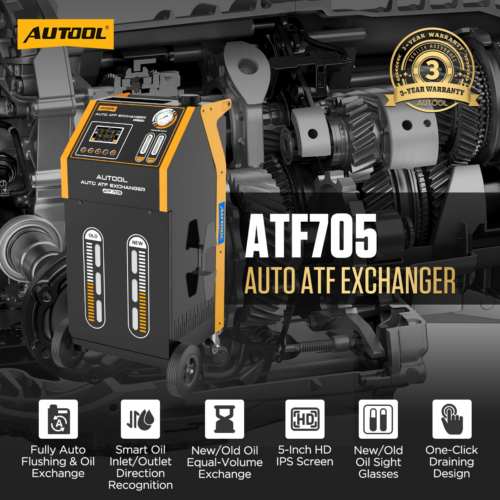
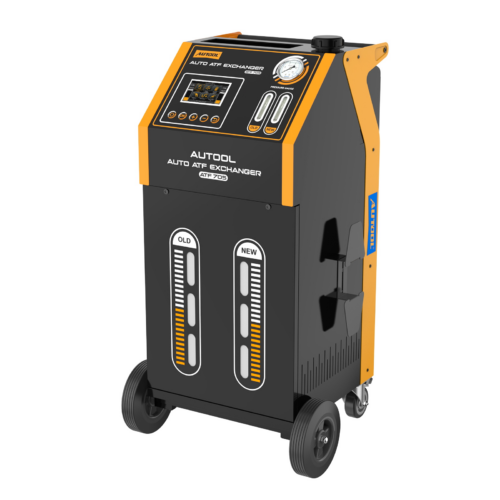
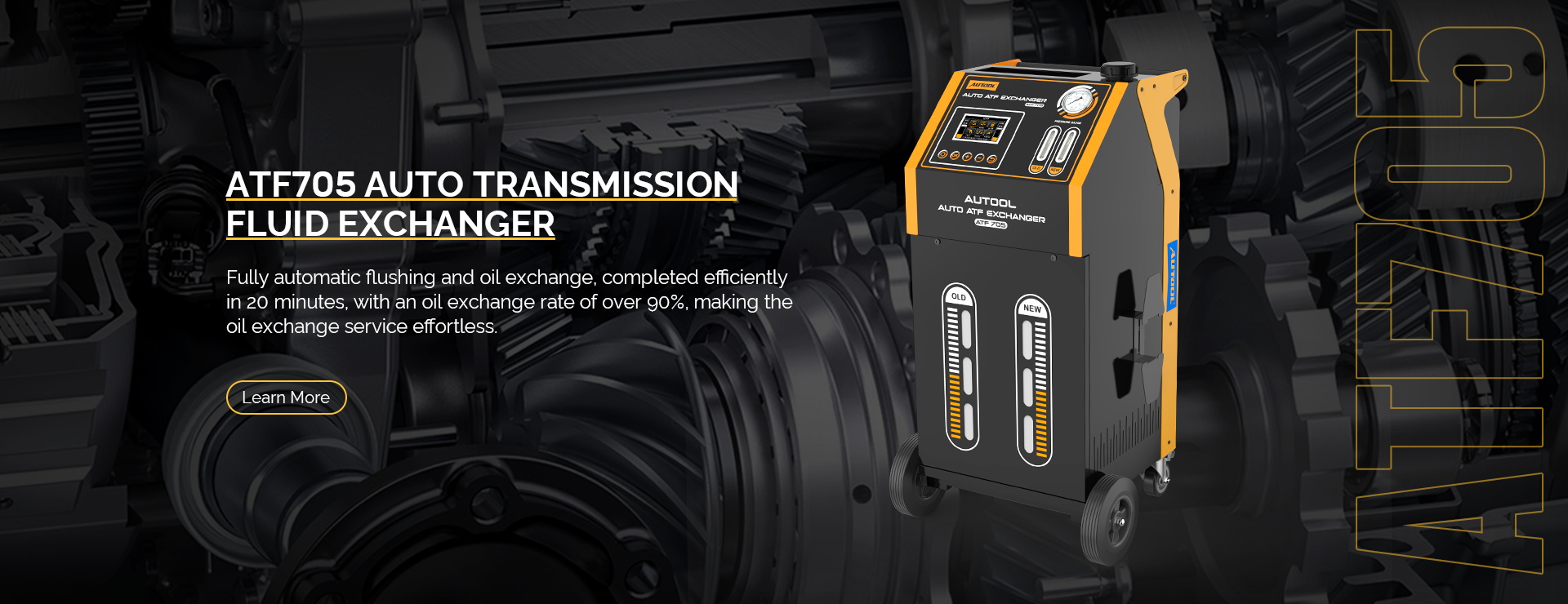
Augstas veiktspējas iekārta, piemēram, AUTOOL ATF705 automātiskā pārnesumkārbas eļļas maiņas iekārta, palīdz nodrošināt precizitāti, vienmērīgu rezultātu un mazāku piesārņojuma risku.
Automātiskās pārnesumkārbas šķidruma tīrība ir būtiska transmisijas ilgmūžībai. Izprotot atšķirību starp šķidruma skalošanu un nomaiņu, jūs varat pieņemt labāku lēmumu atbilstoši transportlīdzekļa vajadzībām.
Darbnīcām, kas vēlas uzlabot pakalpojumu kvalitāti un darba efektivitāti, profesionāla automātiskā pārnesumkārbas eļļas maiņas iekārta, piemēram, AUTOOL skalošanas iekārta, palīdz parādīt profesionalitāti un panākt vienmērīgu rezultātu.
Saistītie produkti
Renderēts, izmantojot WooCommerce produkta īskodu, tāpēc kartes manto globālo produktu karšu struktūru un Blocksy/WooCommerce stilus.