Uncategorized
Power-Check Your Ride—Don’t Let Your Car Die on You!

July 10, 2025
Share:
 autoolstore.com
Auto battery and electrical system repairs are often some of the most frustrating tasks for mechanics and car owners. Electrical faults can be triggered by wrecks, flooding, engine fires, corrosion, rust or damaged components, and the symptoms are often difficult to trace.
The true heartbeat of today’s vehicles lies in their complex electrical systems. From ignition to infotainment, lights, sensors, climate control and advanced driver assistance features, modern vehicles depend on stable power and reliable wiring.
If you are working on a car’s power system, the following knowledge is essential. This guide explains what the automotive electrical system is, how it works, common battery and electrical failures, and how to keep the system in good condition.
What is an automotive electrical system?
Modern vehicles are not only mechanical machines; they are also powered by complex automotive electrical systems. Every car contains a network of wires, fuses, relays and electronic components that deliver current to operate lights, ignition, sensors, infotainment and many other functions.
In gasoline or diesel vehicles, the electrical system functions as a closed-loop circuit that can generate its own power once the engine is running. While household power in the United States typically runs at 110-120 volts, most vehicles operate on a 12-volt electrical system.
A fully charged automotive battery stores approximately 12.6 volts when the vehicle is off. Once the engine starts, the alternator takes over, and system voltage typically rises to 13.8 to 14.8 volts so electrical components receive stable power and the battery recharges properly.
Battery, alternator and wiring harness
Modern vehicles rely on electrical systems more than ever. They power basic features such as lights, climate control and audio, while also supporting ADAS, infotainment, sensors, cameras and control modules.
At the heart of the system are the battery and alternator. Together, they send voltage and current through the wiring harness, which connects switches, fuses, relays, sensors and modules throughout the vehicle.
The wiring harness is essentially the vehicle’s nervous system. It carries power and data across the entire vehicle. In most cars, wiring can span 2-3 kilometers; in luxury or high-tech models, it can be twice as long, supporting communication between dozens of control modules and hundreds of sensors.
Common battery and electrical system problems
Faulty sensors trigger dashboard warning lights and can disrupt other electrical systems because many components rely on accurate sensor data.
Fuses protect circuits from overcurrent. A blown fuse often indicates an underlying fault or a component drawing too much power.
When battery voltage drops, the system may shut down non-essential components to preserve power for critical functions.
Corrosion, impacts, damaged insulation or broken wiring can interrupt current flow, causing flickering lights or complete circuit failures.
Relays act as electrically controlled switches. A failing relay can make headlights, cooling fans or other high-current systems stop working intermittently or entirely.
The alternator charges the battery and powers systems while the engine runs. If it fails, the battery depletes quickly, causing power loss and warning lights.
Batteries degrade over time through capacity loss, sulfation or wear. A weak battery may no longer deliver the current needed to crank the engine.
Keep the electrical system healthy
Many components share power, ground, fuses, relays and sensor data. A fault in one area can create symptoms in another, so diagnosis should follow the circuit path instead of replacing parts randomly.
A fully charged automotive battery stores approximately 12.6 volts when the vehicle is off. Once the engine starts, charging system voltage usually rises to 13.8 to 14.8 volts.
If you see repeated blown fuses, unstable voltage, warning lights, intermittent circuit failures, damaged wiring, or alternator charging problems, professional diagnostics can prevent further damage and unnecessary part replacement.
The key to a car’s performance and safety often lies in its electrical system. Simple handling, clean terminals, correct fuses, secure wiring, healthy grounding and regular testing can prevent unexpected breakdowns and costly repairs.
Your car serves you every day, so it is safer to keep its electrical system in good condition. In the next installment, we can look more closely at what to check first when an electrical system failure appears.
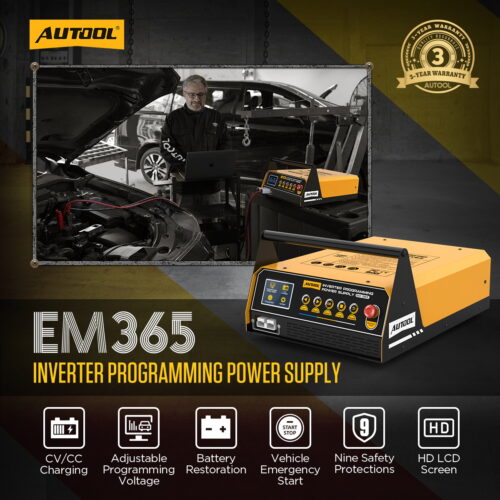
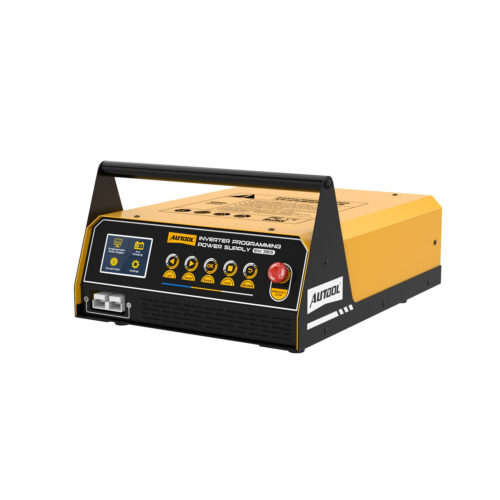
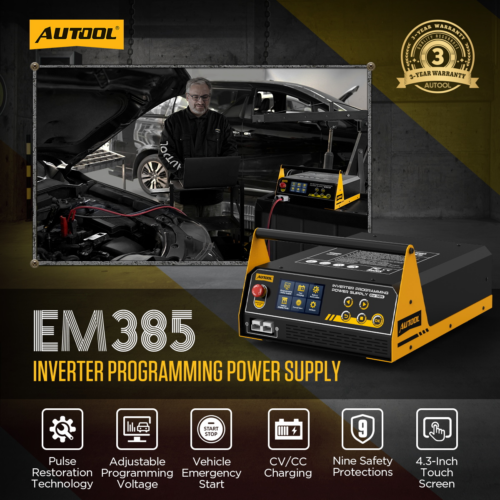
Contact AUTOOL to compare battery testers, circuit testers and stable power supply tools for electrical diagnosis.
Related Products
Rendered through WooCommerce product shortcode so the cards inherit the same product-card structure used by the reference post layout.