Nezařazené
Zkontrolujte si svůj odvoz – nenechte se svým autem zničit!

10 července, 2025
Podíl:
 autoolstore.com
Opravy autobaterií a elektrických systémů patří často k nejfrustrujícím úkolům pro mechaniky a majitele automobilů. Elektrické závady mohou být způsobeny nehodami, záplavami, požárem motoru, korozí, rzí nebo poškozenými součástmi a příznaky jsou často obtížně sledovatelné.
Skutečným srdcem dnešních vozidel jsou jejich složité elektrické systémy. Od zapalování přes infotainment, světla, senzory, klimatizaci až po pokročilé asistenční funkce řidiče, moderní vozidla závisí na stabilním napájení a spolehlivé kabeláži.
Pokud pracujete na energetickém systému automobilu, jsou nezbytné následující znalosti. Tato příručka vysvětluje, co je automobilový elektrický systém, jak funguje, jaké jsou běžné poruchy baterie a elektřiny a jak systém udržovat v dobrém stavu.
Co je to automobilový elektrický systém?
Moderní vozidla nejsou jen mechanické stroje; jsou také poháněna složitými automobilovými elektrickými systémy. Každé auto obsahuje síť vodičů, pojistek, relé a elektronických součástek, které dodávají proud pro ovládání světel, zapalování, senzorů, infotainmentu a mnoha dalších funkcí.
V benzínových nebo naftových vozidlech funguje elektrický systém jako uzavřený obvod, který si po spuštění motoru dokáže vyrábět vlastní energii. Zatímco v domácnostech ve Spojených státech je obvykle napětí 110–120 voltů, většina vozidel pracuje s 12voltovým elektrickým systémem.
Plně nabitá automobilová baterie uchovává při vypnutém vozidle napětí přibližně 12,6 voltu. Jakmile motor nastartuje, převezme práci alternátor a napětí systému obvykle stoupne na 13,8 až 14,8 voltu, takže elektrické součásti dostávají stabilní napájení a baterie se správně dobíjí.
Baterie, alternátor a kabelový svazek
Moderní vozidla se více než kdy jindy spoléhají na elektrické systémy. Napájejí základní funkce, jako jsou světla, klimatizace a audio, a zároveň podporují ADAS, infotainment, senzory, kamery a řídicí moduly.
Srdcem systému je baterie a alternátor. Společně vysílají napětí a proud kabelovým svazkem, který propojuje spínače, pojistky, relé, senzory a moduly v celém vozidle.
Kabeláž je v podstatě nervovým systémem vozidla. Přenáší energii a data napříč celým vozidlem. Ve většině aut může být kabeláž dlouhá 2–3 kilometry; u luxusních nebo high-tech modelů může být dvakrát delší a podporuje komunikaci mezi desítkami řídicích modulů a stovkami senzorů.
Běžné problémy s baterií a elektrickým systémem
Vadné senzory spouštějí výstražné kontrolky na palubní desce a mohou narušit další elektrické systémy, protože mnoho komponentů se spoléhá na přesná data ze senzorů.
Pojistky chrání obvody před nadproudem. Spálená pojistka často signalizuje základní závadu nebo součástku odebírající příliš mnoho energie.
Když klesne napětí baterie, systém může vypnout nepodstatné komponenty, aby šetřil energii pro kritické funkce.
Koroze, nárazy, poškozená izolace nebo přerušené vedení mohou přerušit tok proudu, což způsobí blikání světel nebo úplné selhání obvodu.
Relé fungují jako elektricky ovládané spínače. Vadné relé může způsobit, že světlomety, chladicí ventilátory nebo jiné systémy s vysokým proudem přerušovaně nebo úplně přestanou fungovat.
Alternátor nabíjí baterii a napájí systémy za chodu motoru. Pokud selže, baterie se rychle vybije, což způsobí ztrátu výkonu a rozsvícení výstražných kontrolek.
Baterie časem degradují v důsledku ztráty kapacity, sulfatace nebo opotřebení. Slabá baterie již nemusí dodávat proud potřebný k nastartování motoru.
Udržujte elektrický systém v dobrém stavu
Mnoho komponent sdílí napájení, uzemnění, pojistky, relé a data ze senzorů. Porucha v jedné oblasti může způsobit příznaky v jiné, takže diagnostika by měla sledovat cestu obvodu, a ne náhodně vyměňovat součástky.
Plně nabitá autobaterie uchovává při vypnutém vozidle přibližně 12,6 voltu. Po nastartování motoru se napětí nabíjecího systému obvykle zvýší na 13,8 až 14,8 voltu.
Pokud se opakovaně objevují přepálené pojistky, nestabilní napětí, výstražné kontrolky, občasné poruchy obvodů, poškozená kabeláž nebo problémy s nabíjením alternátoru, profesionální diagnostika může zabránit dalšímu poškození a zbytečné výměně dílů.
Klíčem k výkonu a bezpečnosti automobilu je často jeho elektrický systém. Jednoduchá manipulace, čisté svorky, správné pojistky, bezpečné zapojení, bezvadné uzemnění a pravidelné testování mohou zabránit neočekávaným poruchám a nákladným opravám.
Vaše auto vám slouží každý den, proto je bezpečnější udržovat jeho elektrický systém v dobrém stavu. V dalším díle se můžeme podrobněji podívat na to, co je třeba zkontrolovat jako první, když se objeví porucha elektrického systému.
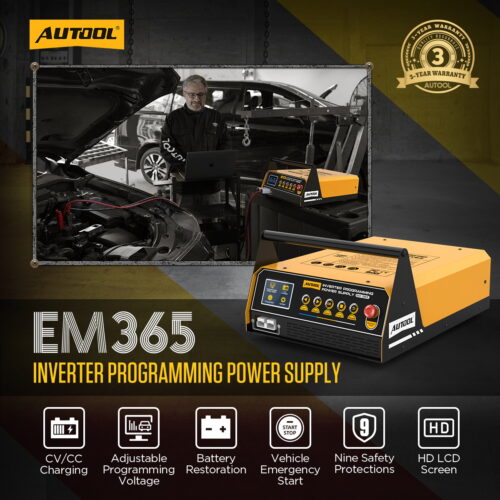
Kontakt AUTOOL porovnat testery baterií, testery obvodů a nástroje pro stabilní napájení pro elektrickou diagnostiku.
Související produkty
Vykresleno pomocí shortcodu produktu WooCommerce, takže karty dědí stejnou strukturu produktových karet, jakou používá rozvržení referenčního příspěvku.