Bez kategorii
Przewodnik po warsztacie: AUTOOL HTS559 Walnut Blaster

15 października, 2024
Udział:
 autoolstore.com
Silnik samochodowy, jako „serce” pojazdu, wymaga odpowiedniej konserwacji. W miarę upływu czasu i użytkowania, w silniku nieuchronnie gromadzą się osady węglowe.
Osady te mogą wpływać na osiągi silnika, prowadząc do spadku mocy, zwiększonego zużycia paliwa i wyższej emisji spalin. W tym artykule przedstawiono profesjonalną maszynę przeznaczoną do usuwania nagaru węglowego z silnika: AUTOOL HTS559 wyrzutnia orzechów.
Poniżej przyjrzymy się, czym jest osad węglowy w silniku, gdzie stosuje się wypalarkę orzechową, jej głównym cechom AUTOOL HTS559, jak go używać i w jaki sposób regularna konserwacja może pomóc w zmniejszeniu osadów węglowych.
Co to jest
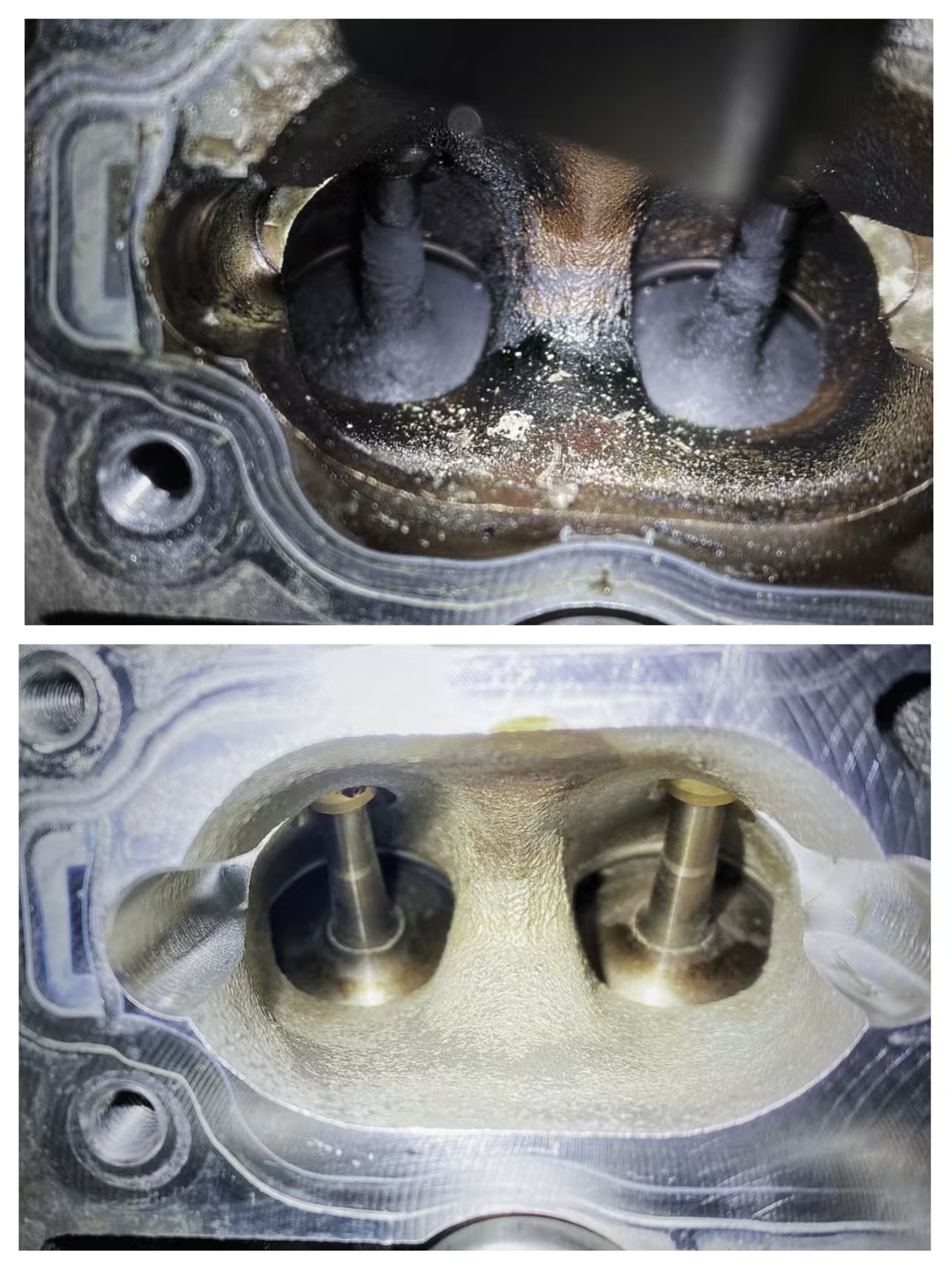
Nagromadzenie węgla w silniku odnosi się do stałych osadów węgla, które tworzą się na różnych częściach silnika z powodu niepełnego spalania lub złej jakości paliwa.
Typowe obszary, w których gromadzi się nagar, to zawory dolotowe, komora spalania, wtryskiwacze paliwa i górne powierzchnie tłoków. Gromadzenie się osadów w tych miejscach może prowadzić do spadku mocy silnika, zwiększenia zużycia paliwa i emisji spalin.
Nagromadzenie nagaru węglowego w silniku samochodowym można usunąć za pomocą urządzenia do czyszczenia suchym lodem lub urządzenia do czyszczenia orzechów włoskich. Urządzenie do czyszczenia suchym lodem usuwa osady węglowe poprzez rozpylanie cząsteczek suchego lodu, wykorzystując niską temperaturę i siłę uderzenia, jednocześnie zapobiegając uszkodzeniu podzespołów silnika.
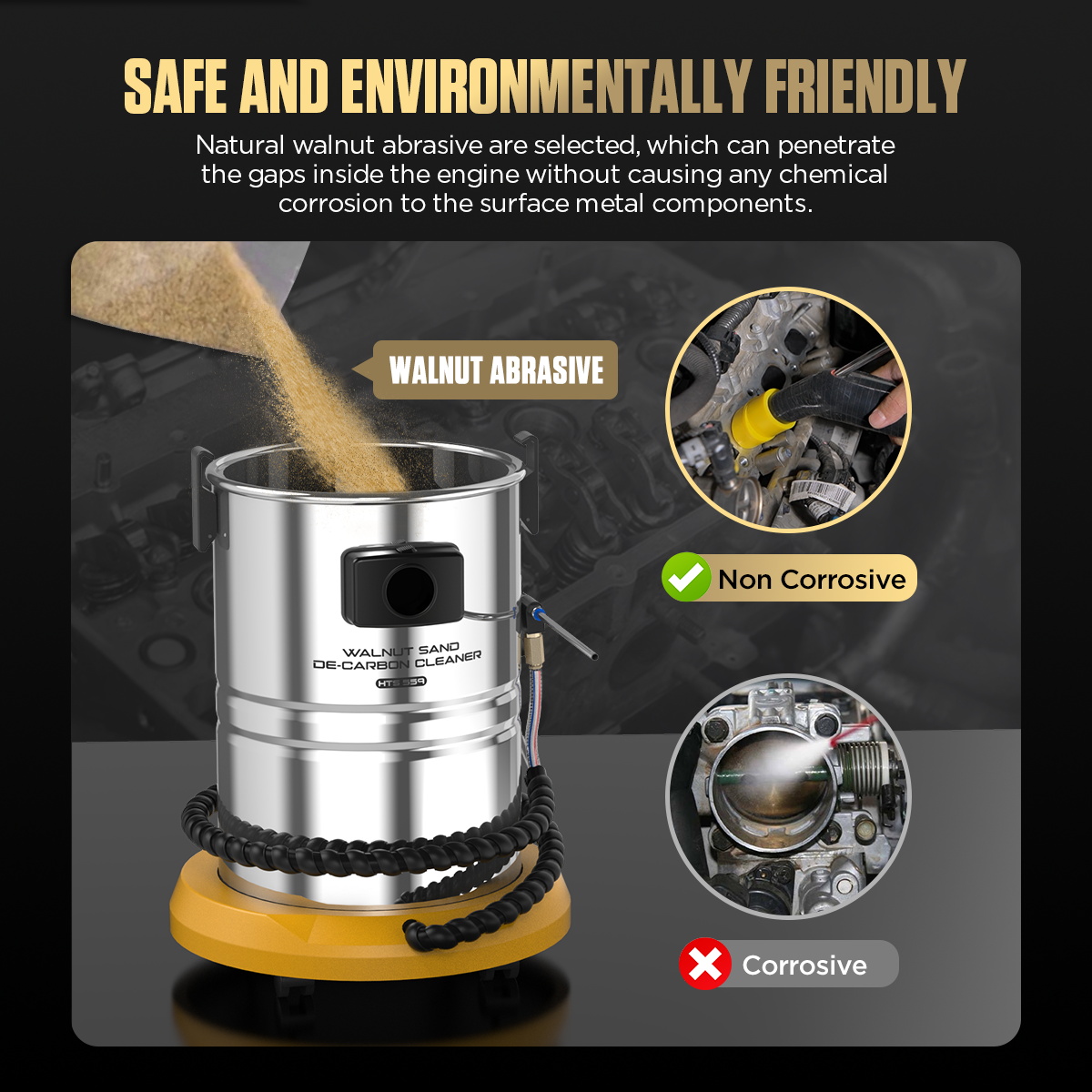
Urządzenie do czyszczenia orzechów włoskich wykorzystuje naturalne cząsteczki łupin orzechów włoskich. Zapewnia to delikatne, a jednocześnie skuteczne czyszczenie wnętrza silnika i usuwanie nagromadzonego osadu węglowego, pomagając przywrócić jego wydajność. Obie metody są przyjazne dla środowiska i skuteczne w utrzymaniu sprawności silnika.
Gdzie jest używany
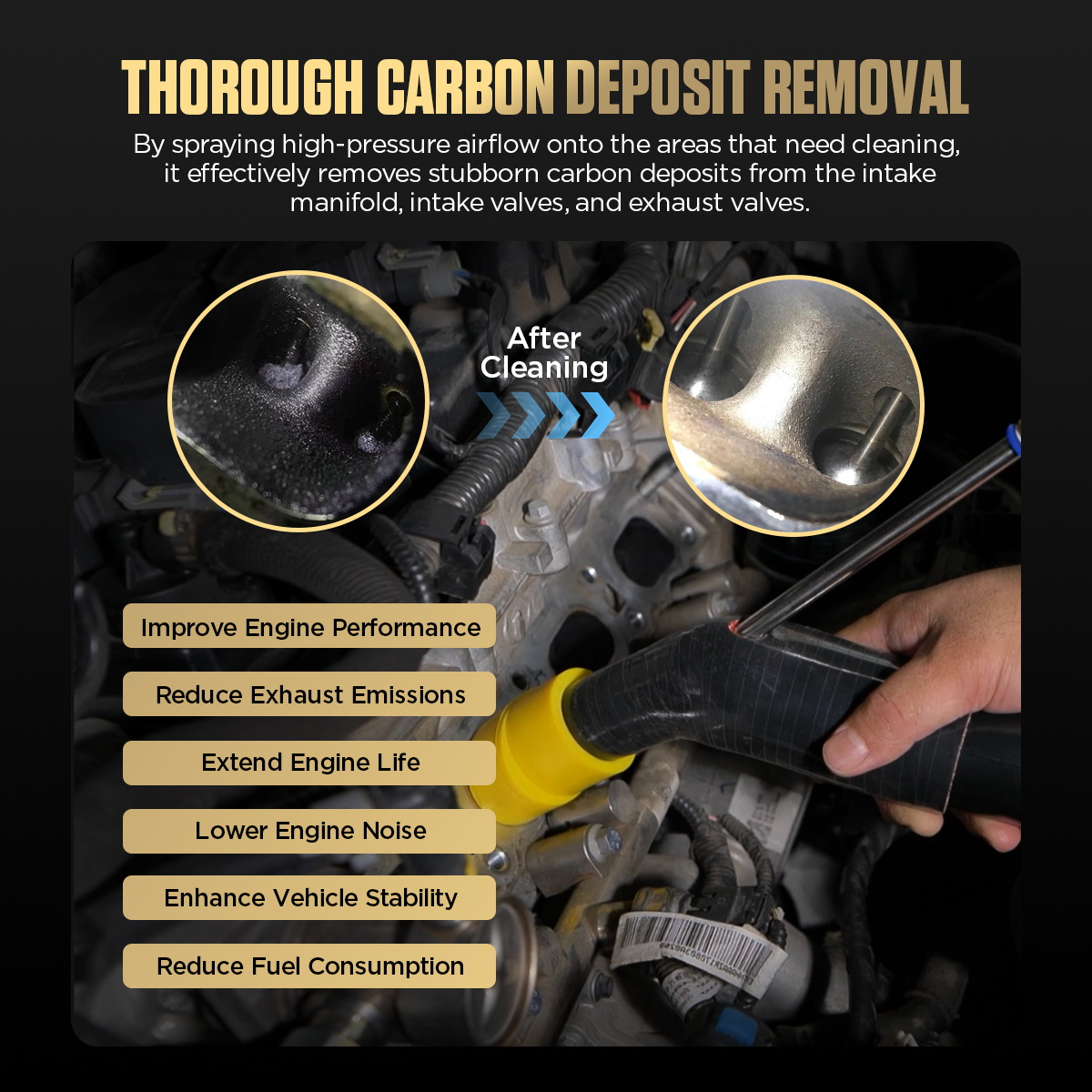
Ten AUTOOL HTS559 to środek czyszczący specjalnie zaprojektowany do czyszczenia nagromadzonego osadu węglowego w elementach silnika, takich jak kolektory dolotowe, zawory dolotowe i zawory wydechowe.
W przeciwieństwie do tradycyjnych ręcznych metod czyszczenia, które wymagają rozległego demontażu silnika, śrutownica do orzechów włoskich może być używana bez konieczności gruntownego demontażu. Dzięki temu jest szczególnie przydatna w warsztatach, zwłaszcza w okresach wzmożonego ruchu, ponieważ pozwala zaoszczędzić sporo czasu, jednocześnie zachowując skupienie na procesie czyszczenia.
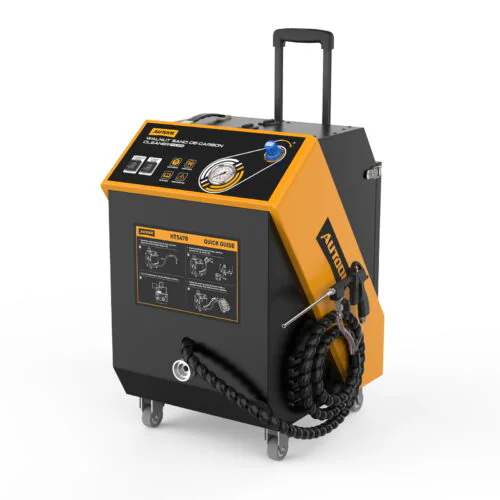
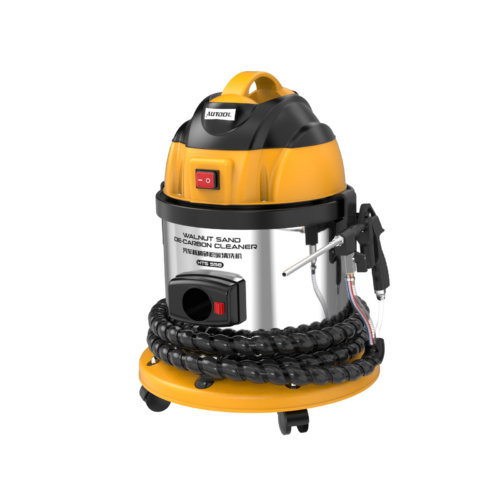
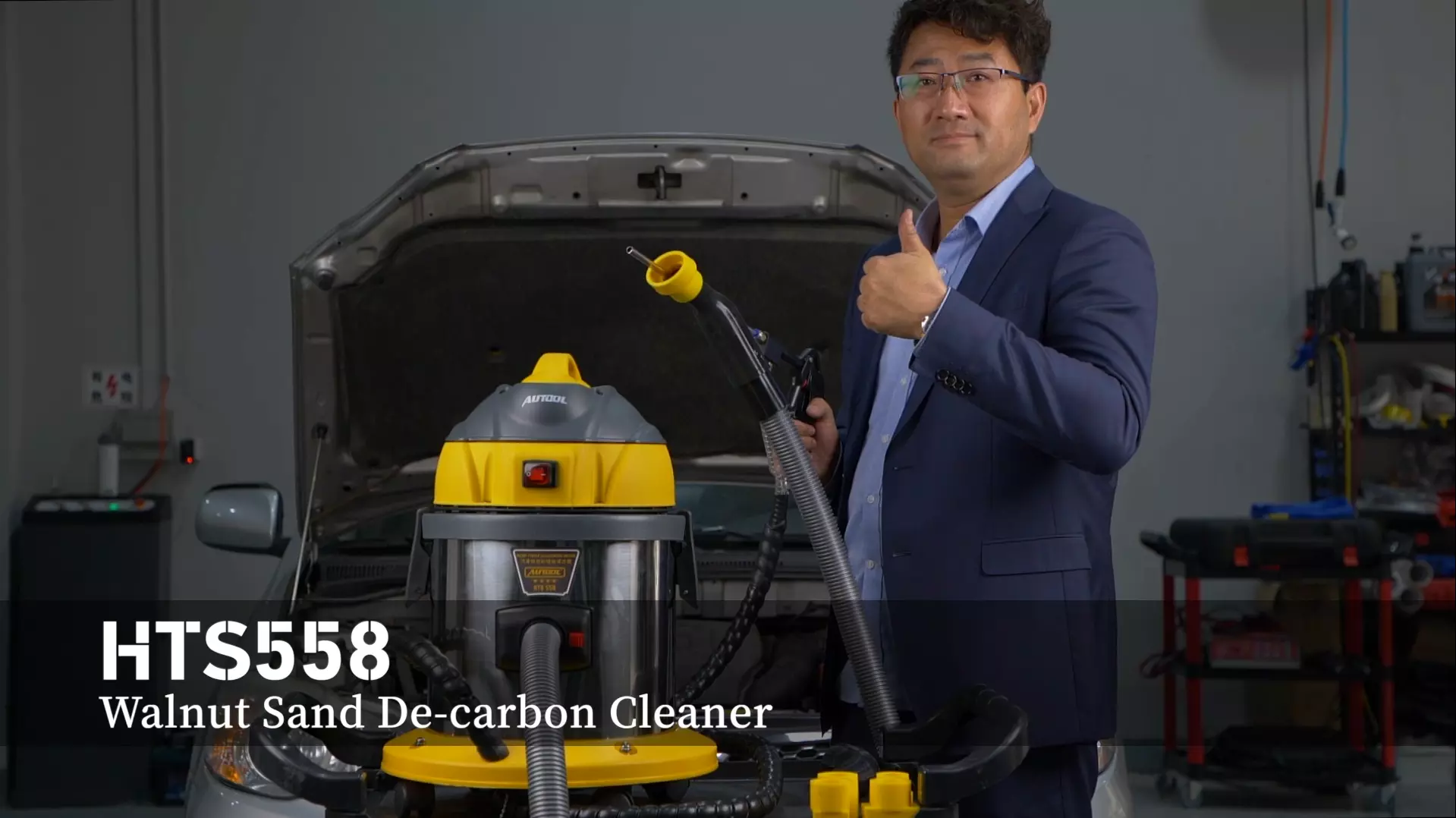
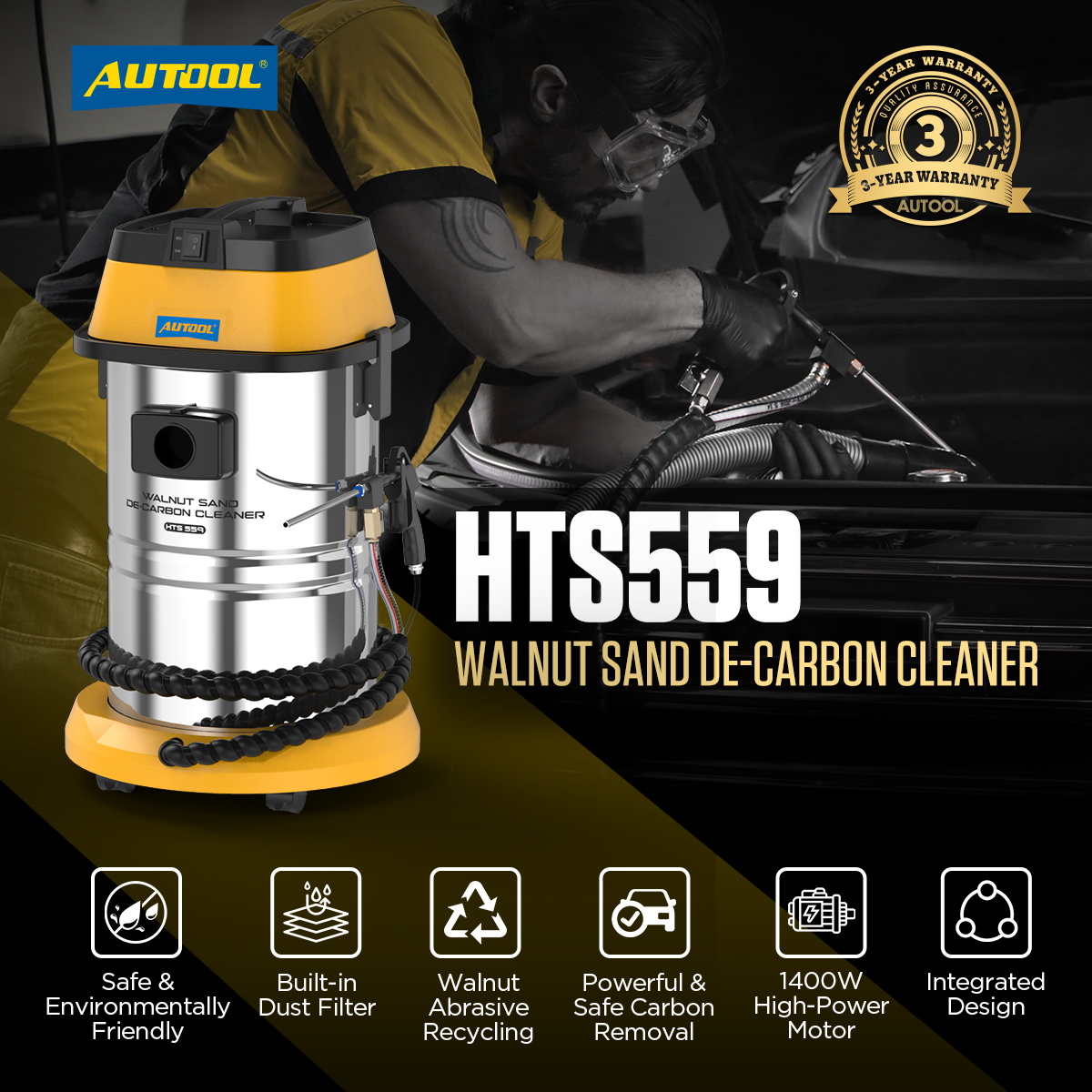
AUTOOL HTS559 wyrzutnia orzechów włoskich
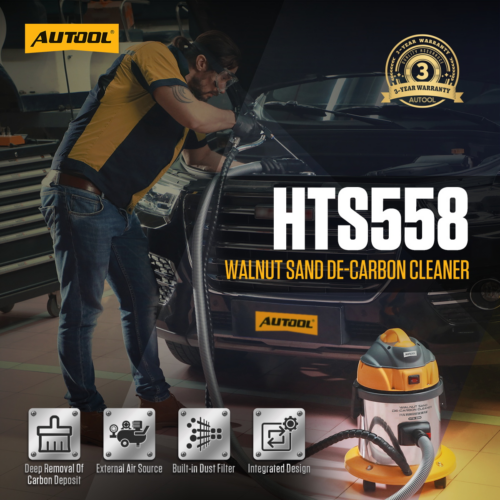
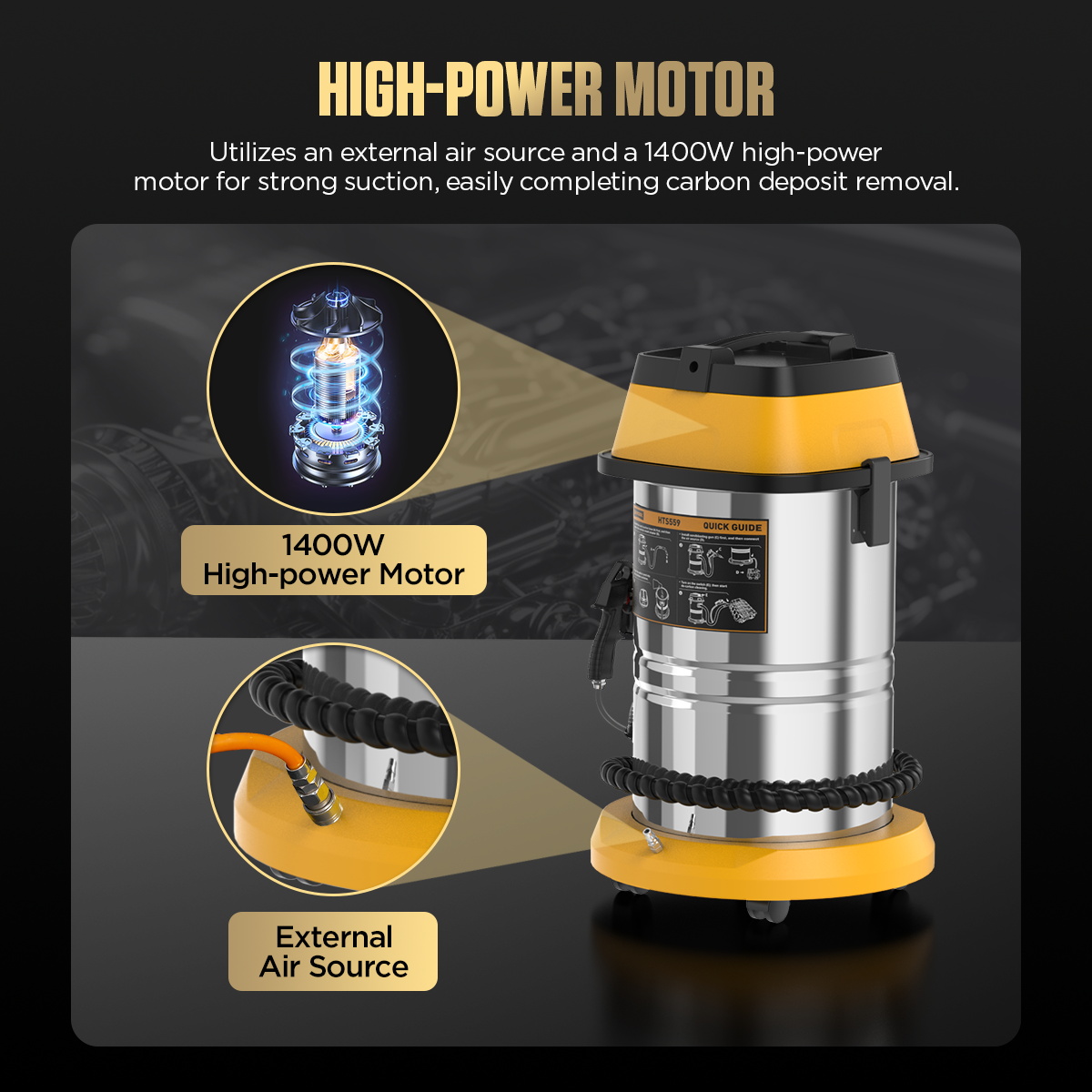
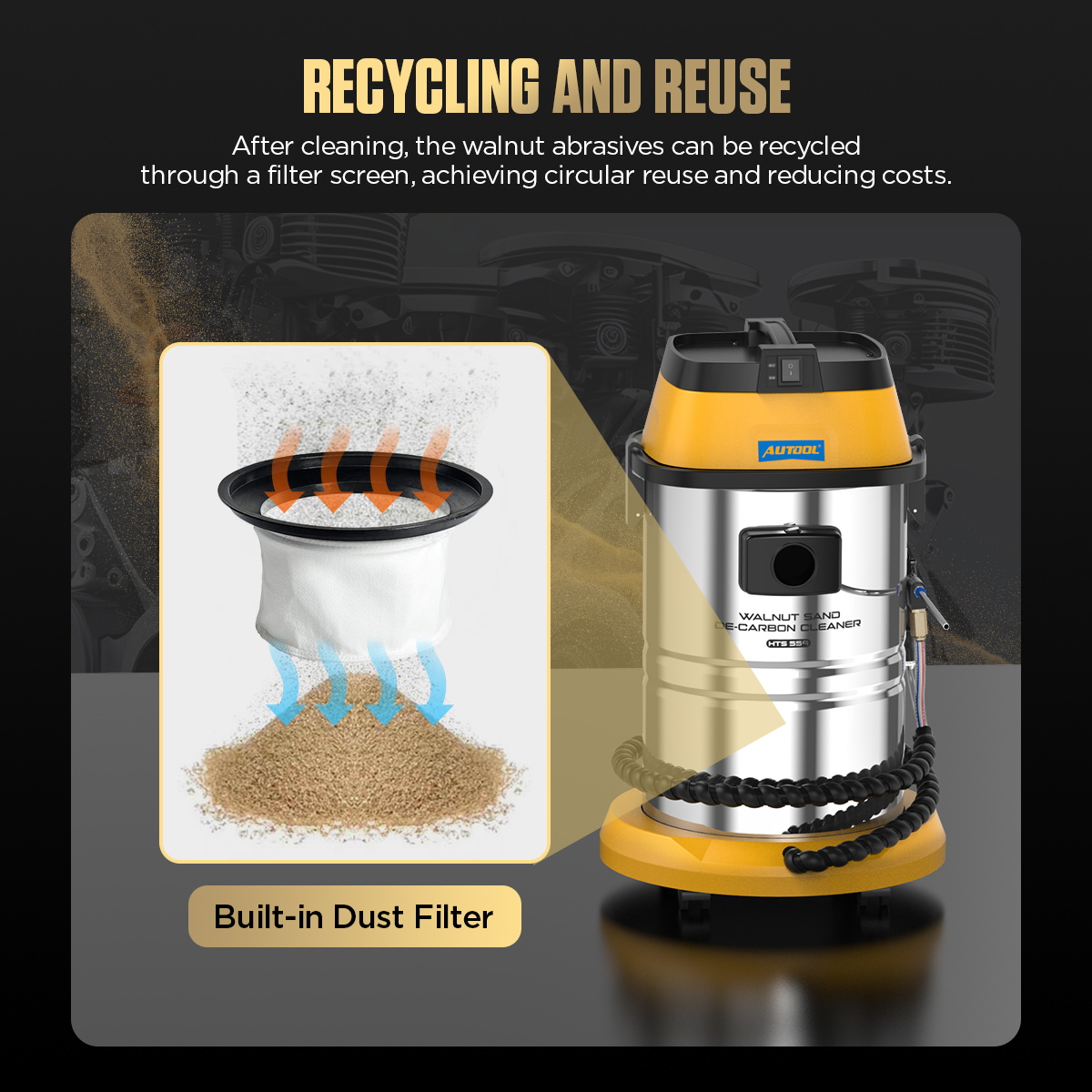
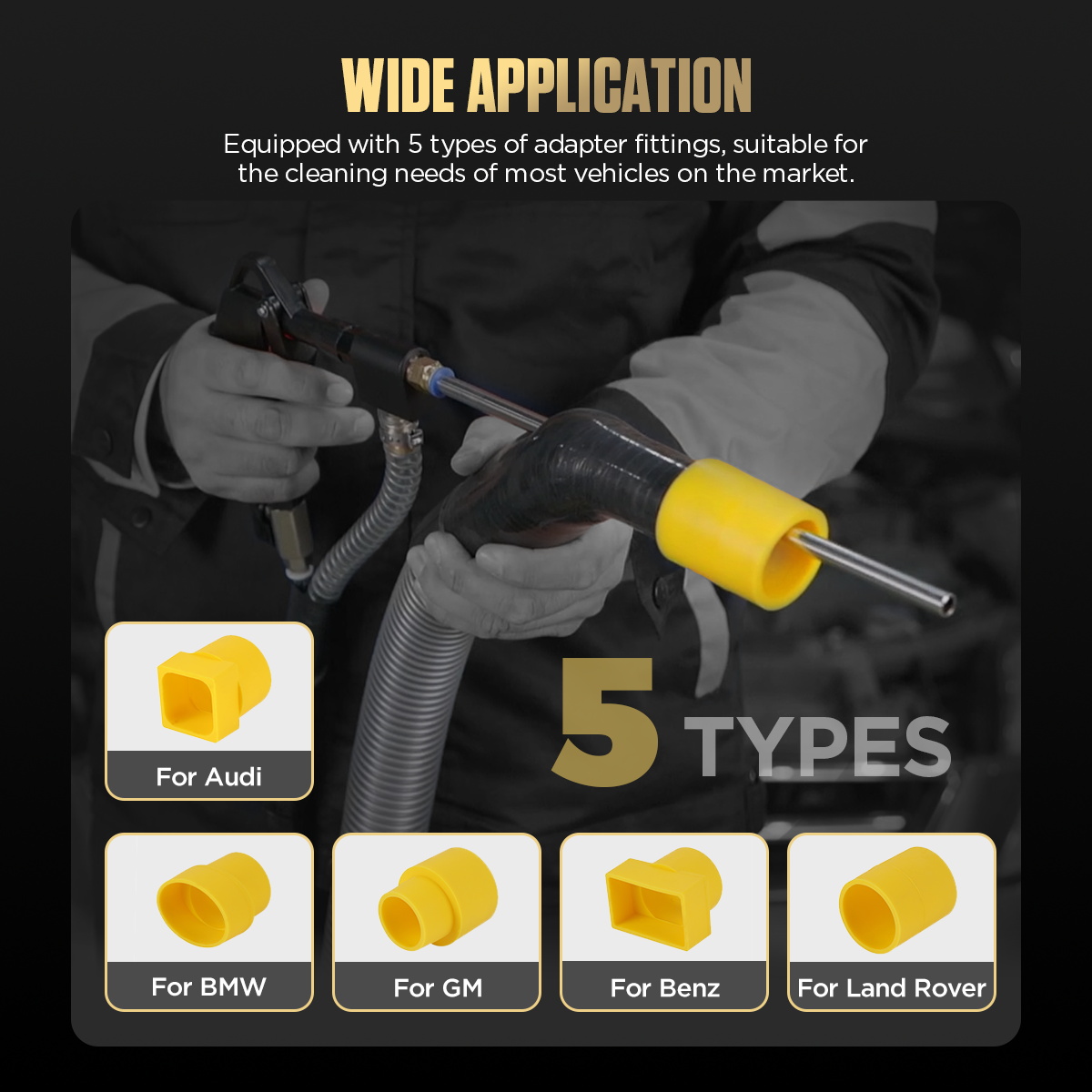
Ten AUTOOL HTS559 Urządzenie Walnut Blaster łączy w sobie silne ssanie, zewnętrzne źródło powietrza, natryskiwanie piasku orzechowego i odzysk w jednym procesie roboczym. Jego funkcje zostały zaprojektowane z myślą o praktycznym czyszczeniu nagaru z silników w warsztatach naprawczych.
Podstawowy proces użytkowania
Przed czyszczeniem należy przygotować wąż ssący, dyszę do piaskowania, złączkę adaptera, piasek orzechowy oraz okulary ochronne. Oryginalny proces obsługi można podzielić na następujące kroki.
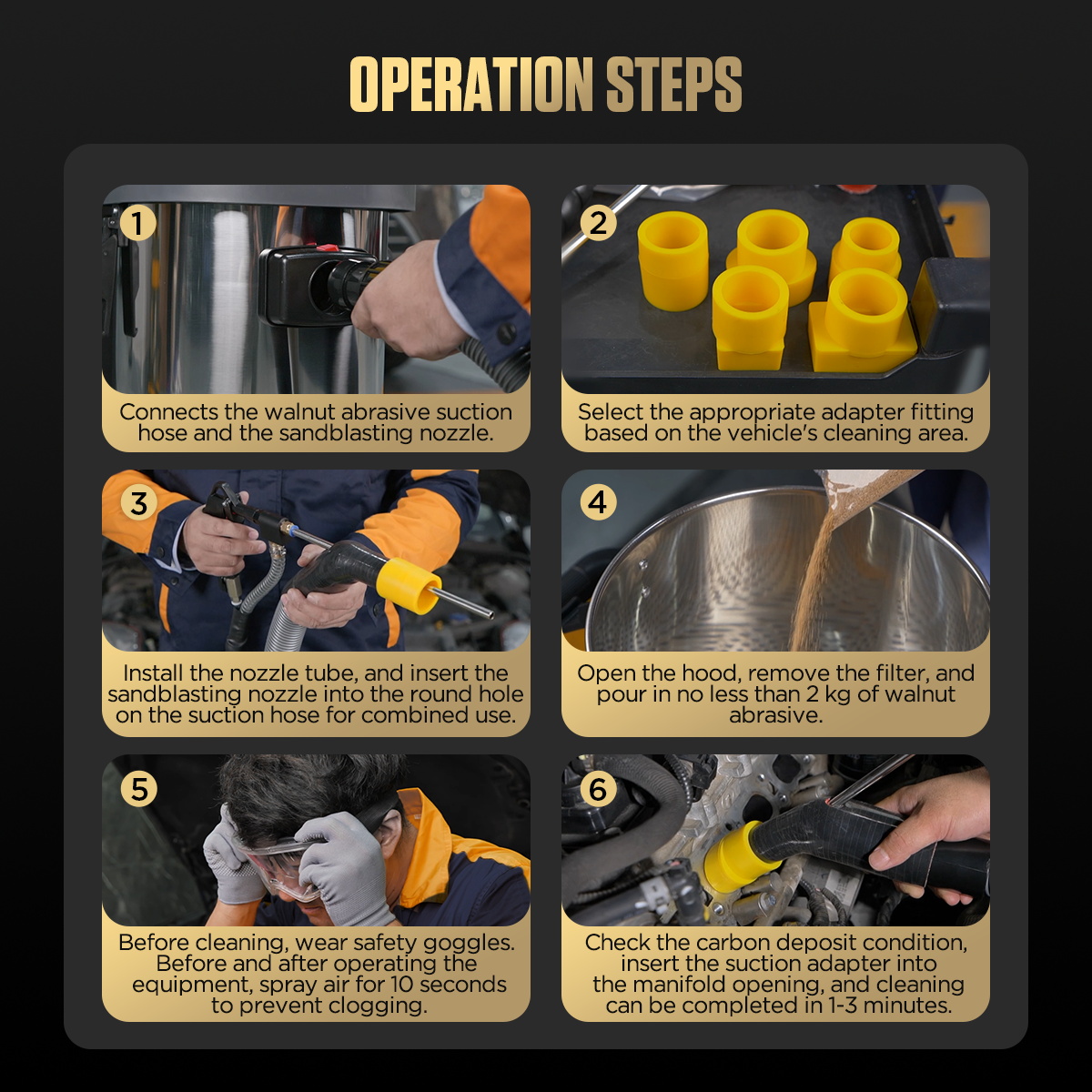
Redukcja nagromadzenia
Po przejechaniu 20 000–25 000 mil w samochodzie mogą zacząć gromadzić się osady węglowe, co może skutkować problemami ze zużyciem paliwa i osiągami.
Regularna wymiana oleju i świec zapłonowych zapewni płynną pracę silnika. Dodatkowo, stosowanie paliwa zalecanego przez producenta i regularna konserwacja pojazdu mogą dodatkowo zmniejszyć ryzyko osadzania się nagaru.
Jeśli szukasz wydajnego, ekologicznego i ekonomicznego rozwiązania do usuwania nagromadzonego osadu węglowego z silnika swojego samochodu, ten AUTOOL HTS559 Walnut Blaster to praktyczny wybór. To narzędzie nadaje się zarówno do użytku osobistego, jak i warsztatowego. Podejmij działania już teraz i wykorzystaj AUTOOL HTS559 Walnut Blaster Home poprawi osiągi Twojego pojazdu i wydłuży żywotność silnika.
AUTOOL Oficjalny zespół
Aby uzyskać porady dotyczące maszyny do obróbki strumieniowej orzechów włoskich, wsparcia w zakresie urządzeń do czyszczenia węglem lub pomocy w wyborze produktu, skontaktuj się z AUTOOL oficjalny zespół.

Powiązane produkty
Wygenerowano za pomocą krótkiego kodu produktu WooCommerce, dzięki czemu karty dziedziczą globalną strukturę karty produktu i style Blocksy/WooCommerce.