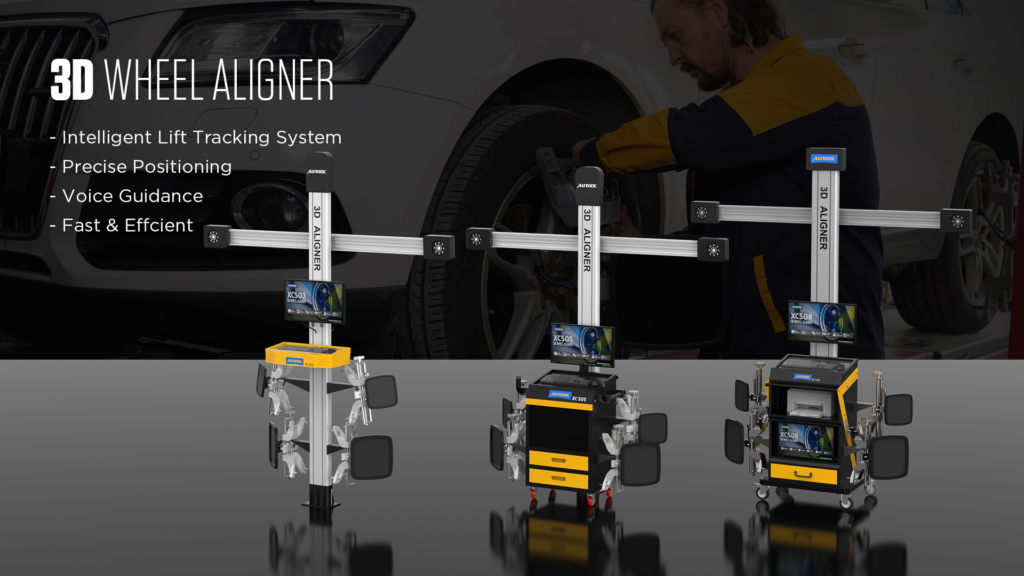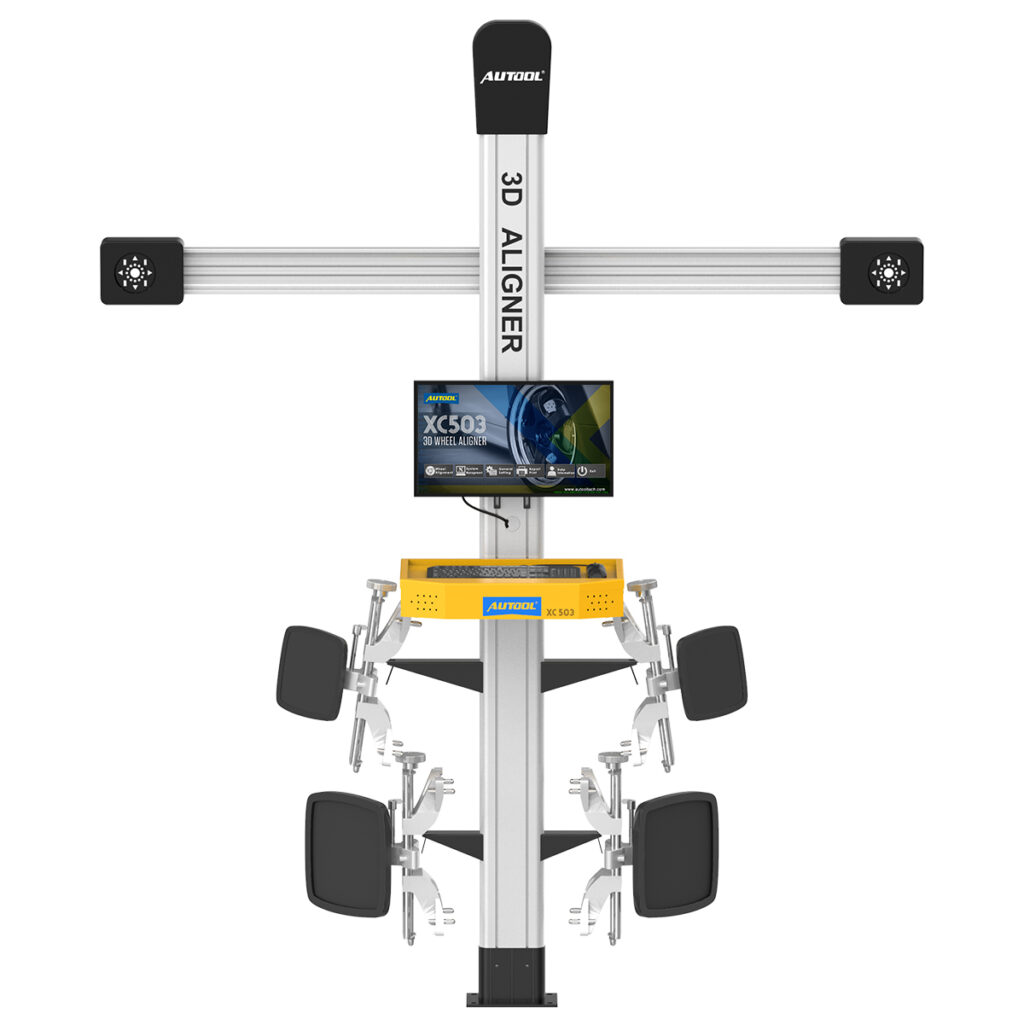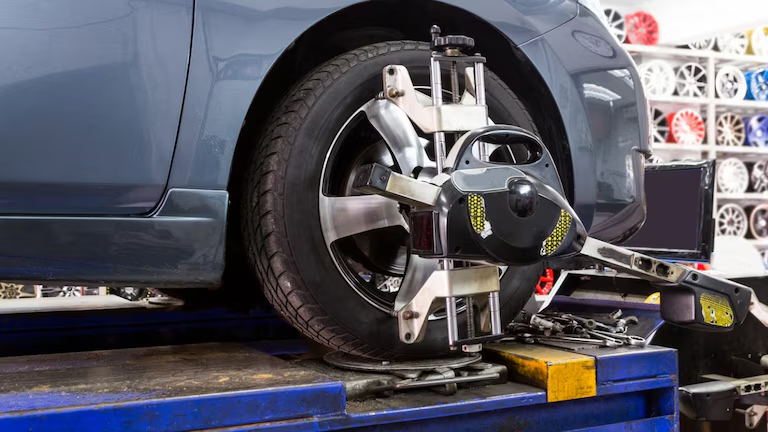
Czym jest geometria kół?
1. Geometria kół reguluje geometrię kół i układu kierowniczego pojazdu
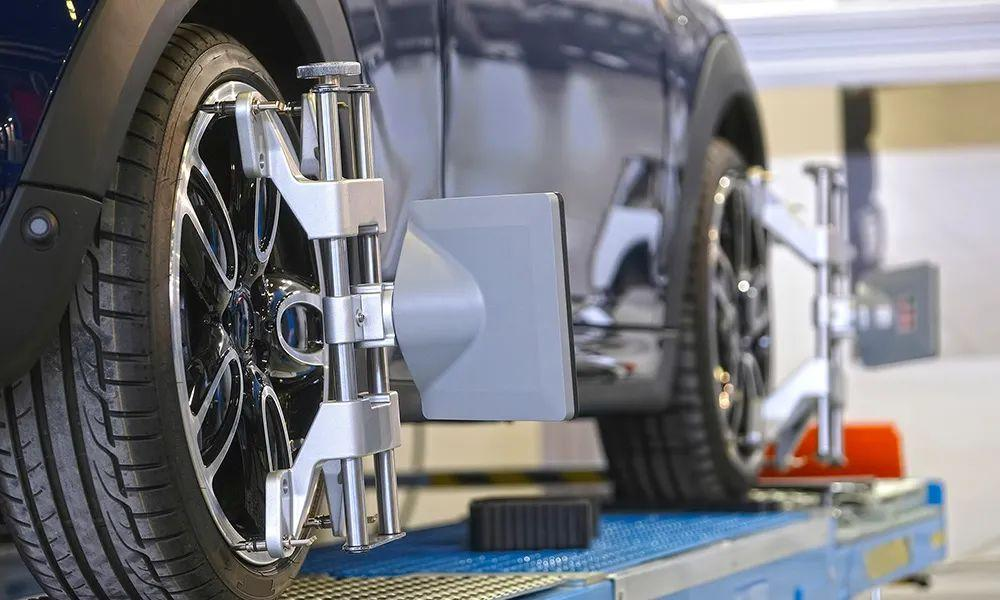
Geometria czterech kół, also called tire alignment or tire calibration, adjusts the relative positions between the vehicle’s wheels, steering knuckles, and front axle. The goal is to help the tires maintain normal wear and support good driving performance.In simple terms, alignment is like adjusting the posture of the car’s feet so it can move more steadily. When the alignment is correct, the tires contact the road more evenly, the steering response feels more stable, and the vehicle is less likely to pull to one side.Ile kosztuje regulacja geometrii kół?
2. Koszt ustawienia geometrii kół zależy od rodzaju usługi, pojazdu i dodatkowych napraw
The cost of tire alignment varies depending on the type of service and several local factors. A two-wheel alignment typically costs between $50 and $75, while a four-wheel alignment can cost between $100 and $175.The exact price depends on the number of wheels being aligned, the type of car, local labor cost, and whether the vehicle needs additional services. Luxury models or vehicles requiring specialized equipment may cost more. Some repair shops also offer alignment packages, such as a lifetime alignment service where the customer pays a one-time fee and receives free alignments every 6 months or every 6,000 miles.The final bill may also increase if the shop needs to add tire balancing, suspension inspection, or suspension repairs. Before approving the work, ask for a detailed quote so you know whether the price is for alignment only or for a broader repair package.Jak często należy wykonywać regulację zbieżności kół?
3. Geometria kół zazwyczaj nie wymaga ciągłej regulacji, ale należy ją regularnie sprawdzać
Wheel alignment does not need frequent adjustment when the vehicle is driving normally and the tires are wearing evenly. As a general reference, you can check tire alignment every 10,000 to 12,000 kilometers, about 6,000 to 7,500 miles, or every 6 months. The best interval still depends on driving habits, road conditions, vehicle condition, and tire wear.If you often drive on bumpy roads, hit potholes, carry heavy loads, or notice changes in steering feel, check the alignment sooner. If the vehicle has deviation, misaligned steering, abnormal tire wear, or insensitive steering response, inspect and adjust the wheel alignment immediately instead of waiting for the next maintenance cycle.Jak stwierdzić, czy koła wymagają ustawienia zbieżności?
4. Cztery typowe sytuacje mogą wskazać, kiedy należy sprawdzić zbieżność
Jeśli Twój pojazd jeździł normalnie i nie był poddawany żadnym zabiegom, które mogłyby wpłynąć na zbieżność kół, może nie wymagać natychmiastowej regulacji zbieżności. Jednak poniższe sytuacje stanowią istotne sygnały, że zbieżność należy sprawdzić.Po wymianie opon lub kół
Nowe opony lub koła mogą zmienić pierwotne parametry pojazdu. Bez zbieżności kół opony mogą zużywać się nierównomiernie, skracać się ich żywotność i zwiększać ryzyko związane z bezpieczeństwem jazdy.
Po zderzeniu pojazdów
Nawet jeśli nadwozie zostało naprawione, podwozie i powiązane części mogły zostać uszkodzone. Pojazd może zjechać na jedną stronę bez odpowiedniego sterowania, co jest niebezpieczne i z czasem może pogorszyć uszkodzenia opon.
Kierownica nie jest prosta
Jeśli kierownica jest krzywa, pojazd wydaje się niestabilny lub samochód podczas jazdy przechyla się na jedną stronę, może to oznaczać, że koła są niewspółosiowe i konieczna może być regulacja zbieżności opon.
Wibracje pojazdu
Nieprawidłowa geometria kół może spowodować nierównomierny kontakt opon z podłożem i nierównomierny rozkład sił, co prowadzi do nieprawidłowych wibracji. Może to powodować dyskomfort, a także uszkodzenie zawieszenia i powiązanych z nim podzespołów.