Wheel Alignment Timing
How do you know if your car needs a wheel alignment? If the car no longer drives as smoothly as before, if the steering wheel feels off-center, or if the tires are wearing unevenly, it may be time to check the automotive wheel alignment. This guide explains what wheel alignment means, how much tire alignment can cost, how often it should be checked, and which warning signs suggest that a vehicle needs alignment adjustment. Understanding these basics helps protect tire life, improve safety, and maintain a more comfortable driving experience.
Definition

What is wheel alignment?

1. Wheel Alignment Adjusts the Vehicle’s Wheel and Steering Geometry

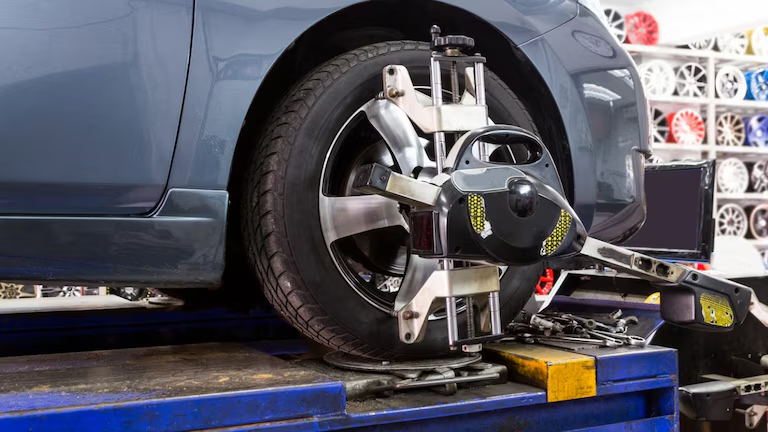
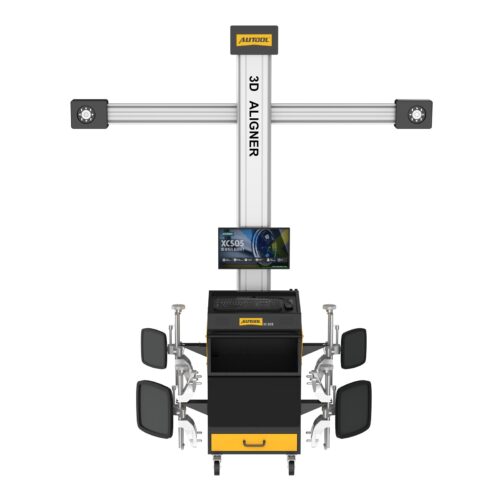
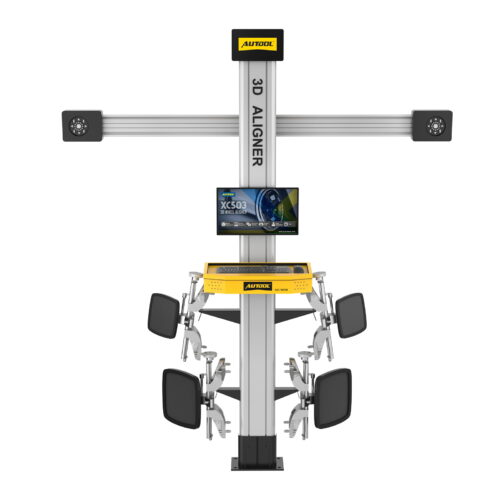
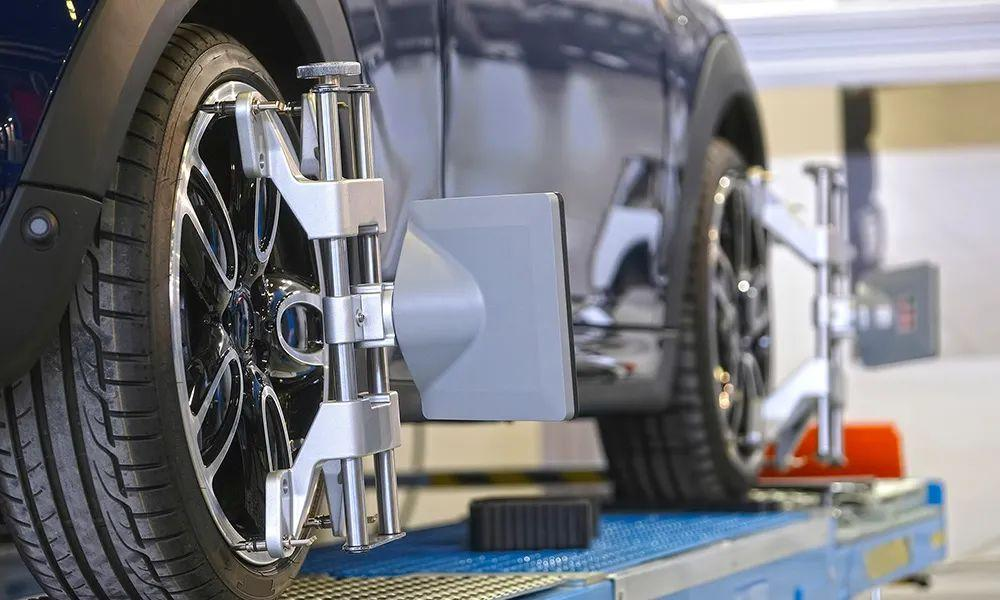
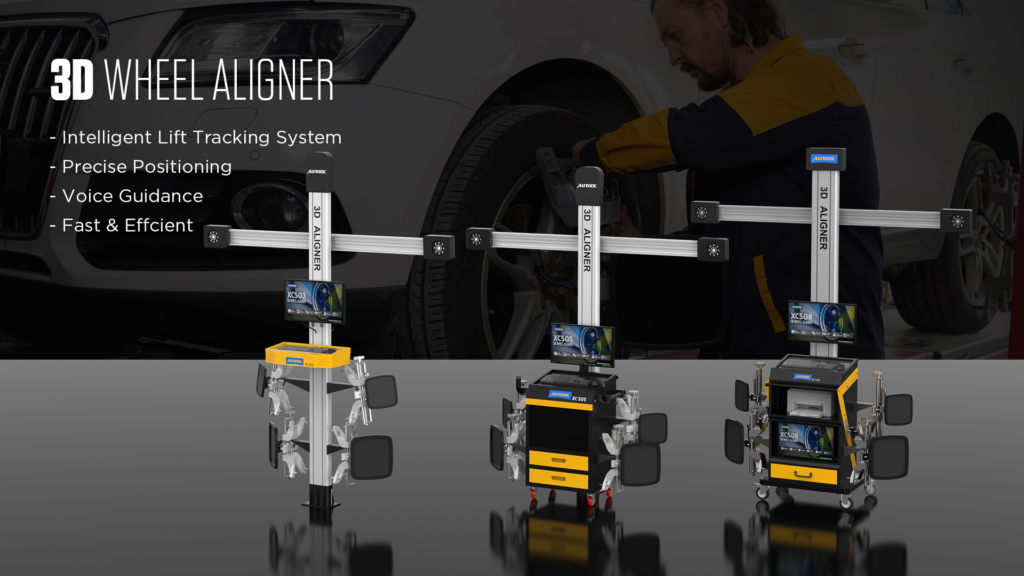
Four-wheel alignment, also called tire alignment or tire calibration, adjusts the relative positions between the vehicle’s wheels, steering knuckles, and front axle. The goal is to help the tires maintain normal wear and support good driving performance. In simple terms, alignment is like adjusting the posture of the car’s feet so it can move more steadily. When the alignment is correct, the tires contact the road more evenly, the steering response feels more stable, and the vehicle is less likely to pull to one side.
Service Cost

How much does tire alignment cost?

2. Tire Alignment Cost Depends on the Service Type, Vehicle, and Added Repairs

The cost of tire alignment varies depending on the type of service and several local factors. A two-wheel alignment typically costs between $50 and $75, while a four-wheel alignment can cost between $100 and $175. The exact price depends on the number of wheels being aligned, the type of car, local labor cost, and whether the vehicle needs additional services. Luxury models or vehicles requiring specialized equipment may cost more. Some repair shops also offer alignment packages, such as a lifetime alignment service where the customer pays a one-time fee and receives free alignments every 6 months or every 6,000 miles. The final bill may also increase if the shop needs to add tire balancing, suspension inspection, or suspension repairs. Before approving the work, ask for a detailed quote so you know whether the price is for alignment only or for a broader repair package.
Check Interval

How often should I get wheel alignment?

3. Wheel Alignment Usually Does Not Need Constant Adjustment, but It Should Be Checked Regularly

Wheel alignment does not need frequent adjustment when the vehicle is driving normally and the tires are wearing evenly. As a general reference, you can check tire alignment every 10,000 to 12,000 kilometers, about 6,000 to 7,500 miles, or every 6 months. The best interval still depends on driving habits, road conditions, vehicle condition, and tire wear. If you often drive on bumpy roads, hit potholes, carry heavy loads, or notice changes in steering feel, check the alignment sooner. If the vehicle has deviation, misaligned steering, abnormal tire wear, or insensitive steering response, inspect and adjust the wheel alignment immediately instead of waiting for the next maintenance cycle.
Warning Signs

How do you know if wheels need alignment?

4. Four Common Situations Can Tell You When Alignment Should Be Checked

If your vehicle has been running normally and has not had any operation that may affect wheel alignment, it may not need immediate four-wheel alignment. However, the following situations are important signs that the alignment should be inspected.

After replacing tires or wheels

New tires or wheels may change the original parameters of the vehicle. Without four-wheel alignment, the tires may wear unevenly, shorten service life, and increase driving safety risks.

After a vehicle collision

Even if the exterior has been repaired, the chassis and related parts may have been affected. The vehicle may run to one side without steering input, which is dangerous and can worsen tire damage over time.

Steering wheel is not straight

If the steering wheel is crooked, the vehicle feels unstable, or the car leans to one side while driving, the wheels may be misaligned and need tire alignment.

Vehicle vibration

Incorrect wheel alignment can make tire contact and force distribution uneven, causing abnormal vibration. This can feel uncomfortable and may also damage suspension and related components.

Summary

5. Regular Alignment Checks Help Maintain Safety, Comfort, and Tire Life

Four-wheel alignment plays an important role in driving safety, ride comfort, and tire life. Do not wait until the problem becomes serious before checking it. A timely alignment inspection can help identify uneven tire wear, steering deviation, vibration, and post-collision geometry changes before they cause larger repair costs. For everyday driving, use mileage and time as a reminder, but pay closer attention to symptoms. If the vehicle pulls, vibrates, wears tires abnormally, or feels unstable, inspect the alignment as soon as possible.

Related Products

Rendered through WooCommerce product shortcode so the cards inherit the global product-card structure and Blocksy/WooCommerce styles.

Lasă un răspuns

Adresa ta de email nu va fi publicată. Câmpurile obligatorii sunt marcate cu *