






Automotive Refrigerants: How Much Do You Know?#
With summer just around the corner, have you ever wondered where that cold air comes from when you turn on your car's air conditioner? The answer is that some of that cold air comes from the refrigerant in your car's air conditioning system.
If you are a car owner, this article helps you learn about the three commonly used automotive refrigerants and which one your car needs. If you are a professional technician in a repair shop, it also explains why refrigerant recovery and refill equipment matters.
Safety and environmental reminder
Warm Tips Before Handling Automotive Refrigerant#
- Automotive refrigerant is a volatile chemical requiring professional refrigerant recovery.
- Automotive refrigerant refilling equipment is used to maintain the car's air conditioning system so that old refrigerant can be quickly recycled and new refrigerant can be refilled.
- Environmental protection laws in many countries make it illegal to vent refrigerants.
- This chemical has been found to destroy the ozone layer and contribute to global warming.
Refrigerant generations
Four Common Automotive Refrigerants#
Automotive refrigerants can be organized by generation, starting with older refrigerants that damage the ozone layer and moving toward newer refrigerants used in modern vehicles.
Generation I: R12 - Currently Banned
R12 automotive refrigerant is a chlorofluorocarbon that contains chlorine, which makes it very damaging to the atmospheric ozone layer. R12 was widely used for many years because it was effective and inexpensive. In 1994, the U.S. banned R12 in all new cars, and R12 is now banned worldwide.
Generation II: R22 - Currently Being Phased Out
R22 automotive refrigerant is a second-generation refrigerant that also causes damage to the ozone layer in the atmosphere. It has a high greenhouse effect value, and this type of refrigerant is now rarely used as an automotive refrigerant.
Generation III: R134a - Likely Used in Many Car AC Systems
With the development of the times, demand for automobiles increased and environmental protection policies around the world improved. Almost every car produced since 1994 is equipped with R134a refrigerant, which allows air conditioning systems to blow cool air on hot summer days.
R134a does not damage the ozone layer of the atmosphere, but it has a high greenhouse effect value. By today's standards, R134a is not exactly friendly to the environment because it can end up in the atmosphere and take a long time to break down. As a result, all new cars sold in the U.S. after 2021 will no longer be able to use this refrigerant.
Fourth Generation: R1234yf - Hot Topic
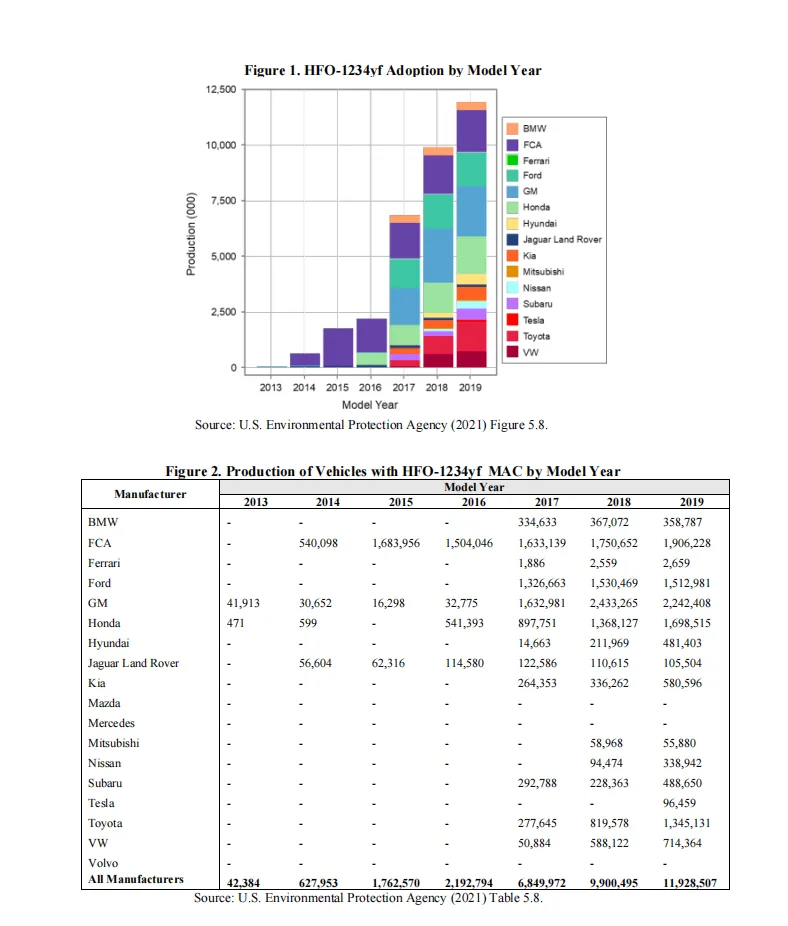
By the end of 2022, nearly 200 million vehicles using R1234yf had been sold. This includes between 171 and 180 million units in the U.S. and Europe alone, plus additional sales in other parts of the world.
More than 100 million vehicles in Europe and more than 80 million in the United States use R134yf refrigerant, and it is now easy to upgrade a car's air conditioning system from R134a to R1234yf compatibility. Special attention should be paid to the fact that refrigerants should not be mixed.
Compatibility and caution
R1234yf and R134a: Pay Attention to Compatibility#
R1234yf is a current topic, and refrigerants should never be mixed. This post may be updated with the latest information about the dangers of R1234yf.
Recovery and refill equipment
What Equipment Replaces Automotive Refrigerant?#
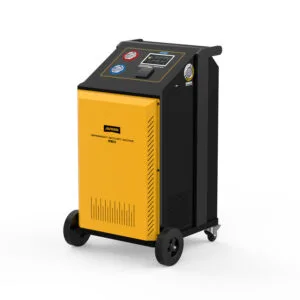
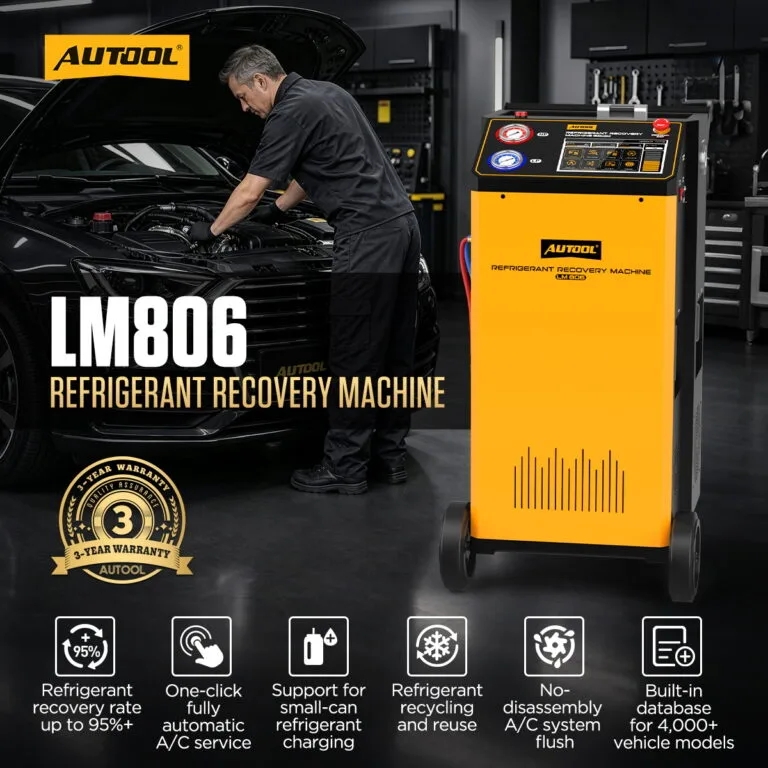
AUTOOL has upgraded two types of refrigerant recovery refillers, LM707 and LM708. If you want to get more information about them, you can contact AUTOOL. A future article will introduce AUTOOL refrigerant recovery refiller functions in detail.





Discussion
Comments 0
Need help with an order, warranty or a fault? Contact support
No comments yet. Ask a question or share how the tool worked for you.