News & Events, Tips & Tutorials
Self-driving travel tips

July 28, 2021
Share:
 autoolstore.com
The seasons are changing, flowers are flying, and it is a good time to plan a self-driving tour. A good road trip is not only about driving yourself; it also includes the self-help work of planning, checking, packing, and staying alert throughout the journey.
Before setting out, it is worth preparing the route, the vehicle, personal documents, emergency supplies, insurance, and basic safety rules. The more complete the preparation is, the easier it becomes to enjoy the flexibility of self-driving travel while avoiding unnecessary risk.
The choice of route
The choice of a self-drive tour route depends on three major elements: season, schedule length, and travel companion. Seasonal travel is a double-edged sword. Different seasons are suitable for different places, and choosing the right season is often the key to a better experience.
For example, winter is suitable for soaking in hot springs or playing by the sea in tropical areas, while spring is suitable for enjoying flowers and trekking. The paradox is that seasonal hotspots are often the most crowded, so the quality and excitement of the tour may be reduced. Fortunately, self-drive tours can help travelers discover places that are difficult to reach through traditional tourism and avoid the biggest crowds, especially during Golden Week and small holidays.
The length of the trip is another key element in route selection. Weekend trips are generally suitable for destinations within a surrounding 300 km radius. Small long holidays are more suitable for places within a 500 km radius. Trips of 4 to 7 days can combine air travel with local self-driving to reach more distant cities. If you have more than 8 days, a full self-driving route to a farther destination becomes more realistic.
Different travel companions also require different route choices. A family trip should usually focus on leisure and comfort. Friends, colleagues, or people with common hobbies can choose fixed theme activities, such as a yoga trip. In short, route selection is very important; once the route is decided, the rest of the preparation work becomes much clearer.
Essential homework
In general, there are three ways to organize a self-drive tour. The first is to arrange everything by yourself. The second is to book the route and then go out by yourself. The third is to travel with a fleet. The homework required for each method is different.
Traveling with a fleet is usually the most effortless option because the leader is responsible for coordination and care. Booking a route in advance is also relatively easy: after the route is confirmed, you mainly need to download the strategy, understand the schedule, and arrange the time well. If you arrange everything by yourself, the preparation workload is higher, but the flexibility is also greater.
Before going on a self-drive tour, you should understand the destination, local attractions, customs, and habits. It is also useful to collect travelogues and tips from other travelers online. These notes can help improve the itinerary, avoid consumer traps, and support personal safety during the journey.
Another important task is to make a good roadbook. The route from departure to destination, the traffic between attractions, and the return trip should all be recorded in detail. Important fork-in-the-road signs, possible major road repairs, gas stations, service areas, and speed limit sections should also be marked in advance. With this information ready, it is easier to respond calmly when road conditions change.
Preparation for the trip
There are three main areas of preparation before the trip: personal data, the vehicle, and personal luggage. For a self-driving trip, an ID card and driver’s license are necessary. If you rent a car, you should also prepare a credit card with sufficient credit, as well as the necessary cash for fuel, road and bridge fees, and other journey expenses.
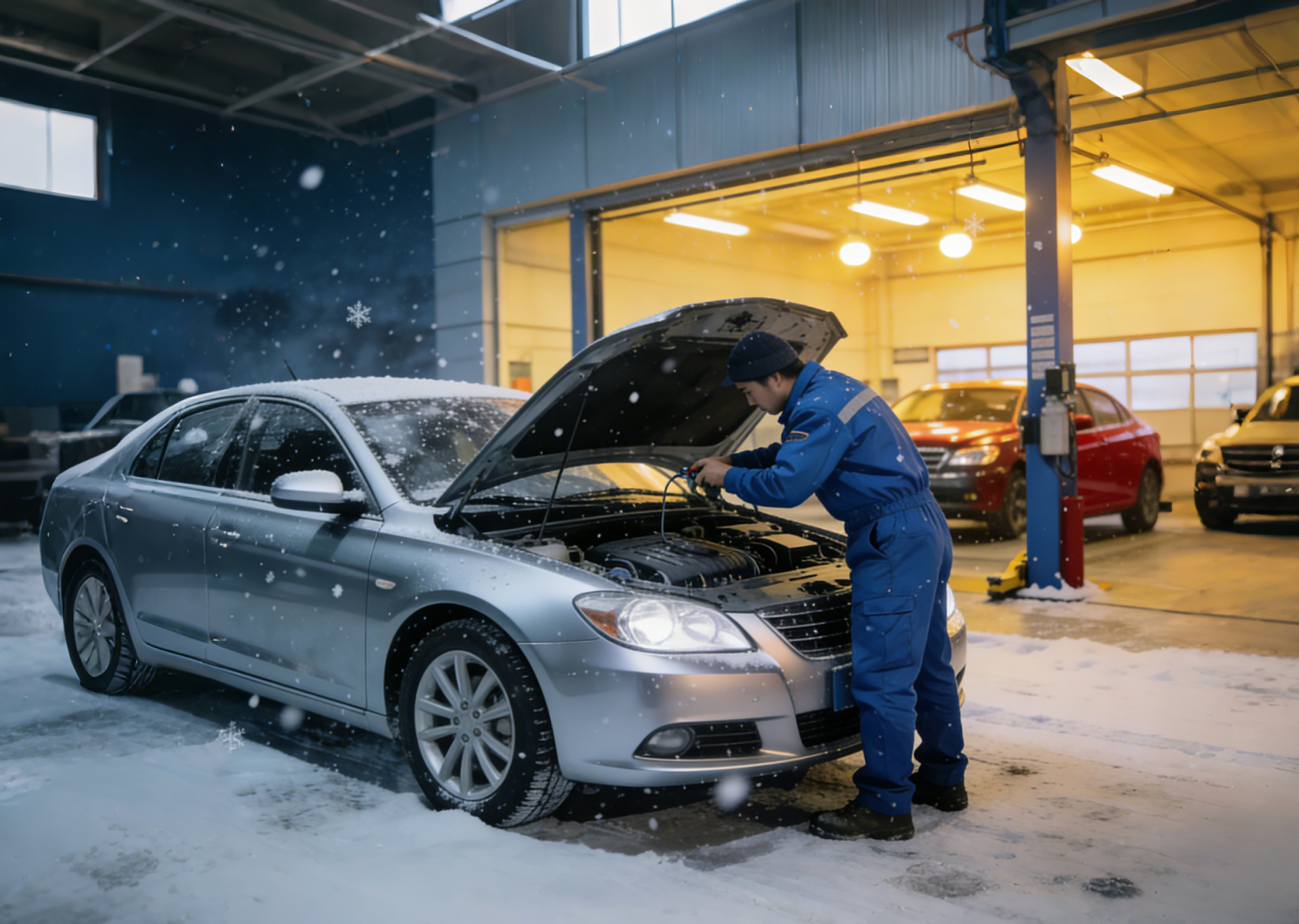
For the vehicle, if you drive your own car, check the safety performance in advance. Pay attention to cooling, oil, electricity, brakes, lights, the driving license, spare tire, fire extinguisher, and other items that should come with the car.
If you rent a car, inspect the vehicle carefully when collecting and returning it. Check the items included with the car and any vehicle damage according to the delivery sheet. Also confirm the driving license, annual inspection, insurance policy, and other required documents and items.
In addition to personal luggage, carry water, snacks, and other emergency items. It is especially useful to prepare medicine for motion sickness, colds, inflammation, and gastrointestinal problems, along with hygiene products and mosquito-bite prevention supplies.
Self-driving precautions
During a self-driving tour, safety precautions are the most important part of the trip. Buy travel accident insurance for yourself and your fellow passengers. Passenger insurance in car insurance is not always insured for every car, and the coverage is often relatively low.
When buying travel insurance, pay attention to whether the policy includes self-driving content. Many travel insurance policies do not automatically include it, so choose an insurance policy that clearly covers self-driving travel. This can generally be purchased from an insurance company or travel agency.
While driving, safety and law-abiding behavior are paramount. Drinking and driving, driving without a license, and fatigued driving are absolutely forbidden. In addition to avoiding dangerous driving such as overloading and speeding, drivers should take proper breaks during the journey to protect the safety of everyone in the vehicle.
Passengers should also give necessary care and assistance to the driver. Avoid actions that may distract the driver, such as making phone calls, texting, opening bottle caps, or looking for things while the vehicle is moving.
In addition to personal safety, pay attention to the safety of your belongings during the trip. Avoid unnecessary arguments with locals, and especially respect ethnic minorities, local customs, and local traditions.
Self-driving travel gives you more freedom than many traditional travel methods, but that freedom works best when the preparation is practical and complete. Choose the route according to season, available time, and travel companions. Research the destination, build a roadbook, and confirm important road information before departure.
Before the trip, check personal documents, payment methods, vehicle condition, rental records, luggage, medicine, water, snacks, and emergency supplies. During the journey, keep safety first, follow traffic laws, rest properly, protect belongings, and respect local customs. These details make the road trip smoother, safer, and more enjoyable.
Related Products
Rendered through WooCommerce product shortcode so the cards inherit the product-card structure used by the reference post style.