Repair Information
Spark Plug Tester-Everything You Need to Know

August 6, 2024
Share:
 autoolstore.com
Spark Plug Tester Guide
Have you ever wondered what spark plugs do? How do you find them? What tools are used to test them? When do spark plugs need to be replaced? Are these your questions? Read on to find out.
Spark plugs are small parts, but they directly affect ignition, combustion, engine operation, fuel economy, starting performance, and drivability. A spark plug tester helps you observe whether a spark plug is working normally before replacement or deeper diagnosis.
The original article answers the basic questions first: what a spark plug does, where it is located, what types exist, when spark plugs or spark plug wires need replacement, and why a tester is useful.
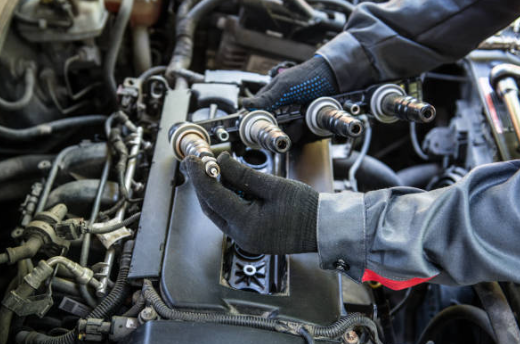
Spark plugs are the heart of a car engine. The main function of the spark plug is to ignite the fire and ensure that the combustion process runs smoothly. Its electrodes produce a high-voltage arc that creates a spark that ignites the gas mixture in the engine cylinder.
As a result, the gas mixture in the cylinder explodes and burns. This pushes the piston into motion, which then turns the engine and allows the car to run normally.
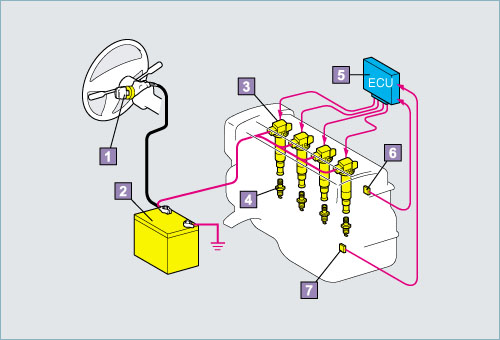
Refer to 4 in the picture, which is where your car’s spark plugs are located.
The exact position can vary by engine layout, but spark plugs are installed where they can ignite the air-fuel mixture inside the cylinder.
Spark plugs play an important role behind the scenes as the heart of your car’s engine. However, heat build-up in the combustion chamber or a malfunctioning cooling system can cause the spark plug tip to overheat. Repeated overheating often leads to premature spark plug failure.
Damaged spark plugs show visible signs such as cracked insulators, worn electrodes, and carbon build-up. These issues, along with other indicators, signal when a spark plug needs replacement.
Ordinary spark plugs may need replacement after 20,000-30,000 kilometers. Precious metal spark plugs last longer, typically needing replacement after 60,000 kilometers. In contrast, iridium spark plugs can last around 80,000 kilometers before replacement.
It is also important to check the color of the spark plugs and the contact gap every 3 years or after driving 60,000 kilometers. If the gap becomes too large, or if the surface shows obvious ablation or carbon deposits, consider replacing the spark plug.
Dirty or fouled spark plugs reduce fuel economy because they do not burn gasoline efficiently in the combustion cycle.
If your car takes a long time to accelerate and lacks overtaking power, worn spark plugs may be the cause.
Engine pinging, rattling, or knock-like noises, as well as strong vibrations, could indicate an issue with the spark plugs or spark plug wires.
If the spark plugs do not produce enough spark to start the combustion process, the engine will not start. Other causes of hard starting include ignition system issues, a battery that needs replacement, or worn spark plug wires.
Do not ignore the engine outline symbol or the check engine light. The warning lights will turn on if the spark plugs are faulty or if the spark plug wires need replacement.
These five questions have given us an introductory level of understanding of spark plugs. Next, let’s address the final question: how to choose a spark plug tester.
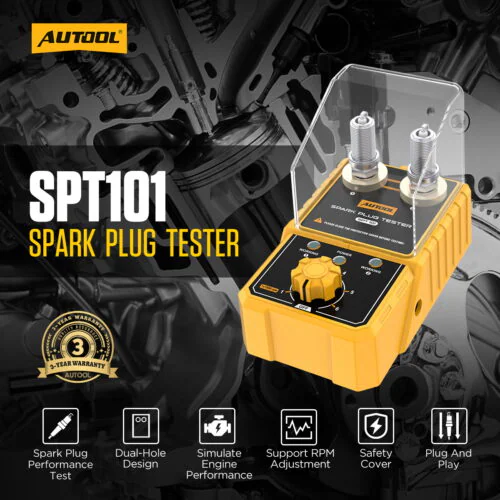
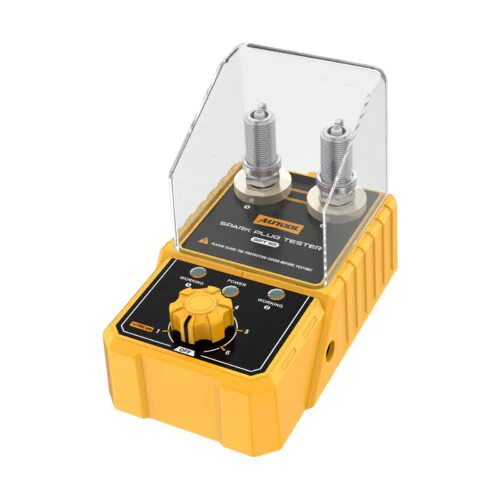
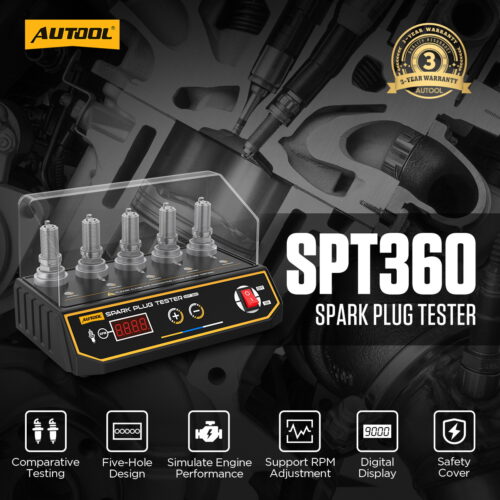
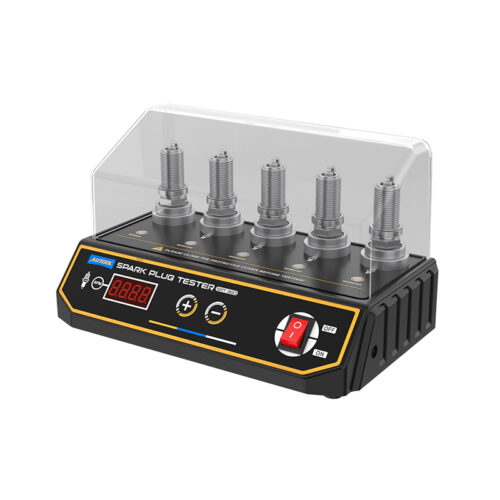
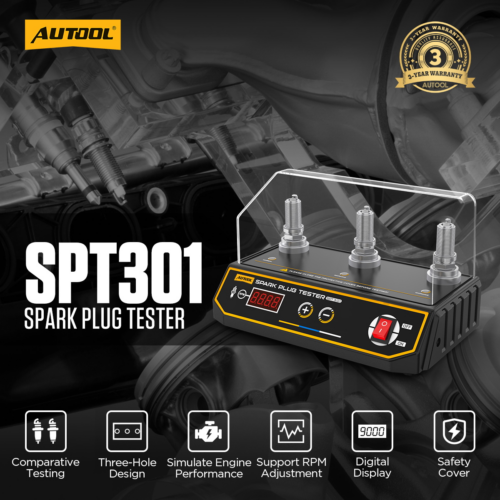
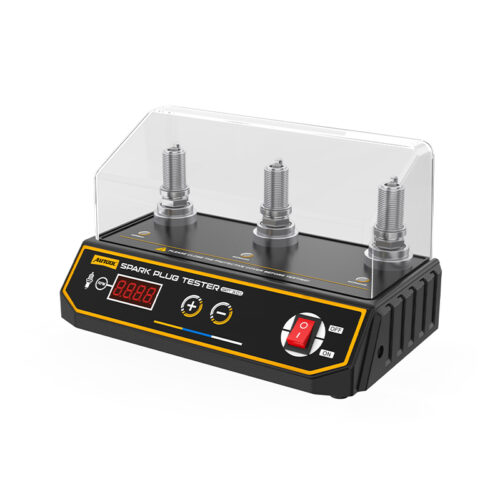
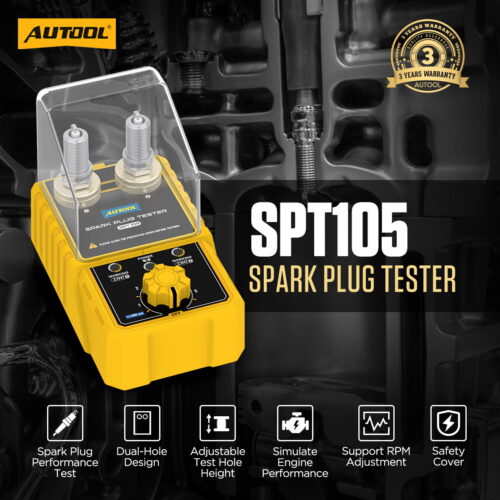
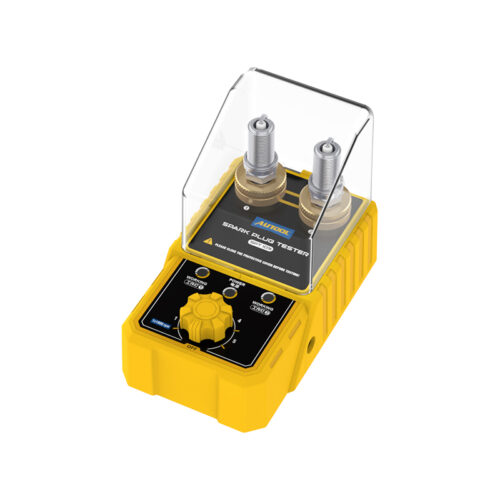
A spark plug tester is an essential diagnostic tool for any engine with a spark plug. It realistically simulates engine conditions and adjusts engine speed to test spark plugs for comparison. This allows you to directly observe the working condition of the spark plug.
The original article closes by noting that the next post will guide readers on how to choose the right spark plug tester.
The original related list included several unavailable references and one external admin edit link. The titles are preserved below, but the backend edit URL is intentionally not kept in the frontend body.
Related Products
Rendered through WooCommerce product shortcode so the cards inherit the global product-card structure and Blocksy/WooCommerce styles.