Informacije o popravku
Tester svjećica - sve što trebate znati

6 kolovoza, 2024
Udio:
 autoolstore.com
Vodič za ispitivanje svjećica
Jeste li se ikada pitali čemu služe svjećice? Kako ih pronaći? Koji se alati koriste za njihovo testiranje? Kada je potrebno zamijeniti svjećice? Jesu li to vaša pitanja? Čitajte dalje kako biste saznali.
Svjećice su mali dijelovi, ali izravno utječu na paljenje, izgaranje, rad motora, potrošnju goriva, performanse pokretanja i voznost. Uređaj za ispitivanje svjećica pomaže vam da utvrdite radi li svjećica normalno prije zamjene ili dublje dijagnoze.
Izvorni članak prvo odgovara na osnovna pitanja: što svjećica radi, gdje se nalazi, koje vrste postoje, kada je potrebno zamijeniti svjećice ili žice svjećica i zašto je tester koristan.
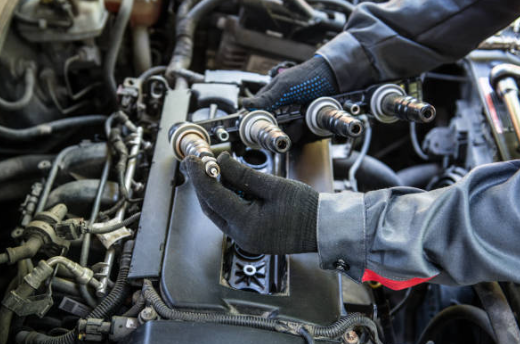
Svjećice su srce automobilskog motora. Glavna funkcija svjećice je paljenje vatre i osiguravanje nesmetanog procesa izgaranja. Njene elektrode proizvode visokonaponski luk koji stvara iskru koja pali smjesu plinova u cilindru motora.
Kao rezultat toga, smjesa plina u cilindru eksplodira i izgara. To pokreće klip, koji zatim okreće motor i omogućuje automobilu normalan rad.
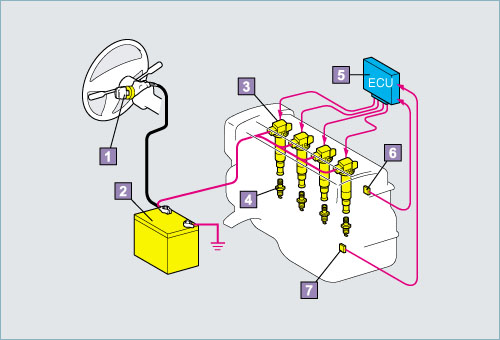
Pogledajte broj 4 na slici, gdje se nalaze svjećice vašeg automobila.
Točan položaj može varirati ovisno o rasporedu motora, ali svjećice su ugrađene tamo gdje mogu zapaliti smjesu zraka i goriva unutar cilindra.
Svjećice igraju važnu ulogu iza kulisa kao srce motora vašeg automobila. Međutim, nakupljanje topline u komori za izgaranje ili neispravan sustav hlađenja mogu uzrokovati pregrijavanje vrha svjećice. Ponavljano pregrijavanje često dovodi do preranog kvara svjećice.
Oštećene svjećice pokazuju vidljive znakove poput napuknutih izolatora, istrošenih elektroda i nakupina ugljika. Ovi problemi, zajedno s drugim pokazateljima, signaliziraju kada je potrebno zamijeniti svjećicu.
Obične svjećice mogu zahtijevati zamjenu nakon 20.000-30.000 kilometara. Svjećice od plemenitih metala traju dulje, obično ih je potrebno zamijeniti nakon 60.000 kilometara. Nasuprot tome, iridijeve svjećice mogu trajati oko 80.000 kilometara prije zamjene.
Također je važno provjeriti boju svjećica i kontaktni razmak svake 3 godine ili nakon prijeđenih 60 000 kilometara. Ako razmak postane prevelik ili ako površina pokazuje očitu ablaciju ili naslage ugljika, razmislite o zamjeni svjećice.
Prljave ili onečišćene svjećice smanjuju potrošnju goriva jer ne sagorijevaju benzin učinkovito u ciklusu izgaranja.
Ako vašem automobilu treba dugo da ubrza i nedostaje mu snage za pretjecanje, uzrok mogu biti istrošene svjećice.
Zveckanje, zveckanje ili zvukovi slični kucanju motora, kao i jake vibracije, mogu ukazivati na problem sa svjećicama ili žicama svjećica.
Ako svjećice ne proizvode dovoljno iskre za pokretanje procesa izgaranja, motor se neće pokrenuti. Ostali uzroci teškog pokretanja uključuju probleme sa sustavom paljenja, akumulator koji treba zamijeniti ili istrošene žice svjećica.
Ne ignorirajte simbol obrisa motora ili lampicu "Provjeri motor". Lampice upozorenja će se upaliti ako su svjećice neispravne ili ako je potrebno zamijeniti žice svjećica.
Ovih pet pitanja dalo nam je uvodnu razinu razumijevanja svjećica. Zatim, pozabavimo se posljednjim pitanjem: kako odabrati tester svjećica.
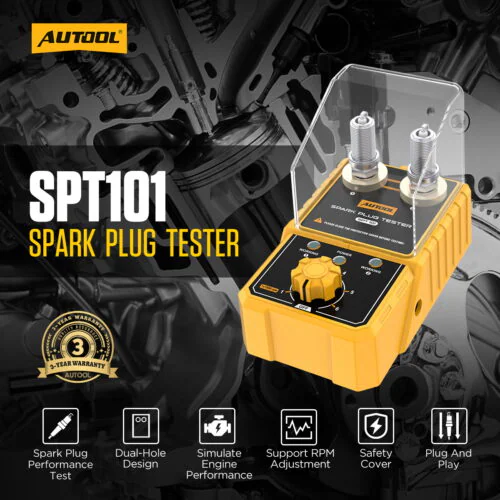
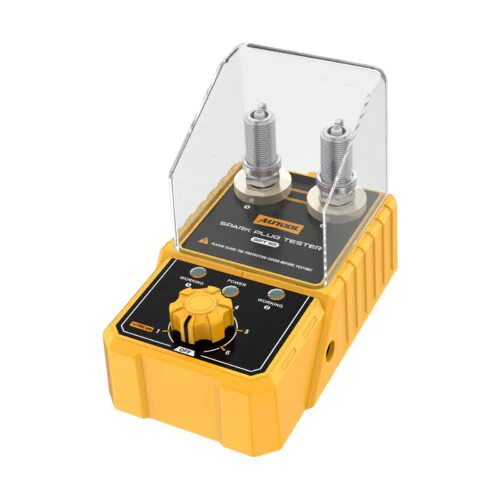
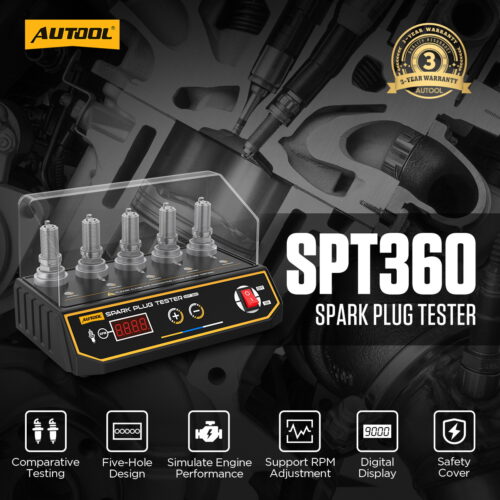
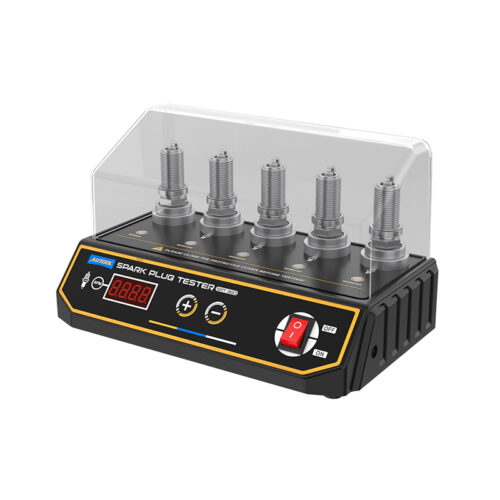
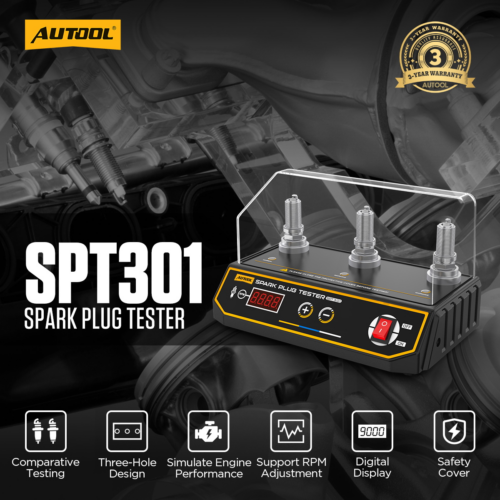
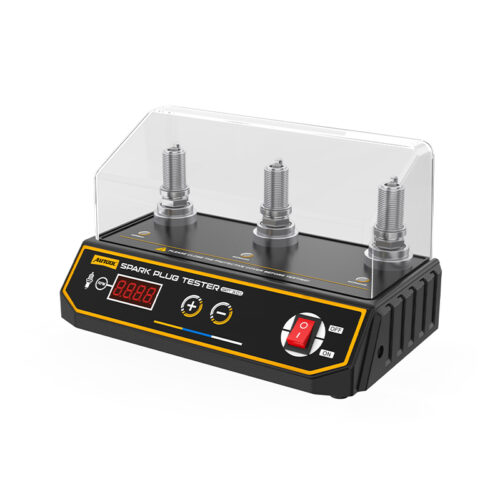
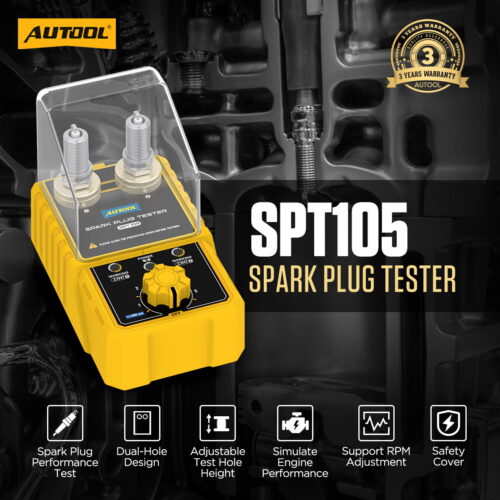
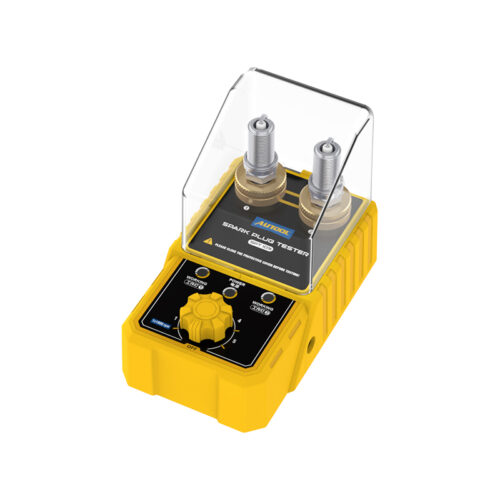
Ispitivač svjećica je neophodan dijagnostički alat za svaki motor sa svjećicom. Realistično simulira uvjete motora i prilagođava brzinu motora kako bi testirao svjećice radi usporedbe. To vam omogućuje izravno promatranje radnog stanja svjećice.
Izvorni članak završava napomenom da će sljedeći post voditi čitatelje o tome kako odabrati pravi tester svjećica.
Izvorni povezani popis uključivao je nekoliko nedostupnih referenci i jednu vanjsku administratorsku poveznicu za uređivanje. Naslovi su sačuvani u nastavku, ali URL za uređivanje u pozadini namjerno nije pohranjen u tijelu prednjeg dijela.
Povezani proizvodi
Renderirano putem WooCommerce kratkog koda proizvoda tako da kartice nasljeđuju globalnu strukturu kartice proizvoda i Blocksy/WooCommerce stilove.