AUTOOL Blog, Purchase Guides
Ways to Clean Combustion Chamber Carbon

February 16, 2026
Share:
 autoolstore.com
Carbon forms when combustion is incomplete or oil vapor enters the chamber
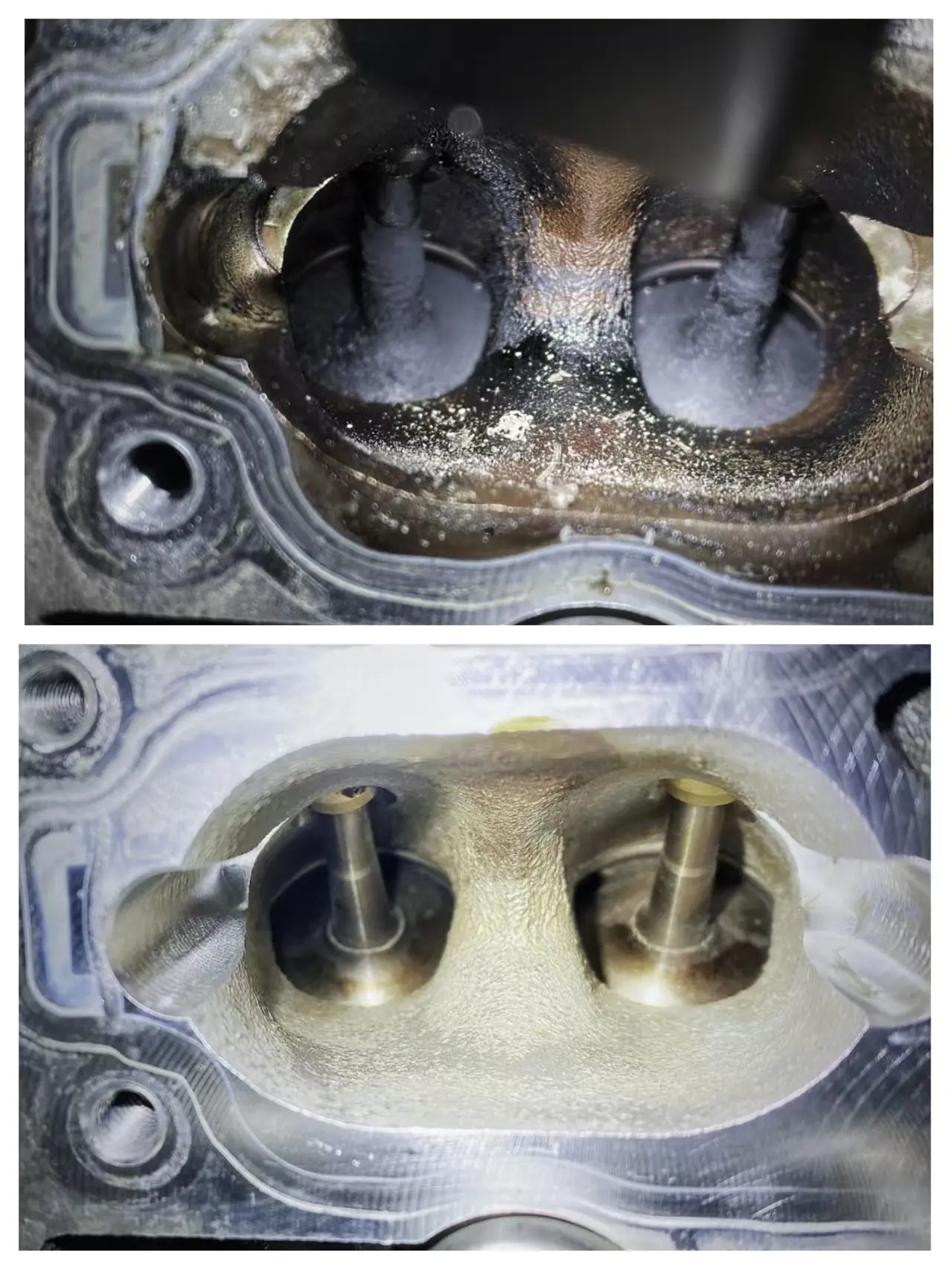
Carbon buildup forms when fuel burns incompletely, engine oil vapors enter the combustion chamber, or exhaust gases recirculate via the EGR system. This leaves carbon, oil sludge, and other solid deposits inside the engine.
| Where carbon appears | What it can affect |
|---|---|
| Intake valves and intake manifolds | Airflow, atomization, throttle response, and intake efficiency. |
| Throttle body and fuel injectors | Idle stability, fuel delivery, acceleration, and emissions. |
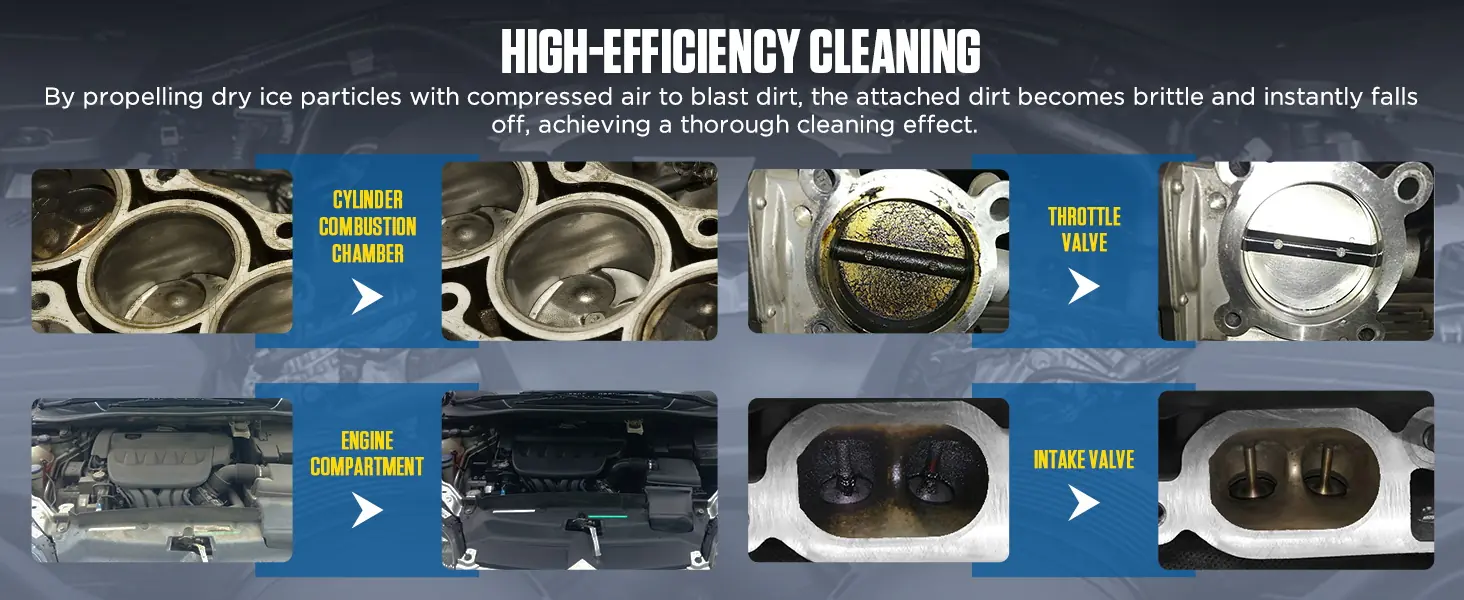
| Combustion chamber and piston tops | Combustion quality, engine power, fuel consumption, and long-term reliability. |
Early-stage carbon buildup is hard to notice. Heavy buildup can cause reduced engine power, rough idling, increased fuel consumption, and poor throttle response.
Main causes include over-fueling or poor fuel atomization, low combustion chamber temperature or cold spots, long idle times and frequent short trips, engine oil entering the combustion chamber through the PCV system, EGR returning unburned gases, and low-quality fuel or improper additives. These factors prevent complete combustion, allowing carbon to accumulate inside the engine.
The best method depends on location and severity
Car workshops and enthusiasts use several methods to remove carbon, depending on location and severity.
Add fuel system cleaners to the tank. The chemicals soften and break up light carbon deposits during driving. This is suitable for light buildup and preventive maintenance, but it is not effective for heavy or stubborn carbon.
Specialized equipment sprays cleaning solution into the intake system. The mist reaches throttle body, intake manifold, and combustion chamber surfaces. It is quick and covers multiple areas without disassembly, but has limited deep cleaning ability.
Remove the throttle body, intake manifold, and injectors, then clean parts with chemicals and brushes. This works for localized medium buildup, but cannot fully reach the combustion chamber.
Compressed air shoots walnut shell particles at the intake valves and intake manifold. This physical abrasion removes stubborn carbon without damaging metal surfaces, making it suitable for medium to heavy carbon on intake valves and intake manifolds.
Dry ice particles shoot at high speed onto carbon deposits. The dry ice instantly sublimates on contact, causing carbon to break off without leaving residue. It is safe, thorough, non-abrasive, and ideal for deep carbon removal.
Use professional equipment when deposits are heavy or deep
Walnut blasting uses compressed air to shoot walnut shell particles at carbon deposits. This method removes carbon without damaging engine metal. HTS728 features adjustable blasting flow and angle, works on intake valves, intake manifold walls, throttle body, and combustion chamber surface, and is ideal for car workshops and professional users.
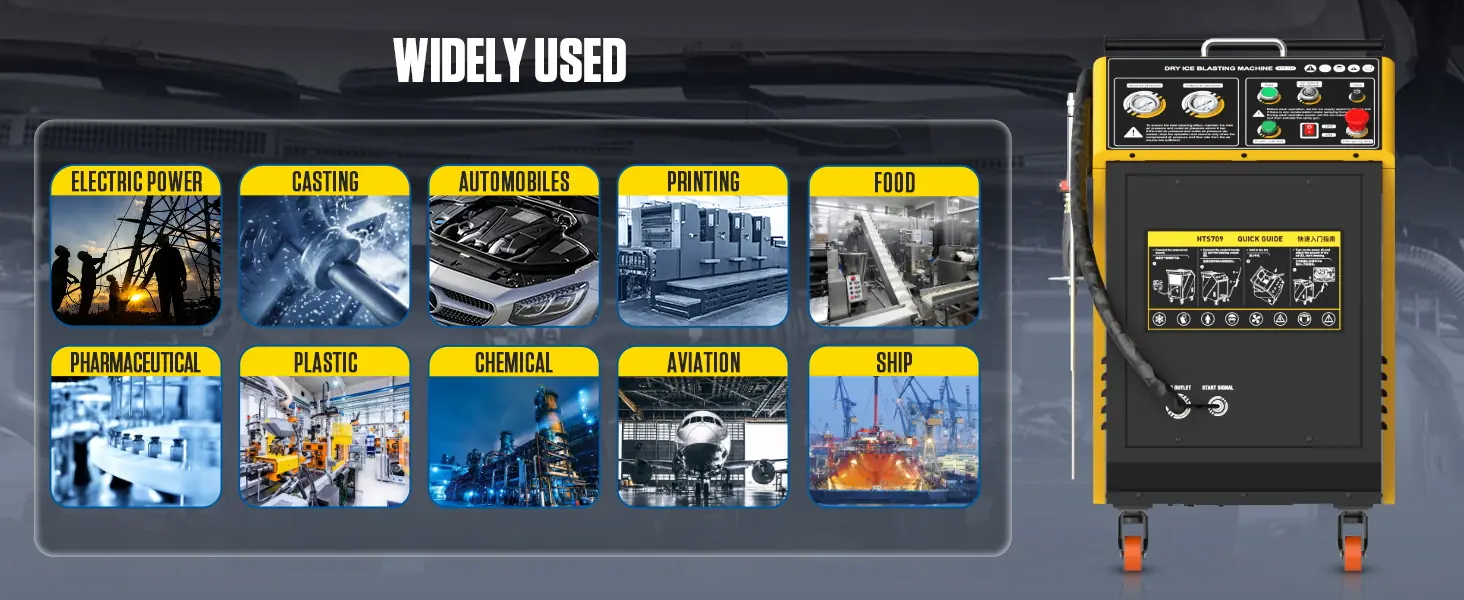
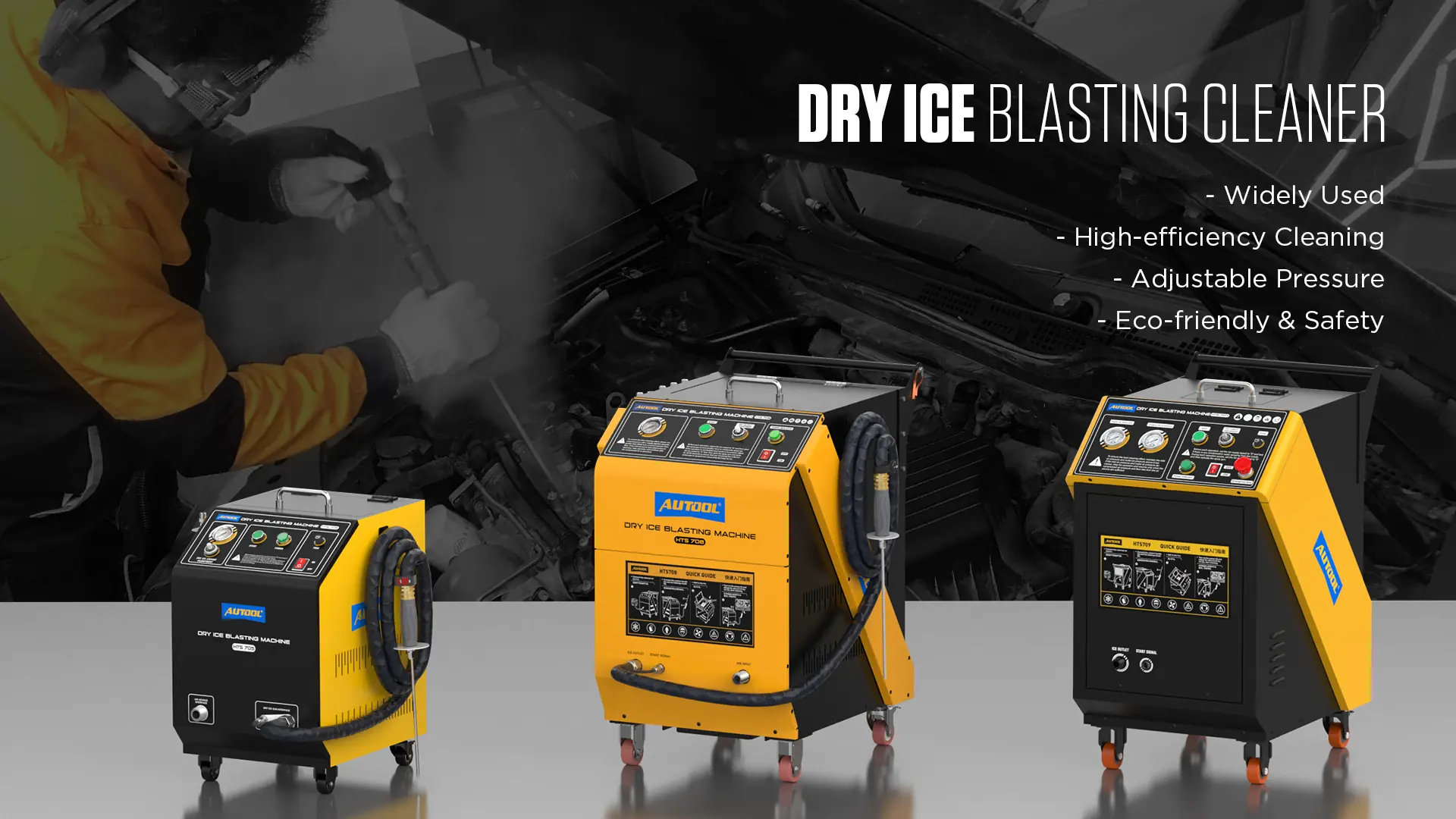
Dry ice blasting shoots solid CO2 particles at high speed. On contact, dry ice sublimates, breaking carbon deposits with low-temperature impact and thermal shock. It can clean combustion chamber deposits, piston tops, intake valves and manifolds, throttle body, high-value precision engine parts, and even car underside areas.
Carbon deposit cleaning equipment
These cards use WooCommerce shortcodes so the product output follows the same global card structure used by the reference layout.

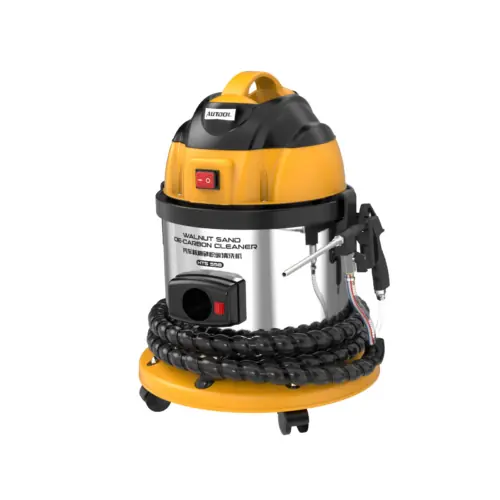

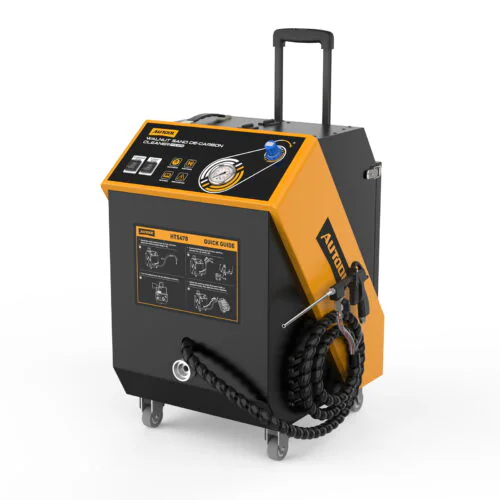

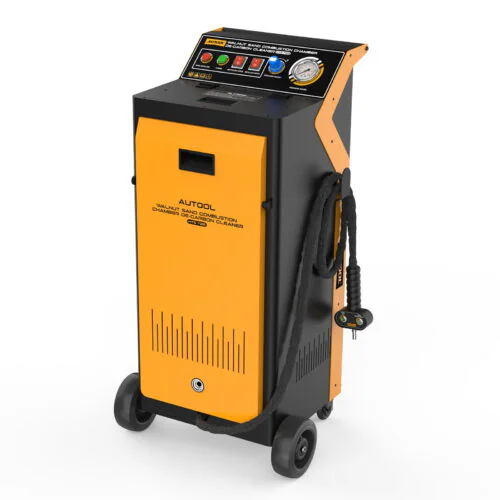
Match cleaning depth, consumables, budget, and shop workflow
For effective engine carbon cleaning, walnut blasting and dry ice blasting are the top choices. The right option depends on who is using the equipment, the cleaning location, the carbon severity, available consumables, and the expected return on investment.
| User type | Recommended direction | Key checks |
|---|---|---|
| Personal users | For daily cars with light carbon buildup, small walnut blasting machines work well. Prices range from $300-$600. | Check walnut shell availability, including 0.6-1.2 mm particle size, to ensure effective cleaning without engine damage. |
| Car workshops / professional service centers | Use an HTS728 walnut blasting machine or dry ice blaster machine for direct injection engines and deep carbon areas. | For dry ice blasting, ensure a supply of 3×6 mm dry ice pellets. For walnut blasting, ensure a supply of 0.4-0.6 mm walnut shells. |
Other important factors include cleaning location, carbon severity, budget and ROI, ease of operation, staff training, maintenance cost, and long-term durability. Evaluate these factors carefully to choose equipment that balances cleaning efficiency, cost, and long-term usability.
AUTOOL is an automotive tool brand with over 20 years of research and development experience, specializing in high-quality maintenance tools. Its carbon deposit cleaning equipment is used by car owners and repair shops, and AUTOOL offers a 3-year warranty on its products to support long-term stability and performance.
Visit the AUTOOL official website to buy carbon deposit cleaning equipment online, or contact AUTOOL customer service for purchasing details, discounts, and technical support.
WhatsApp: +86 189 2647 7404
Email: [email protected]
Related Products
Rendered through WooCommerce product shortcode so the cards inherit the global product-card structure and Blocksy/WooCommerce styles.