Purchase Guides, Uncategorized
Application of dry ice cleaning technology in the automotive industry

January 26, 2026
Share:
 autoolstore.com
From aerospace to automotive cleaning
Dry ice cleaning uses solid carbon dioxide particles to remove contaminants without damaging the underlying material. Because dry ice sublimates after impact, the process is water-free, chemical residue-free, non-conductive, and non-abrasive.
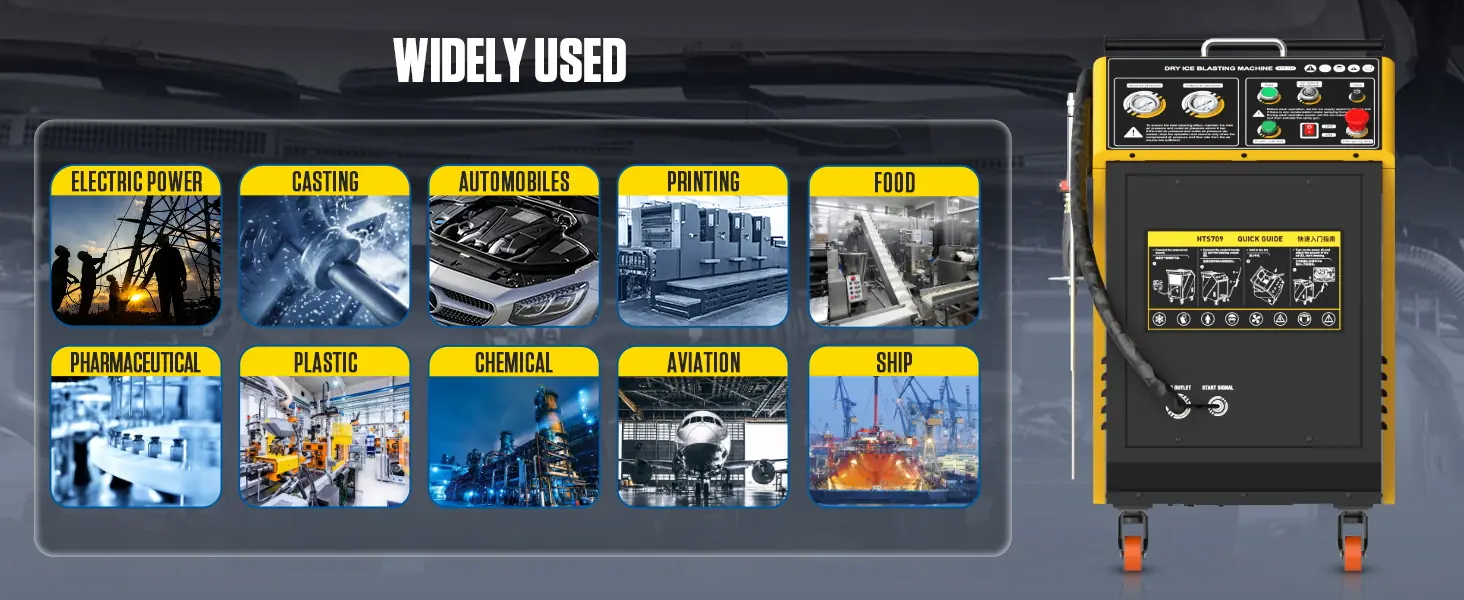
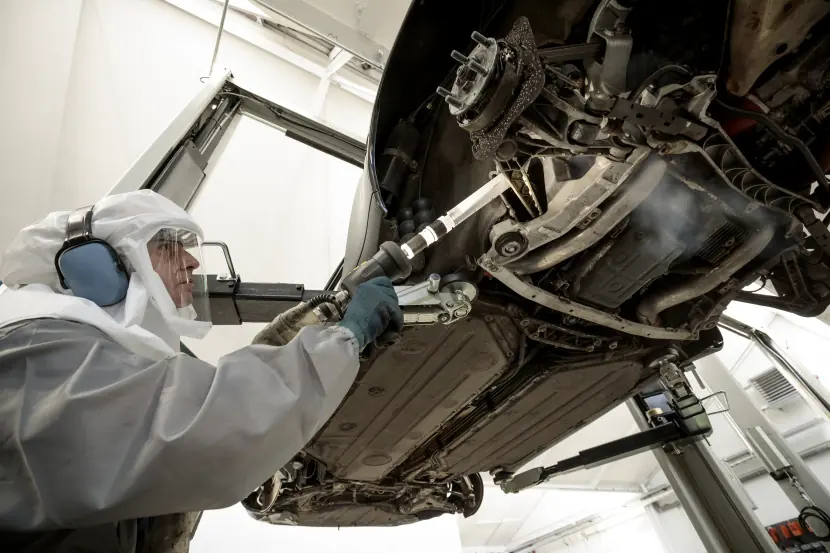
In automotive operations, this means the same technology can support production, inspection, maintenance, and servicing. It is used not only in the manufacturing of engine blocks, transmissions, and intake or exhaust pipes, but also in repair and maintenance scenarios where speed, cleanliness, and safety matter.
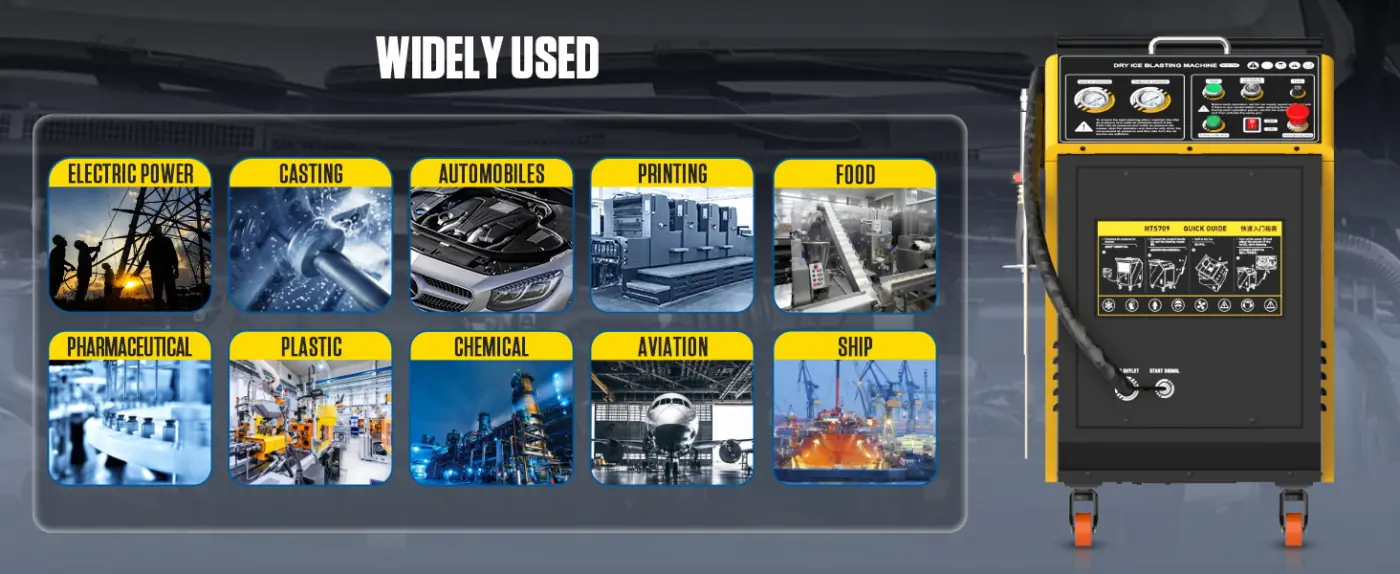
Four major automotive application areas
The automotive industry has become a mature and leading sector for dry ice cleaning technology. With over a decade of global history and many practical cases, the technology is now used across manufacturing, tire production, repair, and interior cleaning.
Leading manufacturers such as General Motors, Ford, Mercedes-Benz, Volkswagen, Toyota, Honda, FAW, Dongfeng, and Shanxi International Casting use dry ice cleaning for engine block casting molds and component maintenance.
Tire manufacturers including Michelin, Goodyear, Bridgestone, Double Star, Huanghai, Giti, and Linglong use dry ice blasting for tire mold maintenance and removal of high-temperature sulfide residue.
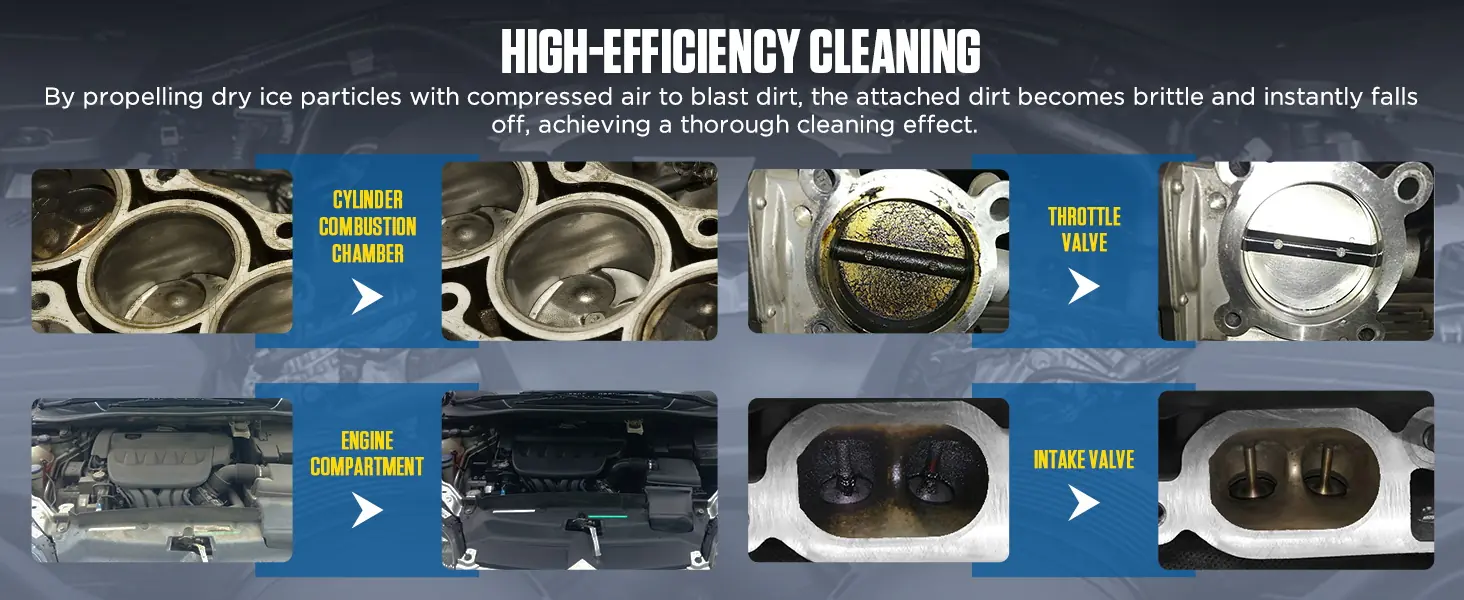
Dry ice cleaning helps solve engine carbon deposits that can cause knocking, higher fuel consumption, vibration, and accelerated wear. It can clean engines, pistons, tubing, and cylinder heads.
The process removes wax and polyurethane residues from car seat molds and headliner interior part molds while avoiding extra waste from solvents, walnut shells, steel grit, or similar media. Dry ice and the CO2 gas produced after sublimation are non-toxic, non-conductive, and non-flammable natural substances.
In automotive manufacturing, dry ice cleaning is also used for injection molds, blow molds, extrusion molds, automotive component molds, fiberglass molds, thermoforming molds, interior and exterior automotive parts, paint coating lines, part surfaces, welding lines, and composite material tools.
In the tire industry, contaminants produced during rubber thermal molding can freeze at -79°C and undergo low-temperature embrittlement. Dry ice particles then expand rapidly during phase change, enabling quick removal of residue from mold cavities, seals, strips, rings, and O-rings.

Why maintenance teams choose dry ice cleaning
Dry ice cleaning machines improve automotive maintenance by combining speed, deep cleaning, and non-disassembly access. Compared with chemical methods that may take over 48 hours and require hazardous secondary cleaning, dry ice cleaning can achieve a thorough clean in under 10 minutes in suitable engine carbon cleaning scenarios.
These benefits are why dry ice cleaning machines are increasingly used as a new cleaning device for automotive mold maintenance and repair operations that demand water-free, efficient, and environmentally friendly cleaning.
AUTOOL dry ice cleaning machine advantages
When selecting a dry ice cleaning machine, users should consider their specific needs, brand reputation, after-sales service, and expected return on investment. AUTOOL dry ice cleaning machines focus on practical ownership value, intelligent operation, cleaning efficiency, and precision-safe performance.
AUTOOL delivers comparable cleaning performance at an optimized price point, while durable core components help extend service life and lower lifetime ownership cost.
A digital control panel and preset process modes allow precise parameter adjustment and streamlined workflows, reducing operation difficulty and improving productivity.
Premium dry ice pellets and optimized jet-spray technology maximize energy utilization, reduce dry ice consumption, and improve overall cost-efficiency.
Because the cleaning method is non-conductive and non-abrasive, it can safely clean sensitive equipment such as electrical components and precision molds.
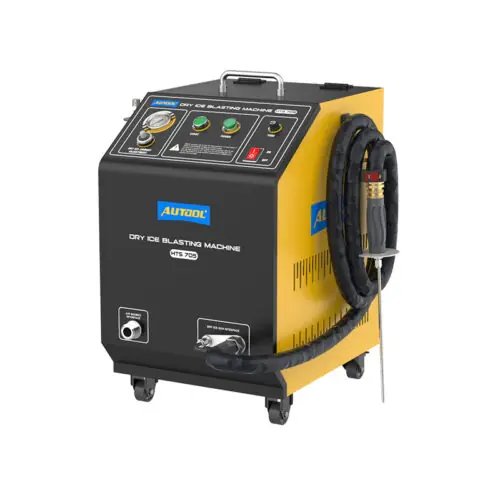
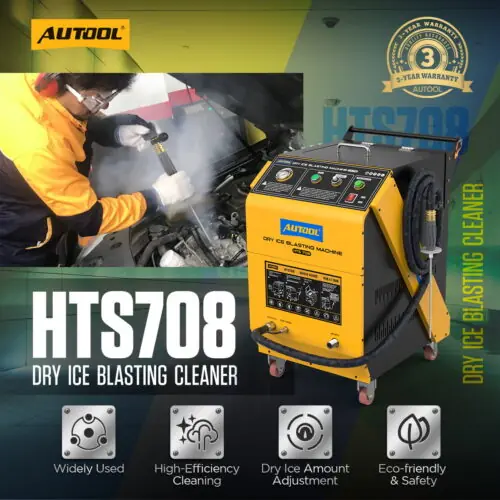
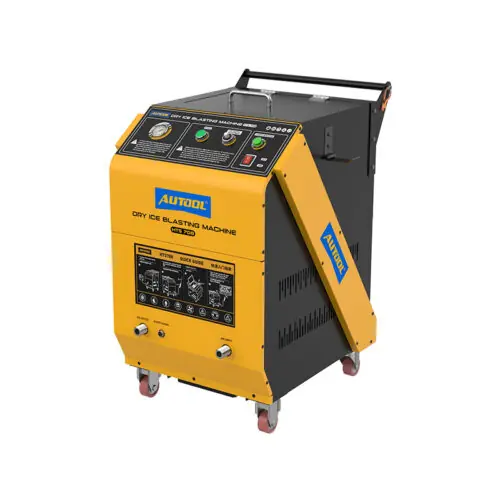
Dry ice cleaning equipment
These cards use WooCommerce shortcodes so the product output follows the same global card structure used by the reference layout.


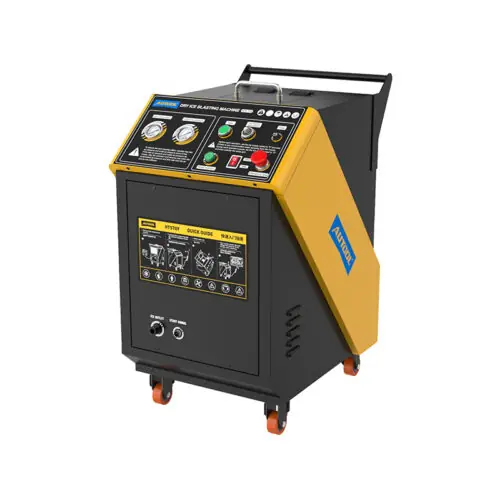
Efficient, safe, and sustainable cleaning
Originating from the aerospace industry, dry ice cleaning is now a highly efficient solution for the automotive sector. Its advantages in efficiency, environmental friendliness, non-destructive performance, and safety make it suitable for manufacturing, tire production, vehicle maintenance, and interior cleaning.
By reducing downtime, eliminating chemical pollution, and avoiding secondary waste, dry ice cleaning supports stricter environmental regulations and the industry’s move toward sustainability. AUTOOL dry ice cleaning machines provide reliable, economical, and intelligent solutions for automotive users who need better cleaning efficiency, stricter environmental performance, and greater process precision.
New customers can get 10% off plus a 3-year warranty on dry ice cleaning machines.
WhatsApp: +86 189 2647 7404
Email: [email protected]
Related Products
Rendered through WooCommerce product shortcode so the cards inherit the global product-card structure and Blocksy/WooCommerce styles.