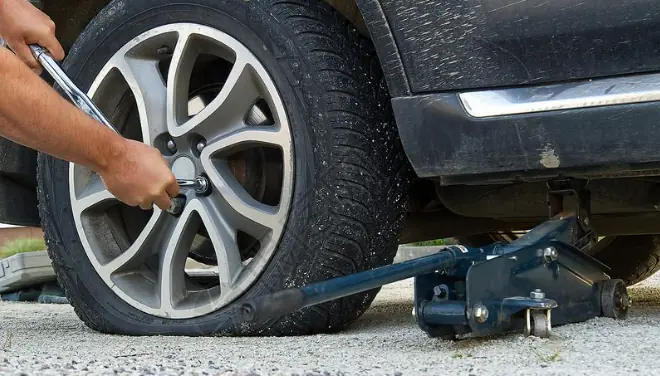
When is it suitable to repair a tire?
1. Tire Repair Depends on Damage Size, Location, Age, and Wear
Whether a tire should be repaired or replaced mainly depends on the extent of the damage, where the wound is located, the tire’s age, and how worn the tread is. A repair may be suitable in the following situations:- Small puncturesSmall wounds caused by nails or sharp objects may be repairable when the internal tire structure is not damaged.
- Minor cracksSmall cracks may be repairable only when they do not damage the cords and do not affect the tire’s overall strength.
- Good overall tire conditionThe tire should be of moderate age, not badly aged, and not severely worn.
How can you repair a car tire yourself?
2. Basic DIY Tire Repair Steps
- Prepare toolsPrepare a tire repair kit, including repair agents, patches or plugs, an air pump, and basic cleaning supplies.
- Clean the woundUse detergent and a cloth to clean the damaged area so no dust, oil, or other impurities remain.
- Apply repair materialApply an appropriate amount of repair agent or use the repair plug according to the kit instructions, making sure the damaged area is covered.
- Apply the patchPlace the patch flat and tightly against the wound if your repair kit uses patches. The patch should sit smoothly without lifting edges.
- Inflate and checkUse an air pump to inflate the tire to normal pressure, then check whether the repaired area still leaks.
When is it not suitable to repair a tire?
3. Some Tire Damage Should Not Be Repaired
- Poor wound locationIf the puncture is on the sidewall or shoulder of the tire, do not try to repair it. These areas are difficult to repair reliably and the repair effect is usually poor.
- Wound too largeIf the tread puncture is larger than 1/4 inch, about 6.35 mm, repair may not be reliable.
- Internal damageIf the tire has internal damage such as a broken belt, it should be replaced completely.
- Aging or multiple previous repairsIf the tire has been used for many years, more than 6 years, has long mileage above 50,000 miles, or has been repaired many times before, replacement is recommended to protect driving safety.
What are the signs of worn tires?
4. Signs That Your Tire Needs Professional Inspection
- Low tread depthTread provides traction and grip. If the tread is worn, it can be difficult to control the vehicle in wet or slippery conditions. Check tread depth with a gauge or by looking at tire wear indicator strips.
- Cracks or cutsCracks or cuts can develop in the sidewall or tread over time. They may weaken the tire and increase the risk of a blowout or puncture.
- Bumps or bubblesBumps or bubbles on the sidewall may indicate internal damage or weakness that can lead to a blowout.
- Uneven wearUneven tire wear can be caused by misalignment, improper inflation, or suspension problems. It can affect handling and vehicle performance.
- Vibrations or unusual noisesIf you feel vibration or hear unusual tire noise while driving, the tire may be worn, damaged, or out of balance.