Uncategorized
Gasoline Direct Injection Carbon Buildup Cleaning Solution

October 10, 2024
Share:
 autoolstore.com
As automotive technology continues to evolve, gasoline direct injection (GDI) engines are becoming more and more popular, providing higher-performance fuel efficiency.
GDI injectors require regular maintenance to ensure optimal performance and a longer service life. This guide explains how gasoline direct injection works, why GDI injectors are becoming more popular, how clogging affects the car, and how the AUTOOL CT500 injector cleaning machine supports GDI injector cleaning and testing.
Gasoline direct injection basics
GDI stands for Gasoline Direct Injection. GDI injectors inject fuel directly into the combustion chamber of each cylinder, allowing for more precise control of the air-fuel mixture and greatly improving fuel efficiency and power output. The most important point is to reduce emissions.
GDI technology is now commonplace in many vehicles and has the advantage of increasing power output and improving fuel economy. But with the complexity and precision required for GDI injectors comes one of the most common problems: carbon buildup.
GDI adoption
Compared with the traditional manifold injection engine, the starting point of the design of the direct injection engine is to save energy, reduce emissions, and achieve a higher power output.
The direct injection engine can inject fuel directly into the cylinder through high pressure so that the fuel achieves a good atomization effect. After mixing with the air, the combustion will be more complete, thus reducing fuel consumption and particulate emissions, improving power performance, and realizing engine miniaturization.
Today, more than 1/3 of the world’s automobiles feature direct injection engines, and experts expect that the annual growth will exceed 10% by 2026. Meanwhile, AUTOOL already has a series of professional equipment that can test and clean the GDI injectors.
Carbon buildup risk
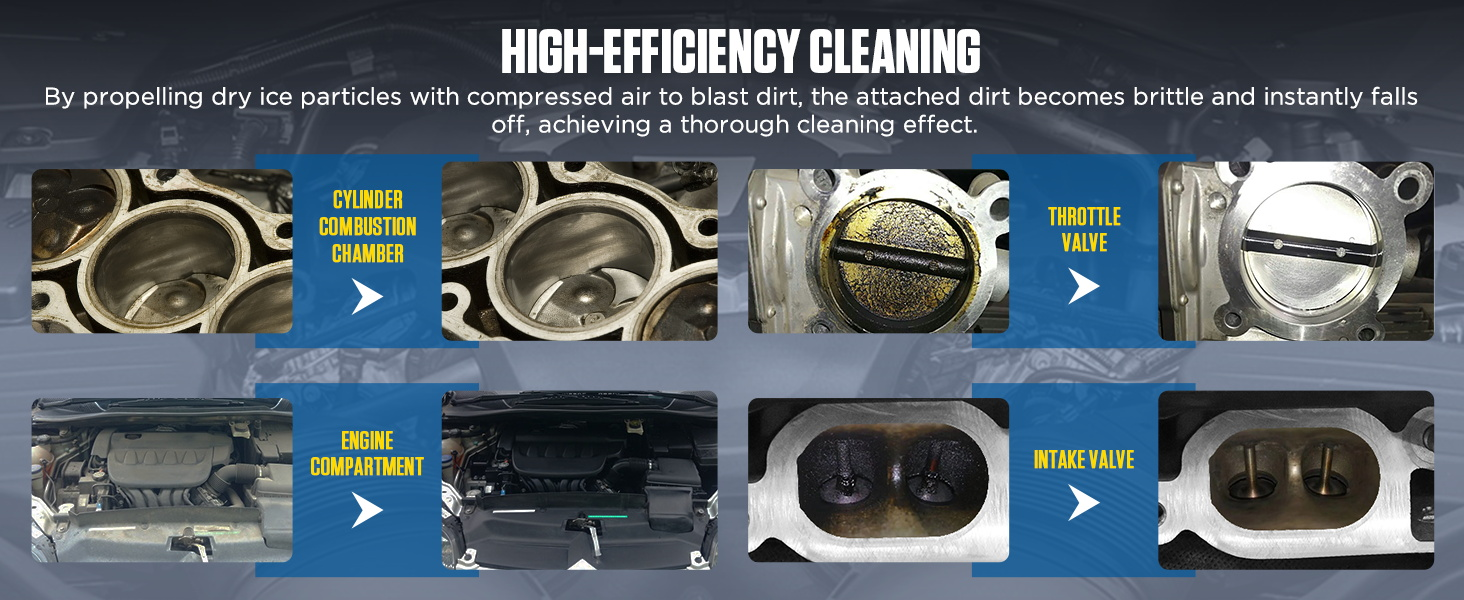
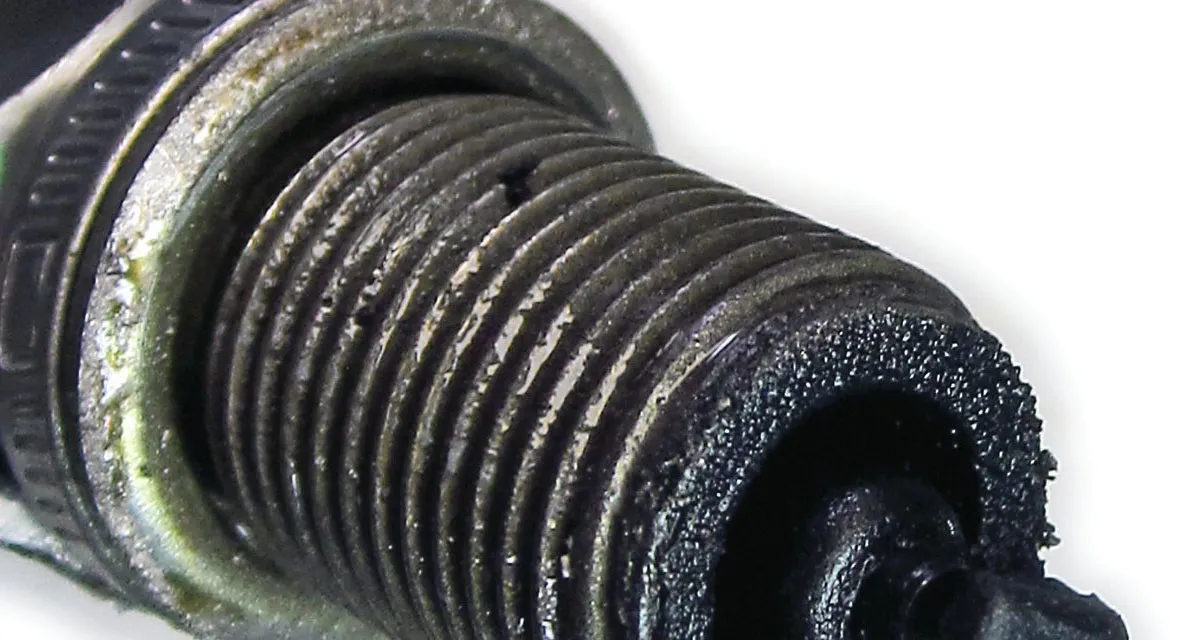
The conclusion is clear: GDI injectors can get clogged. Regular engine cleaning is essential for car maintenance. Over time, fuel combustion leads to the accumulation of carbon deposits in the intake valve, fuel injector, and other engine parts, which hinders airflow and fuel delivery.
Therefore, regular carbon cleaning helps ensure that the engine operates normally.
Regular maintenance is essential to reduce the risk of serious carbon buildup on GDI injectors. AUTOOL’s CT500 is an injector cleaning machine that can carry out GDI injector cleaning and testing.
GDI injector cleaning machine
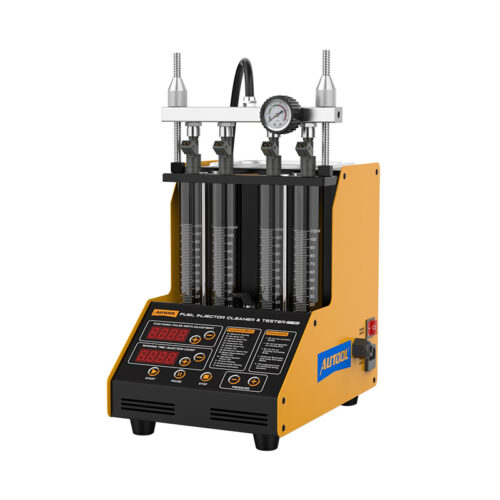
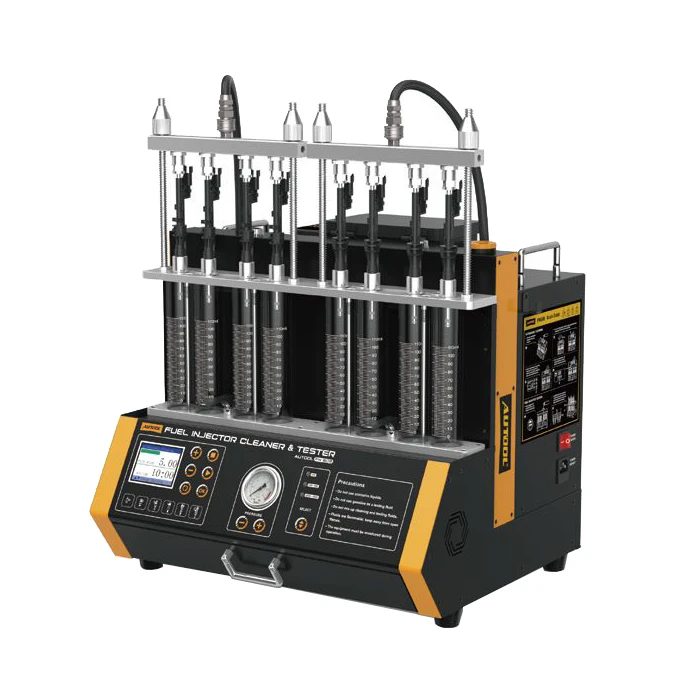
AUTOOL’s CT500 fuel injector cleaner machine is a professional tool designed specifically for cleaning and servicing fuel injectors on vehicles equipped with GDI systems.
AUTOOL CT500 not only supports testing of GDI injectors, but also conventional, EFI, and SFI injectors, covering injectors on core brands of vehicles in Europe, America, and Asia.
CT500 is a fuel injector cleaner and tester in one device introduced by AUTOOL, which can clean and test injectors by simulating engine conditions. It effectively cleans the injectors and fuel supply system on the vehicle.
GDI cleaning FAQs
It depends on the specific vehicle and driving habits. Generally speaking, AUTOOL recommends cleaning and testing GDI injectors every 30,000-50,000 kilometers. If you drive a lot in stop-and-go city driving or other conditions that cause carbon buildup, you may need to have your injectors cleaned and tested more frequently.
When used with the correct adapters, test fluid, and operating procedure, a GDI fuel injector tester is designed to test and clean injectors safely. Avoid corrosive liquids, follow the machine instructions, and stop operation if an injector, adapter, or connection appears abnormal.
Injector Test Fluid: AUTOOL recommends purchasing professional injector test fluid. If you cannot find it for sale in your local area, you can use 99% medical alcohol or kerosene for testing. Do not use any corrosive liquid for testing, and for safety, do not use gasoline for testing.
Injector Cleaning Fluid: AUTOOL recommends using professional injector decarbonization cleaning fluid for testing. You can also use 99% alcohol, but the cleaning effect may not be as good as professional cleaning fluid.
No, you cannot test diesel injectors with this equipment, as it is specifically designed for GDI and standard injectors. However, you can use the ultrasonic cleaning function to clean diesel engine injectors. There is no limit to cleaning.
It takes about 10 minutes. The exact cleaning time will also depend on the carbon buildup of the injectors. If your injectors are very heavily carbonized, AUTOOL recommends cleaning them several times.
GDI engines can improve fuel efficiency, power output, emissions performance, and cold-start behavior, but their injector precision also makes regular maintenance important.
Carbon buildup can reduce airflow, increase emissions, affect fuel atomization, and create knocking risk. A GDI injector cleaning machine such as AUTOOL CT500 helps workshops test, clean, and service GDI injectors more efficiently.
Related Products
Rendered through WooCommerce product shortcode so the cards inherit the global product-card structure and Blocksy/WooCommerce styles.