Purchase Guides
What Is Carbon Engine Cleaning and Which Tool Should You Choose?

October 22, 2021
Share:
 autoolstore.com
The engine is the heart of a vehicle. If the engine’s health is not good, it can drastically impact performance by reducing power. That is why engine maintenance is essential if you want to keep a car moving for the next thousand miles without requiring unnecessary attention.
Multiple factors can affect a car engine’s power, but carbon buildup is one of the leading causes. If you are wondering what carbon cleaning is, what types of carbon cleaning are available, and which engine carbon cleaning methods and tools are most effective, this guide brings the key points together.
Here is what you need to know about carbon engine cleaning.
Why do you need to clean engine carbon?
Vehicles use petrol and diesel to generate power. The combustion of these fuels produces carbon, tars, and gums as by-products. Many newer vehicles use diesel particulate filters and catalysts to reduce the accumulation of carbon inside the walls and ducts of the engine.
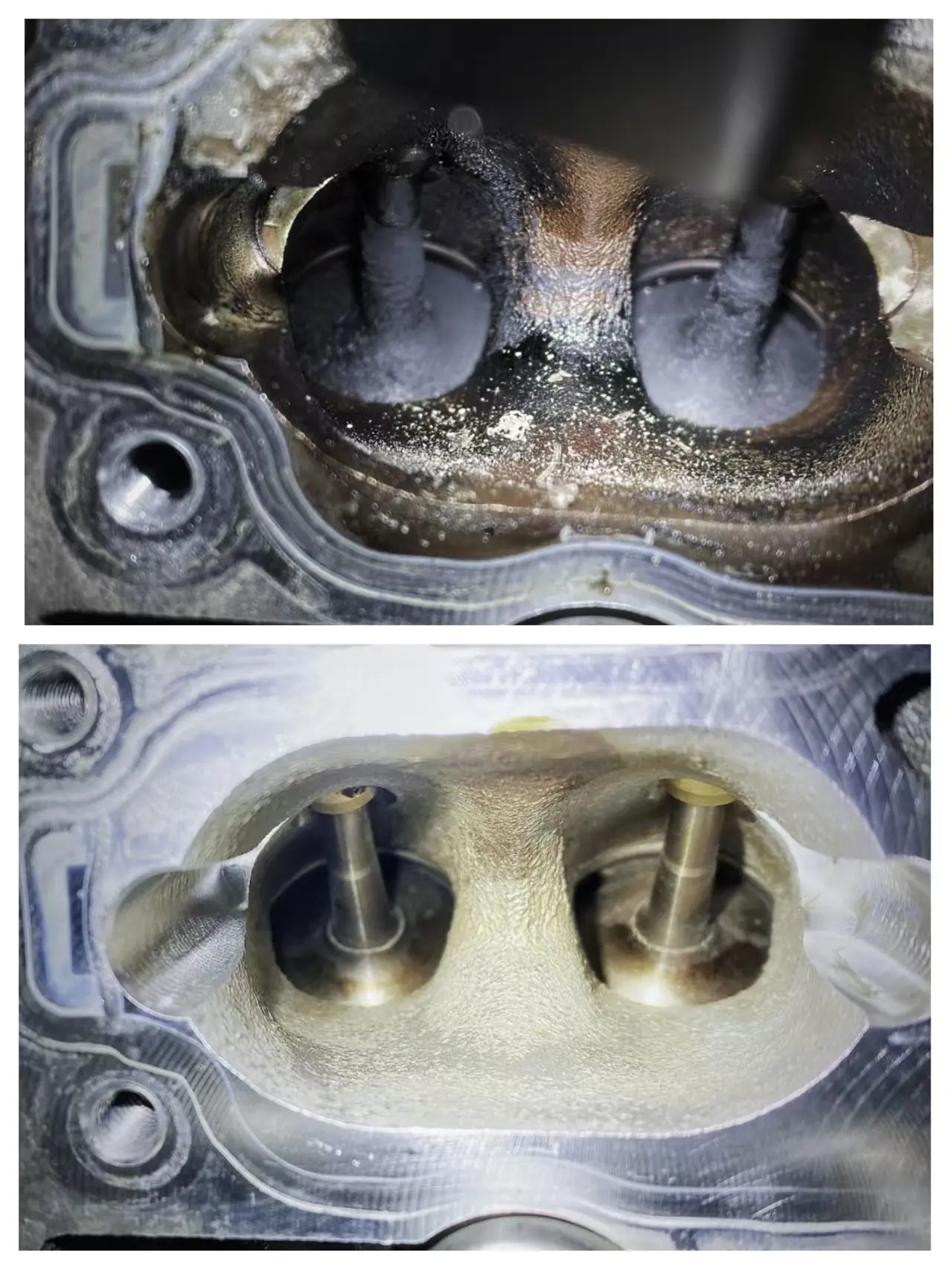
Despite these measures, a certain amount of sooty carbon can still accumulate on the engine walls. This narrows the duct and hinders the entrance of air into it, which can reduce the car’s emissions performance, power, and efficiency. Therefore, periodic carbon engine cleaning is still needed.
Can carbon buildup be completely avoided? No. Filters and catalysts can reduce accumulation, but they cannot completely avoid sooty carbon deposits. That is why carbon cleaning remains part of periodic engine maintenance.
Different types of engine carbon cleaning
Once it is clear that carbon cleaning helps maintain engine power and efficiency, the next question is how to remove the buildup. The original article groups engine carbon cleaning into three common methods.
In this method, you have to open the engine into parts and clean it manually. It is a tedious, time-consuming, and complex method. This method is becoming obsolete.
In this method, chemicals are added into the engine. The chemicals react with the carbon deposits and remove them from the internal surface of the engine.
This is presented in the original article as the best and most effective method of carbon engine cleaning. Tool-based cleaning uses high-pressure air and cleaning media to remove carbon deposits more efficiently.
The most effective carbon engine cleaning method and tool
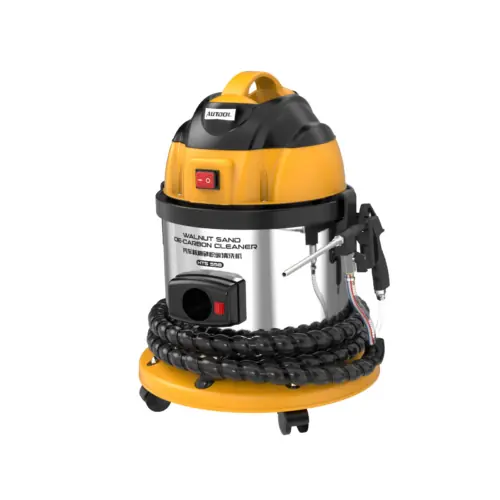
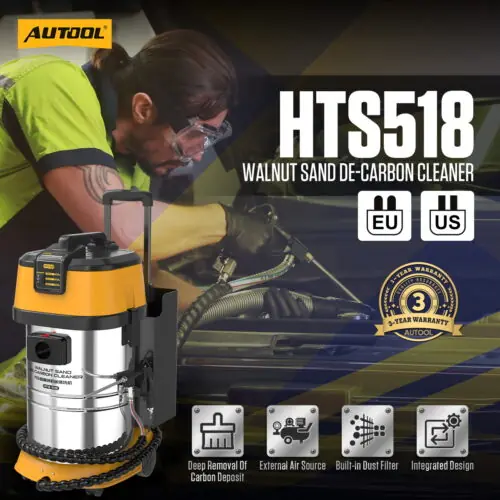
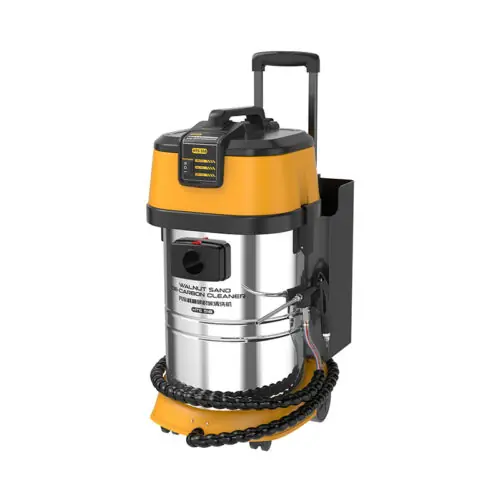
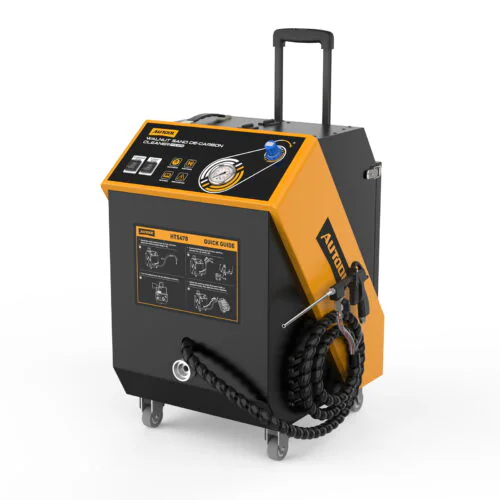
The most effective way to clean engine carbon in the original article is with a walnut grit cleaner. The representative product mentioned is AUTOOL HTS558.
The article describes AUTOOL HTS558 as suitable for cleaning the engine intake pipe and valve. It also notes that the cleaning process does not take more than 3 minutes, making the tool a practical option when efficiency is important.
That is the basic process given in the original guide. For a practical demonstration, watch the linked video below.
Practical demonstration
The original article links to a practical demonstration video for the AUTOOL HTS558 carbon cleaning process.
If you are looking for an efficient tool to remove carbon deposits from a car engine and help improve efficiency, emissions performance, and power, the original article recommends AUTOOL HTS558 as the best option.
Carbon buildup cannot be fully avoided, so choosing the right carbon cleaning method is an important part of engine maintenance. For users who want a more practical tool-based method, walnut grit cleaning with a dedicated machine is the key recommendation in this guide.
Related Products
Rendered through WooCommerce product shortcode so the cards inherit the global product-card structure and Blocksy/WooCommerce styles.