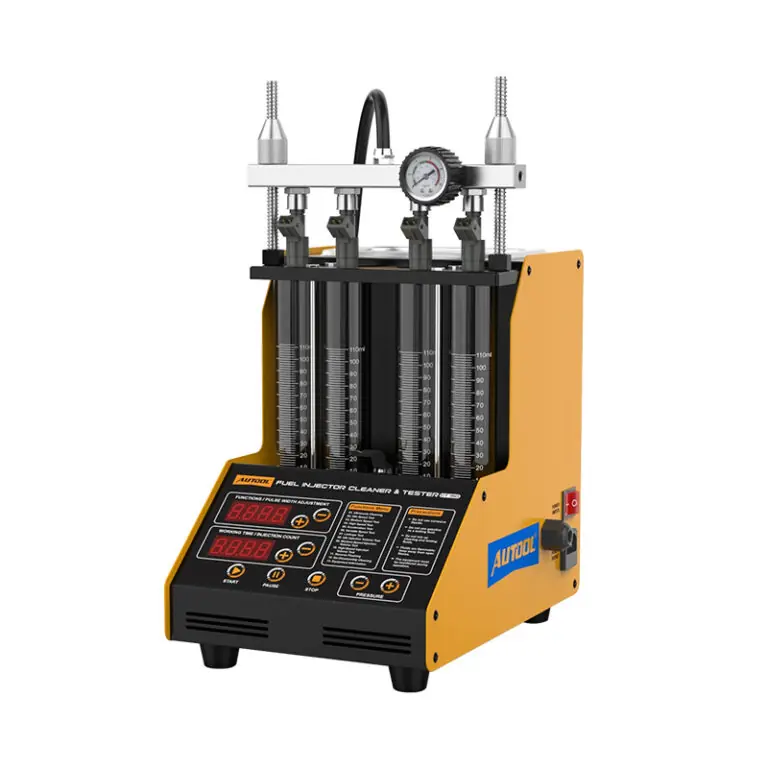
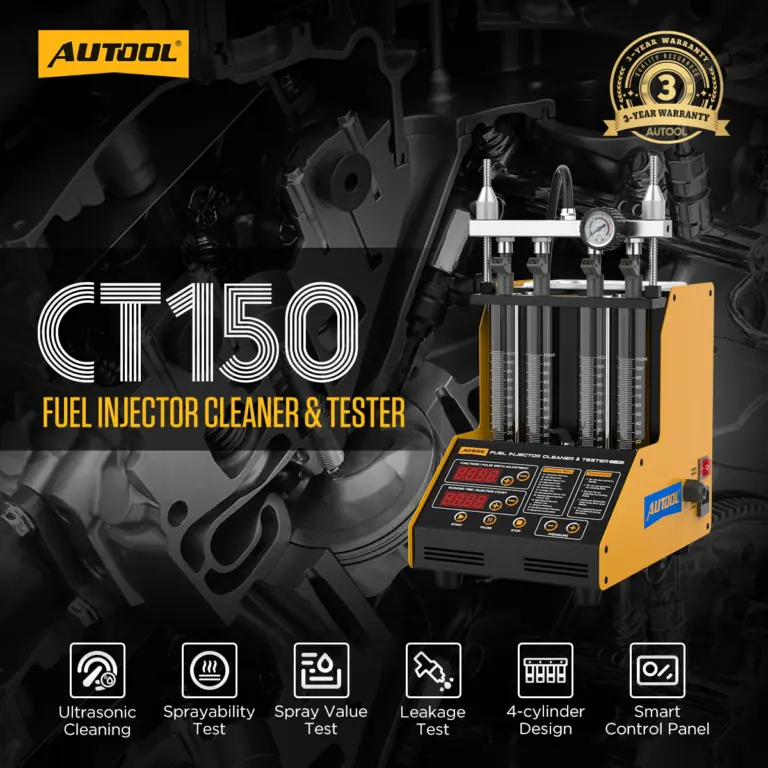
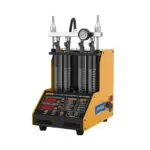
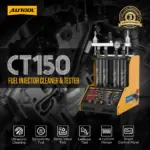

AUTOOL CT150 4-Cylinder Fuel Injector Cleaner and Tester
US$259.00
- Four-Injector 12 V Testing
- Ultrasonic Clean + Retest
- Leak, Spray + Restriction Clues
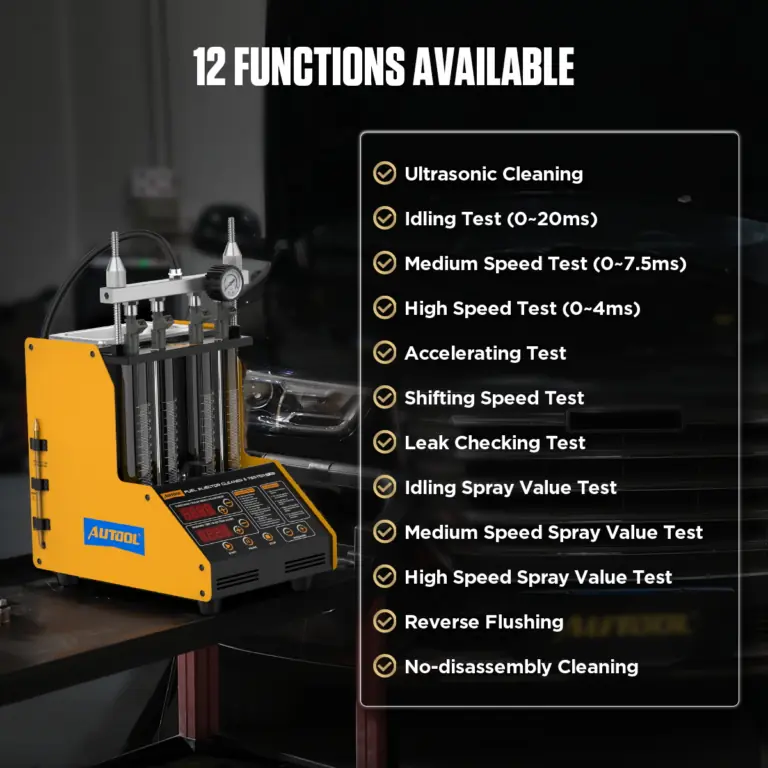
- 12 Cleaning/Test Functions
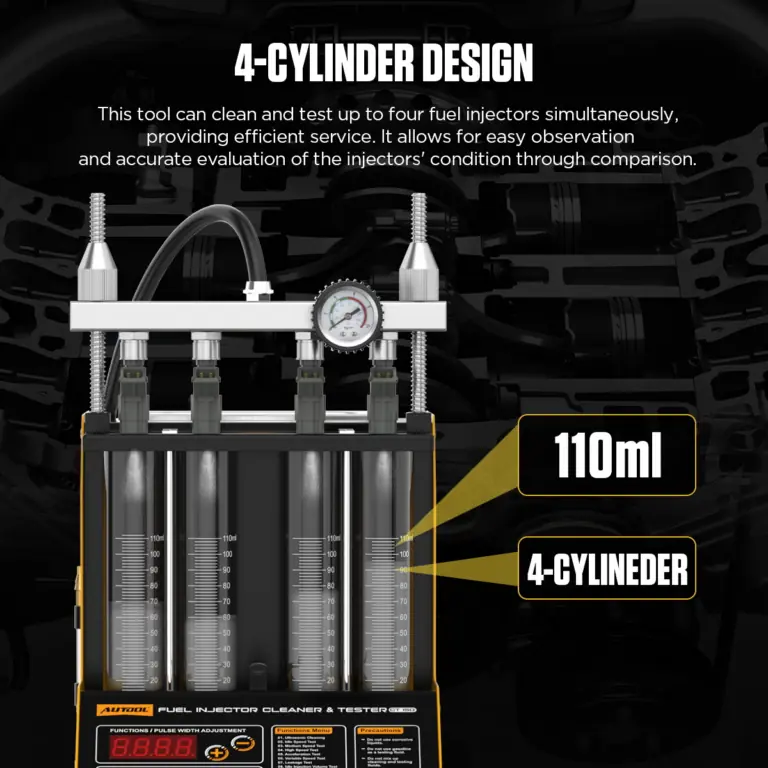
- Four-Injector 12 V Testing: Mount up to four compatible standard 12 V gasoline injectors to compare spray appearance and collected volume side by side under the same settings.
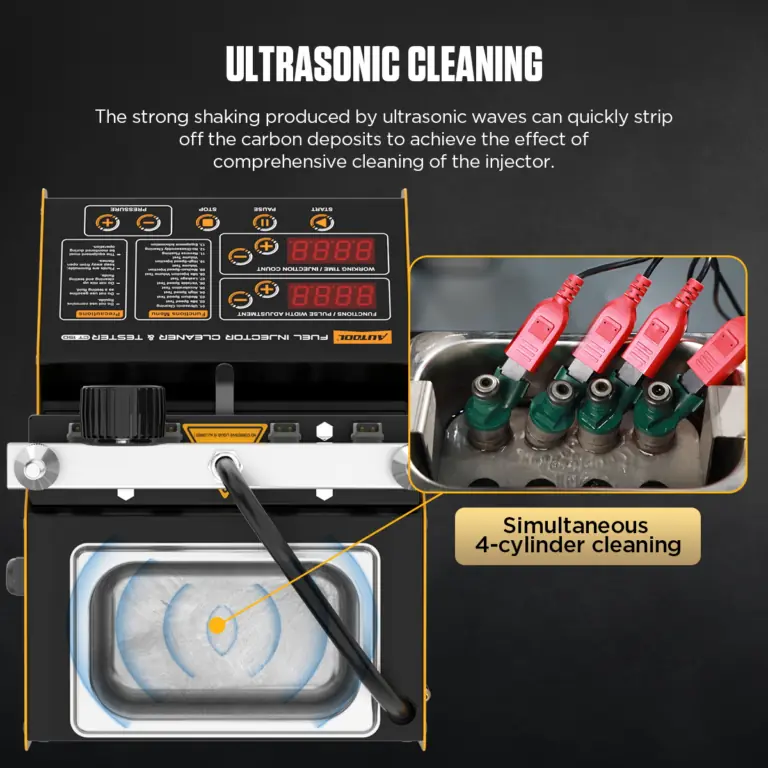
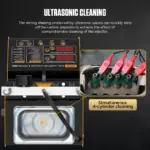
- Ultrasonic Clean + Retest: Loosen deposits in the ultrasonic tank, then repeat the matched test to compare before-and-after results.
- Leak, Spray + Restriction Clues: Observe closed-state leakage, spray behavior, relative collected volume, and restriction signs to guide the next step.
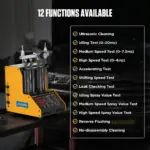
- 12 Cleaning/Test Functions: Use 12 functions for ultrasonic cleaning, operating-speed simulations, leakage, spray volume, reverse flushing and accessory-dependent cleaning.
- Four-Injector 12 V Testing: Mount up to four compatible standard 12 V gasoline injectors to compare spray appearance and collected volume side by side under the same settings.
- Ultrasonic Clean + Retest: Loosen deposits in the ultrasonic tank, then repeat the matched test to compare before-and-after results.
- Leak, Spray + Restriction Clues: Observe closed-state leakage, spray behavior, relative collected volume, and restriction signs to guide the next step.
- 12 Cleaning/Test Functions: Use 12 functions for ultrasonic cleaning, operating-speed simulations, leakage, spray volume, reverse flushing and accessory-dependent cleaning.
- 3-Year Warranty Main unit 3 years · Accessories 1 year
- 90-Day Returns Eligible returns within 90 days
- Official Store Genuine products · Direct support
AUTOOL CT150 · Four-Position 12 V Injector Cleaner & Tester
Clean and Compare Four Standard Gasoline Injectors
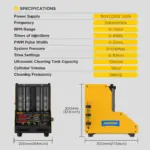
Ultrasonically clean up to four compatible standard 12 V gasoline injectors in the 1,000 mL, 70 W unheated tank, then compare spray appearance, leakage and collected volume under matched low-pressure settings. Twelve cleaning and test functions plus adjustable pulse width, time or injection count and pressure support repeatable clean-and-retest work, including permitted reverse flushing and optional accessory-based service.
- 4-Position Injector Comparison
- Standard 12 V Gasoline Injectors
- Ultrasonic Cleaning
- 12 Cleaning / Test Functions
- Adjustable Pulse & Pressure
Key Features
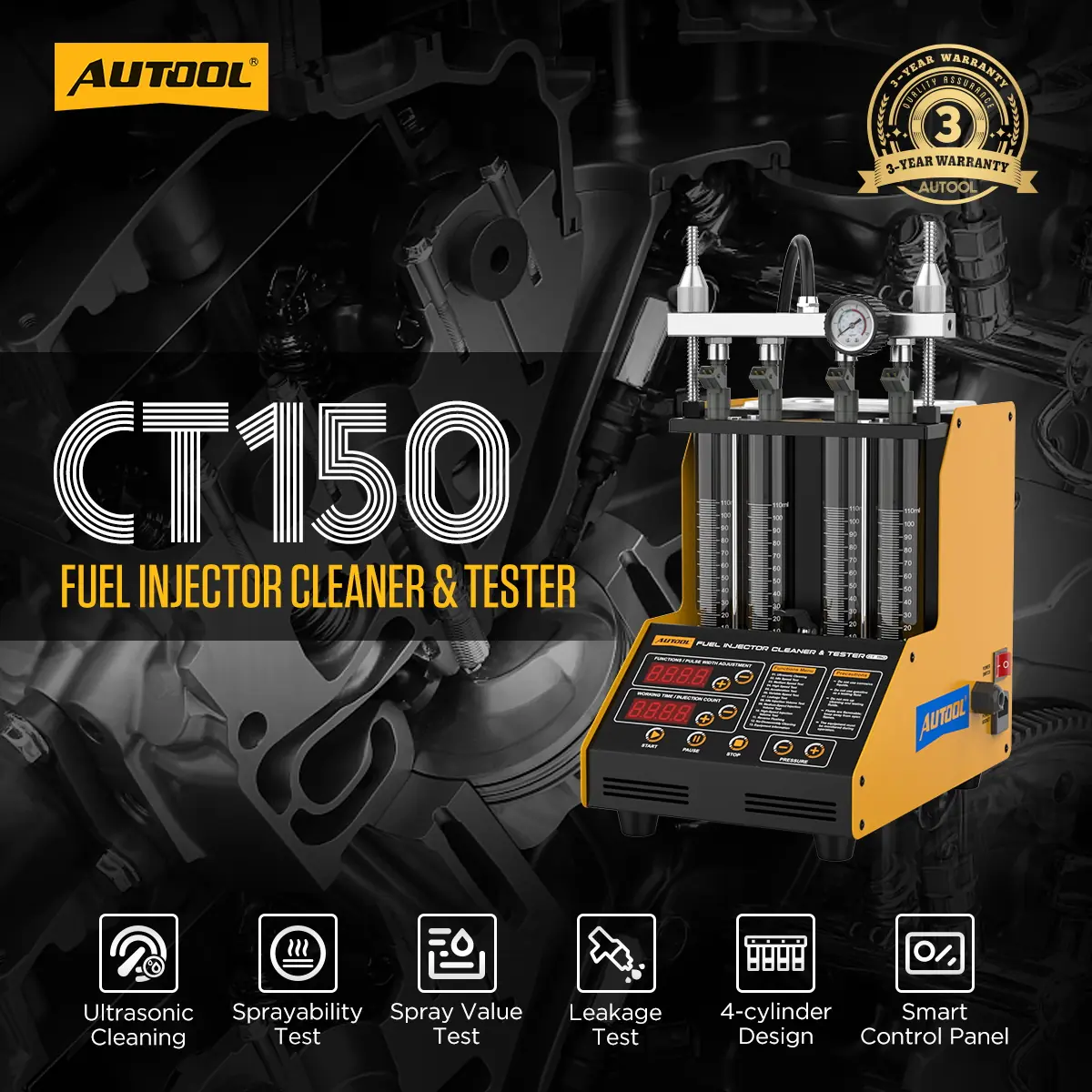
Four Positions with 12 V Injector Drive
Ultrasonic Injector Cleaning
Use this fuel injector cleaning machine’s ultrasonic tank with the approved cleaning fluid to help loosen deposits from compatible injectors before matched retesting. Keep the electrical pulse connector above the liquid and never run the tank dry.
Four-Position Visual Comparison
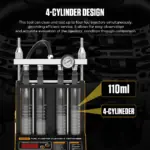
Mount up to four compatible injectors and compare spray appearance and collected-volume levels side by side under the same settings.
Injector Leak, Spray, Flow, and Blockage Checks
Observe closed-state leakage, spray behavior, relative collected volume, and signs of restriction to support the next diagnostic step.
12 Available Functions
Choose from 12 available functions covering ultrasonic cleaning, idle, medium-speed, high-speed, acceleration, variable-speed, leakage, spray-volume, reverse-flush, and accessory-dependent cleaning modes.
Adjustable Test Control
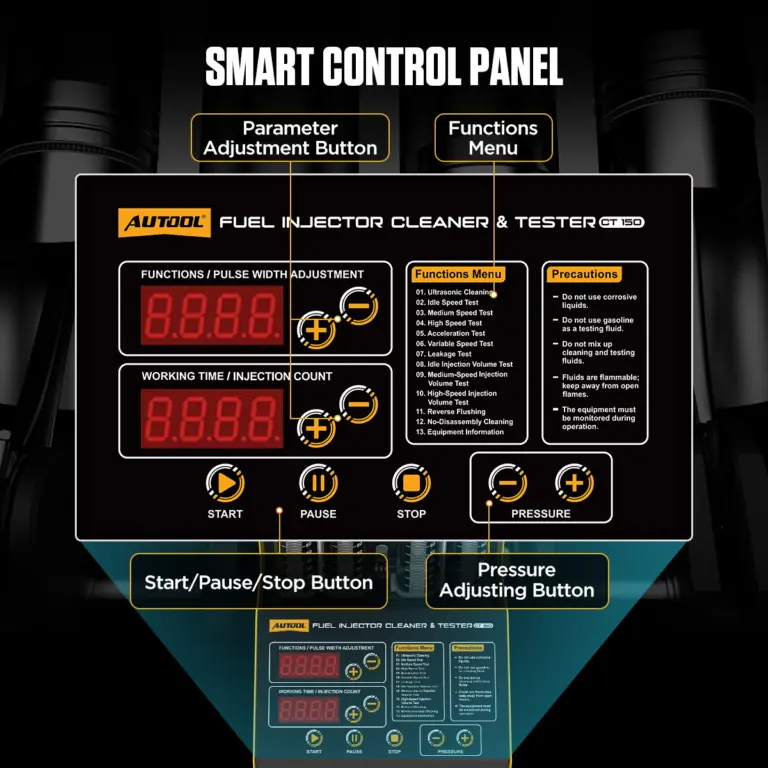
Select the function and adjust pulse width, working time or injection count, and pressure from the panel, with Start, Pause, and Stop controls for the procedure.
Fuse Protection
The internal fuse can interrupt operation during a short circuit to help protect the electrical system; inspect the cause before restarting.
Injector Reverse Flushing Support
Reverse-flush compatible injector designs using the supported procedure to help remove contamination, then repeat the normal comparison under the same settings to assess the result.
Accessory-Dependent Motorcycle and On-Car Service
Optional accessories support some Honda, Yamaha, Suzuki, and Sanyang motorcycle applications and cleaning injectors or a throttle body without removal. Confirm the exact accessory and procedure before purchase.
3 Years Warranty Support
Main unit: 3-year warranty. Standard accessories: 1-year warranty. Warranty Policy.
How to Use
Identify, Mount, Clean, Test, and Compare
Record the Baseline and Inspect
Identify each injector position, inspect the body and connector, and record the intended fluid, pressure, pulse setting, mode, and test time. Where appropriate, run a baseline test before cleaning so the later result is comparable.
Clean the Injector Exterior
Remove loose exterior contamination with a suitable approved cleaner before placing the injector in the ultrasonic bath.
Run Ultrasonic Injector Cleaning
Add the approved ultrasonic cleaning fluid, keep it below the electrical pulse connector, connect the required pulse lead, and run the selected cleaning procedure without dry-running the tank.
Mount Injectors and Add Test Fluid
Secure up to four compatible injectors, plug unused positions, check the electrical condition when the procedure requires it, and add the specified non-corrosive test fluid to the testing circuit.
Run Leakage, Spray, Flow, and Reverse-Flush Checks
Select the required modes and observe closed-state leakage, spray appearance, collected-volume balance, simulated operating conditions, and reverse flushing where compatible.
Retest Under Matched Conditions
Repeat the same injector positions, pressure, pulse width, mode, fluid, and time. Record improvement, no improvement, or an invalid setup and follow the appropriate vehicle diagnosis, specialist test, or replacement path.
Safety & Compatibility
Match Injector, Drive, Fluid, Pressure, and Adapter
Standard 12 V Gasoline Test Scope
Use the testing functions only with compatible standard 12 V gasoline injectors after confirming part number, resistance, connector, seals, and adapter fit. Do not infer GDI support from a generic voltage or connector label.
Clean Diesel Injectors with the Approved Method
Diesel injectors may be ultrasonically cleaned with CT150 when the injector maker permits the liquid, temperature, immersion method, and depth; diesel performance testing requires dedicated equipment.
Separate Cleaning and Test Fluids
Use approved ultrasonic cleaning fluid only in the cleaning tank and approved non-corrosive injector test fluid only in the test circuit. Do not mix the circuits or use cleaning liquid as test fluid.
Do Not Dry-Run the Tank
Add the correct liquid before ultrasonic operation and keep it below the electrical pulse connector.
Plug Unused Positions
When testing one injector, close the other three positions with the supplied or approved plugs and verify all seals before pressurizing.
Confirm Power and Panel Version
Choose the correct 110 V or 220 V input, regional plug, and English or Russian panel version before ordering; the page does not describe an in-menu language switch.
Manage Flammable Liquids
Work in a suitable ventilated area, keep liquids away from flames and ignition sources, monitor operation, follow the liquid SDS and local disposal rules, and stop if leaks or abnormal heating occur.
Choose Dedicated High-Pressure Testing
Use dedicated equipment for high-pressure GDI or diesel performance testing and OEM calibration. Continue vehicle diagnosis when the low-pressure comparison does not resolve the fault.
Test Results
Read Spray, Leakage, and Volume Side by Side
Drips While Closed
This may indicate contamination, valve-seat wear, or a sealing fault. Confirm mounting and pressure, clean and retest, then refer or replace the injector if leakage remains.
One Tube Fills Much Less
A restriction, installation leak, channel issue, or injector fault may be involved. Check seals and pressure, swap channels where the approved procedure permits, then repeat before assigning the fault to the injector.
Deflected, Split, Coarse, or Dripping Spray
Deposits, nozzle damage, or another internal issue may be present. Clean and repeat under the same conditions; use specialist service if the pattern remains abnormal.
Differences Shrink After Cleaning
The service may have reduced a recoverable restriction. Record the matched before-and-after conditions, renew applicable seals, and verify the repair on the vehicle.
No Measurable Improvement
The injector may already be clean or may have electrical or mechanical damage. Stop repeated cleaning and continue diagnosis, specialist testing, or replacement rather than promising recovery.
Next Checks if the Misfire Remains
If the low-pressure comparison is balanced but the misfire remains, continue with ignition, compression, intake-leak, supply-pressure, wiring, and control-signal checks.
Compare Results Under Matched Conditions
Compare injectors under the same recorded CT150 low-pressure settings. Use injector-specific limits or dedicated equipment when a pass threshold, OEM flow value, or high-pressure GDI characterization is required.
Compare Models
Choose a Four- or Six-Position Bench
Model Guide
Choose one or more models. CT150 is selected by default.
| Product Name | CT150 | CT160 | CT200 | CT400 | CT450 | CT500 | FN602 | FN603 | FN606 | FN608 |
|---|---|---|---|---|---|---|---|---|---|---|
| Setup & Control | ||||||||||
| Input Voltage | 110/220V | 110/220V | 110/220V | 110/220V | 110/220V | 110/220V | 110/220V | 110/220V | 110/220V | 110/220V |
| Pulse Settings | 0-20ms | 0-20ms | 0-20ms | 0-20ms | 0-20ms | 0-40ms, Step Size 0.1ms | 0-20ms | 0-20ms | 0-40ms, Step Size 0.1ms | 0-40ms, Step Size 0.1ms |
| Time Setting Range | 0-10min | 0-10min | 0-10min | 0-10min | 0-10min | 0-10min | 0-10min | 0-10min | 0-10min | 0-10min |
| Simulated RPM Range | 0-7500rpm | 0-7500rpm | 0-7500rpm | 0-7500rpm | 0-7500rpm | 0-7500rpm | 0-7500rpm | 0-7500rpm | 0-7500rpm | 0-7500rpm |
| Supported Voltage Settings | Fixed 12 V drive; no selectable 12 / 70 / 120 V modes | Fixed 12 V drive; no selectable 12 / 70 / 120 V modes | Fixed 12 V drive; no selectable 12 / 70 / 120 V modes | 12V 70V 120V | 12V 70V 120V | 12V 70V 120V | 12V 70V 120V | 12V 70V 120V | 12V 12V-70V 120V-180V | 12V 12V-70V 120V-180V |
| Language Settings | × | × | × | × | × | 2 Types (Chinese, English) | × | × | 2 Types (Chinese, English) | 2 Types (Chinese, English) |
| Pressure Gauge Display | ✓ | ✓ | ✓ | ✓ | ✓ | ✓ | ✓ | ✓ | ✓ | ✓ |
| LCD Display | ✓ | ✓ | ✓ | ✓ | ✓ | ✓ | ✓ | ✓ | ✓ | ✓ |
| Cleaning & Fluid System | ||||||||||
| Test Tube Volume | 110ml | 100ml | 110ml | 110ml | 110ml | 110ml | 100ml | 110ml | 110ml | 110ml |
| Cleaning Tank Volume | 1000ml | 2000ml | 1700ml | 2000ml | 2000ml | Confirm tank capacity for your order | 2000ml | 2000ml | 550ml | 550ml |
| Ultrasonic Cleaning Power | 70w | 70w | 70w | 70w | 70w | 70w | 70w | 70w | 70w | 70w |
| Built-in Pump | 1 | 1 | 1 | 1 | 1 | 1 | 1 | 1 | 1 | 2 |
| Cleaning Fluid Heating | × | ✓ (45℃) | × | × | ✓ (50℃) | × | ✓ (45℃) | ✓ (45℃) | ✓ (50℃) | ✓ (50℃) |
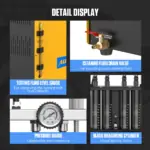
| Test Liquid Level Gauge | ✓ | ✓ | ✓ | ✓ | ✓ | ✓ | ✓ | ✓ | ✓ | ✓ |
| Cleaning Fluid Recovery Valve | ✓ | ✓ | ✓ | ✓ | ✓ | ✓ | ✓ | ✓ | ✓ | ✓ |
| Removable Cleaning Tank | × | × | × | × | × | × | ✓ | × | ✓ | ✓ |
| Number of Fuel Pumps | 1 | 1 | 1 | 1 | 1 | 1 | 1 | 1 | 1 | 2 |
| Functions & Injector Coverage | ||||||||||
| Basic Functions | 3 Cleaning Functions 9 Testing Functions | 3 Cleaning Functions 9 Testing Functions | 3 Cleaning Functions 9 Testing Functions | 3 Cleaning Functions 9 Testing Functions | 3 Cleaning Functions 10 Testing Functions | 3 Cleaning Functions 12 Testing Functions | 3 Cleaning Functions 10 Testing Functions | 3 Cleaning Functions 10 Testing Functions | 3 Cleaning Functions 12 Testing Functions | 3 Cleaning Functions 12 Testing Functions |
| Adapter Connectors | 3 Types | 5 Types | 3 Types | 9 Types | 9 Types | 9 Types | 9 Types | 9 Types | 9 Types | 9 Types |
| Injector Test Positions | 4 Fuel Injectors | 4 Fuel Injectors | 6 Fuel Injectors | 6 Fuel Injectors | 6 Fuel Injectors | 6 Fuel Injectors | 4 Fuel Injectors | 6 Fuel Injectors | 6 Fuel Injectors | 8 Fuel Injectors |
| Fuel Injector Cleaning Type | Standard Fuel Injector | Standard Fuel Injector | Standard Fuel Injector | Standard Fuel Injector GDI, EFI, FSI Long Fuel Injectors | Standard Fuel Injector GDI, EFI, FSI Long Fuel Injectors | Standard Fuel Injector GDI, EFI, FSI Long Fuel Injectors | Standard Fuel Injector GDI, EFI, FSI Long Fuel Injectors | Standard Fuel Injector GDI, EFI, FSI Long Fuel Injectors | Standard Fuel Injector GDI, EFI, FSI Long Fuel Injectors | Standard Fuel Injector GDI, EFI, FSI Long Fuel Injectors |
| Low Impedance Injectors Supported | Compatible units only; confirm injector part number and drive requirements | Compatible units only; confirm injector part number and drive requirements | Compatible units only; confirm injector part number and drive requirements | Compatible units only; confirm injector part number and drive requirements | Compatible units only; confirm injector part number and drive requirements | Compatible units only; confirm injector part number and drive requirements | Compatible units only; confirm injector part number and drive requirements | Compatible units only; confirm injector part number and drive requirements | Compatible units only; confirm injector part number and drive requirements | Compatible units only; confirm injector part number and drive requirements |
| Operation & Equipment | ||||||||||
| Oil Baffle Design | × | × | × | × | × | ✓ | ✓ | ✓ | ✓ | ✓ |
| Operating Condition Simulation Test | ✓ | ✓ | ✓ | ✓ | ✓ | ✓ | ✓ | ✓ | ✓ | ✓ |
| Storage Drawer | × | × | × | ✓ | ✓ | ✓ | ✓ | ✓ | ✓ | ✓ |
Manual & Downloads
Use the Manual for Setup and Test Modes
AUTOOL CT150 User Manual
Open the PDF manual for CT150 ultrasonic cleaning, four-injector spray and volume tests, reverse flushing, adapter setup, fluid safety, and troubleshooting.
Package
What’s Included
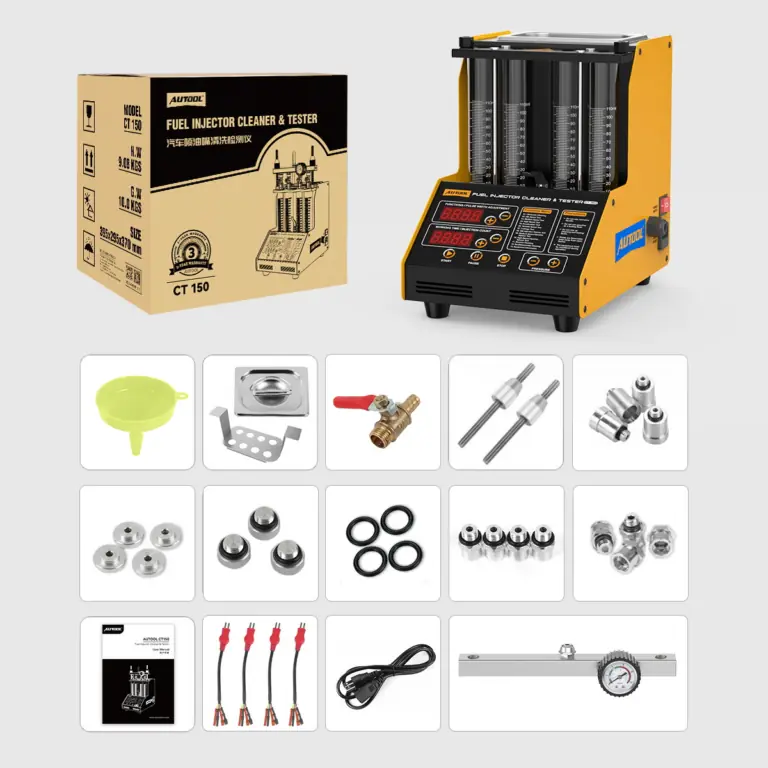
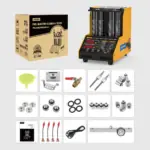
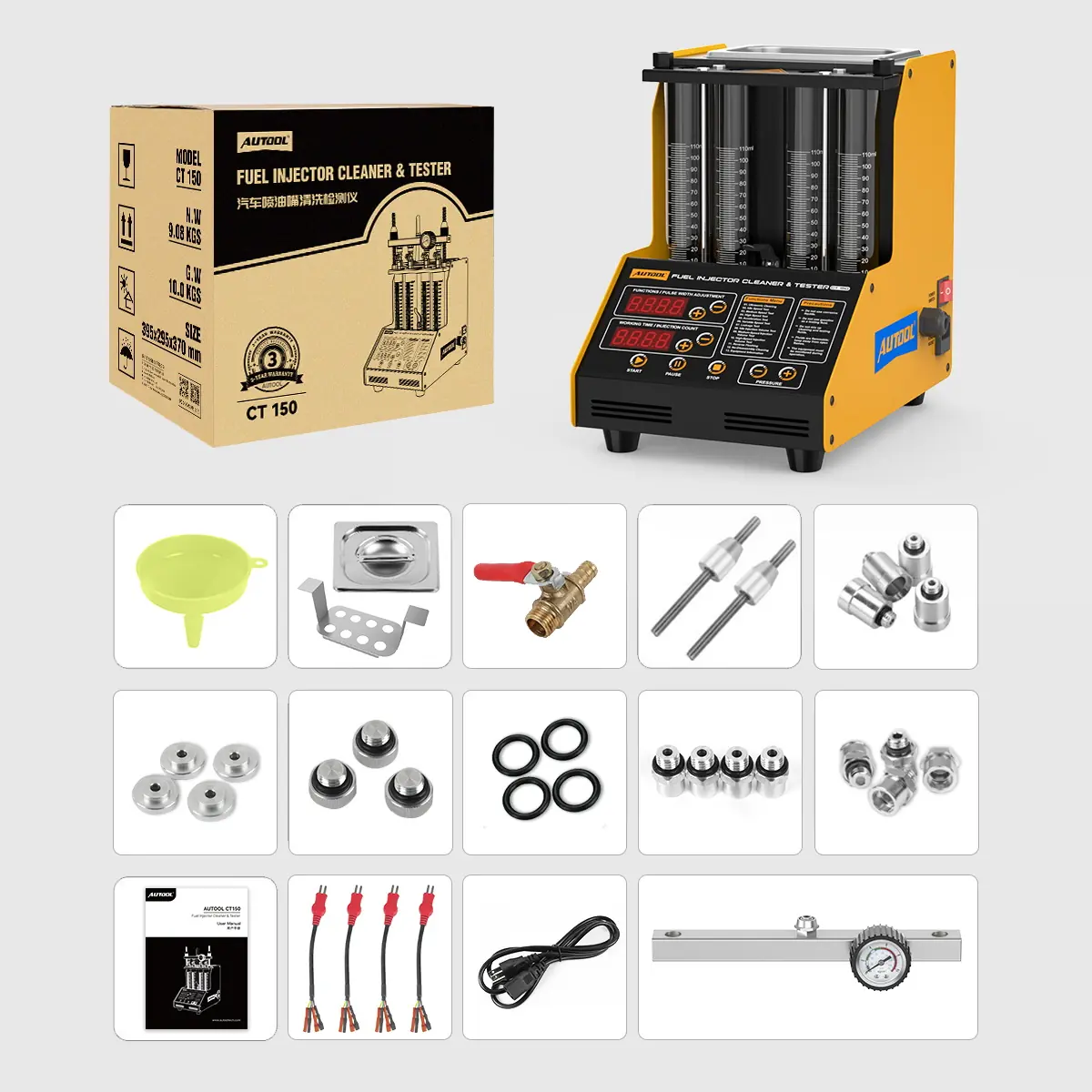
- Main UnitAUTOOL CT150 fuel injector cleaner and tester.
- Retail Box and ManualCT150 product box and user manual.
- Power and Signal CablesPower cable and injector signal harnesses.
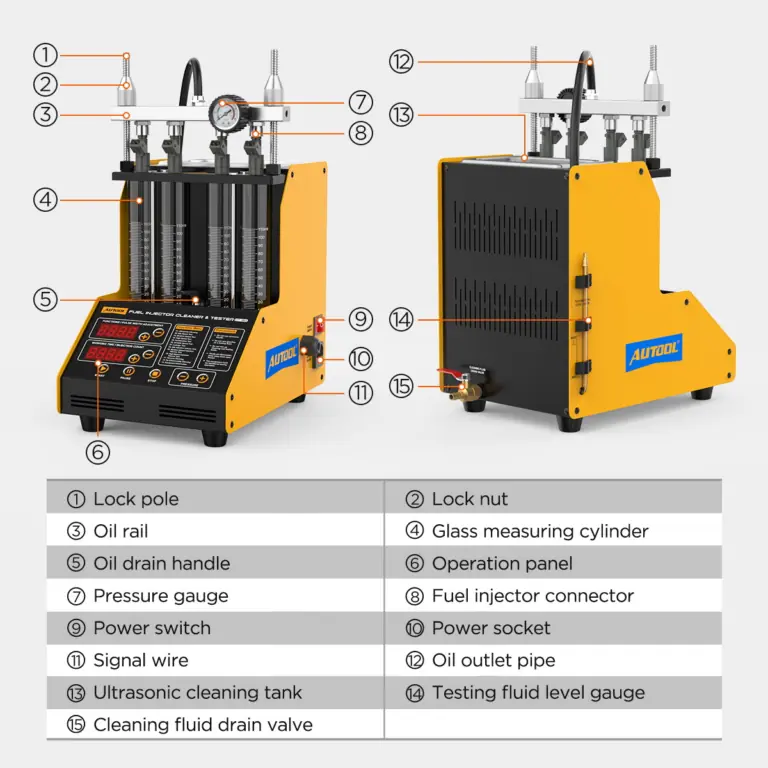
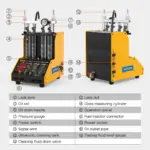
- Fuel Rail and GaugeFuel-rail/oil-rail assembly with pressure gauge.
- Fluid-Handling AccessoriesFunnel, ultrasonic-tank cover, drain-valve parts, and related fittings.
- Adapters, Plugs, and SealsAdapter connectors, unused-position plugs, O-rings, seals, and fittings. Confirm exact styles and quantities for the selected package.
- Fluids and Optional KitsCleaning fluid, test fluid, motorcycle adapters, and cleaning-without-removal accessories are included only when the selected option explicitly lists them.
FAQs
Injector Fit and Comparison Questions
What Is the AUTOOL CT150 Fuel Injector Tester Used For?
AUTOOL CT150 is used to clean and test 4-cylinder gasoline fuel injectors for cars and motorcycles. It supports ultrasonic cleaning, spray-pattern testing, spray volume comparison, leak checking, flow observation, and operating condition simulation tests.
- It cleans and performs low-pressure relative tests on up to four compatible standard 12 V gasoline injectors, including leakage, spray appearance, collected-volume comparison, simulated operating modes, and reverse flushing.
Can CT150 Clean And Test Diesel Injectors?
CT150 can clean diesel injectors, but it cannot test diesel injectors. Diesel injector testing is not supported on CT150.
- No. CT150 testing is limited to compatible standard 12 V gasoline injectors. Diesel injectors may only be ultrasonically cleaned with an approved method and cannot be tested; GDI testing requires suitable dedicated equipment.
Why test before and after cleaning?
A recorded baseline and a matched retest show whether the difference changed. Keep position, pressure, pulse width, mode, fluid, and time the same.
Can CT150 prove an injector is within specification?
Use CT150 to compare compatible injectors under the same low-pressure settings. Apply the injector specification or service procedure when final acceptance requires a defined limit.
Can I test one injector?
Yes, if the injector is compatible and the other three positions are sealed with the approved plugs before pressure is applied.
What Cleaning Fluid Should I Use?
For ultrasonic cleaning, use professional injector ultrasonic cleaning fluid or professional engine carbon cleaning fluid. To achieve the intended cleaning effect, use professional injector ultrasonic cleaning fluid. If it is not available locally, 75%+ medical alcohol may be used as an alternative, but the cleaning effect may be weaker.
- Use the manual-approved ultrasonic cleaning fluid in the cleaning tank and non-corrosive injector test fluid in the test circuit. Do not substitute cleaning liquid for test fluid or mix the circuits.
Does CT150 heat the cleaning fluid?
No. CT150 does not heat the cleaning fluid. Choose CT160 if the workflow requires a four-position tank with heating up to 45 °C.
Can it clean injectors or a throttle body without removal?
These procedures require optional accessories. Confirm the exact kit and supported application before ordering.
What Should I Know Before Using The Ultrasonic Cleaning Function?
Add the correct cleaning fluid before running ultrasonic cleaning. Do not run the ultrasonic tank dry; doing so may damage the ultrasonic system. Keep the cleaning fluid below the electrical pulse connector.
- Confirm the injector part number, 12 V scope, adapter and seal fit, regional input and plug, panel language, included accessories, and the approved cleaning and test liquids.
What if the bench result looks balanced but the vehicle still misfires?
If the bench comparison is balanced but the vehicle fault remains, continue with ignition, compression, intake-leak, fuel-supply, wiring, and control-system checks.
What warranty is included?
Main unit: 3-year warranty. Standard accessories: 1-year warranty. Warranty Policy.
Can I Use Cleaning Liquid To Test Injectors?
No. Do not use cleaning liquid to test injectors. Corrosive cleaning liquid may damage the equipment, corrode rubber parts, and cause leaks. If the equipment is damaged by using cleaning fluid during injector testing, repair costs may be the user’s responsibility.
How Do I Set CT150 Test Parameters?
Select the required function number, then set the test time or injection count shown for that mode before starting.
What Is The Difference Between CT150, CT160, And CT200?
CT150 and CT160 are both designed for cleaning and testing 4-cylinder gasoline engine injectors. The main difference is that CT160 adds ultrasonic heating, while CT150 does not have this feature. Compared with CT150, CT200 adds two additional test positions, allowing up to six injectors to be tested at once, while the other basic functions remain similar.
When Should I Choose CT400, CT450, CT500, FN606, Or FN608 Instead?
If you only need a tester for 12 V gasoline fuel injectors, CT150 or CT160 can be suitable. For low-pressure cleaning and testing of compatible GDI high-pressure injectors or wider injector compatibility, compare CT400, CT450, CT500, FN606, and FN608. Choose based on injector type, test capacity, voltage settings, heating, pump configuration, and workshop workload.
What Is The Difference Between CT200 And CT400?
CT200 is mainly for standard 12V fuel injectors and supports 6-cylinder testing. CT400 supports a wider range of injectors, including standard injectors and GDI-related applications, and includes a drawer for injector adapters and accessory storage. Choose CT400 if you need broader injector compatibility and better accessory organization.
What Is The Difference Between CT400, CT450, And CT500?
CT450 adds the Pulse Injection Test compared with CT400. CT500 further adds Wide Pulse Injection Test and Continuous Injection Test compared with CT450, offering more advanced injector testing options. For cleaning, CT450 includes ultrasonic heating up to about 50°C, while CT400 and CT500 do not have the same heating function.
How Is FN608 Different From FN606 And CT500?
- Capacity: FN608 tests 8 injectors; FN606 and CT500 test 6.
- Fuel delivery: FN608 uses two independent pumps and rails, so one rail can continue if the other pump fails.
- Cleaning/drive: Versus CT500, FN608 adds heating to about 50°C, wider voltage ranges, and a cleaning tank usable separately or with the main unit.
Can CT150 clean injectors without removing them?
CT150 can clean injectors or the throttle body without removal when the required optional accessories are installed. Accessories are sold separately. Confirm accessory availability before ordering if these functions are important for your workflow.
What Accessories Are Included With CT150?
Refer to the Packing List image for the final package contents. The package includes the CT150 main unit, manual, power cable, signal wires, oil-rail and pressure-gauge assembly, funnel, drain valve, adapters, plugs, O-rings, and related fittings. Confirm quantities before ordering.
What Voltage And Panel Versions Are Available?
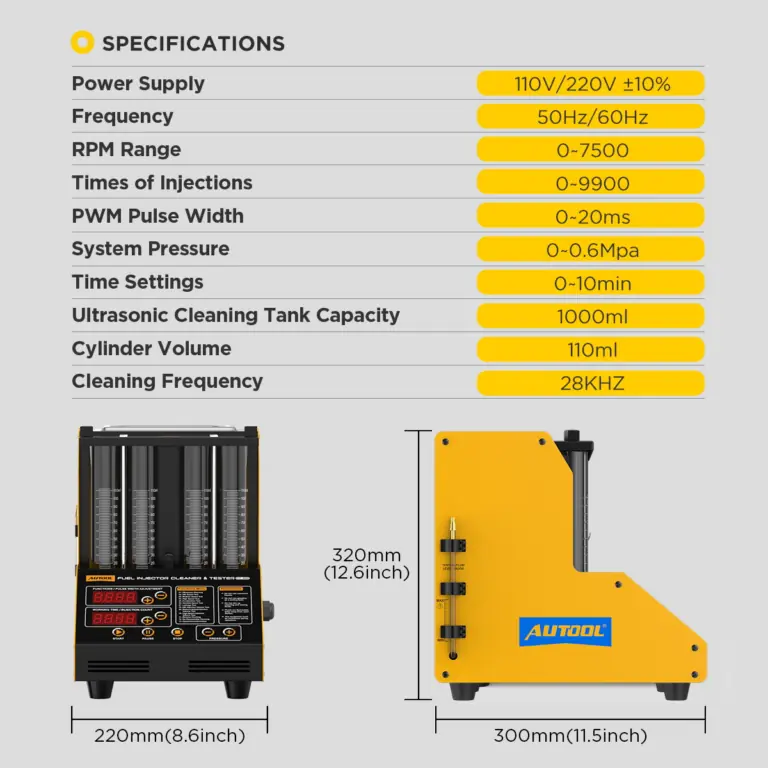
CT150 supports 110V / 220V ±10%, 50Hz / 60Hz power environments. It does not provide an in-menu language switch; English and Russian panel versions may be supplied separately. Confirm the required voltage, plug, and panel version before ordering.
How Long Is The Warranty?
Main unit: 3-year warranty. Standard accessories: 1-year warranty. Warranty Policy.
Anthony ✓ Verified Purchase –
The AUTOOL CT150 is incredibly easy to use—simply secure the fuel injector, add…
The AUTOOL CT150 is incredibly easy to use—simply secure the fuel injector, add the cleaning solution, and press the switch; the device will run automatically. It works for both my car and my motorcycle, but it cannot be used to test diesel injectors or for diagnostic purposes. The safety fuse gives you peace of mind, and its patented technology makes it a reliable tool for both home users and small repair shops!
Alfred Sander ✓ Verified Purchase –
This is a nice machine for the money.
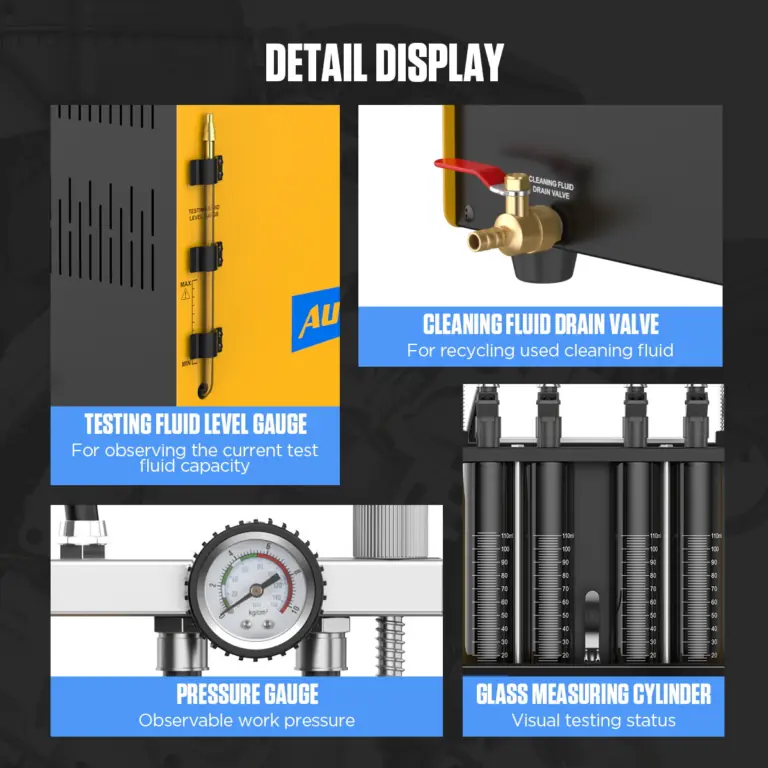
This is a nice machine for the money. It seems to be made quite well. The instructions seem to be well written and fairly concise. I really like the machines size and it works quite well. Filling the injector cleaner into the machine is something that needs to be watched carefully. The fluid level on the machines side, has fill indications. If you over fill the small internal tank it will leak all over the bench. This machine will give your injectors a good workout and test them well. A machine like this is great to have if you have fuel injected vehicles. If you take your time and do all of the cycles, your injectors (if they are good) will be really clean if the fluid is well chosen .
Elian H. ✓ Verified Purchase –
High-quality tester
I’ve been using the CT150 Automotive Fuel Injector Tester Cleaner for a few weeks now, and it’s completely changed the way I work in my shop. It’s suitable for both cars and motorcycles, and it’s super easy to use—just set it up, add the cleaning fluid, and it runs automatically. I also like the built-in safety features; it’s a high-quality tool.